Why Is My Cat So Clingy? Understanding Their Behavior
Your cat used to be sweet and affectionate. Now they shadow you to the bathroom, cry when you close a door, and seem unable to settle unless they’re touching you. A lot of cat owners end up asking the same worried question: why is my cat so clingy, and should I be concerned?
As a veterinary technician, I can tell you that clinginess isn’t something to brush off, but it also doesn’t always mean something is wrong. Sometimes it reflects a strong, healthy bond. Sometimes it’s your cat’s way of saying, “I don’t feel good,” “I’m stressed,” or “Something in my world changed.”
The most helpful way to think about clingy behavior is as a clue. Your cat is giving you information through their body, voice, routine, and habits. The goal isn’t to label them as needy. It’s to figure out which kind of clinginess you’re seeing so you know what to do next.
From Loving Companion to Velcro Cat
A lot of people notice it gradually. First, their cat starts greeting them more intensely at the door. Then the cat begins following them from room to room. Then comes the crying outside the bathroom, the paw under the bedroom door, the demand to be held while you answer emails or cook dinner.

If that sounds familiar, you’re not overreacting. Most owners feel two things at once. They love that their cat wants them, and they worry because the behavior feels different, bigger, or harder to interrupt than before.
I see that tension all the time. An owner will say, “She’s always been affectionate, but this is new,” or “He used to nap on the couch. Now he panics if I leave the room.” That distinction matters. A change in behavior is often more important than the behavior itself.
Cats rarely explain themselves in obvious ways. They show you by changing patterns.
Clinginess can come from several places. A medical problem can make a cat feel vulnerable. Stress can make them seek constant reassurance. A house move, a new baby, a new pet, or a work schedule change can unsettle even a normally confident cat. Older cats may also become more dependent as their bodies and brains change.
What helps most is not guessing wildly or trying random fixes. Start by separating the possibilities into three buckets: medical, behavioral, and environmental. That framework makes the next step clearer, and it prevents a common mistake, which is assuming a cat is “just emotional” when they may be uncomfortable or ill.
The Clinginess Spectrum Normal Affection vs Over-Dependence
Not every clingy-looking cat is in distress. Some cats are social. They like your company, enjoy routines with you, and choose to be near you because that feels safe and pleasant. That’s very different from a cat who seems unable to cope without constant access to you.
What healthy attachment looks like
Consider the difference between a close friend and a dependent one. A securely bonded cat enjoys contact, but they can also rest, play, groom, and explore on their own. They don’t fall apart when you stand up and walk away.
A securely bonded cat may:
- Greet you at the door and then settle once they’ve checked in.
- Sleep nearby without needing to be on top of you all day.
- Ask for attention at certain times such as bedtime, feeding time, or after work.
- Purr, head-butt, or knead during cuddles but stop and move off when they’re done.
- Return to their own activities like window watching, napping, or toy play.
That kind of affection is normal. In many cats, it’s a sign that the relationship feels safe and predictable.
What anxious attachment looks like
Over-dependence looks different. The cat doesn’t just prefer your presence. They seem distressed without it. Their behavior may intensify around departures, closed doors, or times when you’re busy and unavailable.
Watch for patterns like these:
- Following you constantly with little ability to relax alone
- Vocalizing when you leave or close a door
- Interrupting your sleep repeatedly to check where you are
- Becoming agitated during your leaving routine such as when you pick up keys or shoes
- Showing unwanted behaviors when alone such as scratching furniture, pacing, or excessive meowing
- Struggling to self-soothe even when basic needs have been met
Practical rule: Affection becomes a concern when your cat seems upset by separation, not just interested in your company.
A simple comparison
| Pattern | More likely normal affection | More likely over-dependence |
|---|---|---|
| Following you | Sometimes | Nearly all day |
| Vocalizing | Brief greeting or request | Repeated, distressed, hard to interrupt |
| Alone time | Can settle and nap | Appears restless or upset |
| Attention seeking | Predictable moments | Constant, escalating, urgent |
| Response to routine change | Mild adjustment | Marked distress or agitation |
Cats can also move along this spectrum. A cat who was once comfortably independent may become over-dependent after a stressor, an illness, or a change in household rhythm. That’s why context matters so much. Don’t ask only, “Is my cat affectionate?” Ask, “Has my cat lost the ability to feel okay without me?”
Top Reasons Your Cat Is Suddenly So Clingy
You get up to brush your teeth, and your cat is at your feet. You sit down to work, and they climb into your lap again. By bedtime, you realize this is not your cat being a little extra affectionate. It is a change. And with cats, a sudden change is a clue.

The easiest way to sort through clingy behavior is to place it into three buckets. Medical causes come first. Stress or anxiety comes next. Changes in the home environment round out the list. Age can affect any of those buckets, which is why senior cats need a little extra attention when this behavior appears.
Medical causes
Cats often stay close when they do not feel well. Proximity can be a comfort, much like a child wanting to stay near a parent when they have a fever. Pain, nausea, weakness, trouble seeing, trouble hearing, and confusion can all make a cat seek you out more than usual.
Common medical triggers include arthritis, dental pain, hyperthyroidism, kidney disease, diabetes, and high blood pressure. Cornell Feline Health Center notes that arthritis is very common in older cats and often shows up as behavior changes rather than obvious limping. That matters because a cat in pain may not cry out. They may choose the safest, least demanding option, which is staying close to you.
Sudden clinginess paired with appetite changes, litter box changes, poor grooming, weight loss, restlessness, or night waking should move medical causes to the top of your list.
Stress, anxiety, and over-attachment
Some clingy cats are not sick. They are unsettled. The behavior works like an emotional anchor. If your presence helps your cat feel safe, they may start checking on you constantly, following you from room to room, or calling out when a door closes.
The American Association of Feline Practitioners explains in its feline behavior guidelines that stress-related behavior problems in cats often show up through changes in social behavior, vocalization, and elimination habits. In plain language, a worried cat may become more attached, noisier, or less able to settle alone.
Pattern recognition is helpful: If your cat is calm once they reach you but becomes upset when they cannot access you, anxiety is more likely than simple affection. If the clinginess comes with frequent crying or demand sounds, compare what you are hearing with these common reasons why cats meow.
Changes in the home or routine
Cats depend on predictability. A schedule change that feels minor to you can feel like the floor shifted under them.
Moving, guests, renovations, a new baby, a new pet, a different work schedule, or even rearranged furniture can all trigger clingy behavior. Your cat may use you as a reference point while they decide whether the new situation is safe. That is why some cats get clingier after a move, then start urine marking once the stress builds. If that happens, you may also need practical cleanup help, such as this guide on how to get cat pee smell out of your rug.
Timing matters here. If the behavior started within days or weeks of a life change, that connection is probably meaningful even if the trigger seemed small.
Age-related changes
Older cats often become clingier for more than one reason at the same time. They may be less mobile, less confident, more sensitive to routine changes, or starting to experience cognitive decline.
The ASPCA describes cognitive dysfunction in senior cats as a cause of confusion, altered sleep patterns, increased vocalizing, and changes in social interaction. A senior cat who checks on you repeatedly, seems lost at night, or wants constant reassurance may not be needy in the usual sense. They may be struggling to make sense of their world.
That is why the first question is not just, "Why is my cat following me?" A better question is, "Which bucket fits best: medical, stress-related, or environmental?" Once you sort that out, the next step becomes much clearer.
Your At-Home Checklist To Spot a Problem
You wake up, head to the bathroom, and your cat is already there. You sit down to work, and they press against your arm. You stand up, and they follow again. At that point, the question is not just "why is my cat so clingy?" The better question is, "Which type of problem does this look like?" That shift helps you choose the right next step instead of guessing.
Start by treating yourself like a detective, not a fixer. A short behavior log often reveals whether you are seeing a medical issue, a stress response, or a habit that has started to snowball. Clinginess is a symptom, much like a cough in people. The behavior matters, but the pattern around it matters more.

Step 1: Write down the pattern before you change anything
Give yourself two or three days of simple observation.
Record:
- When the behavior happens most such as early morning, bedtime, before meals, or when you leave the room
- What your cat does following, crying, pawing, pacing, staring, climbing on you, or guarding doorways
- What seems to set it off visitors, schedule changes, loud noises, closed doors, or being left alone
- What helps your cat settle food, play, petting, a window perch, a hiding spot, or your presence alone
- What else has changed appetite, water intake, grooming, litter box use, sleep, jumping, or activity level
A common pitfall for many owners is focusing on the shadowing behavior and missing the clues sitting beside it. A cat who follows you constantly and has stopped jumping on the bed may be dealing with pain. A cat who becomes clingy only at night may be confused, overstimulated, or reacting to a change in routine. The details sort the problem into the right bucket.
Step 2: Check for medical clues first
Sudden clinginess deserves a health check, especially if your cat was more independent before. Cats often become more attached when they feel unwell, sore, nauseated, weak, or disoriented. In those cases, staying close to you works like a coping strategy.
Book a vet visit if the behavior is new, stronger than usual, or paired with any other change in daily habits. A veterinary exam can help rule out pain, thyroid disease, kidney problems, dental trouble, mobility issues, and age-related changes that are easy to miss at home.
A visit may include:
| What your vet checks | Why it matters |
|---|---|
| Physical exam | Checks for pain, weight change, dehydration, dental disease, and other body-wide clues |
| Bloodwork | Looks for illness such as thyroid, kidney, or metabolic problems |
| Urinalysis | Helps evaluate urinary and kidney concerns |
| Mobility assessment | Finds stiffness or soreness that can make a cat seek extra reassurance |
| Behavior history | Connects home patterns with likely causes |
Bring notes and video if you can. A short clip of pacing, vocalizing, or shadowing you from room to room can help your veterinarian see what words sometimes miss.
Step 3: Sort what you see into three buckets
Once urgent medical causes are being addressed, use this simple framework:
- Medical: the clinginess is new, intense, or paired with changes in appetite, thirst, grooming, litter box use, sleep, energy, or movement
- Behavioral: the pattern shows up around separation, attention-seeking, or a learned routine, and your cat is otherwise acting normally
- Environmental: the change started after a move, new pet, guest, baby, schedule shift, noise issue, or loss of a familiar person or animal
Some cats fit more than one bucket. That is common. For example, a senior cat with mild arthritis may also become more dependent after a household change because discomfort lowers their coping ability.
Step 4: Know when home support is reasonable and when it is not
If your cat seems mildly stressed but is eating, using the litter box, moving normally, and has no other red flags, focus on calming routine and observation while you arrange care if needed. Some owners also look into gentle support options such as natural remedies for stressed cats, but supplements and calming products should never replace a medical workup when the behavior is sudden or significant.
Call your vet promptly if you notice:
- Eating or drinking changes
- Litter box problems such as straining, accidents, or going outside the box
- Pain signs like hiding, flinching, growling when touched, or avoiding jumps
- Abrupt behavior shifts in a senior cat
- New nighttime crying or restlessness
- Clinginess with lethargy, agitation, or confusion
If the clinginess comes with house-soiling, clean the area thoroughly so lingering odor does not pull your cat back to the same spot. If you need practical cleanup guidance, this resource on how to get cat pee smell out of your rug is useful because scent can keep the cycle going even after the original stress has eased.
Strategies to Build Your Cat's Confidence
If your vet has ruled out illness, the next goal is not to make your cat “less attached.” It’s to help them feel safe without needing constant contact. That’s a confidence problem, not a stubbornness problem.
Reward independence, not urgency
A common mistake is responding only when the cat escalates. They cry, you pick them up. They paw at the door, you open it. They jump on your keyboard, you start petting them. From the cat’s perspective, clingy behavior worked.
Instead, start noticing and rewarding calm, independent moments. If your cat sits on a nearby chair, toss a treat. If they choose the cat bed instead of your lap, offer soft praise or a food reward. If they watch you from across the room without fussing, that’s a success.
Calm behavior should get your attention before needy behavior does.
Use structured separation
For anxiety-based clinginess, think in tiny steps. Leave for a very short, manageable period, then return before your cat becomes upset. For some cats, that might mean stepping behind a door for a moment. For others, it may mean leaving the room briefly while they work on a lickable treat or food puzzle.
Build from there. The goal is to teach, “I can be alone and nothing bad happens.”
Try this sequence:
- Create a predictable cue such as placing a puzzle toy down before stepping away.
- Leave briefly for a duration your cat can handle calmly.
- Return calmly without making a big emotional event of it.
- Repeat often so the routine feels ordinary, not alarming.
The earlier source on clingy cats notes that gradual alone-time training can start with very short periods, and that can be a good starting point when separation seems to be the driver.
Keep your own responses steady
Cats read patterns. If one day you cuddle them for crying and the next day you scold them for the same thing, they don’t learn security. They learn unpredictability.
That doesn’t mean you should ignore your cat completely. It means you should be intentional. Give affection generously, but on a rhythm that supports calmness. Daily play, feeding routines, and quiet connection help far more than frantic reassurance during every clingy moment.
If you’re exploring supportive, home-based ways to help a stressed cat relax, this guide on natural remedies for cats may give you a few gentle ideas to discuss with your veterinarian.
Enrichment Ideas and Routines for a Happier Cat
A clingy cat often has one of two hidden problems. They’re under-stimulated, or they don’t know what to do with themselves when you’re busy. Good enrichment solves both by giving your cat outlets that feel satisfying even when you’re not actively entertaining them.

A day that feels safe to a cat
Cats tend to do better when the day has a pattern. Not a rigid, perfect schedule. Just a rhythm they can trust.
A confident indoor cat’s day might look like this:
- Morning hunt and eat with a wand toy session followed by breakfast
- Midday solo activity such as a puzzle feeder near a window
- Afternoon rest in a quiet perch, cat tree, or sunny bed
- Evening interaction with chase play, brushing, or training
- Nighttime wind-down in a calm room with familiar bedding
That structure matters because it gives your cat jobs to do besides monitor you.
Match enrichment to your cat’s personality
Different cats need different outlets. One cat wants to stalk and pounce. Another wants to climb and supervise. Another wants to solve food puzzles with great seriousness.
Here are useful points to consider:
For the hunter
Use wand toys, kicker toys, and short chase sessions that end with food or a treat. Cats who cling because they’re under-exercised often improve when they get a proper predatory play sequence every day.
For the thinker
Puzzle feeders, snuffle-style foraging mats made for cats, and treat balls can keep a smart cat busy. The earlier behavior source notes that puzzle toys are often part of the solution when boredom contributes to clinginess.
For the explorer
Window perches, cat trees, shelves, tunnels, and cardboard hideouts give the cat more territory. Vertical space is especially helpful in multi-person or busy homes because it lets cats observe without feeling crowded.
If you want more room-to-room ideas, this article on how to keep indoor cats entertained is a practical companion.
Some cats also benefit from safe novelty outside the home. For cats who tolerate outings well, a secure cat travel backpack can make car rides, porch sits, or short environmental exposure easier to manage. This is only for cats who remain calm with travel. It’s not a fix for every clingy cat.
A short demonstration can help if you’re new to puzzle play and indoor activity setup:
Rotate, don’t overload
Owners sometimes buy ten toys at once and leave them all out. Then the cat ignores everything. Rotation works better. Put a few things away, bring them back later, and keep the environment interesting without making it chaotic.
A good enrichment plan gives your cat small wins throughout the day. It doesn’t require nonstop excitement.
When to Call a Professional for Your Clingy Cat
Sometimes clinginess improves with a vet check, better routine, and confidence-building at home. Sometimes it doesn’t. That’s when outside help becomes the kindest next step.
Call your veterinarian if the clinginess is sudden, intense, or paired with changes in eating, litter box habits, sleep, mobility, grooming, or vocalization. Medical causes must be addressed first.
Call a certified cat behaviorist or veterinary behavior professional if the medical workup is clear but your cat is still struggling. Behavior help is especially useful when the clinginess includes panic around separation, destructive behavior, tension with other pets, or patterns that are hard for your household to manage consistently.
Get professional help sooner if:
- Your cat shows aggression when blocked from you or moved away
- The behavior is escalating instead of easing
- Your cat seems distressed daily
- You notice self-injury, compulsive grooming, or severe vocalizing
- Your home life is being disrupted enough that you feel overwhelmed
You don’t need to wait until things are extreme. The earlier you get support, the easier it is to help your cat feel stable again.
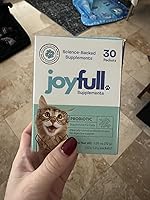
If you’re working on your cat’s stress, routine, and overall wellness, Joyfull is built around a simple idea: pet care should be convenient, clean, and useful. Their approach centers on high-quality proteins, thoughtful ingredients, and veterinary review, which fits well with the kind of steady, proactive care that helps cats thrive.