Unlock Joy: How to Keep Indoor Cats Entertained
Your cat tears through the hallway at 3 a.m., launches off the couch, smacks your ankle on the way past, and then stares at you like you're the problem. Later, a water glass hits the floor. The scratching post sits untouched while the sofa arm gets shredded again.
Most of the time, that isn't a “bad cat.” It's a cat with instincts and not enough places to put them.
Indoor life protects cats from a lot of real danger, but safety alone doesn't create a good life. Cats still need to stalk, chase, climb, scratch, sniff, watch, and work for things. If those needs don't get an outlet, they spill into the routines you don't want.
The Happy Indoor Cat Paradox
A lot of cat owners are living the same contradiction. They made the safe choice by keeping their cat inside, but now they're dealing with restlessness, overeating, nighttime chaos, or stress behaviors they didn't expect.
That trade-off is real. Indoor-only cats live longer, with lifespans averaging 13–17 years compared to 5–7 years for outdoor cats, but they also face higher risks of boredom-related issues like weight gain and anxiety, according to the AVMA's discussion of indoor cat wellbeing. The scale is huge. The same AVMA source notes that roughly 73.8 million pet cats live in U.S. households.
Safety isn't the finish line
A cat can be protected and still under-stimulated.
That's where many owners get tripped up. They provide food, clean water, a litter box, and a cozy spot to nap. Those are basics. They don't replace the daily experience of being a predator built for movement and problem-solving.
Indoor cats need more than protection. They need outlets for the behaviors that make them cats.
What boredom often looks like
It usually doesn't announce itself politely. It shows up as:
- Nighttime bursts of energy that feel random but often reflect unused fuel
- Attention-seeking chaos like knocking objects off counters
- Rough play directed at hands, feet, or other pets
- Comfort eating or fast eating when food becomes the day's only event
- Stress behaviors such as overgrooming, pacing, or hiding
If this sounds familiar, the answer usually isn't “wear your cat out once” or “buy more toys and hope.” It helps to think in systems: play, feeding, environment, sensory variety, and rest.
Food matters in that system too. If you're rethinking the full indoor-cat routine, this guide on best cat food for indoor cats is a useful companion to enrichment work because nutrition and engagement affect each other more than most owners realize.
Master the Art of Interactive Play
The fastest way to improve an indoor cat's day is to stop treating play like random exercise. Good play has structure. It follows the same sequence your cat is wired for: hunt, chase, catch, finish.

According to AAHA's indoor enrichment guidance for cats, a solid routine is 2–3 play sessions a day, with 3–5 toys rotated every few days, because cats can lose interest in over 70% of static toys within a week. AAHA also stresses one of the most overlooked rules in cat play: end the session with a “kill” reward, such as kibble or a treat.
Play like prey, not like a puppet
A feather wand works because it can behave like something alive. A wand dragged in lazy circles doesn't do much. A wand that darts behind a chair leg, pauses, peeks out, and then shoots across the floor gives your cat a problem to solve.
Use movement with intention:
-
Start small and sneaky
Move the toy low and partly out of sight. Many cats engage faster when the “prey” looks unaware. -
Let the cat stalk
Don't wave the toy in their face. Give them a beat to crouch, track, and calculate. -
Create short bursts
Quick movement, then stillness. Then a dash again. That's what keeps attention. -
Let them win
If the toy never gets caught, the game gets frustrating.
Keep a rotation, not a toy pile
More toys on the floor doesn't automatically mean more enrichment. In practice, a giant heap often becomes background clutter.
A better system is simple:
- Keep a small active set of toys out
- Put the rest away in a closed bin
- Swap every few days so old toys come back feeling “new”
- Match toy type to cat style, such as wand toys for stalkers and kickers for wrestlers
Homemade toys can work well if they're sturdy and supervised. If you like DIY options, learning to crochet a perfect ball can give you a reusable soft toy shape that's easy to bat, chase, and stash in rotation.
Always finish the hunt
Many well-meaning owners often miss the mark with this. Cats don't just want motion. They want completion.
After a wand session, let your cat grab the toy, kick it, and settle. Then offer a small treat, a bit of kibble, or move directly into a food puzzle. That closes the loop.
For food-motivated cats, small, high-value rewards can make training and play much smoother. If you're choosing rewards carefully, this guide to best cat treats for training helps you think beyond whatever happens to be in the pantry.
A quick visual can help if your cat has gotten bored with the usual routine:
Practical rule: If your cat looks more frustrated after play than before it, the session probably had too much teasing and not enough catching.
Turn Mealtime into a Mind Game
Putting food in a bowl is convenient. It's also a missed opportunity.
For many indoor cats, mealtime is the most reliable event in the day. If that event takes ten seconds and no thought, you've skipped one of the easiest ways to add challenge, movement, and satisfaction.
Why a bowl often isn't enough
A bowl solves hunger. It doesn't engage the brain.
Puzzle feeders and treat-dispensing toys do more. According to this review of indoor cat activity and engagement, puzzle feeders can extend meal times by 3–5x, reduce obesity risk by 15–20%, and decrease frustration-related behaviors. The same source notes that indoor cats show twice the engagement with these devices compared to outdoor cats.

That matters because food can do two jobs at once. It can nourish your cat and give them something to work out.
Start easier than you think
One common mistake is buying an advanced puzzle and assuming your cat will “figure it out.” Some will. Many won't. Then owners decide puzzle feeding doesn't work.
Start with low friction:
- Easy roll toys that release kibble with a light nudge
- Open muffin tins or shallow compartments with treats scattered in plain view
- Cardboard boxes with paper balls hiding bits of food
- Snuffle-style setups that encourage nose work and pawing
Once your cat understands the game, increase the challenge gradually.
Use nutrition as enrichment, not just fuel
Standard advice typically stops too early. Entertainment isn't only about what object your cat bats around. It's also about whether food has sensory value.
Cats experience the world through smell and taste more than many owners realize. Rotating safe flavor experiences, using high-quality protein-based rewards, and pairing treats with puzzles can make the activity itself more interesting. That doesn't mean constant novelty or overfeeding. It means using feeding moments with intention.
A few practical ways to do that:
| Approach | What it does |
|---|---|
| Treat ball at breakfast | Slows intake and creates movement first thing in the day |
| Lick mat for a small reward | Extends engagement and adds a different texture experience |
| Hidden treats in cardboard tubes | Builds search behavior and confidence |
| Flavor rotation in puzzles | Prevents the routine from feeling flat |
If you make your own rewards sometimes, this guide to healthy cat treats homemade can help you think through ingredient quality and portion control.
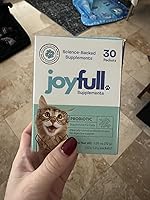
Joyfull's cat enrichment treats fit naturally into this kind of routine because they're used as small rewards inside training, puzzle work, and end-of-hunt play, rather than as random extras.
A bowl fills the stomach. A foraging task gives a cat something to do with its body and mind.
Engineer an Indoor Adventure Zone
A good home for a cat isn't just comfortable. It has routes, lookout points, textures, hiding places, and a little uncertainty. Not chaos. Interest.
Cats can sleep up to 20 hours a day, which means the 4–8 hours they're awake carry a lot of weight. The Galena Animal Medical Clinic article on keeping an indoor cat entertained points to environmental options like window perches and rotating toys every few days as proven ways to maintain interest in a static indoor setting.

Build upward first
Many enrichment problems improve when cats gain more vertical control over their space.
A tall cat tree near a window does three jobs at once. It creates exercise, gives a secure vantage point, and turns outside movement into “cat TV.” Wall shelves can do the same in smaller homes if they're stable and placed with safe jumping distances.
Look for a mix of:
- High resting spots where your cat can observe without being bothered
- Mid-level pathways that let them move across a room without staying on the floor
- Easy exit routes so a nervous cat never feels trapped
Add texture, scent, and hiding options
Entertainment isn't just visual. Some cats are climbers. Some are tunnel cats. Some are scent-driven and suddenly come alive when a familiar space smells different in a safe way.
Try building zones instead of one cat corner:
- Scratching zone with both vertical and horizontal scratchers in different materials
- Retreat zone with a covered bed, tunnel, or open box in a quiet area
- Observation zone by a secure window perch
- Scent zone with occasional catnip or silvervine on a scratcher or toy
- Chew and nibble zone with cat grass if your cat enjoys it
Make the room change slightly over time
A lot of owners “catify” once and stop. Then the environment goes stale.
You don't need a full redesign. Small changes help:
| Small change | Why it works |
|---|---|
| Move one perch | Changes the angle of observation |
| Swap toy locations | Makes familiar objects feel less predictable |
| Add a paper bag or box for a day | Creates temporary novelty and hiding value |
| Refresh scent on one toy | Gives a sensory update without buying something new |
Some cats don't need more stimulation. They need the right kind in the right place.
If you're wondering how to keep indoor cats entertained when you're busy, this is the answer that lasts. Passive enrichment won't replace play with you, but it gives your cat meaningful choices during the hours you're working, cooking, or out of the house.
Decode Your Cat's Cues and Avoid Common Pitfalls
Owners often call a cat “moody” when the cat is being clear.
A twitching tail during petting can mean “I'm getting overloaded.” Flattened ears can mean fear or defensive stress. A sudden hallway sprint before bedtime often means unused energy. When you read those cues earlier, you can adjust before the behavior escalates.

The laser pointer problem
Laser toys aren't automatically bad. Bad laser play is bad.
Behavioral studies cited by AAHA note that up to 40% of owners fail to end the hunt with a physical catch and reward, which can leave cats frustrated and contribute to redirected aggression or compulsive behavior. That's the issue, not the red dot itself.
If you use a laser:
- Keep sessions short
- Guide the dot onto a toy your cat can grab
- Finish with food or a tangible reward
- Don't use it as your only form of play
Household items that create trouble fast
Cats don't judge risk well. Owners have to do it for them.
Watch out for:
- String and ribbon that can be swallowed
- Rubber bands and hair ties that invite chewing
- Broken feather toys with loose parts
- Unsafe plants in reach of curious cats
- Tiny DIY pieces that can come apart under biting
Read patterns, not isolated incidents
One weird evening doesn't always mean a problem. A week of increased ankle attacks, nighttime yowling, and frantic food behavior usually means your routine needs work.
If a cat keeps choosing chaos, look for an unmet need before you assume a personality flaw.
Your Sample Weekly Cat Enrichment Plan
A good routine doesn't need to be complicated. It needs to be repeatable.
Here’s a practical template you can adjust to your cat's style, age, and energy level.
Sample Weekly Enrichment Schedule
| Day | Morning (5-10 min) | Midday (Passive) | Evening (10-15 min) |
|---|---|---|---|
| Monday | Wand play before breakfast | Window perch and rotated toy set | Puzzle feeder dinner |
| Tuesday | Treat ball or easy food puzzle | Tunnel, box, or quiet hideout available | Feather chase and catch, then reward |
| Wednesday | Short training session with treats | Scratching zone refreshed with scent | Rolling toy and kicker session |
| Thursday | Foraging breakfast in cardboard tubes | Bird watching from perch | Wand play with stalking pauses |
| Friday | Lick mat or simple scent game | New resting spot or moved perch | Obstacle-style play through tunnels |
| Saturday | Interactive play burst before meal | Open access to shelves and lookout spots | Puzzle toy plus calm grooming or bonding time |
| Sunday | Easy hunt game with hidden treats | Low-traffic nap zone and cat grass | Favorite toy session, then small reward |
Keep the plan flexible
If your cat loses interest, switch the format, not just the object. If your cat gets overexcited, shorten sessions and add a calmer finish. The routine should feel steady, but not identical every day.
From Bored to Blissful Building a Joyfull Life
Knowing how to keep indoor cats entertained isn't about turning your house into a pet store. It's about building a daily life that makes sense for a hunter living indoors.
The cats who do best usually don't have the most stuff. They have a rhythm. They get chances to chase, climb, sniff, scratch, watch, and work for part of their food. Their owners notice what type of enrichment lands and stop wasting time on what doesn't.
That approach creates more than a calmer home. It builds trust. Your cat learns that the environment meets real needs, not just basic survival.
A joyful indoor life comes from consistent, thoughtful choices. Small ones count.
Frequently Asked Questions
My cat ignores most toys. What should I try first
Start with movement, not variety. Many cats ignore toys that don't behave like prey. A wand toy moved behind furniture, under a rug edge, or around a corner usually works better than tossing five random toys on the floor. If your cat still watches without engaging, try play right before a meal when hunting motivation is higher.
How often should I rotate toys
Every few days works well for many cats. The key isn't a rigid schedule. It's noticing when a toy has become part of the wallpaper. Put it away before your cat is completely bored with it, then reintroduce it later.
Is it okay if my cat only likes food puzzles and not play
That's still enrichment. Food work counts. Many cats start with puzzle feeders and build confidence from there. Once they understand that effort leads to reward, some become more willing to chase, stalk, or train. Keep offering both, but don't force a style your cat clearly dislikes.
Can older cats still benefit from enrichment
Yes. Older cats may want shorter sessions, lower jumps, and easier puzzles, but they still need stimulation. Gentle sniffing games, easier treat dispensers, window watching, soft kicker toys, and low-impact wand play often work well.
What if my cat gets overstimulated easily
Keep sessions shorter and end sooner than you think you need to. Watch for tail lashing, skin twitching, pinned ears, or sudden biting. Choose calmer activities like lick mats, scent work, and simple foraging tasks between active play periods.
Should I get another cat to solve boredom
Sometimes companionship helps. Sometimes it adds stress. Another cat is not a shortcut for enrichment. If your current cat dislikes sharing space, a new pet can make the home harder, not easier. Improve the environment and routine first.
If you're building a better daily routine for your cat, Joyfull is worth exploring. The brand focuses on no-BS pet wellness with clean ingredients, high-quality proteins, and products designed to support real routines, including treat-based enrichment, training, and interactive feeding.