


When it comes to your cat’s diet, high-quality protein isn't just one important part—it's everything. For cats, protein isn't a side dish; it’s the main course, the appetizer, and dessert all rolled into one. It’s the fuel their bodies are built to run on.
Why Protein Is the Cornerstone of Your Cat’s Diet
Here's a simple way to think about it: imagine your cat is a high-performance race car. You wouldn't put cheap, low-octane fuel in a Ferrari and expect it to win a race, right? Cats are the same. They are biologically engineered to run on one thing: premium, animal-based protein. This isn’t just a preference; it’s a non-negotiable genetic requirement.
That’s why getting a handle on protein is so crucial for any cat parent. The pet food market today is a confusing mess of flashy bags and marketing jargon. Our goal is to help you cut through all that noise and get down to what really matters for your cat’s lifelong health.
The Obligate Carnivore Explained
To truly understand what your cat needs to eat, you only need to know one key term: obligate carnivore. It’s a scientific-sounding phrase with a very simple meaning: cats must eat meat to survive.
Unlike dogs or people, who can get nutrients from both plants and animals, a cat's entire digestive system is specialized for a single task: processing animal tissue.
An obligate carnivore is an animal whose body requires nutrients found only in animal flesh. They can't properly digest or get what they need from plant-based foods.
This biological fact shapes every single one of their nutritional needs. Giving them a diet that respects this carnivorous nature is the best thing you can do for their health. Choosing the right protein cat food isn't just about filling their bowl; it’s about giving them the essential building blocks for a long, vibrant life. You can dive deeper into the science behind finding the best protein for cats in our article.
Moving Beyond Marketing Hype
Trying to pick a cat food can feel overwhelming. Brands throw around words like "natural" and "gourmet," but these terms often don't mean much when it comes to what your cat actually needs. This guide is designed to make you a smarter shopper by focusing on the fundamentals.
Once you start looking at food through the lens of protein quality, everything becomes clearer.
- You'll read labels like a pro: You’ll quickly learn to spot high-quality animal proteins at the top of the ingredients list and recognize the cheap fillers to avoid.
- You'll see the difference: The right diet has a direct impact on everything from their energy levels and a shiny coat to a strong immune system.
- You'll invest in their future: Giving them the right fuel from day one helps support strong muscles, healthy organs, and overall longevity.
This guide will give you the confidence to choose the very best for your feline friend.
Understanding Your Cat’s Biological Needs
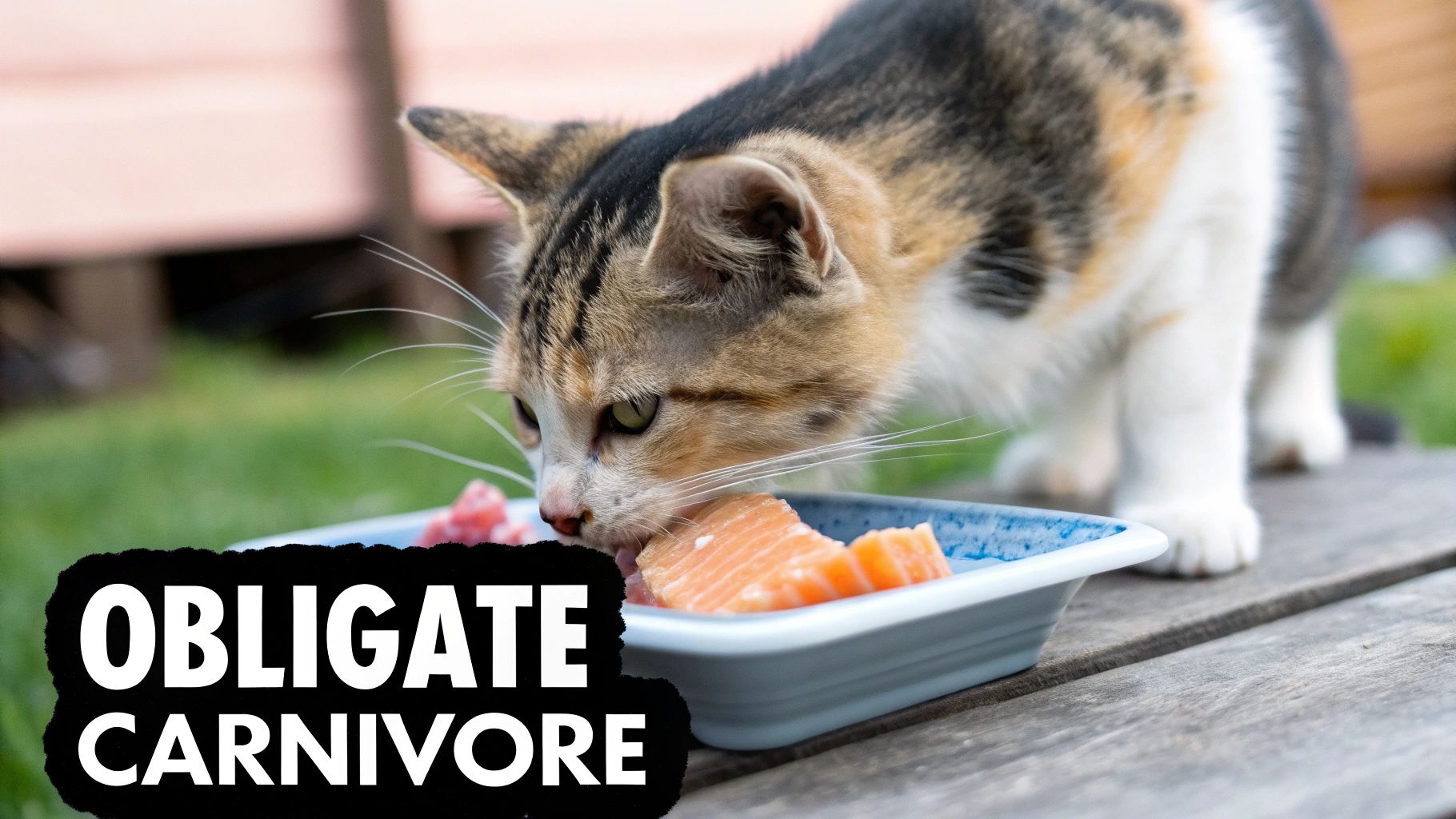
To really get what makes the best cat food, we have to look past the marketing and dive into their evolutionary history. Cats are obligate carnivores. That’s a scientific way of saying they don't just prefer meat; they are biologically built to require it to survive and thrive. It's not a lifestyle choice—it's hardwired into their DNA.
Think of your cat's digestive system as a highly specialized toolkit, one that’s been fine-tuned over millennia for a single purpose: breaking down animal tissue. It simply doesn't have the right equipment to efficiently process plants, which is why a high-quality, protein cat food is so non-negotiable.
The Specialized Toolkit of a Carnivore
Unlike us or even dogs, cats have a much shorter digestive tract and a unique set of enzymes. Their entire system is optimized for the rapid digestion of protein and fat, not for fermenting the fibrous carbs found in plants.
This biological reality changes everything. Feeding a cat a diet low in animal protein is like asking a master carpenter to build a house with only a screwdriver. They’re missing the essential tools for the job, and the final structure just won’t be sound.
This growing awareness is shifting how we all shop for our pets. The global cat food market, once valued at $23.38 billion, is now projected to soar to $32.01 billion by 2029, a jump largely driven by owners seeking out better, high-protein formulas. Vets are on board too, widely recommending diets with at least 26-30% protein to support everything from lean muscle to a healthy heart.
Amino Acids: The Building Blocks of Feline Health
Protein is constructed from smaller units called amino acids. Of the 22 amino acids out there, cats can make 11 of them on their own. The other 11 are called essential amino acids, and they must come from their food.
This is where the line between animal and plant protein becomes incredibly clear. Animal tissues deliver a complete amino acid profile that’s a perfect match for a cat’s needs.
Two of these are absolutely critical:
- Taurine: This is a big one. Cats can't produce enough taurine on their own and must get it from meat—specifically from muscle and organ tissue. A taurine deficiency can lead to devastating health issues, including a heart condition called dilated cardiomyopathy (DCM) and retinal degeneration, which causes irreversible blindness.
- Arginine: Just as vital, arginine is key for helping remove toxic ammonia from the body. Even a single meal without it can cause ammonia to build up in a cat's bloodstream, leading to serious neurological problems.
Plant-based proteins are critically low in essential amino acids like taurine and arginine. This is why a vegan or vegetarian diet is biologically inappropriate and dangerous for cats, no matter how well-intentioned.
This focus on species-specific nutrition is part of a much bigger shift in how we care for our animals, often called the pet humanization trend in pet product manufacturing, which touches on far more than just what we put in their bowls.
Why Meat Is More Than Just Protein
An animal-based diet provides so much more than just the right amino acids. It delivers other crucial nutrients in their most bioavailable form, meaning a cat's body can absorb and use them far more effectively than it could from plant sources.
Here are a few key nutrients that have to come from meat:
- Vitamin A: Cats can't convert beta-carotene from plants (like carrots) into the active form of Vitamin A. They need the pre-formed version found only in animal tissues like liver.
- Arachidonic Acid: This is an essential fatty acid that's vital for healthy skin, a shiny coat, and reproductive function. Dogs can make it from other fats, but cats have to get it directly from animal fat.
- Vitamin D: Cats need Vitamin D for healthy bones, but unlike us, they can't synthesize it from sunlight. They must get it from their diet, and animal sources are the most effective way to do that.
Choosing a high-protein food packed with quality animal ingredients isn't about spoiling your cat. It's about respecting their fundamental biology and giving their body the right tools to build a vibrant, healthy life from the inside out.
Decoding the Cat Food Label
Stepping into the cat food aisle can feel overwhelming. With walls of bags and cans all making bold claims, how do you know what’s actually good for your cat? The secret lies in the ingredient label. Learning to read it is probably the single most important skill you can develop to pick out a truly high-quality, protein-rich cat food.
Think of it as your roadmap to your cat's nutrition. By law, ingredients are listed by weight, starting with the heaviest. This simple rule gives you a clear snapshot of what makes up the bulk of the food.
The First Five Ingredients Rule
Here's a simple trick the pros use: focus on the first five ingredients. These make up the vast majority of the recipe and will tell you almost everything you need to know about its quality.
For a true carnivore, that list should be packed with high-quality, named animal proteins. It's that simple.
Pro Tip: If the very first ingredient isn't a specific meat, like 'deboned chicken' or 'salmon,' consider it a red flag. It often means the food is built around less nutritious fillers instead of the premium protein your little hunter needs.
This quick check helps you immediately weed out the foods that cut corners with cheap, less effective ingredients.
Spotting High-Quality Animal Proteins
Not all protein is created equal, especially when it comes to cat food. You're on the hunt for specific, identifiable meat sources that sound like something you’d recognize from a grocery store. These are the gold-standard ingredients you want to see topping the list.
Look for clear and descriptive names:
- Deboned Chicken, Turkey, or Duck: This is pure muscle meat—an incredible source of lean, digestible protein.
- Salmon, Tuna, or Whitefish: These not only provide excellent protein but also come packed with beneficial omega-3 fatty acids.
- Chicken Meal or Turkey Meal: Don't let the word "meal" throw you off. This is actually a concentrated protein powerhouse. The water and fat have been rendered out, leaving a nutrient-dense ingredient that’s much higher in protein by weight than fresh meat.
Seeing these names at the top of the list is a great sign. It shows the manufacturer has built the food on a strong, carnivorous foundation and is prioritizing your cat’s biological needs.
If you want to become even more confident in your choices, our complete guide on how to choose the best cat food is a great next step.
Identifying Low-Quality Proteins and Fillers
Just as important as finding the good stuff is knowing how to spot the bad. Many brands use low-cost fillers and vague protein sources to bulk up their food and make the protein percentage on the label look better than it really is. These ingredients offer very little nutritional value to an obligate carnivore.
Keep an eye out for these common red flags:
- Vague Meat Terms: Ingredients like 'meat by-products' or 'poultry by-products' are mystery meats. They are undefined leftovers that can include less digestible parts like feet and intestines and often come from inconsistent, low-quality sources.
- Plant-Based Protein Concentrates: You might see 'corn gluten meal,' 'soy protein,' or 'pea protein' high on the list. These are often used to artificially boost the protein numbers, but plant proteins simply don't have the complete amino acid profile your cat needs to thrive.
- Excessive Carbohydrates: Ingredients like corn, wheat, and soy are cheap fillers. A cat's digestive system isn't designed to process them well, and they mostly provide empty calories that can contribute to health issues down the line.
Learning to spot these ingredients allows you to confidently bypass the subpar options on the shelf. At Joyfull, our commitment to clean, high-quality proteins means our labels are simple and transparent. You’ll always find a premium, named meat source right at the top, with none of the fillers your cat doesn’t need.
How Much Protein Does Your Cat Actually Need?
So, you know your cat needs high-quality protein. That’s the easy part. The real question is, how much is the right amount?
There’s no single magic number. The ideal protein percentage changes as your cat moves through life. A rambunctious kitten has vastly different fuel requirements than a laid-back adult or a senior cat enjoying their golden years.
Let's clear up a common myth right away: high-protein diets are not dangerous for healthy cats. You might have heard they cause kidney damage, but for a cat without pre-existing kidney issues, that’s simply not true. Their bodies are literally built to thrive on a diet rich in high-quality, animal-based protein.
Protein Needs By Life Stage
Every stage of your cat's life brings different metabolic needs. Matching their food to their age is one of the best things you can do for their long-term health.
- Kittens (Under 1 Year): This is a time of incredible growth. To build strong muscles, organs, and a healthy skeleton, kittens need a diet where at least 30% of their calories come from protein.
- Adults (1-7 Years): For healthy adults, it's all about maintenance. A diet with at least 26% protein helps them maintain lean muscle, fuels their daily adventures (even if it's just from the couch to the food bowl), and keeps their immune system in top shape.
- Seniors (7+ Years): As cats get older, their bodies become less efficient at processing protein, which can lead to muscle loss. To combat this, senior cats often do better with more protein, sometimes upwards of 35%, to help them stay strong and mobile.
The Trick to Comparing Cat Foods: Dry Matter Basis
Comparing the protein content on a can of wet food versus a bag of dry food can feel like comparing apples to oranges. The wet food might say 8% protein, while the kibble boasts 35%. It's easy to assume the kibble is the winner, but the huge difference in water content skews the numbers.
To get a true picture, you have to look at the protein on a Dry Matter Basis (DMB). This calculation shows you how much protein is left after all the moisture is taken out.
Think of Dry Matter Basis as the great equalizer. It removes the water from the equation so you can see the real nutrient concentration, giving you a clear view of what you're actually feeding your little carnivore.
Here’s how you can calculate it yourself in two simple steps:
-
Find the Dry Matter: Just subtract the food's moisture percentage (listed on the label) from 100.
- Example: If a wet food is 78% moisture, its dry matter is 100 - 78 = 22%.
-
Calculate the Protein DMB: Divide the "Guaranteed Analysis" protein percentage by the dry matter percentage, then multiply by 100.
- Example: If that same food has 10% protein, its DMB is (10 ÷ 22) x 100 = 45.5%.
Suddenly, that wet food with "only" 10% protein is revealed to be a protein powerhouse. For comparison, a 35% protein kibble with 10% moisture has a DMB of just 38.9%. Understanding DMB is your secret weapon for seeing past marketing claims and making genuinely informed choices.
For more tips on portion sizes, you can check out our detailed cat feeding guide by weight.
Decoding a cat food label really just comes down to knowing what to look for: high-quality protein first, and no unnecessary fillers.
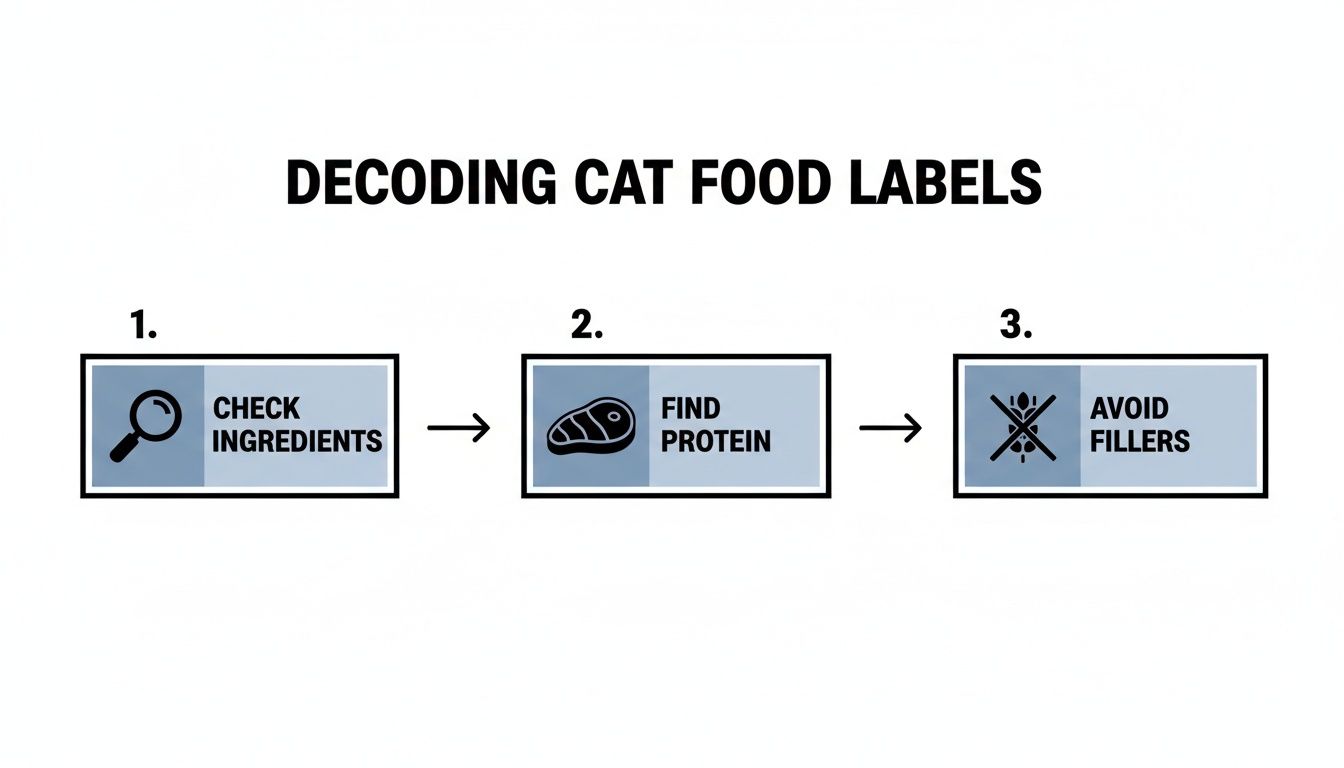
This simple guide reinforces the most important rule: always check the ingredients to make sure a named, high-quality meat source is right at the top of the list.
The Real-World Benefits of a High-Protein Diet

Knowing how to read labels and understand protein percentages is one thing, but seeing the real-world results in your own cat is where the magic happens. Making the switch to a high-quality, high-protein diet isn't just about chasing numbers on a bag; it's about unlocking a new level of health and vitality you can actually see. The benefits are tangible, affecting everything from their physique to their energy for play.
When a cat gets the right kind of fuel, their whole system just runs better. Think of it like putting premium fuel in a high-performance engine—suddenly, they have more power, better efficiency, and greater resilience. These aren't just abstract ideas; they're the changes you’ll notice every single day.
Strong Lean Muscles and Healthy Weight Management
One of the first things you'll notice is the change in your cat's body composition. Protein provides the essential amino acids needed to build and maintain lean muscle, which is absolutely critical for their agility, strength, and overall metabolism. This is a big deal, especially for indoor cats who can easily lose muscle tone without the right diet.
A diet rich in animal protein also helps your cat feel full and satisfied, which is a game-changer for weight management. It naturally helps regulate their appetite and prevents them from overeating. With nearly 60% of cats in the US now considered overweight, lean protein is one of our best tools against obesity and the serious health problems it causes, like joint stress and diabetes. The right protein cat food helps them stay sleek and active, just like they were meant to be.
The Hydration Power of High-Protein Wet Food
Here’s a benefit that’s often overlooked: high-protein wet food tackles two crucial needs at once—nutrition and hydration. Cats are notoriously poor drinkers, a trait they inherited from their desert ancestors who got most of their water from their prey. A diet of only dry kibble can leave them in a state of chronic, low-level dehydration.
That’s a serious problem. Poor hydration is a leading cause of urinary tract issues, including painful crystals and kidney disease, which is estimated to affect a staggering 1 in 3 cats.
High-protein wet foods masterfully mimic a cat's natural diet. They deliver the bioavailable animal protein their muscles crave while providing the essential moisture their urinary system needs to stay healthy and flushed.
This two-for-one benefit is why protein-rich wet cat foods now make up over 70% of consumer spending in the premium cat food market. Cat owners are catching on that providing hydration through food is one of the most powerful preventative health measures they can take. You can dig deeper into these consumer trends and their impact on feline wellness through various industry analyses.
Enhanced Energy Levels and Immune Support
Ever wonder where those sudden bursts of energy come from? A high-protein diet could be the secret. Cats are uniquely built to use protein as their primary energy source. When their food aligns with their carnivorous biology, they get a steady, reliable source of fuel for everything from chasing a laser pointer to those classic midnight "zoomies."
But it goes beyond just energy. Protein is the foundation of a strong immune system. The antibodies and enzymes that hunt down and destroy viruses and bacteria are all made from protein. A diet packed with high-quality, animal-based protein gives their body the building blocks it needs to mount a strong defense against illness, helping them stay healthier, longer.
Safely Transitioning to a New High-Protein Food
Ready to make the change? The key to success is a slow, steady transition to avoid any digestive upset. A sudden food swap can be a shock to their system, so it’s always best to introduce the new food gradually over a period of 7 to 10 days.
Here’s a simple schedule that works wonders for a smooth switch:
- Days 1-3: Mix 25% new food with 75% of their old food.
- Days 4-6: Move to a 50/50 mix of new and old food.
- Days 7-9: Increase the mix to 75% new food and just 25% old food.
- Day 10: You’re there! Time to feed 100% new food.
This gradual approach gives your cat's digestive system plenty of time to adapt, making the change a positive experience for both of you. By putting their biological needs first with a diet like Joyfull’s, you’re not just filling their bowl—you’re investing in a longer, healthier, and happier life together.
Got Questions About Protein in Your Cat's Food? Let's Talk.
It's completely normal to have questions when you start digging into the details of cat food. The more you learn, the more you want to be sure you're getting it right. We get it.
Here are some of the most common questions we hear from cat parents, answered simply and clearly to help you feel confident about what you’re putting in your cat’s bowl.
Can a Cat Really Eat Too Much Protein?
For a healthy cat, the short answer is no. It’s almost impossible to overdo it with protein. Cats are incredible little carnivores, and their bodies are built to run on the amino acids from protein. If they take in more than they need for energy or maintaining their muscles, their system simply converts it and stores it for later.
The only time this becomes a real concern is for cats with pre-existing kidney disease. In those specific cases, a vet will likely prescribe a therapeutic diet with lower protein to ease the strain on the kidneys. But for the vast majority of healthy cats, from playful kittens to seasoned seniors, a high-protein diet is exactly what their biology craves.
Does "Grain-Free" Automatically Mean "High-Protein"?
This is a huge misconception, and it’s an important one to clear up. A "grain-free" label doesn't automatically mean a food is packed with the high-quality animal protein your cat needs. Many brands just swap out grains for other starchy fillers that aren't much better.
Instead of corn or wheat, you might see:
- Potatoes or Sweet Potatoes: These are just carbs, offering very little of what a true carnivore needs to thrive.
- Peas or Lentils: Sure, they contain protein, but it’s plant protein. It's not as easily used by your cat's body and doesn't have the complete set of amino acids they get from meat.
A "grain-free" sticker on the front of the bag doesn't tell the whole story. The ingredient list is where the truth lies. A food can be free of grains but still be low on the animal protein that actually matters.
How Can I Tell if My Cat’s Food Has Enough Good-Quality Protein?
You don't need a degree in animal nutrition to figure this out. Just do this quick three-step check on your cat's food bag.
First, scan the ingredient list. You want to see a specific, named meat—like "Deboned Chicken" or "Salmon"—as the very first ingredient. Vague terms like "meat by-products" are a red flag.
Next, glance at the guaranteed analysis. For a healthy adult cat, you should be looking for a protein percentage of at least 30% (on a dry matter basis).
Finally, look at your cat. Are they energetic and playful? Is their coat shiny and soft? Do they have a lean, muscular build? A healthy, vibrant cat is the best sign that their diet is hitting all the right notes.
At JoyFull, we believe you shouldn't need a magnifying glass to find the good stuff. Our recipes lead with clean, high-quality proteins, giving your cat the nutrition nature intended. See what we mean at https://joyfullpet.com.
0 comments