Omega 3 for Dogs Benefits: Skin, Joints & Brain Health
You may be here because your dog's coat looks a little dull lately. Or maybe they're slower getting up from bed, scratching more than usual, or seeming less sharp than they used to. Those changes can feel vague at first. You notice them, then wonder if you're overthinking it.
You're probably not.
One reason these signs show up across skin, joints, and behavior is that omega-3 fats work at the cell level, not in just one body part. When a dog gets the right kind of omega-3s, those fats become part of cell membranes throughout the body. That can influence inflammation, skin barrier function, mobility, and even brain health.
For pet parents, that's where things often get confusing. “Omega-3” sounds simple, but the useful questions are more specific. Which type matters? How does it work? Can food alone do the job? And how do you choose something clean, science-backed, and practical enough to use every day?
Table of Contents
- Understanding Omega-3s EPA DHA and ALA
- The Proven Health Benefits of Omega-3s
- Dietary Sources Versus Supplement Options
- How to Choose a High-Quality Omega-3 Supplement
- Safe and Effective Omega-3 Dosage Guidelines
- Your Omega-3 Action Plan for a Healthier Dog
Understanding Omega-3s EPA DHA and ALA
A lot of owners hear “omega-3” and think it's one ingredient. It isn't. It's a family of fats, and the three names you'll see most often are ALA, EPA, and DHA.
Why the type matters
The simplest way to understand the difference is to think of building materials.
ALA is like raw lumber. It has potential, but it still needs processing before it becomes something useful for the job. EPA and DHA are the finished parts already shaped and ready to install where the body needs them.
That distinction matters because dogs don't efficiently convert plant-based ALA into the active forms they need for inflammatory conditions like osteoarthritis. Research summarized in a review from the OVC study discussion on canine omega-3 status notes that dogs require direct EPA and DHA intake rather than relying on ALA conversion.
So if you've seen flax, chia, or similar ingredients on a label and assumed that covers omega-3 needs, that's where many people get tripped up. Those ingredients may sound healthy, but for a dog needing real support for skin comfort, joint health, or aging, marine-derived EPA and DHA are the forms to focus on.
Practical rule: If you're choosing an omega-3 product for a dog, look past “total omega-3s” and ask one question first. How much EPA and DHA does it actually provide?
Another helpful way to think about omega-3s is to picture the outer layer of a cell as a flexible wall. The fats in that wall influence how the cell behaves. EPA and DHA become part of those walls, which helps explain why one nutrient can affect such different things as itchiness, mobility, and cognition.
If your dog also struggles with coat quality, it helps to understand how fats support the skin barrier. Joyfull has a useful article on nutrients that support dog coat and skin health.
Omega-3 Types At a Glance
| Fatty Acid | Common Name | Primary Source | Key Function for Dogs |
|---|---|---|---|
| ALA | Alpha-linolenic acid | Plant sources such as flax and chia | Limited practical value because dogs don't convert it efficiently into EPA and DHA |
| EPA | Eicosapentaenoic acid | Marine sources such as fish and algae | Helps regulate inflammatory pathways |
| DHA | Docosahexaenoic acid | Marine sources such as fish and algae | Supports brain, nerve, and eye tissues |
People often ask which one is “best.” In practice, it's usually not EPA versus DHA. Dogs benefit from both, and the balance depends on what you're trying to support. EPA often gets attention for inflammation and joint comfort. DHA is especially important for the brain and nervous system.
That's the foundation behind the phrase omega 3 for dogs benefits. The benefits aren't magic. They come from using the right forms, in the right amounts, so those fats can do useful work inside the body.
The Proven Health Benefits of Omega-3s
A common scene in practice goes like this. A dog starts scratching more, seems slower to rise, or looks a little less sharp than a year ago. Owners often assume these are separate problems. Omega-3s matter because they work at a deeper level that can influence all three.

EPA and DHA become part of cell membranes throughout the body. Those membranes work like control panels. They help determine which chemical messages get sent, how strongly tissues react, and how well barriers such as skin and nerve tissue hold up over time. That is why one nutrient can affect itch, mobility, heart function, and cognitive aging.
Skin and coat health
Skin problems are often the first place owners notice change. The outer skin barrier needs the right fats to hold moisture and stay less reactive to everyday triggers such as allergens, grooming products, and dry air.
In dogs with allergic skin disease, omega-3s are often used to reduce inflammatory signaling that drives scratching and chewing. A practical way to read that is simple. These fats do not just make fur look glossy. They can help the skin behave more like a calm, intact shield instead of an irritated, leaky surface.
The coat may shine first. The bigger win is often a dog that seems less uncomfortable in its own skin.
If you want a practical food-first explanation of Omega-3s for dog wellness, salmon oil is one common option owners explore because it makes regular EPA and DHA intake easier than guessing from whole foods alone.
Joint support and mobility
Joint support makes more sense once you picture what happens inside an arthritic joint. The problem is not only worn cartilage. The surrounding tissues also produce inflammatory compounds that increase pain, stiffness, and hesitation to move.
EPA helps change some of those chemical signals. It does that by taking up space in cell membranes that might otherwise be occupied by omega-6 fats, which are more likely to feed pro-inflammatory pathways. The result is not a cure for arthritis. It is a shift in the joint environment that may support comfort and daily function.
Research from the University of Calgary describes omega-3s as a useful part of multimodal care for canine osteoarthritis and notes commonly used therapeutic ranges for EPA and DHA in dogs with joint disease in this canine osteoarthritis omega-3 review. Multimodal care means omega-3s work best alongside other basics such as weight control, exercise planning, rehab, and medication when needed.
Here's a quick visual explainer before we keep going.
Cardiovascular wellness
The heart also depends on healthy cell membranes. In that setting, omega-3s may help support steadier electrical activity and healthier handling of blood fats in dogs with specific medical needs.
That point can feel abstract, so it helps to make it concrete. A skin benefit is easy to see. A heart benefit is quieter. The mechanism is similar in both cases. EPA and DHA are changing how cells function from the membrane outward, not acting like a stimulant that gives a temporary boost.
This is one reason veterinarians often view omega-3s as whole-body support rather than a single-purpose skin supplement.
Brain development and cognitive function
DHA is especially concentrated in the brain and eyes. Puppies need it while the nervous system is developing, and older dogs may benefit from it as the brain ages.
Here the cell-membrane idea matters again. Brain cells need flexible, stable membranes to pass signals efficiently. If you compare the brain to a communication network, DHA helps keep the wiring responsive. Owners may not see a dramatic overnight change, but support in this area can show up as better engagement, smoother routine recognition, or less restlessness in senior dogs.
Better cognition often looks subtle. A dog may settle more easily, pace less, or seem more connected to familiar routines.
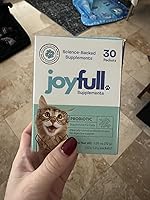
As a side note on product standards across pet wellness categories, some owners look for the same manufacturing discipline whether they are choosing omega-3s for a dog or digestive support for a cat. For example, Probiotic Supplement for Cats - 30 Single-Serving Packets is priced at $30, listed as in_stock, and described as made with real beef bone broth, veterinarian-formulated with clinically-tested probiotic strains, and third-party tested for potency and purity.
Systemic inflammation control
This is the broadest benefit and the easiest to miss because you cannot watch it happen. Omega-3s help influence inflammatory signaling across many tissues at once. That helps explain why the same nutrient can show up in discussions about skin disease, osteoarthritis, kidney support, heart health, and cognitive aging.
The practical question for owners is not only, “Did I add fish oil?” It is, “Did enough EPA and DHA get into my dog's tissues to matter?” That is where the Omega-3 Index becomes useful. It is a tissue-level measure, not just a record of what went into the bowl. OmegaQuant explains that concept and describes how an Omega-3 Index in dogs can help connect supplementation with what is found in the body.
A simple comparison helps here. Giving omega-3s is like delivering building materials to a house. The Omega-3 Index asks whether those materials were used in the walls. That bridge between science and practice matters because it helps owners judge supplements by results in the body, not just promises on the label.
Dietary Sources Versus Supplement Options
Your dog scratches more in spring, moves a little slower after long walks, or sheds dull fur that never seems to shine. You add salmon one week, sardines the next, then wonder whether any of it is doing enough to matter.
That question gets to the heart of omega-3 decisions. Dogs do not benefit from omega-3s because a fish appeared in the bowl once in a while. They benefit when enough EPA and DHA show up often enough to become part of the body's working materials, much like regularly replacing worn parts in an engine instead of tossing a single spare part into the trunk.
Whole foods can help
Fatty fish can supply marine omega-3s, and many dogs enjoy them. For general nutrition, that can be a sensible place to start.
The challenge is dose control. A salmon portion at dinner may contain a useful amount of EPA and DHA, or not much at all, depending on the type of fish, serving size, preparation, and how often you feed it. Owners rarely have a clear way to measure that. Practical concerns also come up fast. Some dogs dislike fish, some families do not want to prepare it often, and some owners prefer options with tighter purity screening.
If you want a food-first perspective on Omega-3s for dog wellness, salmon oil is one common route owners explore because it is easier to portion than serving fish itself.

When supplements make more sense
Supplements solve a different problem. They are less about adding variety to the diet and more about delivering the same target nutrients in a repeatable amount each day.
That matters because omega-3 support works more like filling a reservoir than flipping a switch. Small, irregular amounts from food may help overall nutrition, but a supplement is often easier when your goal is steady tissue support over time. Owners managing itchy skin, stiff joints, or age-related cognitive changes usually want fewer variables, not more.
A simple comparison helps:
| Option | Main advantage | Main limitation |
|---|---|---|
| Whole fish in meals | Familiar food source | Harder to dose consistently |
| Fish oil supplement | Direct EPA and DHA | Quality and purity vary |
| Algal omega-3 supplement | Fish-free marine source | Product quality still needs verification |
A useful rule is simple. Choose food when you want to add omega-3-rich ingredients to an already solid diet. Choose a supplement when you want cleaner sourcing, clearer EPA and DHA amounts, and a routine you can repeat without guessing.
As noted earlier, transparent formulation matters across pet wellness products, whether you are buying for dogs or cats. The same label-reading habits apply. Look for clear active ingredients, third-party testing, and packaging that protects freshness.
How to Choose a High-Quality Omega-3 Supplement
You pick up two omega-3 products at the pet store. Both say “supports skin, joints, and heart.” Both show a happy dog on the label. Yet one may deliver predictable EPA and DHA in a clean, stable form, while the other is mostly marketing wrapped around a vague oil blend.
That is why label reading matters here. Choosing an omega-3 supplement is less like buying a treat and more like choosing a measuring tool. If the label is unclear, the daily routine becomes guesswork.
Comparing the main source options

A good starting point is the source. Fish oil, krill oil, and marine algal oil can all provide omega-3s, but they are not interchangeable in practice. The key question is simple. Which one gives your dog usable EPA and DHA, with clear dosing, good purity controls, and enough stability to stay fresh through the bottle's full use period?
Fish oil is the option owners know best. It can work well, especially when the manufacturer clearly lists EPA and DHA and tests for contaminants. But fish oil quality varies a lot from one product to the next, so “contains fish oil” does not tell you enough.
Krill oil often gets attention for its phospholipid structure and palatability. For a pet owner, the practical questions stay the same. How much EPA and DHA are present in each serving? Is there proof of purity? Will the oil remain stable after opening?
Marine algal oil has become a stronger contender for dogs than many owners realize. Recent data from 2025 reported that dogs given algal supplements reached higher serum DHA levels than dogs given equivalent doses of fish oil, and the same report describes marine microalgae as a direct source of EPA and DHA without some of the sourcing concerns linked to marine pollutants in certain fish-based oils, according to a report on marine algae as an omega-3 source for dogs.
The helpful takeaway is not that one source wins in every case. It is that the source tells you where to ask better questions.
A practical quality checklist
A strong omega-3 supplement does four jobs well. It identifies the active fats, protects them from damage, verifies what is in the bottle, and fits into real life with your dog.
Use this checklist when you compare products:
- EPA and DHA are listed clearly: These are the omega-3s owners usually want for dogs. A label that says only “omega-3 blend” is like a dog food label that lists “protein” but never tells you the ingredients.
- The amount is given per serving: You need a usable number, not just the total amount of oil in a capsule, chew, pump, or teaspoon.
- Third-party testing is available: Independent testing helps confirm purity and label accuracy.
- Packaging protects freshness: Omega-3 oils are delicate. Light, heat, and air can damage them over time, which is why dark bottles, sealed capsules, or other freshness-minded packaging matter.
- The format fits your routine: Liquids, capsules, and soft chews each have tradeoffs. The best option is the one you can give accurately and consistently.
One educational resource that may help owners compare formulas is Joyfull's essential guide for dog owners.
One more point often gets missed. A supplement can look impressive on the front label and still be hard to use correctly. If your dog hates the taste, if the pump delivers inconsistent amounts, or if the serving size is confusing, consistency suffers. Since omega-3s work by building steady levels in the body over time, a clear and repeatable product usually beats a flashy one.
Clean sourcing matters too. For many owners, that means fewer vague claims, more transparency about ingredients and testing, and a label that explains the product instead of asking for blind trust. That is a sound standard for any pet wellness decision.
Safe and Effective Omega-3 Dosage Guidelines
A common real-life problem looks like this. A dog parent buys a fish oil, sees “1000 mg” on the front, and assumes that number tells them the dose. It does not. That number often refers to the total oil in the capsule or pump, not the parts that do the work.

What the research-based range means
The useful number is the combined amount of EPA and DHA. Those are the marine omega-3s that become part of cell membranes and help shift the body toward a calmer inflammatory response. Total oil is just the container. EPA and DHA are the active ingredients inside.
That distinction matters because two products can look similar on the shelf and deliver very different amounts of EPA and DHA per pump, capsule, chew, or teaspoon. A label that lists only “fish oil” without breaking out the active fatty acids leaves too much guesswork.
As noted earlier in this article, researchers have used measurable blood markers such as the Omega-3 Index to connect omega-3 status with health outcomes in dogs. For daily use at home, though, the practical lesson is simpler. Choose a product with clearly listed EPA and DHA amounts, then dose from those numbers rather than from the size of the scoop or the volume of oil.
Another point often causes confusion. A wellness dose is not always the same as a therapeutic dose. A dog getting basic nutritional support may need a different amount than a dog with osteoarthritis, kidney concerns, or chronic skin inflammation. Veterinarians adjust for the medical goal, the dog's weight, the rest of the diet, and any other conditions in the picture.
How to use dosage safely
A safe approach works like measuring medicine for a child. You match the amount to the body, then confirm what is in each serving.
Use this checklist:
- Start with your dog's current weight: Omega-3 dosing is tied to body size, so an old estimate can throw off the plan.
- Find the EPA and DHA on the label: Use the combined active amount, not the total fish oil amount on the front of the package.
- Match the dose to the reason for using it: Coat support, joint care, cognitive aging, and medical conditions are not always handled the same way.
- Introduce it gradually if needed: Some dogs do better when the full amount is worked up over several days.
- Watch for tolerance issues: Loose stool, vomiting, reduced appetite, or greasy stools can mean the amount, product, or pace is not a good fit.
Small details matter here.
If your dog eats a diet already rich in fish, the supplement amount may need to be lower. If your dog is on several supplements, check for overlap so you do not accidentally stack multiple omega-3 products. If your dog has pancreatitis history, clotting concerns, or takes medications, your veterinarian should guide the plan before you begin.
A simple rule helps prevent mistakes. Dose by EPA and DHA, not by marketing language, pump size, or capsule count.
That method is less flashy, but it is how owners make sound, science-based decisions and give omega-3s a fair chance to help.
Your Omega-3 Action Plan for a Healthier Dog
By this point, the big idea is simple. The value of omega-3s comes from choosing the right forms, using a trustworthy source, and giving them consistently enough for the body to respond.
A useful action plan looks like this:
- Notice what your dog is showing you: Dry skin, repetitive scratching, stiffness after rest, slower movement, or age-related behavior changes can all be part of the picture.
- Review the diet: If your dog isn't getting a dependable marine source of EPA and DHA, there may be a gap between “healthy sounding” nutrition and meaningful omega-3 support.
- Bring your veterinarian into the decision: This is especially important if your dog has arthritis, kidney disease, allergies, cognitive changes, or takes other medications.
- Choose for clarity, not hype: Prioritize listed EPA and DHA amounts, quality testing, and sourcing transparency.
- Give it time: Omega-3s work by becoming part of cell membranes. That takes steady use, not a few scattered doses.
Some changes are visible, like less scratching or a softer coat. Others are quieter, like better comfort getting up or steadier engagement in daily routines. Both matter.
That's what makes informed supplementation worthwhile. You're not chasing a trend. You're making a practical decision based on how your dog's body works and what the evidence says these fats can do.
If you want a cleaner, more practical approach to pet wellness, Joyfull focuses on convenient, science-reviewed formulas with straightforward ingredient standards, so you can make decisions with more confidence and less guesswork.