8 Natural Remedies for Cat Anxiety
Your cat hears the doorbell, bolts under the bed, and stays there long after the house is quiet again. Or the stress shows up more subtly: overgrooming, tense body posture, appetite changes, or urine outside the litter box after a small routine shift. In practice, these cases are rarely random. They are signs that the cat no longer feels secure, in control, or able to predict what happens next.
Natural anxiety support works best as a toolkit, not a single fix. A diffuser may take the edge off, but it will not solve conflict over territory. A supplement may help a cat settle, but it will not replace play, sleep protection, or a consistent routine. The strongest plans combine environmental setup, behavior work, and selected calming products so each piece supports the others.
That layered approach matters because anxious cats improve at different speeds, and the right starting point depends on the pattern in front of you. A cat stressed by visitors needs a different setup than a cat struggling with a new baby, a multi-cat home, or chronic noise exposure. I tell owners to build from the ground up: reduce triggers where possible, give the cat better control of space, then add evidence-based supports that fit the problem.
If you are still trying to decide whether the behavior points to anxiety, this Personalised Mobile Vet cat anxiety guide is a useful place to start.
Table of Contents
- 1. Feline Pheromone Diffusers
- 2. L-Theanine Supplementation
- 3. Herbal Supplements
- 4. Environmental Enrichment and Territory Management
- 5. Interactive Play and Exercise Programs
- 6. Omega-3 Fatty Acid Supplementation
- 7. Massage and Gentle Touch Therapies
- 8. Adaptogenic Mushroom Supplements
- 8-Point Comparison: Natural Cat Anxiety Remedies
- Your Integrated Plan & When to Call the Vet
1. Feline Pheromone Diffusers
If I had to choose one low-effort tool for a cat who's unsettled by travel, visitors, furniture changes, or tension in a multi-cat home, pheromones would be near the top of the list. They're practical, easy to use, and widely adopted because they mimic feline calming signals and can be applied to bedding or carriers without a fight.
That doesn't make them magic. They help best when the cat's stress is mild to moderate or tied to a clear trigger, and they work better when the rest of the environment also makes sense for the cat.

How to use them well
A diffuser won't fix a house where one cat is getting cornered in the hallway or a shy cat has nowhere to hide. It creates a calmer background signal. You still need to reduce conflict and improve access to resources.
- Place it where the cat already spends time: Bedrooms, living rooms, and quiet safe zones are usually better than hallways.
- Keep airflow in mind: Don't tuck it behind furniture or near a strong vent or fan.
- Use it before stress peaks: Plug it in ahead of moving day, visitors, renovations, or introductions if you can.
- Pair it with carrier prep: Sprays on bedding or in the carrier can help for transport and vet trips.
Practical rule: Pheromones are support, not structure. If the home setup is stressful, the diffuser can only do so much.
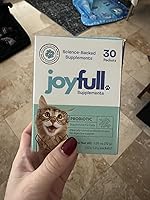
For cats whose stress also shows up as digestive upset, stool changes, or stress-related appetite shifts, some owners also look at gut support as part of the broader plan. One example is Probiotic Supplement for Cats - 30 Single-Serving Packets, which is made with real beef bone broth, veterinarian-formulated with clinically-tested probiotic strains, and third-party tested for potency and purity. I wouldn't use a probiotic instead of environmental work or pheromones, but it can fit into a whole-cat plan when gut stability is part of the picture.
2. L-Theanine Supplementation
A common case looks like this. The cat is watchful, restless, and quick to startle, but not completely shut down. He still eats, still uses the litter box, and still wants some interaction. He just stays keyed up. That is often where L-theanine fits best.
In practice, L-theanine works best as one layer in a broader calming toolkit. It can lower arousal enough for the cat to cope better with visitors, travel, routine changes, or handling, while pheromones, territory setup, and behavior work address the reason the cat is struggling in the first place. Used that way, it is often more useful than owners expect. Used by itself, it can fall short.
I reach for it most often for situational stress and for cats who need relief without obvious grogginess. That includes the cat who vocalizes in the carrier, patrols the house before guests arrive, or stays tense for hours after a disruption. It is usually a weaker choice for severe, daily anxiety, especially if the cat is hiding for long stretches, overgrooming to the point of skin damage, or living in ongoing conflict with another pet.
Many veterinary calming products combine L-theanine with ingredients such as thiamine, hydrolyzed milk protein, or L-tryptophan. That can be helpful, but it also makes troubleshooting harder if the cat has digestive upset or no response. Start with one feline-specific product, follow the label, and give it enough time to judge the effect. Changing three supplements at once is how owners lose track of what is helping.
A practical plan is to pair L-theanine with the environmental pieces already in place and keep notes for a week or two. Look for smaller signs first. Easier settling after a trigger, less pacing, fewer stress vocalizations, smoother recovery after a disturbance. Those are meaningful wins.
If you want more gentle home remedies to support your cat, keep them in the same framework. Add one tool, watch the response, and build a plan your cat can tolerate.
L-theanine is usually not a knockout solution. It is a useful support for cats who are too wound up to settle, but still engaged enough to benefit from the rest of the plan.
If you are curious about the tea connection, how to select Uji matcha explains where L-theanine naturally comes from in green tea. Do not give tea to cats. The value here is understanding why this amino acid appears so often in calming formulas.
3. Herbal Supplements
At 2 a.m., an owner is often standing in the kitchen reading a label that says chamomile, valerian, or passionflower and hoping one bottle will settle a cat who has been hiding, pacing, or crying for hours. I understand the appeal. Herbal products feel gentler than medication, and some cats do benefit from them. The catch is that herbs work best as one layer in a plan, not as the whole plan.
In practice, herbal supplements are most useful for mild anxiety, predictable short-term stress, or cats who need a little help settling while you improve the rest of the setup. A storm-sensitive cat, a cat upset by visitors, or a cat stressed by a temporary schedule change may respond. A cat living with daily social conflict, untreated pain, or severe panic usually needs more than an herb.
That distinction matters because owners lose time when they keep switching products instead of matching the tool to the problem. I see better results when herbs are added to a toolkit that already includes good environmental control, a clear routine, and targeted behavior work.
Where herbal products fit
The herbs most often found in feline calming products are chamomile, valerian root, passionflower, lemon balm, and skullcap. Each has a different reputation, but the practical limitations are the same. Response is variable, dosing is not always straightforward, and product quality can differ a lot between brands. That is why I recommend feline-specific products and a quick check-in with your veterinarian before starting one, especially if your cat has a medical condition or takes other medication.
A few practical notes:
- Chamomile: Usually a mild option. Better for taking the edge off than for major anxiety.
- Valerian: Some cats settle with it. Others show little change, and a few become more stimulated instead of calmer.
- Passionflower: Common in multi-ingredient calming formulas for general nervous tension.
- Lemon balm and skullcap: Often used in blends, but they are still support tools, not stand-alone fixes.
- Pet-specific formulas: Safer than using human teas, tinctures, essential oils, or loose herbal products from the pantry.
History and tradition are part of why these ingredients keep showing up in calming products for pets. That does not tell you how your individual cat will respond. A label with familiar herbs is still a trial, and it needs to be treated like one.
How to use herbs without making the plan messy
Start one product at a time. Give it a fair trial. Watch for specific changes such as easier recovery after a noise, less restlessness in the evening, or less hiding when guests visit. If you add herbs on the same week you change food, move furniture, and start a new diffuser, you will not know what helped and what did not.
This is also the point where owners sometimes overlook the home setup. If the cat has nowhere safe to perch, hide, or avoid conflict, the supplement has very little room to work. These tips for stimulating a home for cats can help you support the supplement with better daily stress control.
For owners looking beyond supplements alone, this guide on gentle home remedies to support your cat can help frame herbs as one piece of a larger support plan.
Herbal supplements can be useful for the right cat and the right trigger. They work best when they support a layered plan instead of carrying the whole job alone.
4. Environmental Enrichment and Territory Management
This is the foundation. If you skip it, every other natural remedy for cat anxiety works worse.
Cats calm down when their world becomes more predictable and more controllable. Current behavior guidance keeps circling back to the same basics for a reason: safe hiding spots, vertical space, quiet retreats, predictable routine, and reduced forced interaction. Those changes don't just “spoil” a cat. They directly reduce stress by giving the cat better options.
What anxious cats usually need from the home
A nervous cat doesn't need more attention from humans as much as they need better control over distance, escape, and access. In real homes, anxiety often improves when owners stop thinking about square footage and start thinking about usable territory.
A small apartment can feel safe if the cat has shelves, a covered bed in a quiet room, a perch near a window, and resource stations that aren't blocked by children, dogs, or other cats. A large house can feel threatening if every route funnels the cat into conflict.
To see one practical example of how environmental setup can change a cat's day-to-day stress, this video is worth watching:
Changes that usually pull the most weight
- Add vertical territory: Cat trees, shelves, and window perches increase choice and distance.
- Create true hiding areas: Covered beds and quiet rooms work better than forcing the cat to stay social.
- Separate key resources: Food, water, scratching areas, and litter boxes shouldn't all be in one traffic-heavy corner.
- Protect routine: Feed, clean boxes, and schedule play at roughly the same times each day.
Current pet behavior guidance also points out a major content gap here. Many owners buy calming products before ruling out whether the issue is environmental or medical, even though environmental strategies are among the most evidence-backed non-drug approaches for feline stress (Petwell guidance on calming an anxious cat with environment-first changes).
If you need ideas for keeping the setup fresh without overstimulating your cat, these tips for stimulating a home for cats are a good companion to territory work.
5. Interactive Play and Exercise Programs
A lot of anxious cats aren't under-exercised in the dog sense. They're under-engaged in the cat sense. They don't get enough chances to stalk, chase, grab, and finish a sequence that feels natural to them. That unfinished energy can spill out as vocalizing, redirected swatting, pacing, nighttime chaos, or tension with other cats.
Play helps because it gives the cat a job. It turns nervous energy into purposeful movement.

How to make play reduce anxiety
Randomly tossing toys on the floor usually doesn't cut it. Most anxious cats do better with short, predictable, owner-led sessions that mimic prey movement. Wand toys, feather teasers, and ground-skittering toys tend to get the best engagement because they trigger hunting behavior instead of passive batting.
The key is timing and pattern. Use play before common stress points if possible. For example, play before dinner, before guests arrive, or before the household gets busy in the evening.
- Keep sessions short: A few focused minutes is better than a long session that tips into frustration.
- Let the cat “win”: Frustrated hunting games can make some cats more aroused, not calmer.
- End with food or a small reward: That completion step matters for many cats.
- Respect body language: Tail lashing, skin twitching, pinned ears, or sudden freezing means back off.
A tense cat often doesn't need louder enrichment. They need a cleaner, more satisfying hunt sequence.
In multi-cat homes, separate play sessions can also reduce competition. One confident cat can monopolize shared play while the anxious cat watches from a distance and gets more wound up. That's not enrichment. That's front-row seating for frustration.
6. Omega-3 Fatty Acid Supplementation
Omega-3s get brought into almost every wellness conversation, and sometimes that leads owners to expect too much from them. They're not a fast-acting calming aid. They won't stop a carrier meltdown in the next hour. What they can do is support overall brain and body health in a way that may complement a broader anxiety plan.
That makes them more of a background support than a front-line situational remedy.
When omega-3s make sense
I think about omega-3s most often in cats with layered problems. Maybe the cat is older, less resilient with change, mildly inflamed, coat quality is slipping, or stress seems tied to overall health status rather than one obvious trigger. In those cases, nutritional support may be worth discussing with your veterinarian.
The commercial side of calming products reflects that broader nutrition trend too. Natural cat-anxiety remedies are now part of a large pet wellness market, with a 2024 report estimating the global pet calming products market at USD 17.24 billion and projecting herbal ingredients to grow at a 6.7% CAGR from 2025 to 2030 (Market Intelo report on cat calming spray and broader calming product growth). Market size doesn't prove effectiveness, but it does show how mainstream these products have become.
Practical limitations
Omega-3 products vary a lot in smell, acceptance, and handling. Some cats love them mixed into wet food. Others take one sniff and boycott dinner. Oxidation is another issue. Once a fish oil product smells stale, many cats will reject it, and they're usually right to do so.
- Use pet-specific products: Cat dosing and flavor acceptance matter.
- Start small: A full serving on day one can backfire if the cat hates it.
- Store carefully: Follow label directions so the product stays fresh.
- Think long-term: This is support for baseline health, not an instant calming switch.
7. Massage and Gentle Touch Therapies
Massage is one of the most misunderstood calming tools for cats because people think “my cat likes petting” and “massage helps anxiety” are the same thing. They're not. Many anxious cats enjoy contact on their own terms, but they get more stressed when humans turn that contact into restraint, overhandling, or a prolonged cuddle session.
The best touch work is subtle. It's quiet, brief, and led by the cat.
What calming touch actually looks like
A useful touch session might be a few slow strokes along the cheeks, under the chin, or from the forehead over the shoulders while the cat is already settled. It shouldn't look like pinning the cat in your lap because you've decided tonight is spa night.
The reason this helps some cats is simple. Gentle, predictable handling can lower physical tension and reinforce safety, especially when paired with routine. It also gives you a way to support the cat during low-level stress before they escalate into full avoidance or irritability.

Rules that matter more than technique
- Begin where the cat already enjoys contact: Usually cheeks, head, chin, or upper back.
- Keep pressure light and pace slow: Quick repetitive petting can increase arousal.
- Stop before the cat asks you to stop: Don't wait for the tail whip.
- Avoid known trigger zones: Belly, hips, and lower back can be touchy even in friendly cats.
If a cat walks away, the session worked best when you let it end there.
This is also where owners need to be honest. Touch therapy isn't for every cat. It can help the cat who seeks gentle social contact and relaxes into it. It can make things worse for the cat whose anxiety comes out as defensive handling intolerance.
8. Adaptogenic Mushroom Supplements
Mushroom supplements have become more common in pet wellness conversations, especially reishi and lion's mane. I'd place them firmly in the “adjunct with potential” category, not the “start here first” category for most anxious cats.
Why? Because they're usually chosen for long-game support. Owners hoping for a same-day calming effect are often disappointed.
Where they may fit
These products make the most sense when a cat seems chronically stress-sensitive and you're already covering the basics. The home is set up well. Play is consistent. Medical issues have been considered. You're not looking for sedation. You're looking for steadier resilience over time.
That can be reasonable, but caution matters. Mainstream veterinary-style guidance still emphasizes that supplements like valerian, chamomile, lemon balm, passionflower, skullcap, catnip, and CBD should be used carefully, and that feline products should be pet-formulated and appropriately dosed. It also points to an important gap in owner education: most articles don't clearly explain which remedies are safer for kittens, seniors, pregnant cats, or cats already on medication (Topaz Veterinary guide to natural cat anxiety relief and safety considerations).
The trade-off with niche supplements
With mushroom blends, formulation quality matters a lot, and product labels can be hard for owners to interpret. Some cats also refuse powders mixed into food. If a product turns every meal into a battle, it's not helping the anxiety picture.
- Choose pet-formulated products: Don't improvise with trendy human wellness powders.
- Add one variable at a time: Otherwise you won't know what helped.
- Use them only after foundations are in place: Mushrooms are not a substitute for territory, routine, and behavior support.
- Ask your vet before combining products: Especially if your cat has chronic disease or takes medication.
8-Point Comparison: Natural Cat Anxiety Remedies
| Item | 🔄 Implementation Complexity | ⚡ Resource & Maintenance | ⚡ Onset Speed | 📊 Expected Outcomes | 💡 Ideal Use Cases | ⭐ Key Advantages |
|---|---|---|---|---|---|---|
| Feline Pheromone Diffusers (Feliway) | Low, plug‑in, minimal setup | Moderate, device + monthly refills | Fast (15 min–hrs); full effect ~1–2 weeks | Reliable reduction in stress behaviors; clinically validated | Vet visits, multi‑cat introductions, shelters, preventive use | Non‑invasive, well‑researched, safe |
| L‑Theanine Supplementation | Low, oral dosing, easy admin | Low–Moderate, daily pills/treats; choose tested brands | Acute 30–60 min; cumulative benefits 2–3 weeks | Subtle calm without sedation; supportive for mild anxiety | Travel, mild anxiety, adjunct to other strategies | Safe long‑term; no sedation or major interactions |
| Herbal Supplements (Valerian/Chamomile/Passionflower) | Moderate, formulation and dosing choices | Low, affordable but daily use; quality varies | Slow (1–2 weeks) | Variable calming; best when combined; evidence mixed in cats | Holistic approaches, mild–moderate anxiety, owners preferring herbs | Multiple mechanisms, historically used, generally affordable |
| Environmental Enrichment & Territory Management | Moderate–High, planning, space adaptations | Moderate, upfront cost/time; low ongoing costs | Slow (weeks–months) for behavioral change | Substantial long‑term reduction in baseline anxiety | Foundational for all cats, multi‑cat homes, chronic stress | Addresses root causes; lasting benefits; no side effects |
| Interactive Play & Exercise Programs | Low–Moderate, routine and technique required | Low, minimal equipment; significant daily time | Immediate calming during/after play; lasting with consistency | Reduces destructive behaviors; improves mental & physical health | High‑energy/anxious cats; behavior modification; bond building | Immediate effects; strengthens human‑cat bond; low cost |
| Omega‑3 Fatty Acid Supplementation | Low, oral dosing, add to food | Moderate, ongoing cost; quality matters | Slow (4–6 weeks) | Gradual anxiety reduction plus anti‑inflammatory and cognitive benefits | Senior cats, chronic anxiety, inflammatory conditions | Multi‑system support; improves brain and coat health |
| Massage & Gentle Touch Therapies | Low–Moderate, learn technique; regular sessions | Low, time commitment; little to no equipment | Immediate but short‑lived; best with daily routine | Immediate relaxation; aids health monitoring; temporary relief | Cats comfortable with touch; acute soothing and bonding | Immediate calming, strengthens bond, no equipment |
| Adaptogenic Mushroom Supplements (Reishi, Lion's Mane) | Moderate, product selection and dosing | Moderate–High, daily use; premium products often pricier | Slow (2–4 weeks) | Gradual resilience to stress; neuroprotective and immune support | Long‑term resilience, senior or cognitively vulnerable cats | Supports stress adaptation and cognition; non‑sedating |
Your Integrated Plan & When to Call the Vet
The biggest mistake I see with natural remedies for cat anxiety is overcommitting to the wrong layer. Owners often start with a supplement because it feels concrete. Buy the product, give the product, expect the change. But many anxious cats improve more when you first change the environment that keeps triggering them.
Start there. Give your cat a protected hiding spot, more vertical territory, easier access to resources, and a routine they can predict. Those changes are low risk and often high value. Behavior resources consistently note that cats are highly routine-oriented and that quiet retreats and high spaces can reduce anxiety by increasing control and security.
Then add the second layer based on the trigger pattern. If the stress is situational, such as travel, visitors, or temporary disruption, pheromone support or a carefully chosen calming supplement may make sense. If the cat is restless and under-stimulated, structured play often helps more than another chew or powder. If there's a gut component, appetite changes, or stress-related digestive instability, it may be worth discussing microbiome support with your veterinarian.
The third layer is observation. Watch for what changes. Is your cat coming out sooner after a trigger? Grooming less obsessively? Sleeping in the open again? Using the litter box normally? Real progress in cats often looks quiet. It isn't always dramatic.
It's also important to stay realistic. Veterinary guidance is clear that no diet or supplement alone can completely eliminate stress in cats, and natural remedies tend to work best for mild to moderate anxiety or short-lived stressors. Severe or chronic anxiety often needs more than natural support. If your cat is aggressive, losing weight, urinating outside the box without explanation, vocalizing excessively, self-traumatizing from grooming, or staying withdrawn despite your changes, it's time for a veterinary exam.
That exam matters because “anxiety” can overlap with pain, urinary disease, hyperthyroidism, litter box aversion, and other medical or environmental problems that calming products won't fix. Many owners lose time at this stage. They keep trying natural remedies when the cat is sick, uncomfortable, or locked in conflict with another animal in the home.
An integrated plan can include environmental management, play, touch, pheromones, and targeted supplements. For some cats, it may also include nutritional support aimed at digestive balance. If that's relevant to your cat, Joyfull's veterinarian-formulated Probiotic Supplement for Cats is one example of a gut-support product owners may discuss with their vet as part of a broader wellness plan. It's not a standalone anxiety treatment, but in the right case it can fit the larger toolkit.
The goal isn't to make your cat unnaturally mellow. It's to make them feel safe enough to act like themselves again.
If you're building a calmer, cleaner wellness routine for your cat, Joyfull offers ingredient-conscious products designed around practical daily use. The approach is simple: no-BS formulas, thoughtful veterinary review, and support that fits into a real home routine.