Natural Dog Food Toppers: A Complete Guide for 2026
You fill the bowl, your dog sniffs it, takes two polite bites, and walks away. Or maybe your dog eats everything but you still wonder if that dry scoop could do more for skin, digestion, joints, or simple mealtime enjoyment. That's the moment many owners start looking at natural dog food toppers.
Used well, toppers can make a boring meal more appealing and add useful variety. Used carelessly, they can turn into expensive flavor dust, extra calories, or a daily habit built on vague marketing claims. The difference usually comes down to three things: ingredient quality, sourcing, and safety.
A lot of topper advice online stops at “add pumpkin” or “try bone broth.” That's too shallow to be useful. What matters is what the topper is made from, how it was prepared, whether it fits your dog's life stage, and whether you're treating it as a supplement instead of a replacement for balanced food.
Table of Contents
- Why Your Dog's Boring Bowl Needs an Upgrade
- What Exactly Are Natural Dog Food Toppers
- The Tangible Health Benefits of Quality Toppers
- How to Decode a Topper Ingredient Label
- Choosing the Perfect Topper for Your Dog's Life Stage
- Serving Toppers Safely The 10 Percent Rule
- The Truth About DIY and Raw Toppers
- Frequently Asked Questions About Dog Food Toppers
Why Your Dog's Boring Bowl Needs an Upgrade
You pour the usual kibble, set the bowl down, and your dog walks over, sniffs, then looks back at you. Many owners know that moment. Sometimes the issue is simple boredom. Sometimes it is lower appetite from age, stress, dental discomfort, recent illness, or plain fatigue with a dry, repetitive meal.
A natural topper can help, but only if it is chosen with some care.
The goal is not to dress up a weak diet with trendy add-ons. The better use of a topper is to make a complete food more appealing, add moisture, and bring in a few well-selected ingredients that fit the dog in front of you. Ingredient quality matters. So does sourcing. A spoonful of gently cooked meat or a properly made freeze-dried topper is very different from random table scraps, heavily flavored gravy, or a homemade mix that throws the whole meal off balance.

Owners reach for toppers for a few practical reasons:
- Picky eating: Stronger aroma and a better mouthfeel often get a hesitant dog started.
- Dry food fatigue: A little moisture and protein variety can make the same base food easier to stick with.
- Targeted support: Some owners choose toppers with ingredients that support digestion, skin, coat, or joint comfort.
- Recovery or aging: Older dogs and dogs under stress often do better with meals that smell fresher and feel softer.
I tell clients to judge a topper by what it adds and what it replaces. If it adds useful nutrition, moisture, or palatability, great. If it mainly adds salt, vague flavorings, or marketing language, it is not doing your dog any favors.
A good topper should support the bowl you already trust. It should not distract from poor ingredient quality, unsafe preparation, or a diet that was unbalanced to begin with.
That distinction matters more now because the topper category has grown fast. More choices can be helpful, but they also make it easier to buy on packaging alone. The safest approach is simple. Start with a complete base diet, then choose a topper that uses clearly named ingredients, sensible processing, and sourcing you can feel good about.
What Exactly Are Natural Dog Food Toppers
Natural dog food toppers are small additions to a complete meal that change what the dog experiences in the bowl. They may add aroma, moisture, texture, or a specific whole-food ingredient, but they are still an add-on, not the foundation of the diet.
That distinction matters because "natural" on the front of a package is loose marketing language. What matters is the ingredient panel, the processing method, and how the product was made. A topper built from named meats, fish, pumpkin, or broth is very different from one padded with vague animal digest, salt, coloring agents, or catch-all flavor blends.
I also make a practical distinction between pantry ingredients and prepared toppers. Plain cooked turkey, sardines in water, or a spoonful of pumpkin can work well in some homes. Commercial toppers should clear a higher bar. Clear sourcing, safe handling, and sensible preparation matter just as much as the ingredient list, especially for products built around meat.
The main types you'll see
The topper category is fairly easy to sort once you know what each format does well.
Freeze-dried toppers
Freeze-dried toppers are shelf-stable pieces made by removing moisture while keeping much of the original structure intact. They are convenient, easy to crumble over kibble, and often centered on animal proteins or organs.
They are also one of the most common formats on store shelves. The trade-off is that convenience can hide quality differences. Some formulas are meat-rich and simple. Others rely on flashy packaging and a long list of low-value extras.
Dehydrated toppers
Dehydrated toppers also have the moisture removed, but the texture and processing are different. They often come as flakes, shreds, or fine mixes. These can be useful for owners who want pantry stability and small serving sizes.
This format rewards careful label reading. A short ingredient list with clearly named foods is usually a better sign than a powdered blend loaded with fillers, sweeteners, or broad terms that do not tell you much.
Wet or fresh toppers
Wet and fresh toppers include broths, refrigerated blends, gently cooked meats, and spoonable mixes. These are often the easiest choice for dogs that need more smell and moisture to stay interested in meals. They can also help dogs with dental pain, recovery needs, or age-related appetite changes.
Here, food safety deserves extra attention. Fresh products can be excellent, but only if they are handled, stored, and portioned properly. A carefully prepared commercial topper is not the same thing as leftovers scraped from the fridge.
Powdered toppers
Powdered toppers are sold for convenience and even mixing. Some are based on bone broth, dried organ meats, probiotics, or fiber sources. They can be useful in the right case, especially for dogs that need only a light coating on food.
This is also the format where I see the most marketing fluff. If the label promises broad wellness benefits but the formula is mostly flavoring agents with tiny amounts of the headline ingredients, it is not doing much beyond making the bowl smell stronger.
What toppers are for, and what they aren't
A good natural topper should do a specific job well. It might make a meal more appealing, add moisture, introduce one useful whole-food ingredient, or support a narrow goal that fits the dog in front of you.
It should also fit around an already sound diet.
Toppers do not repair a poor base food, and they do not make unsafe ingredients safer just because the package looks wholesome. The best choices are simple, clearly labeled, and prepared with the same care you would want in the rest of your dog's bowl.
The Tangible Health Benefits of Quality Toppers
A topper's value isn't that it sounds wholesome. It's that you can often see the effect in the dog standing in front of you. Better meal enthusiasm. Easier stool quality in some cases. More moisture in the bowl. A coat that feels less dry. Smoother movement in dogs that benefit from the right fats.
This visual summary captures the biggest practical wins owners usually look for first.

Better skin, coat, and mobility
Quality matters here because the benefit comes from the ingredient, not the label language. Fresh natural toppers with omega-3-rich ingredients like salmon, flaxseed oil, or green-lipped mussel can reduce inflammation and are associated with improved skin barrier function, a glossier coat, and better joint mobility, as described in this review of fresh food topper benefits.
That's why I usually tell owners to look past “supports skin and coat” claims and ask a simpler question: what's supplying the fatty acids?
Digestion and nutrient absorption
Bone broth-based toppers can be useful when they're made well. The same review notes that collagen-rich bone broth supports gut mucosal integrity and helps nutrient absorption. In practical terms, that can make a topper appealing for dogs that do better with soft moisture, a more aromatic meal, or gentler digestive support.
Practical rule: If a topper claims digestive support, there should be a reason on the ingredient list. Bone broth, specific probiotic strains, or clearly named fiber sources make sense. “Natural flavor” as the lead feature does not.
Here's a useful visual walkthrough if you want another plain-English explanation of how toppers fit into canine feeding routines.
The most noticeable everyday benefit
For many households, the first benefit isn't medical. It's behavioral. Dogs often eat more consistently when the bowl smells fresher and has some moisture or texture contrast. That matters because feeding shouldn't become a daily standoff.
A smart topper won't transform every dog overnight, and it won't replace veterinary care for chronic symptoms. But when the ingredient quality is solid and the choice matches the dog, toppers can produce visible, useful improvements that owners notice at home.
How to Decode a Topper Ingredient Label
Front-of-pack wording is where brands sell emotion. The ingredient label is where you find out what you're buying.
A strong topper label usually looks plain. Named ingredients. Shorter ingredient list. Fewer attempts to sound “chef-crafted” while hiding vague components. If a product needs a lot of language to explain itself, that's often your cue to slow down.
Start with the first few ingredients
The top of the list tells you what the product is mostly built from. For a meat-forward topper, the first ingredient should be a clearly named animal protein such as chicken, turkey, beef, or salmon. If the first ingredients are vague, starchy, or dominated by filler language, it's probably not the clean addition owners think it is.
Look for ingredients that answer obvious questions. What animal is this? What form is it in? Is the fat source named? Is the fiber source recognizable?
Green flags and red flags at a glance
| Green Flags (Look For ✅) | Red Flags (Avoid ❌) |
|---|---|
| Named proteins such as chicken, beef, turkey, or salmon | Vague animal terms such as meat, animal digest, or poultry by-product without clarity |
| Short ingredient lists with recognizable whole foods | Long labels padded with fillers and hard-to-justify extras |
| Bone broth, pumpkin, or clearly named produce used for a reason | Added sugars or sweeteners that serve more marketing than nutrition |
| Clearly identified fats and oils | Artificial preservatives such as BHA or BHT |
| Limited-ingredient formulas for sensitive dogs | Heavy reliance on corn, soy, or low-value bulk ingredients when sold as “premium” |
| Specific digestive support ingredients when digestive claims are made | “Natural flavor” carrying the entire appeal of the product |
Read claims backward
If a package says skin support, ask what ingredient supports skin. If it says gut support, ask where the digestive support comes from. If you're focused on dog gut health, the label should point to a real mechanism such as broth, fiber, or probiotics, not just broad wellness language.
That simple habit clears away a lot of noise.
The cleaner the promise, the cleaner the label should be.
Sourcing matters more than trendy ingredients
Two toppers can both contain salmon, pumpkin, or broth and still be very different products. One may use straightforward, minimally processed ingredients. The other may rely on flavorings, mixed sourcing, and low inclusion rates that make the headline ingredient more decorative than functional.
When I evaluate a topper, I care about these questions:
- Protein clarity: Is the protein source named and easy to identify?
- Processing fit: Does the format make sense for the ingredient?
- Purpose: Is this product trying to do one thing well, or ten things vaguely?
- Digestive realism: Would I expect a sensitive dog to tolerate this?
What works in the bowl
The toppers that work best over time are usually the least flashy. They're palatable without being greasy. They add moisture or protein without overwhelming the meal. They don't rely on intense flavor coatings to force interest. And they leave the owner able to explain exactly what they fed.
That last part matters. If you can't describe the topper clearly, it probably isn't clear enough.
Choosing the Perfect Topper for Your Dog's Life Stage
A common mistake happens at the bowl. A young, active puppy gets the same rich topper as a senior with a slower metabolism, or a dog with a touchy stomach gets a formula picked for flavor first and tolerance second. The better choice starts with the dog's age, appetite, chewing ability, and digestive resilience.

Puppies, adults, and seniors need different things
For puppies, keep toppers plain, modest, and easy to digest. Puppies are building bone, muscle, and immune function on a complete growth diet, so toppers should stay in a supporting role. A little moisture or a small amount of clearly named animal protein can help with interest in food. Rich gravies, heavy fat, and ingredient-packed blends create more risk than benefit at this stage.
For adult dogs, toppers work well when there is a clear reason for using them. Some dogs do better with extra moisture. Others benefit from a bit more protein variety or better meal acceptance during travel, training changes, or stress. This is also the stage where owners get pulled in by marketing, so ingredient quality and sourcing matter. A simple topper made with identifiable ingredients usually serves an adult dog better than a trendy formula trying to cover every wellness claim at once.
For senior dogs, texture, aroma, and digestibility often matter more than novelty. Softer toppers and broth-based options can make meals easier to eat and more appealing. Seniors also tend to have less room for feeding mistakes. A topper that is too salty, too fatty, or too rich can turn a small appetite issue into loose stool, meal refusal, or unwanted weight gain.
Match the topper to the problem in front of you
Life stage is the starting point. The daily feeding issue often decides the format.
- Sensitive stomachs: Start with a short ingredient list and one clear protein source.
- Food sensitivities: Avoid mixed meats, vague animal ingredients, and unnecessary extras.
- Weight concerns: Use light toppers with a clear purpose, not thick gravies or fatty shreds.
- Poor appetite: Moisture, warmth, and aroma usually help more than intense flavor coatings.
- Dental wear or chewing difficulty: Choose spoonable or soft toppers over dry crumbles.
For owners who want more label-reading guidance, Joyfull pet wellness insights offer a useful framework for evaluating ingredient panels with more confidence.
Ingredient quality matters more than age-based marketing
A label that says “puppy,” “adult,” or “senior” is not enough on its own. I look for named proteins, a format that fits the ingredients, and a preparation method that makes sense for safety. Pantry foods can be useful in small amounts, but they do not go through the same formulation, testing, and handling standards as a properly prepared commercial topper. That difference matters most for puppies, seniors, and dogs with digestive issues.
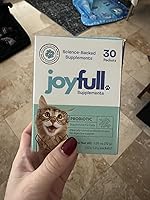
One useful reference point comes from outside the dog aisle. Probiotic Supplement for Cats - 30 Single-Serving Packets, available for $30 and currently in_stock, shows what formulation clarity looks like: real beef bone broth, veterinarian-formulated clinically-tested probiotic strains, and third-party testing for potency and purity. The lesson is not to feed a cat product to a dog. The lesson is to expect this same level of transparency from any topper or supplement you buy.
Clear sourcing, clear purpose, and clean preparation make topper choices much safer. That is what helps owners choose with confidence.
Serving Toppers Safely The 10 Percent Rule
A topper can improve a bowl. It can also subtly unbalance the diet if you treat it like a second meal.
The core rule is simple and absolute. Veterinary guidance says toppers should make up no more than 10% of a dog's daily calories, while the other 90% should come from a complete and balanced food, as outlined in this overview of topper use in North American pet food trends.

Why this rule matters
That limit isn't about being strict for the sake of it. It protects the structure of the diet. Complete foods are designed to deliver essential macro- and micronutrients in proper balance. Toppers are not.
Once owners get generous with broth, meat shreds, spoonable mixes, or “just a little extra,” the bowl can drift away from that balance fast. Weight gain is one risk. Nutritional imbalance is the bigger one over time.
If your dog starts expecting a mountain of toppings to finish dinner, the topper has stopped being a supplement and started taking over the meal.
How to introduce a topper without stomach drama
Even a good topper can cause loose stool or refusal if you switch too fast. Start small and watch the dog, not the marketing copy.
A practical approach:
- Begin with a tiny amount mixed into the usual meal.
- Hold steady for several meals before increasing.
- Watch stool, appetite, and itchiness rather than assuming every reaction is unrelated.
- Stop and reassess if you see vomiting, diarrhea, or clear discomfort.
Storage matters too. Fresh toppers need refrigeration. Freeze-dried products need the lid closed and moisture kept out. Powders should stay dry and be used within the brand's handling guidance.
Keep the whole feeding plan in view
Toppers count alongside treats and extras. If your dog already gets chews, training treats, or table scraps, that all adds up. Owners who need a better sense of the “extra food” picture can use this expert advice on dog treat limits to keep portions more grounded.
The safest feeding routine is boring in the best way. Consistent base diet. Small, purposeful topper. Clear reason for using it. No guesswork.
The Truth About DIY and Raw Toppers
Homemade toppers can be perfectly reasonable. In many kitchens, the safest topper is something plain, cooked, and boring. A spoonful of plain pumpkin. Some shredded cooked chicken. A mashed boiled egg. A little unsalted bone broth if it agrees with the dog.
That approach works because it's simple. You know what's in it. You know how it was prepared. And you're less likely to drift into the weird gray zone where “natural” starts meaning “I found it in my fridge.”
Good DIY is restrained
The biggest DIY mistake isn't lack of effort. It's overcomplication. Owners add too many ingredients, rotate too quickly, or use rich leftovers that don't belong in a dog bowl.
Safer homemade toppers tend to share the same features:
- Plain preparation: Cooked and unseasoned
- Single-purpose use: Added for moisture, taste, or a simple food ingredient
- Easy digestibility: Nothing greasy, spicy, or heavily mixed
- Small serving size: Enough to complement the meal, not rebuild it
The raw meat safety gap owners miss
The part many guides skip is the difference between raw meat from the grocery store and a commercially prepared raw topper that uses High-Pressure Processing (HPP). That distinction matters. According to this discussion of pet food topper safety, HPP eliminates dangerous pathogens like Salmonella and E. coli, while raw grocery-store meat carries a different safety profile that DIY advice often glosses over.
That means “raw” is not one category from a safety standpoint. A commercially prepared HPP raw topper is not the same as cracking open a supermarket pack of chicken and dropping pieces into the bowl.
Raw from the store may feel natural. That doesn't make it a smart everyday topper.
If you like the idea of DIY, stay in the lane of plain, cooked, low-risk additions unless your veterinarian has guided you otherwise. That keeps the bowl useful and the safety trade-off manageable.
Frequently Asked Questions About Dog Food Toppers
Will toppers make my dog gain weight
They can if you free-pour them, use rich products daily, or forget that extras count. Toppers work best when they stay in a supporting role and fit into the overall feeding plan.
Can my dog live on toppers alone
No. Toppers are supplements to a meal, not a nutritionally complete replacement for one. They can improve the bowl, but they shouldn't become the bowl.
How fast will I notice a difference
Some changes are immediate. Dogs may show more interest in a meal right away when smell and texture improve. Other changes, such as coat quality or digestive steadiness, usually require consistency and the right ingredient match.
Are freeze-dried toppers always better than fresh ones
Not always. Freeze-dried toppers are convenient and often very appealing, but fresh or wet toppers may be better for dogs that need more moisture or softer texture. The better choice is the one your dog tolerates well and that fits the goal.
What's the safest topper for a sensitive dog
Usually the simplest one. Limited ingredients, a clearly named protein, and no unnecessary flavoring or filler is the direction to lean. If your dog has a history of digestive trouble, introduce anything new cautiously.
Should I use a topper every day
You can, if it's modest, well-tolerated, and part of a balanced feeding routine. Daily use only makes sense when the topper has a clear purpose and doesn't crowd out the main food.
If you want cleaner, more practical guidance on feeding choices for dogs and cats, Joyfull is built around that no-BS approach. The focus is straightforward ingredients, thoughtful formulation, and helping owners make confident decisions without getting lost in pet wellness marketing.