Best Multivitamin for Dogs: An Essential 2026 Guide
Think of a multivitamin for dogs as a nutritional safety net. It’s a supplement designed to fill in any dietary gaps and give your dog's body a little extra support. While not every dog needs one, they can be a game-changer for dogs on homemade diets, those with specific health challenges, or pets in more demanding life stages, like puppies or seniors.
Does Your Dog Actually Need a Multivitamin?
Let's get right to the big question: does your dog truly need a daily multivitamin? For most healthy adult dogs eating a high-quality commercial diet, the answer is usually no.
Think of it this way: a bag of food labeled "complete and balanced" and meeting AAFCO (Association of American Feed Control Officials) standards is already a carefully calibrated meal. It’s been formulated by veterinary nutritionists to include all the essential vitamins and minerals your dog needs to thrive. Adding more on top can sometimes be too much of a good thing.
But real life isn't always so straightforward. Just like with us, certain circumstances can create small nutritional shortfalls. This is where a multivitamin for dogs comes in—not as a cure-all, but as a smart way to ensure your dog’s body has all the building blocks it needs for optimal health.
When a Supplement Becomes a Smart Choice
Deciding to add a supplement isn’t about following a trend; it's about looking at your dog's specific needs. That said, it’s clear that pet owners are paying more attention to their companions' wellness than ever before. The global pet supplement market is expected to hit $3.33 billion by 2026, a huge number driven by owners who see their pets' health as an extension of their own.
In fact, one market study found that 85% of pet owners believe nutrition and supplements are just as vital for their pets as for themselves. You can read the full research on the pet supplement market to see how this mindset is shaping modern pet care.
So, when might a multivitamin be a good idea for your dog? Here are a few common scenarios:
- You feed a homemade diet. Crafting a perfectly balanced meal from scratch is incredibly difficult. Without a veterinary nutritionist’s guidance, these diets often fall short on key nutrients.
- Your dog is a picky eater. If your dog regularly leaves food in their bowl, they’re likely missing out on a full serving of vitamins and minerals.
- They have specific health conditions. Some illnesses can affect how well the body absorbs nutrients or can increase the need for certain vitamins.
- They're in a demanding lifestage. Growing puppies, pregnant or nursing moms, and senior dogs all have unique nutritional requirements that differ from the average adult dog.
A multivitamin should always complement a healthy diet, not try to make up for a poor one. Its real job is to fill in small, specific gaps and act as a daily wellness boost.
The following table breaks down when a multivitamin is worth considering and when your dog's food likely has it covered already.
When to Consider a Multivitamin for Your Dog
| Scenario | Supplement May Be Helpful | Supplement Likely Not Needed |
|---|---|---|
| Diet Type | You feed a homemade or raw diet that hasn't been formulated by a veterinary nutritionist. | Your dog eats a commercial food that is labeled "complete and balanced" by AAFCO standards. |
| Eating Habits | Your dog is a consistently picky eater and rarely finishes their meals. | Your dog has a healthy appetite and consistently eats their full portion of food. |
| Health Status | Your vet has diagnosed a condition that impairs nutrient absorption or recommends a specific supplement. | Your dog is a healthy adult with no chronic health issues. |
| Life Stage | Your dog is a growing puppy, a senior, pregnant, or nursing. | Your dog is a healthy, active adult between the ages of 1 and 7. |
| Performance | Your dog is a highly active working or athletic animal with extreme energy demands. | Your dog has a typical activity level (e.g., daily walks, playing in the yard). |
Ultimately, this decision always comes back to your dog's primary diet. A high-quality food is the foundation, and a supplement is the targeted support.
This simple flowchart can also help you visualize the decision-making process based on what your dog eats every day.

As you can see, everything starts with the food bowl. If that food isn't "complete and balanced," then talking about supplementation becomes a much more important conversation. To get a better handle on the basics, you can learn more about the roles of dog vitamins and minerals in our guide. The goal is to provide smart, targeted support right where it’s genuinely needed.
How to Decode a Supplement Label

The supplement aisle is a wall of promises. Every bottle boasts bright colors and bold claims, making it nearly impossible to tell what's genuinely good for your dog and what’s just clever marketing. But you have a secret weapon: the label.
Learning how to read the back of the bottle is the single most important skill you can develop. It’s how you get past the flashy promises on the front and see the truth of what you’re actually giving your dog. You stop being a shopper and become your dog’s personal health advocate.
While the rules are written for human products, looking over the official dietary supplement labeling guidelines can give you a great crash course in how these labels are structured.
The "Guaranteed Analysis" and What It Means
One of the first things you'll spot on a pet supplement is the Guaranteed Analysis. This table lays out the minimum or maximum amounts of key nutrients, like "Crude Protein (min)... 15%" or "Vitamin A (min)... 2,000 IU."
Think of it as the product's basic stat sheet. It confirms the potency of the main ingredients. A trustworthy brand will be upfront with these numbers, never hiding them in a mysterious "proprietary blend."
But don't stop there. The numbers are only half the picture; where those nutrients come from matters just as much.
Active Ingredients That Move the Needle
This is the most important part of the label. The "Active Ingredients" list tells you exactly what’s in the supplement to provide the health benefits. In a great multivitamin for dogs, you’ll find a well-rounded team of essential nutrients.
Here are a few of the all-stars and what they actually do for your dog:
- Vitamin E: This is a master antioxidant. It works like a tiny bodyguard for your dog’s cells, protecting them from the daily grind of environmental stress and metabolic function.
- B-Complex Vitamins (B1, B2, B6, B12): These are the energy crew. They’re crucial for turning food into fuel, keeping the nervous system running smoothly, and even helping to make red blood cells.
- Vitamin A: Essential for sharp vision, a robust immune system, and healthy skin. It helps keep the body’s natural defenses strong.
- Zinc: This mineral is a true multitasker. It’s involved in hundreds of bodily processes, from healing scrapes to helping the immune system and maintaining a shiny coat.
A transparent company will list each active ingredient with its specific amount per serving. If you see vague terms like "vitamin mix" without any numbers, that's a huge red flag.
Red Flags to Spot on the Inactive Ingredients List
If active ingredients are the heroes, the "Inactive Ingredients" are everything else—the binders, flavorings, and preservatives. This list is often where you can instantly tell a high-quality product from a cheap one.
Inactive ingredients should be there for a good reason and be completely safe. A long list of chemical-sounding names, artificial junk, and cheap fillers is a clear sign that the company cares more about its bottom line than your dog’s health.
Be on the lookout for these common offenders that have no business in a quality multivitamin for dogs:
- Artificial Colors: Dyes like Red 40, Blue 2, and Yellow 5 do nothing for your dog's health. They’re added just to make the product look a certain way and can trigger reactions in sensitive dogs. Trust us, your pup doesn't care what color their chew is.
- Chemical Preservatives: You might see BHA (butylated hydroxyanisole) and BHT (butylated hydroxytoluene) on some labels. These are cheap, synthetic preservatives that can easily be replaced by safer, natural options like mixed tocopherols (a form of Vitamin E).
- Harmful Fillers: Ingredients like corn, wheat, and soy are often used to bulk up a product cheaply. They add zero nutritional value and can cause issues for dogs with allergies or digestive sensitivities.
- Artificial Flavors: That "bacon flavor" is almost certainly a chemical mixture, not real bacon. High-quality supplements use natural flavorings from real foods, like savory chicken liver or rich beef broth.
By learning to read the entire label—from the active vitamins down to the last inactive filler—you can make a confident choice for your dog. You’ll be giving them a supplement that genuinely supports their well-being, not just one with a pretty package.
Matching the Supplement to Your Dog's Needs

When it comes to nutrition for our dogs, there's no such thing as "one size fits all." Think about it—you wouldn't expect a tiny Yorkie puppy to need the same meal as a full-grown Great Dane. The same goes for supplements. Grabbing a random multivitamin for dogs off the shelf just won't cut it.
The key is personalization. A puppy is busy building its entire body, while a senior dog needs extra support for its aging joints and mind. Your goal isn't just to add more to their diet, but to add the right things. It’s about matching the supplement to your dog's unique life stage, breed, and daily grind.
Life Stage Specific Nutrition
A dog's nutritional needs change dramatically as they move through life. A high-quality multivitamin is always formulated with these distinct stages in mind.
- Puppies: Their bodies are in overdrive. They need plenty of calcium and phosphorus for strong bone growth, plus DHA, an omega-3 fatty acid crucial for brain and eye development.
- Adults: Most healthy adult dogs on a complete and balanced diet are doing just fine. However, a little targeted support for things like skin health, a shiny coat, and sustained energy can give them an extra wellness boost.
- Seniors: As dogs get older, their bodies don't work as efficiently as they used to. A good senior multivitamin will often include ingredients like glucosamine and chondroitin for joint support and antioxidants to help fight the effects of cellular aging.
It’s a lot like having a toolkit. You wouldn't use a sledgehammer to hang a picture frame, right? In the same way, giving a puppy formula to a senior dog won't deliver the results you're looking for. Using the right tool for the job makes all the difference.
Breed and Lifestyle Considerations
But it's not just about age. Your dog's breed and day-to-day life play a huge part in what their body needs. A lazy Basset Hound who prefers napping on the couch has completely different nutritional demands than a high-octane Border Collie who spends weekends at agility trials.
Some breeds, for instance, are known to have certain health predispositions. A German Shepherd could benefit from a multivitamin with extra joint support like glucosamine to help keep their hips healthy. On the other hand, a water-loving Labrador Retriever might need more omega-3s to maintain a healthy, water-resistant coat.
The pet supplement industry has definitely taken notice of these individual needs. With 68 million dogs in U.S. households, dogs now make up a massive 77% of the pet supplement market. This demand has pushed brands to create more targeted formulas, with easy-to-give chewables dominating the market at 69.8%.
Connecting Ingredients to Real-World Benefits
Once you know what your dog needs, you can start looking at ingredient lists with a purpose. Instead of getting lost in a sea of scientific names, you can connect each ingredient to a real, tangible benefit for your companion.
Here’s a quick guide to what you should be looking for:
- For Joint Health: If you have a large-breed dog, a very active dog, or a senior, keep an eye out for glucosamine, chondroitin, and MSM. These three work as a team to support cartilage, cushion joints, and help your dog stay mobile.
- For Skin & Coat: Is your dog's coat looking a bit dull or flaky? Omega-3 fatty acids (like EPA & DHA) and zinc are your best friends here. They help strengthen the skin barrier and give their coat that healthy, glossy shine.
- For Digestive Support: For dogs with sensitive stomachs, a multivitamin that includes probiotics and prebiotics can be a game-changer. These help create a healthy gut environment, which improves digestion and makes it easier for their body to absorb all the good stuff from their food. This is especially vital if you're feeding a homemade diet—a topic we cover in our guide on vitamins for homemade dog food.
By starting with your dog's specific needs, you can find a multivitamin for dogs that offers targeted, effective support. That way, you know every chew is truly working to improve their unique well-being.
The Single Most Important Conversation to Have with Your Vet
Before any new supplement makes its way into your dog’s food bowl, the most important step you can take is having a frank, open conversation with your veterinarian. Think of them as your personal co-pilot in navigating your dog's health—they are your best resource for making smart, safe choices.
While a quick Google search is a decent place to start, it can't replace personalized medical advice. Your vet knows your dog's entire health history, their current diet, and any subtle health issues you might not even be aware of. They have the experience to cut through the marketing noise and tell you what’s truly beneficial.
The key is to go into that conversation prepared. Instead of simply asking, “Does my dog need a multivitamin?” try framing it around what you’re seeing at home. This changes the dynamic from a simple Q&A into a real partnership for your dog's well-being.
Preparing for Your Vet Visit
To make the most of your appointment, a little homework goes a long way. Your vet is a bit like a health detective; the more clues you can give them, the clearer the picture becomes. Having this info on hand helps them give you truly specific advice, not just a generic recommendation.
What to bring to your appointment:
- Your Dog's Food: Just snap a quick photo of the bag—be sure to get the front, the full ingredient list, and the "Guaranteed Analysis" panel. This is the number one thing your vet needs to see, as it shows the foundation of your dog's current nutrient intake.
- A List of Treats: Make a quick list of all the treats your dog gets on a regular basis. You might be surprised to learn that many are fortified with vitamins and minerals, which all add up.
- The Supplement You're Considering: If you've already got a multivitamin for dogs in mind, bring the bottle or pull up the product page on your phone. This lets your vet examine the specific ingredients and dosages you’re thinking about.
This simple prep work shows you're an engaged pet owner and allows your vet to give you advice that’s actually tailored to your dog.
Key Questions to Ask Your Veterinarian
Once you're there, your goal is to understand the "why" behind any advice you get. Use these questions as a starting point to make sure you leave feeling confident and clear on your next steps.
Your veterinarian's job isn't to judge you; it's to help you make the safest, most effective choices for the dog you love. Asking good questions empowers them to give you their best professional guidance.
Here are the essential questions to run through:
- Looking at my dog's current food and treats, do you see any potential nutritional gaps a multivitamin might fill?
- For my dog’s specific age, breed, and energy level, are there particular nutrients you think would be most helpful?
- Is there anything in this supplement that could cause a problem with my dog’s health conditions or any medications they're taking?
- Does the dose on this label look right for my dog's weight?
- When you look at this ingredient list, do you see any red flags? Anything that looks particularly good?
This conversation is your ultimate safety check. It ensures your decision to add a multivitamin for dogs is grounded in your dog's actual needs, not just good marketing. It's the responsible first step every caring dog owner should take.
Finding a High-Quality Multivitamin for Your Dog

Walking down the supplement aisle—or scrolling online—can feel like a pop quiz you didn't study for. With so many options for a multivitamin for dogs, how do you separate the good stuff from the fancy marketing?
The great news is, you don't need a veterinary degree to make a smart choice. There are a few clear signs of quality that can help you cut through the noise. It’s all about learning to read the label like a pro and knowing which seals of approval actually matter.
The pet supplement industry is massive, with North America alone accounting for a staggering 48.1% of the global market. This boom is fueled by owners like us who want the very best for our dogs and the rise of direct-to-consumer brands. You can see more data on the growing pet supplement market to get a feel for the trends. This crowded field makes being an informed shopper more important than ever.
Look for the NASC Quality Seal
When you're comparing products, one of the first things to scan for is a small, round logo: the NASC Quality Seal. This isn't just a pretty sticker. It’s issued by the National Animal Supplement Council, a non-profit that holds manufacturers to incredibly high standards.
A company can't just buy its way into displaying this seal. They have to pass a tough third-party audit and prove they're following a long list of rules.
Here's what that little seal really guarantees:
- Consistent Quality Control: The product you buy today is made to the same standard as the one you buy six months from now.
- Accurate Labeling: What’s on the label is exactly what's in the bottle. No surprises.
- Adverse Event Reporting: The company has a system in place to track and respond to any issues reported by pet owners.
- Proper Warnings: The label includes all necessary cautionary statements for safe use.
Think of the NASC seal as your ultimate shortcut. It instantly tells you that a brand has invested in proving its commitment to safety and transparency, setting it apart from companies that operate with no oversight.
Verify Manufacturing and Testing Standards
To help you feel confident in your choice, we've put together a quick checklist. Use this table to evaluate any dog multivitamin you're considering.
Quality Checklist for Dog Multivitamins
| Quality Check | What It Means | Why It Matters for Your Dog |
|---|---|---|
| NASC Quality Seal | The brand has passed a rigorous audit from the National Animal Supplement Council. | This is your top-level assurance of quality, safety, and label accuracy. |
| cGMP Compliant | The product is made in a facility following Current Good Manufacturing Practices—strict federal guidelines for quality and cleanliness. | It drastically reduces the risk of contamination and ensures product strength and purity. |
| Third-Party Testing | An independent, unbiased lab has tested the supplement to confirm its ingredients and check for contaminants. | This provides proof that the product is safe, potent, and free from harmful things like heavy metals or bacteria. |
| Clean Ingredients | The formula avoids artificial colors, flavors, and unnecessary chemical preservatives or fillers. | You're giving your dog only what they need for their health, without any questionable additives. |
Seeing these checks in place means the company takes its responsibility seriously. You can trust that the product is not only safe but also formulated to deliver on its promises.
Choose the Right Form for Your Dog
Even the world's best multivitamin is useless if your dog spits it out. That's why the form it comes in is just as important as the formula.
Supplements for dogs usually come in three main forms:
- Soft Chews: For most dogs, these are the clear winner. They see it as a daily treat, not medicine. The best ones are made with natural flavors and skip the artificial junk, making them perfect for picky pups.
- Powders: If your dog eats homemade or wet food, powders are a fantastic option. You can just mix them right in. They often have fewer inactive ingredients (like binders), which can mean a more concentrated dose of nutrients.
- Liquids: Liquid supplements, like fish oil, are great for fast absorption and getting the dose just right. You can add them to food or, if your dog is cooperative, give it to them directly. If you're looking for targeted joint or coat support, you might also want to check out our guide on the best omega-3 supplements for dogs.
The best choice is simply the one your dog will take without a fuss every single day. By focusing on these clear signs of quality—the NASC seal, cGMP compliance, third-party testing, and a form your dog loves—you can choose a multivitamin for dogs that truly makes a difference.
Common Questions About Dog Multivitamins
Even after you've done your research, it's natural to have a few more questions rattling around. Deciding to add a supplement to your dog's daily routine is a big step, and you want to feel completely confident you're doing the right thing for them.
Let's walk through some of the most common questions we hear from pet parents. Think of this as a quick-reference guide to clear up any lingering doubts.
Can I Give My Dog a Human Multivitamin?
This is a question that comes up a lot, and the answer is a hard no. You should never give your dog a multivitamin made for people. It might seem like a simple shortcut, but our biology is worlds apart from a dog's, making it a dangerous gamble.
Human supplements are packed with vitamin and mineral levels tailored to our much larger bodies and different metabolisms. What's a normal dose for us can be toxic for a dog. Things like Vitamin D, iron, and calcium are often at concentrations far too high for a canine system, potentially leading to a serious overdose condition called hypervitaminosis.
What’s even scarier is the stuff they put in human vitamins that isn't even on a dog's nutritional radar. The biggest offender is xylitol, a common sugar substitute. While it's perfectly safe for you and me, xylitol is extremely toxic to dogs. It can trigger a sudden, life-threatening plunge in blood sugar and cause severe liver failure. It's just not worth the risk—always stick to products formulated specifically for dogs.
What Are the Signs My Dog Might Need a Multivitamin?
While your vet is the only one who can truly diagnose a nutritional gap, your dog might be dropping some subtle hints at home. These are the kinds of things that suggest their diet might be missing a piece of the puzzle.
If you spot any of these, think of them as a cue to schedule a check-up, not a reason to rush out and buy supplements on your own.
A few common clues include:
- A Dull, Flaky Coat: A lackluster coat or dry, flaky skin is often one of the first things you'll notice. This can point to a need for more essential fatty acids or certain key vitamins.
- Low Energy Levels: If your usually bouncy pup seems sluggish, tired, or just isn't that interested in playtime anymore, their diet could be a factor.
- Frequent Digestive Upset: On-and-off diarrhea or a finicky appetite can sometimes indicate a need for digestive support like probiotics, which are often included in a well-rounded multivitamin for dogs.
- Slow Recovery from Illness: A dog with a fully supported immune system tends to bounce back faster. If your pup seems to take forever to get over minor bugs or injuries, it might be a sign they need more nutritional backup.
Again, these are just signs. A proper vet visit is the only way to get a real diagnosis and a smart, safe plan for your individual dog.
How Long Until I See Results from a Dog Multivitamin?
When starting any new supplement, consistency is everything. A multivitamin isn't like a pain reliever that offers immediate effects. It works by slowly and steadily filling up your dog's nutritional reserves to support their long-term health. How long it takes to see a change really depends on what you're looking for and your dog's health to begin with.
Here’s a rough timeline of what you might expect:
- Skin and Coat Health: You'll need to be patient here. It typically takes at least 4 to 6 weeks to see a glossier coat and healthier skin, as it takes time for new, nourished hair to grow in.
- Energy and Vitality: A boost in your dog’s overall energy and mood can often be noticed in as little as 2 to 4 weeks.
- Joint Support: Ingredients like glucosamine need time to accumulate in the joints where they do their work. Expect it to take 6 to 8 weeks or even longer to see a real difference in your dog's mobility and comfort.
The big picture? A multivitamin is a marathon, not a sprint. It has to be given every single day as directed. Skipping doses will just reset the clock and keep you from seeing the benefits you're hoping for.
Is It Possible to Give My Dog Too Many Vitamins?
Yes, absolutely. More is not better, and giving too many vitamins can be very dangerous. The official term for this is hypervitaminosis, which is just a technical way of saying nutrient toxicity.
The main culprits are the fat-soluble vitamins: A, D, E, and K. Unlike water-soluble vitamins (like B-vitamins and C), which the body just flushes out in urine if there's an excess, fat-soluble vitamins get stored in fatty tissues and organs like the liver.
Because they build up over time, they can reach toxic levels.
- Excess Vitamin D is especially worrisome. It can cause calcium to build up in the bloodstream, leading to bone problems, kidney stones, and potentially fatal kidney failure.
- Too much Vitamin A can result in joint pain, dehydration, and damage to your dog's blood vessels.
This is exactly why you should never "double up" on supplements or mix different products without your vet's direct guidance. Follow the dosage on the label to the letter, and always choose a product designed for your dog’s specific weight and stage of life.
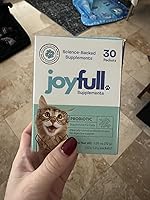
At JoyFull, we believe that giving your dog the best shouldn't be complicated. Our supplements are crafted with clean ingredients, backed by veterinary science, and designed to provide targeted support you can trust.
Ready to give your dog a daily boost of wellness? Discover the JoyFull difference today.