How to Get a Picky Dog to Eat: A Practical Guide
Your dog sniffs the bowl, looks at you, and walks away. You swap flavors. You add a topper. You try hand-feeding. Maybe that works once, then fails the next day. After a while, mealtime starts to feel like a negotiation you keep losing.
That's usually the point where owners start asking how to get a picky dog to eat without turning every meal into a performance. The answer isn't random tricks. It's a simple diagnostic process. First, rule out illness. Then understand what your dog has learned about food. Then set up a routine that makes eating predictable again.
Table of Contents
- Is It Pickiness or a Health Problem
- Understanding the Picky Eater Mindset
- Your 7-Day Mealtime Reset Plan
- Smart Ways to Make Food More Appealing
- Transitioning to a New Food Without Drama
- Consistency Is the Key to a Happy Eater
Is It Pickiness or a Health Problem
The first question most owners ask is the right one. Is my dog sick, or just being selective? Before you try to fix behavior, make sure you're not trying to train around pain, nausea, or another medical problem.

Start with the sudden changes
A dog who has always been a little fussy is different from a dog who suddenly stops eating. That sudden shift matters. If your dog normally eats well and now refuses meals, treat that as a health question first.
Veterinary guidance warns that food refusal lasting more than about a week, or refusal that comes with signs like dental pain, digestive disease, or weight loss, needs evaluation. It's a common mistake to assume all pickiness is behavioral, as noted in this veterinary-backed picky dog guidance.
If your dog also seems itchy, has ear problems, or has recurring digestive upset around meals, it's worth reviewing Joyfull's dog allergy insights. Food issues don't always show up as simple bowl refusal.
Red flags that need a vet call
Use this checklist before you spend money on new foods or toppers:
- Low energy: Your dog seems tired, withdrawn, or less interested in normal activities.
- Vomiting or diarrhea: Refusing food plus digestive signs can point to more than simple selectiveness.
- Mouth pain: Watch for dropping food, chewing on one side, pawing at the mouth, or wanting food but not being able to manage it.
- Weight loss: If your dog is looking leaner or feels bonier, don't wait.
- Sudden appetite change: A sharp shift is more concerning than a long-standing pattern.
- Drinking changes: Much more or much less water than usual deserves attention.
Practical rule: No feeding strategy fixes an untreated medical problem.
Hydration matters while you're observing your dog, especially if appetite is off or you're spending more time outside walking before meals. For dogs who drink better on the go, some owners find durable dog hydration solutions helpful because they make it easier to keep water available without fuss.
If your dog checks any of those boxes, book the appointment. If the exam is clear, then you can move forward confidently and treat this like what it often is: a learned mealtime pattern.
Understanding the Picky Eater Mindset
Most picky dogs aren't trying to be difficult. They're responding to what has worked before. If refusing kibble reliably produces chicken, cheese, or hand-feeding, your dog learns fast.
That's why owners get trapped. They think they're solving a one-day problem, but they're teaching a repeat behavior.
How owners accidentally train pickiness
The usual pattern looks like this:
| Owner action | What the dog learns |
|---|---|
| Offers a meal, then quickly replaces it with something tastier | “If I wait, better food appears.” |
| Gives table scraps after refused meals | “Ignoring my bowl works.” |
| Leaves food out all day | “There's no reason to eat now.” |
| Changes brands constantly | “Meals are unpredictable, so I can hold out.” |
Dogs are excellent pattern readers. They don't need a grand strategy. They only need repeated evidence that refusal pays off.
That's also why guilt causes problems. Owners worry that one skipped meal means they're being harsh, so they rush in with fixes. In many healthy dogs, that response strengthens the cycle more than the original refusal did.
A picky eater often isn't asking for a better menu. The dog is waiting to see what your next move will be.
Stress changes eating behavior
Not all behavioral pickiness is about manipulation. Some dogs don't eat well because mealtime feels unsettled. A noisy kitchen, another pet hovering nearby, family traffic, or an owner standing over the bowl can all reduce interest in food.
Anxious dogs often do better when the whole routine becomes quieter and more predictable. If that sounds familiar, Joyfull pet calming recommendations can give you a broader framework for reducing overall stress, which often helps appetite indirectly.
A few patterns matter here:
- Too much attention at the bowl: Coaxing, pleading, and hovering can make meals feel pressured.
- High-value snacks all day: Hunger gets dulled, and regular food loses value.
- Chaotic timing: If breakfast happens whenever and dinner depends on the day, your dog never develops a clear meal expectation.
The key shift is this. Stop asking, “What can I add to make my dog eat?” Start asking, “What has my dog learned about mealtime, and what do I need to change?”
Your 7-Day Mealtime Reset Plan
If your dog has been cleared medically, this is the cleanest way to reset expectations. The point isn't to out-stubborn your dog. The point is to remove confusion and make meals boringly consistent.
Start with the visual plan, then follow it exactly.

What the reset looks like
A foundational feeding rule is to offer food only at specific times instead of free-feeding. VCA Animal Hospitals notes that limited access can train a dog to eat when food is available, and it also advises that treats and toppers should make up no more than 10% of total calorie intake in its guidance on picky eaters.
For this reset, keep the feeding setup simple:
- Two scheduled meals: Morning and evening, at the same times every day.
- One quiet feeding spot: Same room, same bowl, same routine.
- Limited mealtime window: Put the food down, give your dog a short chance to eat, then pick it up if untouched.
- Fresh water always available: Water stays. Food does not.
If you use rewards for training outside meals, this is the week to simplify. Soft options like dog squeeze treats can be useful in other contexts, but during a reset you want as few competing food rewards as possible.
What to do day by day
Days 1 and 2 are usually the hardest on the owner. Put the meal down, allow a brief eating window, then remove the bowl if your dog doesn't eat. Don't argue with the dog. Don't follow them around. Don't offer a substitute.
A short visual walkthrough can help if you want to see the rhythm of a structured feeding routine in practice.
Days 3 and 4 are about environmental consistency. Feed in the same quiet place every time. If another pet crowds the area, separate them. If your dog startles easily, don't feed near doorways, laundry machines, or the middle of family traffic.
Days 5 and 6 are where people usually sabotage the process. Your dog gives you the look. You think, “Maybe just one biscuit.” Don't do it. No snacks, no table scraps, no surprise extras between meals.
Day 7 is not the finish line. It's the point where the new rules should feel clear. Keep going with the same structure.
What not to do during the reset
These are the common mistakes that keep picky eating alive:
- Don't free-feed: A full bowl all day removes urgency.
- Don't rotate foods out of panic: Constant replacement teaches waiting.
- Don't pile on toppings: You want your dog eating the meal, not negotiating for garnish.
- Don't turn mealtime into a performance: Calm in, calm out.
Healthy dogs can miss an occasional meal. Owners usually suffer more emotionally from the reset than the dog does.
The reset works because it gives your dog one clear message. Food appears at meal times. That's when eating happens.
Smart Ways to Make Food More Appealing
Once the routine is in place, you can make food more appealing without undoing the training. The order matters. Use low-drama changes first. If you jump straight to rich toppers and constant upgrades, you risk creating a dog who won't eat unless every meal comes with extras.

Use aroma before you use extras
AKC guidance recommends slightly warming food or adding warm water to increase aroma, which can improve intake without changing the diet's nutrient balance in the way calorie-heavy add-ons can, according to their picky dog nutrition advice.
That's the first move I'd make for many dogs. Aroma is powerful. If the food smells more interesting, some dogs re-engage without needing anything fancy.
Try these in order:
- Warm water first: Add a little warm water to kibble and let the aroma rise.
- Gently warm wet food: Not hot. Just enough to increase scent.
- Check freshness: If kibble smells stale to you, it smells much worse to your dog.
- Keep additions modest: If you use a topper, think of it as a temporary bridge, not the meal's main event.
If you want a broader overview of how diet choices affect dogs in everyday life, Get Pet Vet's dog diet guide is a useful general primer.
Make meals engaging, not chaotic
Some dogs don't need a different food. They need a better job. Puzzle feeders and snuffle mats can turn eating into a task instead of a flat bowl experience, which often helps distracted or under-stimulated dogs.
A short walk before the meal can also help. Activity often improves appetite, and the meal then arrives when your dog is more ready to eat.
Use enrichment strategically:
| Tool or tactic | Best for |
|---|---|
| Puzzle feeder | Dogs that rush, get bored, or need mental engagement |
| Snuffle mat | Dogs that like searching and sniffing |
| Short pre-meal walk | Dogs who seem flat or distracted before meals |
| Quiet room feeding | Dogs unsettled by household activity |
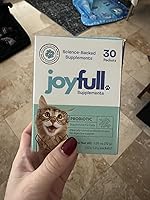
One caution. Be selective with products and add-ons from outside the dog category. For example, Probiotic Supplement for Cats - 30 Single-Serving Packets is a cat supplement made with real beef bone broth, veterinarian-formulated with clinically-tested probiotic strains, third-party tested for potency and purity, and individually sealed. Those are useful product facts in the cat context, but they don't make it a solution for a picky dog.
The smartest appetite booster is the one that helps your dog eat the actual meal, then fades into the background.
Transitioning to a New Food Without Drama
You open a fresh bag, feeling hopeful, and your dog gives it one sniff and walks off. By evening, you are wondering whether to add chicken, switch brands again, or give up and go back to the old food.
Slow down. A food transition is part health check, part behavior test. If you change too much at once, you lose the chance to see what is causing the refusal.

Use a gradual switch
A sudden diet change can upset the gut and make a cautious eater even more suspicious of the bowl. Guidance on picky dogs generally recommends mixing the new food in over several days and watching stool quality, energy, and appetite as you go, as explained in this practical article on picky dogs.
A workable transition schedule looks like this:
- Days 1 to 3: Mostly old food, with a small amount of new food
- Days 4 to 6: Half old, half new if stools stay normal
- Days 7 to 9: Mostly new food, with a small amount of old food
- Day 10 and after: Fully new food if your dog is eating and digesting it well
That pace gives you useful information. If your dog develops loose stool, you can slow the switch instead of guessing. If your dog refuses the bowl but acts bright and normal otherwise, you can address the behavior without wondering whether the food change also upset the stomach.
Some dogs need longer than this. Senior dogs, dogs with sensitive digestion, and dogs with a history of diet-related stomach upset often do better with a slower plan. There is no prize for switching fast.
Avoid the topper trap
The biggest mistake I see is stacking variables. New kibble, bone broth, canned food, shredded meat, hand-feeding. Now nobody knows what the dog likes, what the stomach tolerates, or what behavior got reinforced.
If you use a topper to get started, keep it small, keep it consistent, and phase it down. The goal is to help the dog accept the new diet, not teach the dog to hold out for a better offer.
Use this checklist during the switch:
- Eating only with extras added every time: the dog is learning to wait you out
- Loose stool after increasing the new food: slow the transition and hold at the last amount your dog handled well
- Refusal plus vomiting, lethargy, pain, or other signs of illness: stop the food experiment and call your vet
A clean transition is boring by design. One food change. One schedule. Careful observation. That is how you figure out whether you are dealing with taste preference, digestive sensitivity, or a dog that has learned mealtime negotiation.
Consistency Is the Key to a Happy Eater
Owners usually want a trick. Dogs usually need a routine.
That's the central lesson in how to get a picky dog to eat. Not by constantly upgrading the meal, but by making food predictable, safe, and boringly consistent. First check health. Then look carefully at the habits around the bowl. Then keep the plan steady long enough for your dog to trust it.
What your dog actually needs from you
Your dog doesn't need ten food options. Your dog needs clear signals.
That means a stable feeding place, a reliable schedule, calm handling, and less emotional reacting from the human side. Dogs do better when mealtime stops feeling negotiable.
If you've been cycling through kibble bags, treats, hand-feeding, and table scraps, don't beat yourself up. Such efforts often stem from genuine care for your companion. The fix is to become more structured than you've been.
A steady routine beats food gimmicks
The biggest trade-off is short-term discomfort for long-term ease. The first few days of a reset can feel tough, especially if your dog has trained you well. But once your dog understands the new pattern, mealtime gets simpler for both of you.
Consistency is kinder than constant coaxing because it gives the dog a rule they can actually understand.
That approach also matches the kind of no-BS pet care most owners are looking for now. Less gimmick, more clarity. Less panic, more observation. Better habits usually beat better marketing.
If you want pet wellness support that stays practical, ingredient-conscious, and easy to use, take a look at Joyfull. Their approach is simple: products should be convenient, beneficial, and grounded in real care rather than hype.