8 Signs of a Food Allergy in Dogs
That Nagging Feeling: Is Your Dog's Food the Problem?
A dog with a food allergy often does not look seriously ill at first. He licks one paw after dinner, shakes his head a little more than usual, and has a soft stool every few days. Many dogs stay bright, playful, and hungry, which makes the pattern easy to miss.
That pattern is the point. Food allergy in dogs usually shows up as a cluster of signs rather than one obvious event. Skin problems are common. So are ear flare-ups, paw chewing, vomiting, loose stool, gas, and coat changes. The distinction is important because those same signs can also show up with flea allergy, environmental allergies, infection, parasites, or food intolerance.
A useful review of signs should do more than name symptoms. It should help you separate observations that are persuasive from observations that are vague. That is how owners bring better information to the exam room.
This guide uses a simple framework for each sign: Features, Pros, Cons, Examples, and Tips. Features describe what the sign usually looks like. Pros explain why that sign may support a food allergy suspicion. Cons cover the main look-alikes and the limits of that clue. Examples show how it appears in real dogs. Tips give you practical ways to track what you are seeing before your veterinary visit.
Diagnosis still requires method, not guesswork. A proper elimination diet trial, followed by a controlled rechallenge, remains the standard approach used in practice.
Table of Contents
- 1. Itching and Scratching Pruritus
- 2. Gastrointestinal Upset Vomiting and Diarrhea
- 3. Ear Infections and Inflammation Otitis
- 4. Paw Licking and Chewing
- 5. Skin Rashes and Hives Urticaria
- 6. Chronic Inflammation and Redness Around Eyes and Muzzle
- 7. Chronic Licking and Overgrooming Behaviors
- 8. Poor Coat Quality and Hair Loss Non-Seasonal Alopecia
- 8-Point Comparison: Canine Food Allergy Signs
- Your Action Plan Diagnosis Management and When to Call the Vet
1. Itching and Scratching Pruritus
Your dog settles down for the night, then gets back up to chew a foot, rub a muzzle across the rug, and scratch hard enough to stop sleeping. That pattern gets my attention quickly because persistent itch is one of the clearest reasons to start sorting through allergy causes, including food.
Pruritus means itch. In practice, owners may see scratching, licking, chewing, scooting, rubbing against furniture, or repeated face pawing. Many dogs do more than one of these, and the behavior often shows up in the same few body regions over and over. Common hot spots include the paws, face, ears, belly, and area under the tail, with skin infections sometimes making the itch look worse or spread faster.
What this sign usually looks like
Some dogs are dramatic. Others are easy to underestimate.
One dog scratches the chest every evening. Another only seems to have a “paw habit” until the owner notices bedtime licking, ear rubbing, and constant shifting on the bed. A third rubs the muzzle after meals and ends up with irritated skin on the chin. I tell owners to judge itch by disruption, not theater. If the dog keeps interrupting rest, play, or meals to work on the skin, it matters.
A clean diagnostic note from home helps more than vague recall. Short videos, a simple calendar, and photos taken in the same lighting can show whether the itch is steady, flaring, or tied to treats, chews, or table food. If your household is already trying to reduce airborne triggers, you may also be trying to compare HEPA filter and CADR ratings. That can help the environment, but it does not replace tracking what the dog eats and where the itch shows up.
Features Pros Cons Examples and Tips
- Features Ongoing scratching, licking, chewing, rubbing, or scooting. Often involves multiple body areas rather than a single isolated spot.
- Pros Owners can usually observe it directly and document it well. Video is especially useful when the dog acts differently at home than in the exam room.
- Cons Itch is common in many skin problems. Fleas, mites, environmental allergy, skin infection, and contact irritation can all look similar early on.
- Examples A dog licks both front paws every night. Another scratches at the ears and face but has no digestive signs. Another rubs the muzzle so often that the chin becomes raw.
- Tips Record where the itch happens, what the dog ate that day, and whether treats or flavored medications were given. Use an e-collar if self-trauma is starting to damage the skin. Bring your log to the appointment, because pattern and timing help your vet decide whether a diet trial is justified.
The trade-off is simple. Itching is easy to notice, but hard to interpret on its own. The useful question is not “Is my dog itchy?” It is “What is the pattern, how often does it interrupt normal life, and what else is happening at the same time?” That framework gives your vet something practical to work with.
Frequent food changes at home usually muddy the picture. A structured, vet-guided diet trial gives clearer answers.
2. Gastrointestinal Upset Vomiting and Diarrhea
A common clinic scenario looks like this. The dog has loose stool every few weeks, vomits once in a while, and seems gassy after treats. The family assumes it is a sensitive stomach until the pattern keeps repeating.
Food allergy can involve the gut as well as the skin. Some dogs have obvious vomiting or diarrhea. Others have softer stool, more frequent bowel movements, excess gas, or intermittent nausea that seems too mild to matter until you map it against meals, treats, chews, and flavored medications.
Timing helps, but it does not diagnose the problem by itself. Clinical guidance from VetDerm Clinic on food allergies in pets notes that digestive signs may appear within hours of eating a trigger or after a longer delay. That range is one reason casual observation often misses the pattern.
Features Pros Cons Examples and Tips
- Features Vomiting, diarrhea, soft stool, increased stool frequency, gas, straining, noisy gut sounds, or urgency to go outside.
- Pros These signs can be tracked with more precision than many skin changes. Owners can often note the exact day a new treat, chew, table food, or flavored preventive was given.
- Cons Gastrointestinal signs have a long differential list. Parasites, dietary indiscretion, abrupt food changes, pancreatitis, chronic enteropathy, and infections can all look similar early on.
- Examples A dog has loose stool every training day after chicken-flavored rewards. Another vomits once every week or two, then acts normal again, so the problem gets dismissed. Another has gas and soft stool along with recurrent skin or ear flare-ups, which makes food move higher on the suspect list.
- Tips Keep a simple log with date, exact food items, treats, chews, supplements, medications, stool quality, and vomiting episodes. Save package labels if ingredients are unclear. Contact your vet promptly for blood in the stool, repeated vomiting, abdominal pain, dehydration, weakness, or lethargy.
The trade-off here is practical. Digestive signs are easier to tie to eating events, but they are less specific than many owners expect. A single episode after a dog raids the trash means something very different from a low-grade pattern that returns on the same diet.
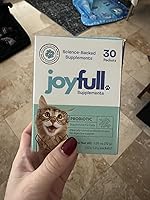
During a diet trial, extra products can blur the results. If you mention supplements used elsewhere in the household, keep the details accurate. For example, Probiotic Supplement for Cats - 30 Single-Serving Packets is a cat product with 1 variant, priced at 30, and listed as in_stock. It should not be added casually to a dog's elimination trial unless your veterinarian specifically approves it.
Some owners also work on indoor triggers while sorting out whether food is involved. That can make the home more comfortable, but it does not replace diet diagnostics. If you are addressing air quality at the same time, this guide can help you compare HEPA filter and CADR ratings.
3. Ear Infections and Inflammation Otitis
A common appointment starts like this: the dog is back for another ear flare, the medication helped for a while, and now the odor, redness, and head shaking are back. That pattern does not prove a food allergy, but it does raise the question, especially when the problem affects both ears or keeps recurring despite appropriate treatment.

Ear disease is one of the easier signs for owners to notice and one of the easier signs to misread. Red ears, brown or yellow debris, a sour or yeasty smell, rubbing the head on furniture, or flinching when the ear is touched all point to inflammation. The harder part is deciding what that inflammation means.
Food allergy is one possibility. So are ear mites, trapped moisture after baths or swimming, narrow ear canals, environmental allergies, and secondary yeast or bacterial overgrowth. The practical trade-off is simple. Ears give useful clues, but they are not specific clues by themselves.
Why ears deserve a structured look
Repeated otitis often follows a cycle. The ear gets treated, the visible infection settles down, and the dog seems comfortable. Then the inflammation returns because the underlying trigger was never addressed.
That is why I tell owners to watch for pattern, not just severity.
A dog with one ear infection after a lake weekend is a different case from a dog with year-round ear disease, both ears involved, and repeated flare-ups after treatment ends. The second pattern deserves a broader allergy discussion with your veterinarian.
Chronic ear disease that keeps returning after proper treatment deserves an investigation into the cause, not just another round of medication.
Features Pros Cons Examples and Tips
- Features Head shaking, scratching at the ears, redness inside the ear flap or canal opening, discharge, odor, pain on touch, and repeat yeast or bacterial infections confirmed by your vet.
- Pros Ears are visible enough that owners can track change over time. Photos, notes about odor, and flare timing can be surprisingly helpful during a workup.
- Cons Many different problems look similar at home. Cleaning before the ear is examined can also remove debris your vet may need to identify the cause.
- Examples A dog who develops smelly, waxy ears every couple of months. A dog whose ears improve with drops, then flare again soon after treatment stops. A dog with frequent head shaking as the main sign, even without obvious skin trouble elsewhere.
- Tips Book the exam before starting leftover ear medication if possible. Ask your vet whether the infection is yeast, bacteria, or both, because treatment choices differ. During a diet trial, keep treats, chews, flavored medications, and table scraps consistent with the plan so any ear improvement is easier to interpret.
A short visual explanation can help you recognize when normal wax has crossed into inflammation:
4. Paw Licking and Chewing
A common exam-room scenario goes like this: the dog keeps licking its feet, the owner assumes it is a grooming habit, and a closer look shows inflamed skin between the toes. Paw licking is one of the more useful allergy clues because it is easy to spot, easy to track, and easy to misread.
Food allergy is only one possibility. Contact irritation from grass, road salt, cleaning products, foxtails, nail disease, mites, and yeast overgrowth can all make a dog work at its feet. The pattern matters. Licking that happens briefly after walks points in a different direction than licking that continues indoors, wakes the dog at night, or affects multiple paws year-round.

What to check before the appointment
Inspect the skin between the toes, around the nail beds, and on the pads. Early cases may look mild. A little pinkness becomes obvious redness. Light fur often turns brown or rust-colored from saliva. With time, the skin can swell, thicken, or develop small sores from repeated chewing.
This is one of the clearest places to use a simple observation framework.
Features Pros Cons Examples and Tips
- Features Repetitive licking, chewing between toes, red or swollen skin, saliva staining, irritated nail folds, and recurrent interdigital inflammation.
- Pros Paws can be checked at home in less than a minute. Owners can compare left versus right, front versus back, and note whether flare-ups follow meals, walks, or both.
- Cons Paw problems have a long differential list. A food reaction, seasonal environmental allergy, contact irritant, foreign body, and secondary yeast infection can look very similar without an exam and cytology.
- Examples A white-coated dog with rusty staining on both front feet. A dog that licks all four paws while resting indoors, even on rainy days with little outdoor exposure. A dog that focuses on one paw, which raises more concern for a grass awn, cracked nail, or localized injury than for food alone.
- Tips Rinse and dry the paws after outdoor time for several days and record whether that changes the behavior. Do not apply medicated wipes, creams, or leftover antibiotics right before the visit unless your vet has advised it, because that can blur what is driving the irritation. During an elimination trial, keep treats, chews, flavored medications, and food toppers strictly aligned with the plan.
Consistency is what makes this sign useful. If the diet changes every few days, the paws stop being a clue and start becoming noise.
5. Skin Rashes and Hives Urticaria
You give a new chew at night, and by morning your dog has bumps along the neck or a bright red belly. That pattern gets owners' attention fast. Slower cases are harder. A dog may never show obvious welts, yet keeps cycling through irritated skin on the belly, groin, or inner thighs that settles down and then flares again.
Food allergy can be part of that picture, especially when the rash keeps returning and shows up alongside other allergy signs already discussed. The catch is that hives and rashes have a long list of look-alikes. Contact irritation from grass or cleaners, insect bites, bacterial folliculitis, yeast overgrowth, and medication reactions can all create a similar appearance.

Features Pros Cons Examples and Tips
- Features Raised welts, small bumps, red patches, warm inflamed skin, belly or groin irritation, and recurrent superficial skin infections. Hives tend to appear quickly and may fade within hours. Dermatitis usually lasts longer and may leave behind scaling, darkened skin, or hair thinning.
- Pros Skin changes are visible, and photos can preserve details that disappear before the appointment. Distribution matters too. Belly, armpits, groin, and sparsely haired areas are often easier to assess than a thick-coated back.
- Cons A photo cannot tell you whether the primary problem is allergy, infection, parasites, or direct skin contact with an irritant. If the dog is also lethargic, vomiting, swelling around the face, or having trouble breathing, this stops being a watch-and-wait problem and becomes an urgent veterinary visit.
- Examples Red belly skin after a weekend of new treats. Sudden neck welts after a flavored chew or dental stick. Recurrent pink patches in the groin that improve with medication, then return once treatment stops.
- Tips Take clear, timestamped photos before bathing or applying sprays, creams, or wipes. Write down everything eaten in the prior 48 hours, including treats, table scraps, chews, and flavored medications. Note whether the lesions seem itchy, painful, warm, or foul-smelling, because that helps separate allergy from secondary infection.
The trade-off with rashes is simple. They are easy to spot and easy to misread. Owners often focus on the color of the skin, while the more useful clues are timing, body location, recurrence, and whether the problem resolves only temporarily with antibiotics, antifungals, or steroids.
A rash that disappears is still useful evidence if you documented it well. Good photos and a short timeline often tell the story better than memory alone.
6. Chronic Inflammation and Redness Around Eyes and Muzzle
A common exam-room scenario goes like this. The owner says the dog's eyes are “a little pink” and the muzzle is “probably irritated from rubbing.” A closer history shows the problem has been simmering for weeks, flaring after meals or alongside ear and paw trouble. That pattern deserves attention.
Facial inflammation can be part of a food allergy picture, but it is one of the easier signs to misread. Redness around the eyes, lip folds, or muzzle can also come from eye disease, environmental allergies, skin infection, nasal irritation, saliva staining, or dental pain. The job at home is not to prove food is the cause. It is to document the pattern clearly enough that your vet can sort out the likely causes faster.
A useful framework for facial redness
Facial signs are easy to see. They are harder to interpret without context. Owners often focus on color alone, but the more useful questions are these: Is the problem recurrent? Is the dog rubbing, pawing, or squinting? Does it flare with other allergy signs such as ear inflammation, paw licking, or stomach upset?
- Features Redness around the eyes, lips, or muzzle. Tear staining. Saliva staining near the mouth. Facial rubbing on carpet or furniture. Pawing at the face. Muzzle licking. Squinting or blinking more than usual. Irritated lip folds without another clear explanation.
- Pros The face is visible every day, so changes are easier to spot early. Photos taken in the same lighting and angle can show whether a diet trial is helping.
- Cons Eye problems can be urgent. Corneal ulcers, eyelid disorders, foreign material, and painful infections can all look like “allergy face” at first. If there is squinting, discharge, one-sided swelling, or sudden worsening, the dog needs an exam promptly.
- Examples A dog develops pink skin and damp irritation in the lip folds every few weeks. A dog rubs the muzzle on the rug after certain treats. A dog with recurrent periocular redness also has itchy ears and intermittent soft stool.
- Tips Check whether both sides look similar. Symmetrical irritation fits allergy better than a one-sided problem, which raises more concern for a local issue. Wipe discharge gently, keep facial folds dry, and avoid applying creams near the eyes unless your vet directs you to. During a diet trial, take a weekly photo from the front and each side.
One trade-off matters here. Facial redness gets noticed quickly, which is helpful, but it can push owners toward the wrong conclusion. I see dogs treated repeatedly for “skin allergy” when the more immediate problem is an eye disorder that is painful and time-sensitive.
Age of onset can mislead owners too. Dogs can develop food reactions even after eating the same diet for a long time, so a familiar food does not clear the ingredient list.
If the redness keeps returning, especially with ear, paw, or GI signs, put it in the allergy discussion and bring records. A short timeline, a few clear photos, and notes on meals, treats, and flare days give your vet much better diagnostic material than memory alone.
7. Chronic Licking and Overgrooming Behaviors
A dog settles down for the evening, then starts licking again. Ten minutes later, the same spot is wet. By midnight, the bedding is damp and the dog is still grooming instead of sleeping. Owners often read this as a behavior problem first, but chronic licking is often a pain or itch signal.
This pattern matters because overgrooming can hide the primary issue. By the time the coat thins or the skin darkens, the original trigger may look like “habit licking” rather than irritation that keeps pulling the dog back to the same area. Food allergy belongs on the list, especially when this behavior repeats alongside ear, paw, or digestive signs.
Use behavior as a diagnostic clue, not a label
Dogs do not overgroom for one reason. Allergy itch, skin infection, joint pain, anxiety, boredom, and compulsive disorders can all produce repetitive licking. The useful question is not, “Is this behavioral?” The useful question is, “What pattern does the licking follow, and what else is happening at the same time?”
That is where a simple observation framework helps owners give the vet something better than a vague report of “he licks a lot.”
- Features Repetitive licking of the flanks, legs, belly, or groin. Grooming during quiet periods or at night. Hair thinning, saliva staining, thickened skin, or sores from self-trauma. Restlessness between licking episodes.
- Pros This is one of the easiest signs to document at home. Short videos, timestamps, and photos of the same spot over several days can show frequency and progression clearly.
- Cons The look can be misleading. A dog licking one wrist may have arthritis, a foreign body, a skin infection, or neuropathic pain rather than food allergy. A dog that grooms when left alone may have a stress component.
- Examples A dog licks the inner thigh every evening until the hair becomes rusty brown. A dog wakes from sleep to groom the belly and lower chest. A dog seems “grumpy” during flare periods because the skin discomfort never fully stops.
- Tips Record the body site, time of day, and what happened beforehand, such as meals, walks, baths, or time alone. Bring video if the behavior stops in the exam room. If the skin is being damaged, ask your vet whether an e-collar, shirt, or short-term itch control is appropriate while the workup is underway.
One trade-off is easy to miss. Video evidence is extremely helpful, but a dramatic clip can push the conversation toward anxiety alone if no one also checks the skin, ears, feet, and painful joints carefully.
Behavior changes can still be relevant. Some dogs with chronic discomfort become restless, tired, or irritable. Those signs are not specific enough to diagnose a food reaction, but they do add context. Mention them.
If anxiety is part of the picture, support should match the cause. Some owners look into natural pet anxiety support from HempWell, but calming aids should sit beside a medical evaluation, not replace one.
8. Poor Coat Quality and Hair Loss Non-Seasonal Alopecia
Some dogs don't look dramatically allergic. They just never quite look well. The coat stays dull. Shedding seems constant. Thin patches appear and refill poorly. In veterinary descriptions of food allergy, alopecia is one of the recognized skin signs, especially when itch, inflammation, or recurrent infection are part of the picture.
Owners often lose time at this stage. They try shampoos, omega supplements, seasonal assumptions, or grooming changes, while the underlying trigger keeps driving inflammation.
The slow-burn presentation
A food-related coat problem tends to be persistent rather than neatly seasonal. It may affect the belly, flanks, face, ears, or feet, depending on where the dog licks and scratches most. Secondary skin infections can make the coat look worse than the allergy alone.
Features Pros Cons Examples and Tips
- Features Dull coat, patchy hair loss, thinning fur, slow regrowth, broken coat from licking, chronic poor skin quality.
- Pros Monthly photos can reveal gradual change that owners miss day to day.
- Cons Hormonal disease, parasites, friction, infection, and poor nutrition can all contribute to alopecia.
- Examples A dog with year-round thinning on the flanks from overgrooming. A dog whose belly hair doesn't regrow well after recurrent skin irritation. A dog with a rough coat plus chronic ears and soft stools.
- Tips Ask your vet to look at the whole pattern, not just the hair loss. Use a complete, balanced diet and avoid random ingredient switching. Be patient. Coat recovery is often slower than itch improvement.
If the coat is poor and the paws, ears, skin, or stool are also off, think in patterns, not isolated symptoms.
8-Point Comparison: Canine Food Allergy Signs
One sign rarely answers the whole question. The pattern across signs is what helps owners and vets decide whether food belongs high on the list, or whether parasites, infection, contact irritation, or environmental allergy deserve more attention first.
Use this table as an observation tool, not a diagnosis shortcut. A useful owner log tracks five things for each sign. Features you can see, the pros of watching that sign closely, the cons or common lookalikes, real examples, and practical tips that make the next vet visit more productive.
| Sign | Features | Pros | Cons | Examples | Tips |
|---|---|---|---|---|---|
| Itching and Scratching (Pruritus) | Year-round itch, especially face, ears, belly, and feet. May come with redness, chewing, or rubbing on furniture. | Easy to spot and easy to track with photos or a short daily note. Often one of the earliest signs owners notice. | Fleas, environmental allergy, mites, and skin infection can look very similar. Severity does not tell you the cause. | A dog who scratches the same ear and paw every evening. A dog who seems itchy in every season, not just spring. | Record body areas, timing, and flare days. Ask your vet to rule out parasites and infection before assuming food. |
| Gastrointestinal Upset (Vomiting and Diarrhea) | Soft stool, diarrhea, vomiting, excess gas, frequent bowel movements, or straining. Some dogs have skin signs and GI signs together. | Food-related patterns are sometimes easier to connect to meals, treats, or diet changes. Stool quality can improve faster than skin in a diet trial. | GI upset also happens with diet indiscretion, parasites, infection, pancreatitis, stress, and sudden food changes. | A dog with loose stool after certain treats. A dog with chronic soft stool plus itchy ears and paws. | Keep a simple meal and stool log. Include treats, chews, flavored medications, and anything picked up outdoors. |
| Ear Infections and Inflammation (Otitis) | Recurrent ear debris, odor, redness, head shaking, scratching at ears, or pain with handling. | Repeated ear trouble raises suspicion for an allergic driver, especially when paired with itch or paw licking. | Yeast, bacteria, ear structure, moisture, and foreign material can all contribute. Chronic ears often need a detailed workup and follow-up care. | A dog treated for ear infections several times a year. A dog whose ears improve on medication, then flare again soon after. | Ask what was seen on ear cytology and whether infection is fully cleared. A diet trial works best after the active ear problem is under control. |
| Paw Licking and Chewing | Red paws, saliva staining, swollen toes, worn fur, or chewing between pads. Often worse after rest periods or at night. | Owners usually notice it quickly. Photos of all four feet can show whether the problem is localized or widespread. | Contact irritation, grass exposure, yeast, pain, foreign bodies, and habit can all mimic allergy. | A dog who licks front paws after every walk. A dog with brown staining and inflamed skin between toes. | Check whether one paw is worse than the others. Uneven signs can point toward injury or infection, not food alone. |
| Skin Rashes and Hives (Urticaria) | Raised welts, sudden bumps, red patches, or short-lived flares after exposure. Some dogs also itch intensely. | Acute changes are often easy to photograph and document before they fade. Timing can be very helpful. | Hives are not the classic long-term pattern for most food-allergic dogs. Insect stings, medications, and contact triggers are common alternatives. | A dog who breaks out in welts after a new chew. A dog with recurring belly rash after different exposures that still needs sorting out. | Take clear photos early. If swelling affects the face or breathing, seek urgent veterinary care. |
| Chronic Inflammation Around Eyes and Muzzle | Persistent redness, staining, rubbing at the face, inflamed lips, or irritation around the muzzle. | Facial changes are visible and often show up clearly in weekly photos. This area can help confirm whether inflammation is improving over time. | Eye disease, dental disease, contact irritation from bowls or plants, and infection must be ruled out. | A dog with year-round muzzle redness and itchy feet. A dog who rubs the face on carpet but has a normal eye exam. | Note whether signs are symmetric on both sides. Symmetric inflammation often supports allergy more than a one-sided problem does. |
| Chronic Licking and Overgrooming Behaviors | Repetitive licking of legs, flanks, groin, or lower back. Can lead to sores, staining, broken hair, and restless behavior. | Behavior can reveal discomfort before skin damage becomes severe. Video clips help show frequency and context. | Pain, anxiety, boredom, neurologic disease, and learned behavior can keep the habit going even after the original trigger improves. | A dog who licks the same flank every night. A dog who grooms so much that the hair thins along the forelegs. | Track when it happens. During rest, after meals, after walks, or overnight. Timing can separate itch-driven behavior from stress or habit. |
| Poor Coat Quality and Hair Loss (Non-Seasonal Alopecia) | Dull coat, thinning fur, patchy loss, slow regrowth, or broken hair from chronic licking and scratching. | Slow changes become clearer with monthly photos. This sign helps show the longer-term cost of ongoing inflammation. | Hormonal disease, parasites, infection, friction, and poor diet quality can all affect coat and hair growth. | A dog with rough coat and recurrent ear issues. A dog whose belly hair never fully regrows after repeated skin flares. | Judge this sign as part of the full pattern, not on its own. Hair regrowth usually lags behind itch improvement. |
The practical value of a comparison table is triage. Some signs are highly visible but nonspecific, such as scratching. Others, like repeated ear disease plus paw licking plus soft stool, create a stronger pattern worth discussing with your vet.
That pattern-based view helps avoid two common mistakes. One is assuming every itchy dog has a food allergy. The other is dismissing food too early because any single sign seems vague on its own.
Your Action Plan Diagnosis Management and When to Call the Vet
Your dog has been scratching for weeks. The ears flare, the stool softens, then things seem better for a few days. That start-and-stop pattern is exactly why food allergy cases are easy to misread.
Use the same framework from the symptom sections here. Features tell you what is happening. Pros show what makes a sign useful. Cons remind you what else could explain it. Examples and tips help you collect details your vet can use. The goal is not to prove a food allergy at home. The goal is to show a clear pattern and avoid wasting weeks on guesswork.
Keep one point in mind from the start. Food allergy is only one cause of itch, ear disease, and digestive trouble. Environmental allergy, parasites, infection, and irritation from grooming products can look very similar. A dog with itchy paws and recurring ear infections may have a food reaction. That same dog may also have an entirely different problem, or more than one problem at the same time.
Diagnosis usually comes down to an elimination diet trial followed by rechallenge, as noted earlier in the Merck reference. In practice, that means one prescribed diet, fed strictly, for the full trial period your veterinarian recommends. Every extra item counts. Treats, table food, flavored medications, dental chews, rawhides, and snacks from family members can all blur the result.
“Almost strict” is a common reason these trials fail.
A useful owner log is simple and specific:
- Body areas affected: paws, ears, face, belly, under the tail, or generalized itch
- GI details: vomiting, stool consistency, stool frequency, gas, straining, or urgency
- Timing: what your dog ate, including treats and flavored medications, and when signs appeared
- Photos and videos: weekly skin photos and short clips of licking, scratching, head shaking, or scooting
This record creates a cleaner discussion with your vet. It also helps separate a true flare from a bad day.
Call your vet promptly if your dog has repeated vomiting, blood in the stool, marked lethargy, painful ears, facial swelling, hives, open skin wounds, or signs of dehydration. Those signs need medical attention, not home monitoring. If the itching is intense enough to disrupt sleep, cause self-trauma, or trigger constant licking and chewing, that also deserves a timely exam.
Long-term management usually has two parts. First, identify and avoid the trigger if food is confirmed. Second, treat the secondary problems that often ride along with it, especially ear infections, skin infections, and inflamed feet. The trade-off is straightforward. A simpler feeding routine makes flares easier to interpret, but it also asks for more consistency from everyone in the household.
Ingredient tracking matters here. If you use packaged treats or snacks, clear protein labeling helps keep the diet history accurate. Joyfull is one option some owners consider because the company lists ingredients in a direct, easy-to-review format, which can make record-keeping simpler during diet workups.
Patience matters. Skin may improve slowly, and gut signs do not always resolve on the same timeline. Careful observation, strict feeding control, and close follow-up with your veterinarian give you the best chance of sorting out whether food is part of the problem.
If you're trying to make sense of recurring itch, ear trouble, or stomach upset, Joyfull is worth a look for pet owners who want clearly presented ingredients and a simpler approach to what goes into the bowl and treat jar.