High Protein Puppy Food: A Complete Guide for 2026
You bring home a puppy, buy a bed, a leash, maybe three toys they ignore, and then you hit the food aisle. Suddenly every bag seems to shout the same promise. High protein. Real meat. Puppy formula. Large breed. Small breed. Grain free. Wholesome. Premium.
That moment trips up a lot of thoughtful pet owners. You want to support healthy growth, but it's hard to tell whether high protein puppy food is better, or whether it's just louder marketing on the front of the bag. It's simpler than it looks, but it does take a little label reading and a little context.
As a vet tech, I usually tell new puppy owners to think less like a shopper and more like a builder. Your puppy isn't just maintaining a body the way an adult dog does. They're building one, fast. Protein matters. But the protein percentage alone doesn't tell the whole story. The source of that protein, plus the balance of minerals that support bone growth, matters just as much.
Table of Contents
- Your Puppy's First Foods Navigating the Choices
- What High Protein Actually Means for a Puppy
- The Benefits of Quality Protein for Growth and Energy
- How to Read a Puppy Food Label Like an Expert
- Beyond Protein The Risks of an Unbalanced Diet
- Feeding Schedules and Transitioning to a New Food
- Common Questions About High Protein Diets
Your Puppy's First Foods Navigating the Choices
A new puppy owner once told me she stood in the pet store for almost an hour comparing bags and still left feeling less sure than when she walked in. One label said "high protein." Another said "for active growth." A third looked wholesome but didn't clearly say whether it was right for a young dog. That's a very normal place to start.
Individuals aren't confused because they don't care. They're confused because they care a lot, and the packaging doesn't always answer the questions that matter most. You don't just want a food that sounds healthy. You want one that supports muscle growth, safe bone development, steady energy, and a stomach that doesn't revolt two days after you open the bag.
A good starting point is to use a trusted roundup like this guide to the best dog food for puppies and pair it with a broader nutritional guide for puppies. That combination helps you narrow the choices before you start comparing labels one by one.
New puppy nutrition gets easier when you stop asking, "Which bag looks healthiest?" and start asking, "What does my puppy's body need to build safely?"
The biggest point to keep in mind is this. "High protein" isn't automatically a green light or a red flag. It's a clue. You still need to look at what kind of protein the food uses and whether the rest of the formula supports growth in a balanced way.
That matters even more if your puppy is a large breed, grows quickly, or has a sensitive stomach. In those cases, a flashy front label can distract you from the details that shape long term health.
What High Protein Actually Means for a Puppy
Puppies need more nutritional support than adult dogs because they're growing everywhere at once. Muscles, bones, organs, skin, and the nervous system are all under construction. That's why puppy food and adult food aren't interchangeable, even when the ingredient list looks similar at first glance.
Why puppy food is different from adult food
According to Purina's explanation of puppy food versus adult dog food, AAFCO requires dry puppy food to contain at least 22.5% protein on a dry matter basis, while adult maintenance food requires 18%. That difference exists because puppies are in a phase of rapid development that adult dogs are not.
Here's a quick comparison that helps make that easier to see:
| Life stage | Minimum protein requirement |
|---|---|
| Puppy growth | 22.5% on a dry matter basis |
| Adult maintenance | 18% on a dry matter basis |

That minimum isn't a marketing target. It's a nutritional floor for growth. Some puppy foods go higher, but the first question is always whether the food is designed for growth and labeled as complete and balanced for that life stage.
A simple way to think about protein
Protein is like the framing lumber for a house. If you're renovating a room, you need some supplies. If you're building the whole structure from scratch, you need a lot more, and the materials need to be reliable.
Your puppy is building the whole structure.
Protein helps support lean muscle development, tissue growth, immune function, and the healthy upkeep of skin and coat. In a growing puppy, that work happens every day. That's why a food that works beautifully for an adult dog can come up short for a puppy.
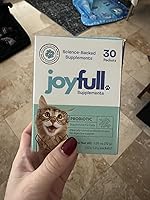
One side note that often helps owners think more clearly about pet nutrition in general. Species and life stage both matter. A product such as Probiotic Supplement for Cats - 30 Single-Serving Packets is veterinarian-formulated for cats, uses clinically-tested probiotic strains, includes real beef bone broth, and is third-party tested for potency and purity. Useful product details like that are important, but they only matter when the formula matches the right animal and the right need. Puppy food works the same way. "High protein" only helps if the full formula fits a growing dog.
The Benefits of Quality Protein for Growth and Energy
Not all protein does the same job equally well. The number on the label matters, but the source of the protein shapes how useful that food is for your puppy's body.
Why protein quality matters
High-protein puppy foods are commonly built around protein sources like chicken, beef, lamb, and fish, and they differ from adult foods not just in protein but also in fat and calcium. Chewy's puppy food overview notes that puppy foods are formulated with minimum fat of 8.5% versus 5.5% for adults and minimum calcium of 1.2% versus 0.5% for adults. Those nutrients work together to support growing teeth, bones, and active bodies.
Owners often get tripped up. They focus on the protein percentage and skip over the rest of the recipe. But your puppy doesn't use protein in isolation. A strong body needs fuel, building blocks, and structural support all at the same time.
A quality puppy formula usually gives you that broader support:
- Named animal proteins: Chicken, beef, lamb, or fish give you a clearer picture of what the food is built from.
- Energy for growth: Puppies burn through calories as they play, learn, and grow. Fat helps cover those energy needs.
- Bone support: Calcium works alongside the rest of the diet to support developing teeth and bones.
- Development support: Some puppy foods also include DHA, often from fish oil, to support brain and eye development.
Practical rule: When you compare two puppy foods with similar protein levels, the better question is often, "Which one uses clearer, more purposeful ingredients for growth?"
What you may notice at home
Owners usually want to know what "good nutrition" looks like in everyday life. You may see it in a puppy who plays hard, recovers well, keeps building lean muscle, and has healthy-looking skin and coat. You may also notice more consistent stool quality and steadier appetite when a food agrees with them.
That's one reason I encourage people to think in terms of quality protein, not just high protein puppy food as a buzz phrase. A thoughtful formula supports the visible things you care about and the hidden things you can't see, like tissue growth and skeletal development.
If your puppy seems bright, engaged, eager to eat, and physically steady as they grow, that's usually a better sign than any bold claim on the front of a bag.
How to Read a Puppy Food Label Like an Expert
The label tells you much more than the front of the bag. Once you know where to look, you can compare foods calmly instead of guessing.

Start with the ingredient list
Read the first several ingredients slowly. You don't need to decode every word. You just want to answer a few practical questions.
- Is there a named animal protein near the top? "Chicken," "beef," or "salmon" gives you more clarity than vague wording.
- Is the food clearly intended for puppies or growth? Life-stage fit matters as much as ingredient appeal.
- Does the formula look balanced rather than trendy? Puppies need complete nutrition, not a bag built around one flashy claim.
The ingredient list helps you understand the food's identity. The guaranteed analysis helps you compare the numbers on the bag.
If you want a deeper walkthrough, this article on making sense of pet food labels is a helpful companion while you're shopping.
Use dry matter basis to compare foods fairly
This is the part many owners skip, and it's one of the most useful tools you can learn. Some foods look higher in protein because they contain less water. To compare foods fairly, use dry matter basis, often shortened to DMB.
WagWalking's guide to high-protein puppy food explains the calculation this way: divide the as-fed protein percentage by the dry matter percentage, which is 100% minus moisture%, then multiply by 100.
Here's the simple version:
- Find the protein percentage on the guaranteed analysis.
- Find the moisture percentage on the same panel.
- Subtract moisture from 100 to get dry matter.
- Divide protein by dry matter.
- Multiply by 100.
For example, if two foods look different on the front, DMB helps you compare the actual protein concentration in the food once water is removed. That's especially useful when you're comparing dry food to food with a higher moisture content.
If label math makes your eyes glaze over, ask your vet clinic to help you compare two options. We do this kind of thing all the time, and it can save you from choosing based on packaging alone.
One more label habit helps a lot. Look for the nutritional adequacy statement. That sentence tells you whether the food is complete and balanced for growth. For a puppy, that's absolutely necessary.
Beyond Protein The Risks of an Unbalanced Diet
The conversation gets more nuanced. A lot of owners hear "protein supports growth" and understandably conclude that more protein must always mean better growth.
That isn't the safest way to think about puppy nutrition.
The protein myth that causes trouble
The most overlooked issue in high protein puppy food isn't always protein itself. It's the risk of chasing a high number while ignoring the rest of the formula.
Raised Right's discussion of high-protein dog food points out a key problem: the idea that higher protein automatically means better growth ignores the importance of the calcium-to-phosphorus ratio for skeletal development. It also warns that excessive protein paired with an imbalanced mineral profile can pull calcium from the developing skeleton and accelerate bone disease.

That matters most in puppies whose bones are growing quickly, especially large-breed dogs. Their bodies don't just need enough nutrients. They need the right balance of nutrients for controlled, healthy development.
Why mineral balance matters so much
It's like building a ladder. Protein helps provide the material, but minerals influence whether the rungs are spaced and supported correctly. If the structure is off, adding more material doesn't fix the design problem.
A balanced puppy food should support:
- Steady skeletal growth: Not rushed growth at the expense of joint support.
- Appropriate mineral intake: Calcium and phosphorus need to work together.
- Digestive tolerance: A food that looks strong on paper still has to agree with your puppy's stomach.
- Whole-body development: Muscles, bones, brain, and energy all need support.
Some owners also use canine gut health supplements as part of a broader digestion plan when transitioning foods or supporting a sensitive stomach, but supplements don't correct a poorly balanced base diet. The foundation still has to be the food itself.
Balanced puppy nutrition is less about pushing one nutrient as high as possible and more about supporting safe growth from multiple angles.
If your puppy is a large breed, this is a good reason to ask your veterinarian whether a breed-specific growth formula makes more sense than a generic high-protein option.
Feeding Schedules and Transitioning to a New Food
Even an excellent food can cause trouble if you switch too fast. Most digestive upset during a food change happens because the transition was abrupt, not because the new food was automatically wrong.

A gentle food transition plan
A slow transition gives your puppy's digestive system time to adjust to new ingredients, fat levels, and protein sources. Many clinics suggest a gradual change over about a week, sometimes longer if your puppy has a sensitive stomach.
A practical way to do it looks like this:
- Start small: For the first part of the transition, use mostly the old food with a smaller amount of the new one.
- Increase gradually: Every couple of days, raise the share of the new food and lower the old food.
- Pause if needed: If stool gets loose or your puppy seems uncomfortable, hold at the current mix before moving forward.
- Finish fully: Once your puppy is doing well on the new ratio, complete the switch.
Go slower than you think you need to. A cautious transition is easier than cleaning up the results of a rushed one.
Simple feeding routine reminders
A few routine habits make any puppy diet work better:
- Feed measured meals: Free-feeding can make it harder to monitor appetite and stool changes.
- Use the bag only as a starting point: Feeding guides are general. Your puppy's body condition and growth pattern matter more.
- Watch the puppy, not just the bowl: Steady energy, normal stool, and healthy body condition tell you a lot.
- Keep treats in proportion: Treats can throw off balance if they start replacing too much of the main diet.
If you're switching into a high protein puppy food, that careful transition matters even more. Richer formulas can be a great fit, but they still need to be introduced thoughtfully.
Common Questions About High Protein Diets
A lot of the stress around puppy food comes from hearing one strong opinion after another. The most helpful answers usually live in the middle, where context matters.
Can high protein hurt a healthy puppy's kidneys
For a healthy puppy, high protein isn't automatically harmful. Hill's explanation of protein in dog food states that protein levels above the AAFCO minimum, including up to 30-32%, are generally safe and used effectively in healthy puppies when the diet is complete and balanced. The concern about high protein is mainly for dogs with existing kidney disease.
That distinction gets lost all the time. People hear that some dogs with kidney disease need special diets and assume the same warning applies to every puppy. It doesn't.
Do large breed puppies need something different
Often, yes. Large-breed puppies can benefit from food formulated for controlled growth rather than the highest protein number on the shelf. For them, mineral balance becomes especially important. If you have a Labrador, Golden Retriever, German Shepherd, Great Dane, or another large-breed puppy, ask your vet whether a large-breed puppy formula is the better choice.
What are signs a food isn't the right fit
A food may not suit your puppy if you notice persistent loose stool, repeated stomach upset, poor appetite, or growth concerns. Some puppies also seem overfed or underfed even when owners follow the bag directions closely. That's why body condition matters more than blindly sticking to the printed feeding chart.
Watch for patterns, not one odd day. Puppies have off days just like we do.
When should a puppy switch to adult food
That depends on your dog's size, breed, and growth rate. Smaller dogs often mature sooner than large dogs. The right timing isn't based on boredom with the bag or finishing a case. It's based on whether your puppy has finished the main growth phase and is ready for maintenance nutrition.
If you're unsure, this is a good question for your veterinarian during a routine visit. They can look at body condition, growth pattern, and breed expectations before you make the switch.
If you're trying to make smarter nutrition choices without getting buried in marketing language, Joyfull is worth a look. The brand focuses on clean ingredients, high-quality proteins, and formulas reviewed by an in-house veterinary advisor, which fits the same practical approach that helps puppy owners make calm, informed decisions.