Dog Treats Vegetarian: A Vet-Informed Guide for 2026
You're standing in the treat aisle, holding a bag that says “vegetarian,” and trying to decide what that word means for your dog. Is it a smart option for a dog with tummy trouble? A helpful workaround for a chicken-sensitive pup? Or just another label that sounds healthier than it is?
That confusion makes sense. Treat packaging often compresses a lot of nutrition talk into one simple idea: meat-free must mean gentler. Sometimes that's true. Sometimes it isn't. A dog can react badly to beef and do well on a vegetarian biscuit. Another dog can struggle with wheat or soy and feel worse on the very same product.
Interest in plant-based feeding for dogs is real, not fringe. A peer-reviewed review found that 10.4% of surveyed dog owners reported intermittently feeding their dogs vegetarian or plant-based foods, which helps explain why shelves now include more specialized snacks and chews (peer-reviewed review of pet owner feeding practices).
That still leaves the practical question: should your dog eat them?
The useful way to answer that is not “vegetarian equals good” or “dogs need meat in every treat.” It's simpler and more careful than that. Look at what kind of treat it is, what ingredients it uses, whether your dog has a known trigger, and how much of it you plan to feed.
Table of Contents
- Introduction More Than Just a Veggie Snack
- Defining Vegetarian Dog Treats and Their Variations
- The Nutritional Logic Behind Plant-Based Treats
- Navigating Allergies and Digestive Sensitivities
- How to Read and Decode Vegetarian Treat Labels
- Homemade Vegetarian Treats and Safe Portioning
- Conclusion Making the Right Choice for Your Dog
Introduction More Than Just a Veggie Snack
A vegetarian dog treat isn't automatically better. It isn't automatically worse, either. It's just a category, and categories can hide a lot of variation.
Some products in the dog treats vegetarian space are simple and useful. They avoid common animal proteins, use digestible starches, and work well for dogs who need a narrow ingredient list. Others lean heavily on cheap fillers, long ingredient panels, or plant ingredients that can still bother a sensitive dog.
That's where owners get tripped up. They focus on what's missing, usually meat, and miss what's added in its place.
Practical rule: The best treat for a sensitive dog is the one with ingredients your dog tolerates well, not the one with the most appealing front-of-bag claim.
A second source of confusion is the role treats play in the diet. Owners often judge them as if they were meals. That's not how they're used. A biscuit for training, a chew after dinner, and a soft reward during medication time all do different jobs. A good vegetarian treat should fit that job without creating a new problem.
If your dog has itchy skin, soft stool, gassiness, frequent paw licking, or repeated ear trouble, a vegetarian option may help. But only if the ingredient list matches the problem you're trying to solve. A chicken-sensitive dog may do well on a rice-and-pea treat. A dog that reacts to wheat may not.
The labels that get mixed up
Vegetarian usually means no meat, but it may still include ingredients such as eggs or dairy.
Vegan means no animal-derived ingredients at all.
Plant-based is broader. It often means most ingredients come from plants, but the term can be looser on packaging than owners expect.
The principle is similar to human food. A vegetarian pizza and a vegan salad are both meat-free, but they are not nutritionally or ingredient-wise the same thing. The same applies to dog treats.
Defining Vegetarian Dog Treats and Their Variations
A bag can say “vegetarian” and still look very different from another bag with the same claim. That matters because ingredient details, not marketing language, decide whether a treat is likely to suit your dog.

The labels that get mixed up
When clients ask me about dog treats vegetarian options, I usually sort the shelf into four practical groups:
- Vegetarian treats include no meat, but may contain egg, cheese, yogurt, or other animal-derived ingredients.
- Vegan treats remove all animal ingredients.
- Plant-based treats often center plant ingredients but may use the term more flexibly.
- Limited-ingredient treats focus on fewer components, and many happen to be vegetarian or mostly plant-based.
That last category matters for sensitive dogs. A vegetarian treat with twelve ingredients may be a worse choice than a non-vegetarian treat with three ingredients if your goal is allergy control.
Some owners also want treats that feel more food-like and less processed. In that case, fruit-forward options can be useful if the ingredient list stays straightforward. For example, Roscoe Stella's fruit treats are the kind of product worth examining as a label-reading exercise because they shift attention from “is it meat-free?” to “what exactly is in it?”
Shape matters less than ingredient base
Vegetarian treats come as biscuits, crunchy cookies, soft chews, jerky-style strips, dental sticks, and tiny training rewards. The form tells you less than the formula.
A soft training bite may be easier for an older dog to chew. A crunchy biscuit may help with handling and portioning. A chew may last longer, but it can also hide a more complicated ingredient list.
Here's the shortcut I teach busy owners:
- Start with the protein and starch sources. Rice, peas, oats, potatoes, soy, chickpeas, and lentils are common.
- Scan for dairy or egg. These can still matter for dogs with broader food sensitivities.
- Check whether the product is simple or crowded. Fewer ingredients often makes troubleshooting easier.
- Ignore the halo words at first. “Natural,” “wholesome,” and “plant-powered” don't tell you enough on their own.
A vegetarian treat is defined more by its ingredient pattern than by its package design, shape, or health claims.
The Nutritional Logic Behind Plant-Based Treats
Your dog does not judge a treat by ideology. The body judges it by what nutrients arrive, how well they are digested, and whether the ingredient mix agrees with that individual dog.

Dogs need nutrients, not buzzwords
Dogs are omnivores, so a vegetarian treat can fit into a healthy routine. The key question is whether the recipe delivers useful protein, enough fat for palatability, and ingredients your dog handles well.
Protein is often the first concern. That makes sense, but “protein” on a label is only the starting point. What matters more is the amino acid mix and digestibility. Plant ingredients can contribute those amino acids, yet they usually work best in combination. Rice protein, pea protein, soy, potato protein, oats, and legumes each bring something slightly different, much like a choir where no single voice has to carry the whole song.
For owners who like a simple comparison, a complete high protein vegan foods list shows the same broad idea in human nutrition. Variety can improve the overall protein pattern.
How these formulas are usually built
Most vegetarian dog treats use a practical structure. One ingredient provides shape and starch. Another raises protein. A fat source improves texture and taste. Then a few smaller ingredients help with binding, shelf stability, or added micronutrients.
A biscuit might pair rice or oats with pea protein and sunflower oil. A soft chew may use potato or tapioca for texture, plus yeast, flax, or glycerin to keep it pliable. None of that makes the treat good or bad on its own. It shows that plant-based treats are engineered in layers, not around one “superfood” on the front of the bag.
That matters for sensitive dogs. If a company relies heavily on one plant ingredient, such as soy or peas, the formula may look clean but still be a poor match for a dog that reacts to that ingredient. A more balanced formula can spread the nutritional job across several components instead of placing all the weight on one source.
Why a treat can be vegetarian and still make sense nutritionally
Treats are not meant to function as a complete diet. They are small extras. So the goal is not to make every biscuit nutritionally perfect in isolation. The goal is to choose treats that complement the main diet without adding avoidable trouble.
Here is the practical framework I use with owners:
- Look for a clear protein contribution, not just starch dressed up as a treat.
- Check whether the fat source is named, such as sunflower oil or flaxseed.
- Favor shorter ingredient lists when you are trying to sort out sensitivities.
- Be cautious with recipes built around common trigger ingredients for your dog, even if the package says vegetarian.
- Treat added fibers, herbs, and trendy extras as secondary. The base formula matters more.
Some products also include ingredients intended to support the gut. That can be useful for dogs whose stool quality changes easily, although it does not replace careful ingredient selection. If you are comparing support options, you may also see prebiotics for dogs mentioned alongside treat choices.
A good vegetarian treat works like a balanced recipe, not a marketing claim. The ingredient pattern, digestibility, and fit for your dog matter more than the plant-based label itself.
Navigating Allergies and Digestive Sensitivities
Often, the marketing gets sloppy. “Vegetarian” is frequently treated as if it means “safe for sensitive dogs.” That's too broad to be useful.

A quick visual overview can help before you read labels in detail.
When vegetarian helps
A vegetarian treat can be very useful if your dog's known trigger is a specific animal protein. If chicken sets off itching, or beef seems tied to GI upset, removing that protein from the reward routine can reduce accidental re-exposure.
This matters more than many owners realize. Dogs often get their “cheats” through treats, training rewards, flavored medications, and table scraps. A carefully chosen vegetarian treat can plug one of those gaps.
When vegetarian still causes trouble
Veterinary guidance is more nuanced than the shelf tags suggest. Switching to a plant-based treat is not a guaranteed solution for allergies, because dogs can also react to common vegetarian ingredients like wheat or soy. Careful ingredient control matters more than the absence of meat (veterinary guidance on vegetarian treats and sensitivities).
That's why I separate true food allergy work from casual treat swapping.
If your dog has persistent symptoms, use this framework:
- Name the symptom clearly. Itching, ear debris, loose stool, vomiting, licking feet, and gassiness don't all point to the same cause.
- List every edible item. Treats count. Dental chews count. Flavored supplements count.
- Look for repeat ingredients. You may find wheat, soy, chicken fat, dairy, or peanut butter showing up everywhere.
- Use an elimination plan with your veterinarian if the problem is ongoing or severe.
- Reintroduce only one new treat at a time. Otherwise you won't know what helped or hurt.
A lot of owners need help with that sorting process, especially when a dog's stomach is sensitive but the exact trigger is unclear. This practical article on choosing treats for sensitive pups is useful because it frames the issue around tolerance, not just trendy labels.
Common plant-based trouble spots include:
- Wheat in crunchy biscuits
- Soy in protein-boosted formulas
- Corn in lower-cost treats
- Potato in some limited-ingredient products
- Peanut butter in homemade and commercial snacks
- Dairy or egg in treats marketed as vegetarian but not vegan
The right question isn't “Is this vegetarian?” It's “Does this ingredient list avoid my dog's actual triggers?”
How to Read and Decode Vegetarian Treat Labels
You are standing in the pet store with two bags in your hand. Both say vegetarian. One may be a simple, well-tolerated biscuit for your dog. The other may hide the same plant ingredient that keeps triggering itchy skin or loose stool. The front of the package will not tell you that. The back usually will.

A practical way to read the label
Start with the ingredient list, not the marketing words. “Vegetarian” only tells you what is missing. It does not tell you whether the treat contains wheat, soy, potato, peanut butter, dairy, or egg. For a sensitive dog, those details matter more than the headline on the bag.
A label works a bit like a recipe card. The first several ingredients usually make up the core of the treat, so they give you the clearest picture of what your dog will eat most of.
Read the package in this order:
- First, identify the starch base. Look for rice, oats, barley, sweet potato, potato, or corn. This is often where a sensitive dog either does well or runs into trouble.
- Next, find the protein contributors. In vegetarian treats, that may be pea protein, soy, rice protein, egg, cheese, or other dairy ingredients.
- Then scan for smaller add-ins. Flavorings, brewer's yeast, oils, glycerin, and fiber sources can affect digestion or make troubleshooting harder.
- Finish with the guaranteed analysis. Protein, fat, fiber, and moisture help you compare products, but they do not identify the exact ingredient that may bother your dog.
If label wording feels slippery, Joyfull's guide for dog owners gives a clear general framework for reading pet food packaging.
What to focus on for a sensitive dog
For allergy-prone dogs, the goal is not to find the most impressive-looking label. The goal is to find the shortest path to a clear answer. A shorter ingredient list usually makes that easier.
Here is a simple scorecard:
| Look For These | Be Careful With These |
|---|---|
| A short ingredient list you can scan in seconds | Long ingredient panels with many possible triggers |
| Clearly named ingredients such as oats, rice flour, or pea protein | Vague terms such as “vegetable derivatives” or unclear fiber sources |
| One main starch source and one main protein source | Several concentrated plant proteins in the same treat if your dog is still in the trial-and-error stage |
| Named fats such as sunflower oil | Wheat, soy, corn, potato, peanut butter, dairy, or egg if your dog has reacted to them before |
| Treats that match your dog's current elimination or limited-ingredient plan | “Vegetarian” claims that distract from the actual ingredient list |
One point confuses many owners. “Plant-based” does not always mean “low risk.” A biscuit made with wheat and soy is still vegetarian. For some dogs, that is perfectly fine. For others, it is exactly the combination you are trying to avoid.
Small label clues that save time
If your dog is sensitive, read for repeats. If the treat contains pea protein, pea flour, and whole peas, peas are playing a bigger role than the package may suggest. The same logic applies to soy, potato, and other common ingredients.
Also watch for vegetarian treats that are not vegan. Some include cheese, milk powder, yogurt, egg, or butter. That may be acceptable for one dog and a problem for another.
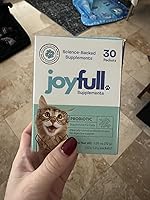
Households with both dogs and cats often notice that careful label reading becomes a habit across all pet products. For example, Probiotic Supplement for Cats - 30 Single-Serving Packets, which costs $30, is a cat supplement rather than a dog treat, but it shows the kind of details worth checking on any label: ingredient identity, formulation purpose, third-party testing notes, and serving format.
A good vegetarian treat label should answer simple questions quickly. What is the main base? What supplies the protein? Are any known triggers present? If you cannot answer those in under a minute, put the bag back and choose a clearer one.
Homemade Vegetarian Treats and Safe Portioning
Homemade treats can work well if your goal is control. You choose the ingredients, you skip the ones your dog doesn't tolerate, and you can make tiny batches during food trials.
Easy homemade ideas
A few simple combinations tend to be practical for most owners:
- Pumpkin and oat bites using plain pumpkin puree and ground oats.
- Sweet potato chews made by slicing and baking sweet potato until dry and chewy.
- Peanut butter oat biscuits if your dog tolerates peanuts and the peanut butter contains only peanuts.
Keep the recipes plain. You don't need a long ingredient list to make a useful treat.
If you like adding crunchy vegetables to a dog's routine, it helps to check safety first. This El Paso guide on dog celery is the kind of practical reference owners use when deciding whether a fresh ingredient belongs in the snack rotation.
Portion control and kitchen safety
Treats are still treats, even when they're homemade. According to AAFCO, treats and snacks are intended for intermittent or supplemental feeding only, and intake should be limited so they don't unbalance a dog's complete diet (AAFCO guidance on treats and chews).
That means homemade vegetarian treats should stay in the “extra” category, not drift into meal replacement.
A few kitchen rules matter every time:
- Skip toxic ingredients. Avoid onions, garlic, grapes, raisins, and xylitol.
- Use plain ingredients. Pumpkin pie filling and sweetened nut butters don't belong in dog treats.
- Keep portions small. A training reward can be tiny and still be effective.
- Store carefully. Homemade treats spoil faster than shelf-stable commercial products.
Homemade is useful when you need simplicity. It isn't safer by default unless the ingredients and portions are handled carefully.
Conclusion Making the Right Choice for Your Dog
Vegetarian treats can be a smart tool. They can help reduce exposure to certain animal proteins, add variety, and fit dogs who do well with specific plant ingredients. They can also miss the mark if you assume meat-free means allergy-friendly.
The most reliable way to choose is to stay concrete. Check the ingredient list. Match it to your dog's history. Keep the formula simple if your dog is sensitive. Introduce one new product at a time and watch skin, stool, appetite, and comfort.
A short checklist helps:
- Know your reason. Are you avoiding a specific animal protein, or just trying variety?
- Check the first ingredients. They tell you what the treat is mostly made from.
- Look for your dog's actual triggers. Wheat, soy, dairy, egg, peanut, and potato can matter.
- Feed treats like treats. They should support the main diet, not compete with it.
- Ask your veterinarian for help if symptoms are ongoing or hard to pin down.
The category is likely to stay relevant. One market report projects the global vegan dog treats market at USD 1.5 billion in 2025, rising to USD 2.2 billion by 2033, which suggests plant-based treats are part of a broader shift in pet nutrition rather than a passing novelty (projected vegan dog treats market growth).
That's good news for owners. A more established category usually means more options, clearer labeling, and better formulations. The best choice still comes down to your dog in front of you, not the trend around you.
If you want a practical, label-conscious approach to pet wellness, Joyfull focuses on clean ingredients, straightforward formulations, and veterinary-reviewed products that help owners make calmer, better-informed choices for their pets.