Calming Dog Food: A Vet-Reviewed Guide for Anxious Pups
Some dogs tell you they’re worried with noise. Others tell you with silence.
It’s the dog who shadows you from room to room, then whines the moment you close the bathroom door. It’s the dog who starts pacing when dark clouds roll in. It’s the shredded cushion, the wet paw prints near the front window, the refusal to eat on stressful days. If that sounds familiar, you’re not overreacting by looking for help. Anxiety in dogs is common, and it deserves support, not blame.
Food won’t replace training, behavior work, or a safe routine. But nutrition can be one useful part of a bigger plan. That’s one reason so many owners are searching for calming support. The pet calming products market report from Grand View Research notes that the global pet calming products market was valued at USD 17.24 billion in 2024, and dog-specific products made up about 52% of the industry.
Table of Contents
- Introduction Beyond Anxious Barks and Pacing Paws
- What Is Calming Dog Food Really
- Decoding the Label Key Calming Ingredients
- The Science and Safety of Calming Diets
- How to Choose the Best Calming Food for Your Dog
- A Practical Guide to Introducing Calming Food
- Frequently Asked Questions About Calming Diets
Introduction Beyond Anxious Barks and Pacing Paws
A worried dog can make a whole home feel tense. You hear the collar jingling as your dog circles the front door again. You notice the lip licking, the yawning that isn’t about sleep, the way dinner sits untouched when company comes over. Many owners assume they’ve done something wrong. Usually, they haven’t.

Some dogs struggle with noise. Some struggle with absence. If your dog panics when left alone, it can help to understand how fear of being alone relates to autophobia and separation anxiety. Human anxiety and canine anxiety aren’t the same thing, but the resource is useful for thinking about how isolation can amplify distress and why support plans need to be compassionate, not punitive.
What owners often miss
Anxiety isn’t always dramatic. It can look like clinginess, digestive upset around stressful events, restlessness at bedtime, or a dog who seems unable to settle even after exercise. Owners often search for a single ingredient that will “fix” it. That’s understandable, but it’s rarely how calming dog food works.
Practical rule: If your dog’s behavior changes suddenly, starts getting more intense, or appears alongside vomiting, diarrhea, pain, or sleep disruption, start with your veterinarian before changing food.
A calmer dog usually comes from layers of support working together. That might include predictable routines, more thoughtful enrichment, behavior training, and a diet that supports a steadier baseline. Food doesn’t teach coping skills. What it can do is help create a body that’s less primed for overreaction.
That distinction matters. It changes the goal from “knock my dog out” to “help my dog feel more balanced.”
What Is Calming Dog Food Really
Calming dog food is best understood as functional nutrition for the nervous system. It isn’t a tranquilizer in kibble form. It’s food designed to support a dog’s ability to stay more regulated under everyday stress.

Support, not sedation
Think of your dog’s nervous system like a musical instrument. Sedation turns the volume down. Calming nutrition aims to tune the instrument so the sound is less sharp and chaotic to begin with.
That means the right calming dog food shouldn’t leave most dogs foggy or disconnected. The goal is a dog who can still learn, play, and respond to cues, but who isn’t starting every stressful moment from such a high level of internal tension.
This is also why food works best for dogs with a pattern of stress, not just a one-time hard day. It helps shape the background conditions in the body. It doesn’t act like an emergency switch.
Why the whole diet matters
Owners often focus only on “special calming ingredients.” I’d rather they look at the full nutritional picture. A food can contain promising ingredients and still underperform if the overall formula is hard to digest or poorly tolerated.
That’s where gut support enters the conversation. If you want a useful primer on that broader idea, this guide to the best dog food for gut health helps explain why digestive comfort can influence more than stool quality.
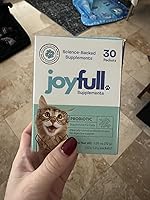
A practical example is Probiotic Supplement for Cats - 30 Single-Serving Packets. It isn’t a dog product, so it’s not a calming dog food recommendation for dogs. But it’s a clear illustration of what careful gut-support formulation looks like: real beef bone broth, veterinarian-formulated clinically-tested probiotic strains, third-party testing for potency and purity, and individually sealed servings to help preserve probiotic potency. That kind of formulation logic matters because calming plans often work better when the digestive system is also being supported appropriately for the species.
Here’s the simplest definition I give owners:
- Calming dog food supports regulation: It may help lower a dog’s stress baseline over time.
- It doesn’t replace medication when medication is needed: Severe panic, self-injury, or dangerous behavior needs direct veterinary guidance.
- It works best as part of a plan: Food, environment, and training should point in the same direction.
Decoding the Label Key Calming Ingredients
Ingredient lists can feel like a chemistry exam. A better way to read them is to ask one question at a time: what is this ingredient supposed to do in the body?

L-theanine and calm alertness
L-theanine is one of the better-known calming ingredients in dog products. It’s an amino acid derived from tea plants, and its appeal is that it supports calm without aiming to knock a dog out. According to an evidence-based review of calming treats, a 2015 study found that L-theanine significantly decreased anxiety scores and reduced behaviors such as panting and pacing in dogs with storm sensitivity.
That same review describes L-theanine as affecting several neurotransmitters, including GABA, serotonin, and dopamine, while also inhibiting glutamate. In plain language, that means it may help shift the brain away from a more overexcited state.
A useful calming ingredient should help your dog stay reachable. If your dog seems heavily dulled, that’s a different effect from balanced support.
For owners who want food plus treat options, you can also discover safe calming options for dogs and compare how different formats fit different situations.
Tryptophan, minerals, and herbs
Tryptophan is an amino acid many owners recognize from discussions about mood. The easiest way to think about it is as raw material. It helps provide the building blocks the body uses in pathways related to serotonin.
Magnesium is often discussed because the nervous system and muscles both rely on it. If a dog’s overall diet is imbalanced, that can make normal relaxation harder.
Chamomile shows up often in calming formulas. It’s usually included for its traditional soothing role. I’d treat it as a supporting player, not the star of the show.
A simple comparison helps:
| Ingredient | What it’s trying to support | Best way to think about it |
|---|---|---|
| L-theanine | Calm alertness | Helps reduce mental overactivation without aiming for drowsiness |
| Tryptophan | Mood-related pathways | Supplies building material rather than acting like a sedative |
| Magnesium | Normal nerve and muscle function | Supports the body’s basic relaxation machinery |
| Chamomile | Mild soothing support | Often a gentle add-on, not a standalone answer |
What to look for on a label
You don’t need to memorize biochemistry. You do need to stay skeptical of vague packaging.
Look for these clues:
- Named functional ingredients: L-theanine is more informative than a broad claim like “calming blend.”
- A complete-diet mindset: The full food should still meet your dog’s digestive and protein needs.
- A clear purpose: Some formulas are better suited to daily baseline support than sudden stressful events.
If a label reads like marketing first and nutrition second, pause. A calming claim is only useful if the formula around it makes sense.
The Science and Safety of Calming Diets
Some calming ingredients have meaningful evidence behind them. Others are better described as reasonable supportive tools. The bigger picture is that the gut and brain are connected, and dogs don’t experience stress in only one body system.

The gut and the brain stay in constant contact
When a dog is stressed, digestion often changes. Stool can loosen. Appetite can dip. Gas can worsen. The reverse can also happen. A dog with chronic digestive discomfort may seem more irritable, restless, or hard to settle. That’s the practical face of the gut-brain axis.
The key point isn’t that every anxious dog has a gut problem. It’s that digestive comfort changes how well a dog uses nutrients and how stable the body feels day to day. A dog with an unsettled gut may have a harder time benefiting from calming ingredients because the body isn’t in a good position to process and use them consistently.
This is why some owners see better results when they stop chasing trendy add-ins and start asking more basic questions. Is the food gentle on my dog? Is stool consistent? Is mealtime predictable? Is my dog less physically uncomfortable?
Where alpha-casozepine fits
One ingredient worth knowing is alpha-casozepine, a bioactive peptide derived from hydrolyzed milk protein. PetMD explains that alpha-casozepine can support chronic and separation anxiety by working on GABA receptors. That mechanism matters because it helps explain why some calming diets feel more neurologically targeted than a simple herb blend.
This ingredient is often a better fit for dogs who live with a steady undercurrent of worry than for dogs who only need help in a sudden event. That doesn’t make it weak. It makes it specific.
Some calming diets work more like steady scaffolding than a fire extinguisher.
For dogs whose anxiety overlaps with digestive sensitivity, paying attention to dog gut health may be part of the same conversation, especially when stress and stool changes tend to rise together.
Safety questions worth asking
Safety is less about whether an ingredient sounds natural and more about whether the formula is appropriate for your dog.
Ask these questions before changing diets:
- Does my dog have a medical issue that could mimic anxiety? Pain, cognitive decline, skin disease, and digestive disease can all change behavior.
- Is my dog already on medication or supplements? Your veterinarian should review the full list.
- Is the formula meant for daily feeding? A complete food is different from an occasional chew.
- Can I tell what each active ingredient is doing? If not, the label may be doing more storytelling than informing.
The safest calming dog food is one chosen with your dog’s whole health in mind, not just their most stressful symptom.
How to Choose the Best Calming Food for Your Dog
The best calming dog food for your dog might be the wrong one for your neighbor’s dog. That’s not marketing spin. It’s how bodies work.
Match the food to the type of anxiety
A dog who trembles during fireworks has a different pattern from a dog who never fully relaxes when left alone. A dog with stress-related diarrhea may need a different approach from a dog who startles easily.
Try sorting your dog’s stress into one of these broad buckets:
- Event-driven anxiety: thunderstorms, car rides, guests, grooming visits
- Chronic baseline anxiety: always on edge, poor settling, constant vigilance
- Separation-related distress: panic when you leave, vocalizing, destructive behavior
- Stress linked to digestive upset: anxiety and stomach trouble seem to flare together
That simple sorting exercise can keep you from buying a formula that makes sense on paper but not in real life.
Digestibility changes the outcome
One of the most overlooked facts in this area is that digestibility matters as much as ingredient presence. The IHeartDogs discussion of foods that help anxious dogs notes that highly digestible, lightly cooked diets can improve nutrient absorption, and that directly affects whether the body can use calming ingredients well.
That point deserves more attention. If your dog can’t comfortably process the diet, then the label’s calming features may never get a fair chance to help.
Look for signs that digestibility should be part of your decision:
- Meals seem to trigger discomfort: burping, lip licking, stool changes, grass eating
- Your dog has a history of food sensitivity: ingredient quality alone won’t solve tolerance issues
- Stress and digestion seem linked: many owners notice both rise together
A simple decision filter
When I help owners think through options, I usually suggest this filter:
| Question | Why it matters |
|---|---|
| Can my dog digest this food comfortably? | Calm is harder to achieve in an uncomfortable gut |
| Does the formula match the pattern of anxiety? | Daily support and situational support aren’t always the same |
| Can I identify the active calming ingredients? | Specificity is better than a vague “relax blend” |
| Will my dog actually eat it consistently? | The perfect formula won’t help if meals become a battle |
If you want one brand example in this space, Joyfull positions its formulas around clean ingredients, high-quality proteins, and veterinary review. That’s useful context when you’re comparing products, but the same standard should apply to any food you consider. Ask what’s in it, why it’s there, and whether it fits your dog’s actual pattern.
A Practical Guide to Introducing Calming Food
Changing food too fast can create the very discomfort you’re trying to avoid. For an anxious dog, that can muddy the picture even more.

Transition slowly and watch closely
A gradual transition over 7 to 10 days is the usual practical approach for many dogs. Start with a small amount of the new food mixed into the old diet, then increase the new portion little by little while watching stool quality, appetite, scratching, energy, and overall behavior.
Don’t evaluate the food on day two. A dog may need time to adjust to the diet itself before you can judge whether the calming support is helping.
The other reason to stay patient is individuality. The NJDog article on calming foods for dogs points out that response can depend on specific stress triggers, underlying sensitivities, and even gut microbiome composition. That’s why one dog improves on a formula that does very little for another.
A good transition plan often looks like this:
- Change one thing at a time: New food plus new supplements plus new training makes it hard to know what’s helping.
- Keep routines boringly consistent: Meals, walks, departures, and bedtime should stay predictable.
- Track behavior in context: Note whether pacing happens during storms, departures, visitors, or random quiet periods.
Here’s a helpful visual overview before you start:
What to track at home
A tiny notebook or phone note is enough. You’re looking for patterns, not perfection.
- Behavior changes: pacing, barking, hiding, clinginess, settle time
- Digestive clues: stool consistency, gas, appetite, nausea-like signs
- Recovery time: how quickly your dog returns to baseline after a trigger
If your dog’s anxiety is severe, keep the food change separate from behavior treatment. Use both, but don’t delay professional help while waiting for nutrition to do a job it can’t do alone.
Frequently Asked Questions About Calming Diets
How long does calming dog food take to help
It depends on the dog, the formula, and the kind of anxiety you’re dealing with. Foods aimed at daily support usually need consistency and time. Judge trends over weeks, not a single stressful afternoon.
Can I use calming food with supplements or medications
Sometimes, yes. But your veterinarian should review the combination. That matters even more if your dog takes prescription medication, has a medical condition, or eats a therapeutic diet.
Is calming dog food okay for puppies and seniors
Some products may be appropriate, but life stage matters. Puppies have growth needs, and seniors may have medical issues that change what’s safe or useful. Ask your veterinarian to check that the food matches your dog’s age and health status.
Could travel or routine changes still trigger anxiety
Absolutely. A supportive diet can help, but it won’t erase every trigger. If you’re planning a getaway with your dog, practical prep still matters. These tips for dog-friendly Florida beach trips are a good reminder that travel comfort, routine, and environment can all affect how calm your dog feels.
A calming dog food works best when you treat it as one steady part of a larger support system. Food can help lower friction inside the body. Your routine, training, and environment help your dog handle the world outside it.
If you’re comparing calming nutrition options and want a brand that centers clean ingredients and veterinary review, take a look at Joyfull. Their approach is built for pet owners who read labels carefully and want practical wellness support without the noise.