Allergen Free Dog Treats: A Vet-Informed Guide
Your dog gets one tiny treat after going outside, then spends the evening licking his paws. The next day, his ears are red again. A few days later, his stool is off. If you're in that cycle, you're not overthinking it. Treats are small, but for a sensitive dog, they can act like repeated little exposures that keep the problem going.
That's why allergen free dog treats matter so much. Not because a bag says something reassuring on the front, but because treats can either support your dog's food trial or inadvertently derail it. And right now, pet parents have more choices than ever. One market forecast projects the global dog treats market will rise from USD 44.2 billion in 2025 to USD 336.3 billion by 2035, with specialized products, including options for allergy-prone dogs, playing a growing role in that category, according to Fact.MR's dog treats market forecast.
Table of Contents
- The Constant Scratching An Itchy Dog's Tale
- Is It Really a Food Allergy
- Decoding Common Canine Food Allergens
- How to Read Treat Labels Like a Pro
- Simple Homemade Allergen Free Dog Treats
- Safely Introducing New Treats and Monitoring Reactions
- When to Partner With Your Vet
The Constant Scratching An Itchy Dog's Tale
Maya thought she had things mostly figured out with her terrier, Bean. She switched bowls, washed the bedding, and even changed laundry detergent. Some days he seemed better. Then she'd give him a “healthy” training treat, and by bedtime he was chewing at his feet again.
That's the maddening part. Dogs with food-related reactions don't always look dramatically sick. Sometimes it's a slow drip of clues. Paw licking. Ear flare-ups. Face rubbing on the couch. A soft stool that comes and goes. You start wondering if you're connecting dots that aren't really there.
In homes where pets are itchy, owners often end up troubleshooting the whole environment too. If your dog also reacts to dust or dander in the house, it can help to look at air quality alongside diet. This guide on how to improve indoor air quality with purifiers can be useful if you're trying to reduce overall irritation while you sort out the food side.
Sometimes the hardest part isn't finding a treat. It's knowing whether that treat is helping, hurting, or just muddying the picture.
What usually helps most is getting more methodical. Instead of asking, “What's the best treat for allergies?” ask, “How do I choose and use treats so I can learn what my dog tolerates?” That shift changes everything.
A good treat plan is simple on purpose. Fewer ingredients. Fewer surprises. Better notes. Less guessing.
Is It Really a Food Allergy
A lot of pet parents use the word “allergy” to mean any bad reaction to food. That's understandable, but it can create confusion when you're trying to help your dog.
Allergy versus intolerance in plain language
A food allergy is more like a home alarm system that mistakes a friendly visitor for an intruder. Your dog's immune system reacts to a food protein as if it's dangerous. A food intolerance is more like traffic backing up on a one-lane road. The body doesn't handle something well, but the immune system isn't necessarily the one creating the problem.
That difference matters because allergic dogs often show skin and ear signs, not just stomach upset. And it's one reason random treat changes rarely solve the issue.
If you want a fuller primer on identifying canine food allergies, it helps to review the typical patterns before you start testing new foods at home.
What you might notice at home
Signs that can fit a food allergy pattern:
- Skin irritation: scratching, rubbing the face, licking paws, or chewing at the skin
- Ear trouble: repeated ear irritation or ear debris that keeps returning
- Digestive signs: vomiting or diarrhea can happen too, though they aren't the only clue
- Mixed patterns: skin and gut signs showing up together after meals or treats
Signs that may fit more of an intolerance pattern:
- Stomach upset after certain foods: loose stool, gas, or occasional vomiting
- Dose-related problems: your dog seems fine with a tiny amount but reacts to more
- Less of the itch-ear pattern: the issue looks more digestive than skin-based
Here's where owners often get tripped up. A bag labeled “gentle,” “grain-free,” or “limited ingredient” might still contain the exact protein your dog reacts to. Also, if your dog is already itchy, your own comfort items matter too. If you're spending more time cuddling with a sensitive pet during flare-ups, guides on choosing indulgent allergy-safe throws can help reduce one more possible irritant in your daily setup.
Practical rule: Don't try to diagnose from one symptom alone. Look for a repeatable pattern, then bring that pattern to your vet.
Decoding Common Canine Food Allergens
When owners hear “allergen free,” they often think they need a long avoid-list. In practice, it's more useful to understand which ingredient types tend to cause trouble and why ingredient control matters so much.
Why proteins cause so much trouble
Adverse food reactions in dogs are typically driven by proteins, and a practical strategy is to use a treat with a single protein source the dog has never eaten before. Every extra ingredient adds another possible trigger and makes troubleshooting harder, as explained in this overview of allergy-friendly dog treat ingredient control.
That's why “novel protein” matters. It means a protein your dog hasn't been exposed to before. If your dog has eaten chicken-based kibble, chicken-flavored chews, beef jerky treats, and dairy snacks for years, a treat built around one new protein may be easier to assess than another chicken-adjacent product with ten add-ins.

Common ingredients that deserve a closer look
Here's a simple field guide to common culprits mentioned in veterinary-style consumer guidance:
| Ingredient group | Examples | Why owners watch it closely |
|---|---|---|
| Animal proteins | beef, chicken, fish | Proteins are common triggers in food reactions |
| Grains and starches | wheat, corn | These can appear in treats as fillers or structure ingredients |
| Soy and dairy | soy, dairy products | Often included in snacks and can complicate a trial |
| Other common proteins | eggs | Another protein source that may not suit a sensitive dog |
A few practical examples help:
- Chicken: common in treats, training bites, and flavor coatings, so exposure can happen more often than owners realize.
- Beef: another frequent ingredient across chews, biscuits, and “meaty” snacks.
- Wheat and corn: these may show up as flour, starch, or binders.
- Soy: sometimes tucked into ingredient decks in less obvious ways.
- Dairy and eggs: both are protein-containing ingredients that can matter for sensitive dogs.
A short ingredient list isn't automatically safe. But it does make your detective work easier.
How to Read Treat Labels Like a Pro
The front of the package is designed to sell. The ingredient panel is designed to tell the truth. When you're shopping for allergen free dog treats, the ingredient panel is where the key decision happens.
Why the front of the bag can mislead you
Veterinary guidance aimed at pet owners stresses that terms like “hypoallergenic” and “grain-free” are not guarantees of safety for an allergic dog. Common allergens still include proteins such as beef, chicken, dairy, and wheat, so the useful habit is reading the full ingredient list, not trusting the headline on the bag, as noted in this consumer-focused veterinary article on hypoallergenic dog treat claims.

If you want to get more comfortable with label order and ingredient wording, Joyfull's guide for pet owners is a helpful companion read.
Green flags and red flags on a label
Green flags
- One clear protein: “duck,” “rabbit,” or another single named protein is easier to track than a blend.
- Short ingredient list: fewer parts usually means fewer variables.
- Plain supporting ingredients: simple binders or single whole-food components are easier to evaluate.
- Specific wording: named ingredients are better than vague categories.
Red flags
- Mixed proteins: if a treat includes several meats, you won't know which one caused a problem.
- Vague animal terms: wording like “meat by-products” or “animal digest” gives you less control.
- Flavor add-ons: coatings and flavorings can reintroduce ingredients you were trying to avoid.
- Long ingredient decks: the more moving parts, the harder it is to troubleshoot.
If a label makes you work hard to figure out what the treat actually is, it's probably not the easiest choice for an elimination trial.
One more important point. “Limited ingredient” doesn't mean “appropriate for my dog.” It only means the formula has fewer ingredients than some other product. Your dog's history still decides whether it's a smart pick.
Simple Homemade Allergen Free Dog Treats
Homemade treats can be useful when you need tighter control. You know exactly what went into the bowl, and you can keep the recipe simple enough that it works like a test, not a mystery.
Recipe ideas with fewer moving parts
Start with this visual checklist for two easy ideas:

Sweet potato chews
This one is useful because it's basically one ingredient.
What you need
- Sweet potato: one large sweet potato
How to make it
- Wash and slice the sweet potato into thin rounds or strips.
- Lay the slices in a single layer on a lined baking sheet.
- Bake at a low temperature until they're dried and chewy, or use a dehydrator if you have one.
- Cool fully before serving.
These work well for dogs who need a simple chew, but they're only appropriate if sweet potato fits your dog's current food plan.
For owners who like making dried snacks at home, these kitchen tips for tips for crunchy vegetable snacks can help you think through slicing and drying methods in a practical way.
Pumpkin and oat bites
This recipe stays simple, but it has more than one ingredient, so it's better for dogs who already know these items agree with them.
What you need
- Pumpkin puree: plain, not pie filling
- Oat flour
- Water as needed: only enough to form a workable dough
How to make it
- Mix pumpkin puree with oat flour until a soft dough forms.
- Roll small pieces into little discs or press the dough flat and cut tiny squares.
- Bake until dry enough to handle.
- Let them cool completely.
If your dog is in a strict elimination trial, ask your vet before using this recipe. Even simple ingredients can still be the wrong ingredients for your specific dog.
Here's a visual demo if you prefer seeing the process in motion:
Single-protein bake
This is the homemade version of the “keep it boring” approach.
What you need
- One allowed protein: only a protein your vet says fits the trial
- One tolerated binder if needed: only if your plan allows it
How to make it
- Cook the protein plainly, with no seasoning.
- Chop or shred it finely.
- If you need shape, combine with a small amount of an approved binder.
- Bake into tiny training-sized portions.
Homemade treats are only as “safe” as the ingredients you choose. A home kitchen gives you more control, not a free pass.
Storage swaps and practical cautions
Keep batches small. Fresh recipes spoil faster than packaged treats, and big batches tempt people to keep feeding a recipe that may not be ideal.
Freeze extra portions in small containers or bags so you can thaw only what you need. Label them clearly. During a food trial, “mystery freezer snacks” are not your friend.
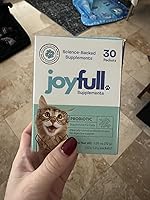
One side note for multi-pet households. If you're also managing digestive support for a cat, Probiotic Supplement for Cats - 30 Single-Serving Packets is a separate feline product made with real beef bone broth, veterinarian-formulated with clinically-tested probiotic strains, and third-party tested for potency and purity. It isn't a dog treat, but it's a good example of why species-specific ingredient choices matter when you have more than one pet in the home.
Safely Introducing New Treats and Monitoring Reactions
Choosing a promising treat is only half the job. The other half is introducing it in a way that gives you usable information instead of noise.
A strict elimination diet is the gold standard for diagnosing food allergies, and it lasts at least eight weeks, according to this explanation of dog allergy elimination diets and the eight-week benchmark. During that period, an unplanned ingredient can invalidate the process.

A simple home protocol
Use a routine your vet can interpret later.
-
Confirm the plan first
Before opening any new bag, make sure the treat matches the protein strategy and ingredient limits your vet wants. -
Use one new item only
If you change the treat, don't also change toppers, chews, or table scraps. -
Start tiny
Offer a very small amount first. You're not testing calories. You're testing tolerance. -
Keep the rest of the diet steady
Don't rotate foods during the same observation window. -
Write things down
Note the date, brand or recipe, ingredients, amount fed, and what you observed afterward.
If your dog needs rewards for training while you keep portions controlled, some owners use soft-format options like dog squeeze treats because they're easy to portion in tiny amounts. The same rule still applies: only use them if the ingredients fit your dog's plan.
What to watch and when to stop
Look for changes in three main buckets:
- Skin signs: itching, paw licking, face rubbing, redness
- Ear signs: renewed ear irritation or odor
- Digestive signs: vomiting, diarrhea, or obvious stomach upset
Also pay attention to timing. A reaction may not always happen the second the treat is swallowed. That's why your notes matter.
Stop the treat and contact your vet if old symptoms come back or new ones appear. Don't keep “testing” because the package sounded gentle. Once a reaction starts, more exposure usually gives you less clarity, not more.
When to Partner With Your Vet
Home observation is valuable, but there's a point where guessing becomes expensive. If your dog is still itchy, has recurring ear problems, or can't stay stable on store-bought treats, your vet can tighten the process in a way the internet can't.
For more severe cases, veterinarians often recommend hydrolyzed-protein treats. In these products, proteins such as chicken liver are broken into such small pieces that the immune system is less likely to recognize them as a threat. Some of these clinical formulas also include omega fatty acids to support skin health, as described in this product overview for hydrolyzed hypoallergenic dog treats.
What your vet adds that home trial and error can't
- A tighter elimination plan: your vet can decide whether your dog needs a novel protein approach or a hydrolyzed option.
- Better rule-outs: not every itchy dog has a food allergy. Ear disease, environmental triggers, and skin infections can overlap.
- Safer reintroduction: once your dog improves, your vet can help challenge ingredients in a more controlled way.
- A practical reward strategy: this matters if your dog needs treats for training, medication, or anxiety handling.
The right treat for an allergic dog isn't the one with the nicest marketing. It's the one that fits the diagnosis plan without adding new questions.
If you feel overwhelmed, that's normal. Food allergy workups are less about finding a miracle snack and more about building a clean, boring, reliable routine. That's exactly where veterinary guidance helps most.
Joyfull makes pet wellness products with a clean-ingredient mindset and veterinary review, which is useful when you're trying to be more deliberate about what goes into your pet's routine. If you're working through food sensitivities, explore Joyfull as one resource, and keep your veterinarian in the loop so every treat choice supports the bigger plan instead of complicating it.