


We've all seen our cats nap, but there's a world of difference between a sleepy kitty and a lethargic one. If you find yourself worriedly searching "why is my cat lethargic," it's because your gut is telling you something is wrong. Lethargy isn't just being tired—it's a persistent lack of energy that often points to an underlying medical issue, from stress to something more serious.
Understanding What Lethargy Really Means in Cats
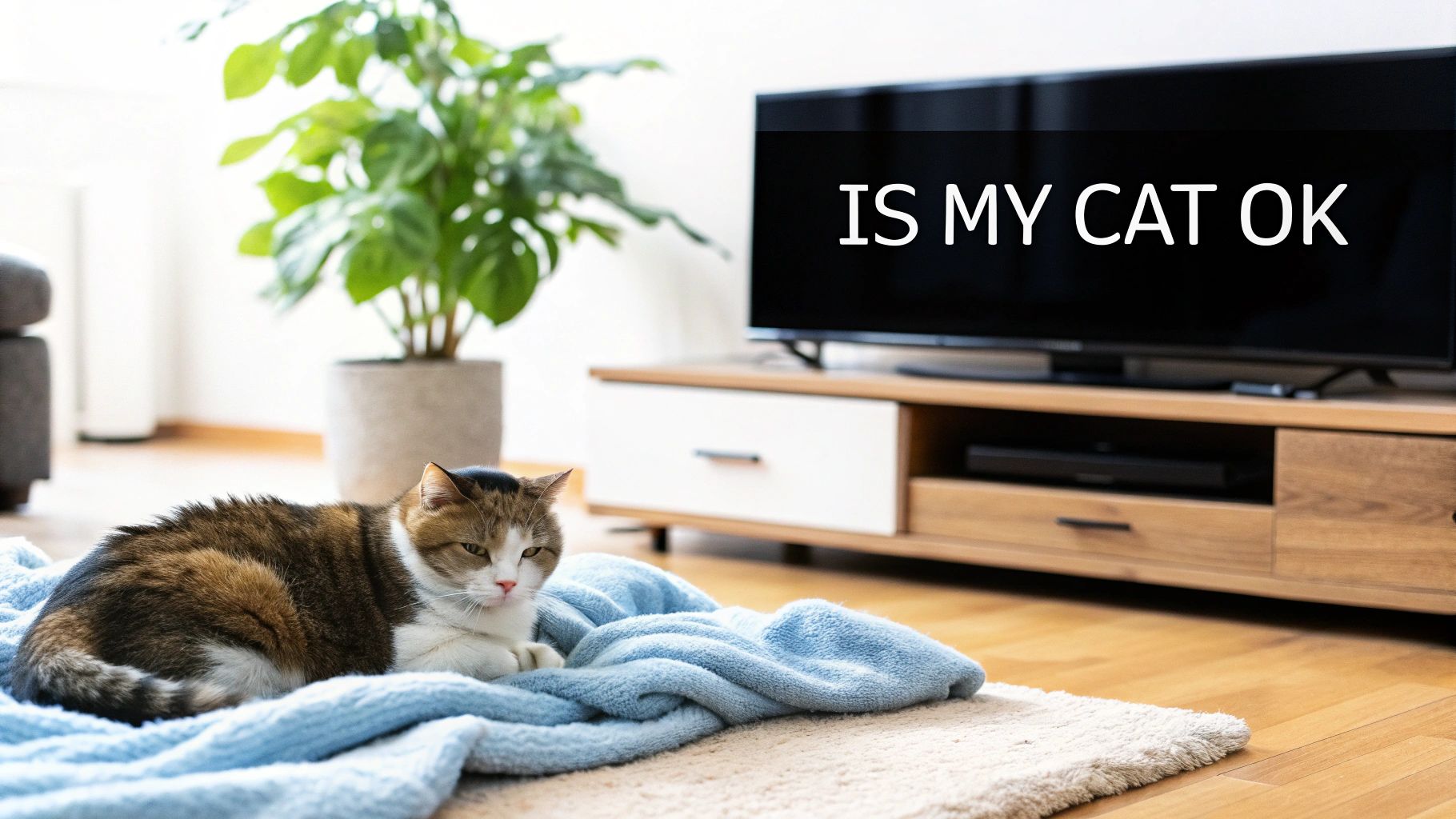
It’s easy to brush off a quiet cat as just enjoying a good, long snooze. After all, they’re masters of relaxation, easily sleeping for 15 hours or more a day. But true lethargy is a different beast entirely. It’s a profound state of exhaustion that goes far beyond a normal catnap.
Think about it this way: there’s feeling tired after a busy day, and then there’s feeling completely wiped out by the flu. With the flu, even simple tasks like getting a glass of water can feel like climbing a mountain. That’s a good way to think about what your cat might be experiencing. It’s a deep-seated weariness that keeps them from doing the things they normally love.
Differentiating Sleepiness from Sickness
The real trick to spotting lethargy is knowing your cat’s normal routine and personality inside and out. Every cat is an individual. Does yours usually zip to the door to greet you? Is there a morning ritual of demanding breakfast? A favorite wand toy that never fails to get a pounce?
A truly lethargic cat will suddenly lose interest in these cherished activities. They aren't just sleeping soundly; they're actively unresponsive or slow to react to things that would typically get them excited. That persistent disinterest is the key difference.
To get a clearer picture, start watching for a few specific changes:
- Lack of Interest: Ignoring favorite toys, treats, or even a good scratch behind the ears.
- Hiding: Seeking out new, isolated spots to hide and actively avoiding the family.
- Reduced Grooming: A cat that's usually pristine might start looking a bit scruffy or unkempt.
- Changes in Appetite: Turning their nose up at food and water.
Lethargy isn’t a disease itself; it's a symptom. Think of it as your cat's way of telling you they need to conserve all their energy to either fight off an infection or manage pain. Your intuition that something is "off" is powerful—trust it.
A Quick Look at Potential Causes
When your usually playful cat is suddenly listless, it’s natural for your mind to race. While some causes are definitely serious, many are common and very treatable. The reasons behind lethargy can be all over the map, from something in their environment to a complex internal issue.
Here are just a few of the possibilities:
- Psychological issues like stress, anxiety, or even boredom.
- Problems with their diet or a simple case of an upset stomach.
- Pain from an unseen injury or a chronic condition like arthritis.
- Bacterial or viral infections.
- Systemic diseases like diabetes or kidney issues.
- Accidental exposure to something toxic.
Recognizing lethargy as a crucial warning sign is the first step. This guide is here to walk you through the potential causes, from the everyday to the urgent, so you can feel more confident in knowing what to do next. You're in the right place to get clear, practical answers.
Common and Less Urgent Causes of Cat Lethargy
When you notice your usually playful cat is suddenly listless, your mind can jump to the worst-case scenario. But before you panic, take a breath. Not every bout of lethargy is a sign of a five-alarm fire. Often, the reason your cat is acting so sluggish is tied to something much simpler in their daily life, environment, or even their mood.
Cats are incredibly sensitive to their surroundings. They thrive on routine and predictability, so even small disruptions can throw them for a loop. Bringing home a new pet, the arrival of a baby, moving to a new house, or something as minor as rearranging the living room furniture can be genuinely stressful for them. This kind of emotional stress often shows up as lethargy, as your cat withdraws to try and make sense of their suddenly unfamiliar world.
Stress and Boredom Can Drain the Tank
A stressed-out cat isn't just being moody; they're often in a state of self-preservation. They'll retreat, hide, and conserve energy until they feel safe again. It's a classic coping mechanism. On the flip side, a bored cat can become just as inactive. Without enough to do, see, and interact with, a cat can slip into a kind of depression, losing interest in the very things that used to excite them. Think about it—if you were cooped up all day with no puzzles, books, or hobbies, you’d probably end up napping out of sheer listlessness, too.
The good news is that you can often turn this around by enriching their environment. Here are a few simple ideas to get started:
- Bring out the hunter: Use puzzle feeders and wand toys to engage their natural prey drive.
- Give them a bird's-eye view: Cat trees, shelves, and window perches offer a secure spot to watch the world go by, which can ease anxiety.
- Pencil in playtime: Just 15-20 minutes of focused, interactive play every day can work wonders for their mental and physical health.
A cat's emotional well-being is directly tied to its physical energy. Boredom and stress aren't just feelings; they are physiological states that can lead to genuine lethargy, making your cat seem tired and withdrawn.
The Impact of Diet and Digestion
You are what you eat, and the same goes for our cats. The food you put in their bowl is the fuel that powers their zoomies, jumps, and purrs. If their diet is missing high-quality, animal-based protein or other key nutrients, they’re simply not going to have the energy to be their best selves. Low-grade food can also be tough on their digestive system, and all the energy spent trying to process it leaves less for everything else.
Sometimes, a simple tummy ache is the culprit. A mild bug, a bout of constipation, or a slight food intolerance can make a cat feel crummy enough to just want to curl up and sleep it off. Usually, these issues clear up within a day or so. But if the lethargy comes with vomiting, diarrhea, or a refusal to eat for more than 24 hours, that’s your cue to call the vet. To dive deeper into this, you can learn more about the common signs of food allergies in cats in our detailed guide.
Feeling Under the Weather
At the end of the day, sometimes the simplest explanation is the right one: your cat just doesn't feel good. Like us, they can catch minor viruses that leave them feeling run down for a couple of days. Their immune system is busy fighting off the bug, and that battle takes a whole lot of energy, leaving little for anything else.
Another incredibly common cause for a temporary slump is a recent trip to the vet for vaccinations. It's completely normal for a cat to be a bit sleepy, sore, or just plain "off" for 24-48 hours after their shots. This is actually a good sign—it means their immune system is kicking into gear and building the antibodies they need. If that post-vaccine sluggishness stretches past the two-day mark, though, it’s worth a quick call to your vet just to be safe.
When Lethargy Signals a Serious Medical Condition

While many causes of lethargy are mild, a sudden and profound drop in your cat's energy can be its most urgent way of signaling a serious medical problem. This is when a tired cat isn't just a tired cat anymore—it's a critical red flag that demands immediate attention. Learning about these conditions isn't meant to scare you; it’s about being prepared to act quickly when your cat needs you most.
Think of your cat's body as a finely tuned machine. When a major component, like the kidneys or pancreas, starts to fail, the entire system is thrown off balance. The resulting lack of energy is a symptom of this internal crisis, as the body diverts all its resources to manage the problem.
Kidney Disease and Its Silent Progression
Chronic kidney disease (CKD) is one of the most common ailments we see in older cats. Your cat’s kidneys are their personal filtration system, working constantly to remove waste from the blood. When they start to lose function, toxins build up, making your cat feel like they have a constant, severe case of the flu.
This toxic buildup is a direct cause of lethargy, as the cat feels perpetually sick and nauseous. A classic sign that often goes hand-in-hand with lethargy in kidney disease is a noticeable increase in thirst and urination. It’s the body's desperate, but failing, attempt to flush out the accumulating toxins.
Other symptoms to watch for alongside lethargy include:
- Drinking way more water than usual
- Losing weight despite eating normally
- A scruffy, unkempt coat
- Nausea, vomiting, or a sudden loss of appetite
When a cat's energy vanishes, it’s often a sign of a deeper imbalance. Serious conditions like kidney disease or diabetes disrupt the body's fundamental processes, making extreme tiredness one of the first and most consistent warnings you will see.
Diabetes: A Disease of Energy Management
Feline diabetes is another major illness where lethargy is a primary symptom. Just like in humans, diabetes messes with how the body uses sugar for energy. A diabetic cat can't get sugar from their bloodstream into their cells, so their body is essentially starved for fuel, no matter how much they eat.
This cellular starvation is exactly why a lethargic cat is a hallmark of the disease. Their body is working overtime but getting none of the energy it needs to function. Along with profound tiredness, you might notice your cat eating ravenously while still losing weight, and drinking and urinating much more than usual.
Infectious Diseases: The Invisible Threat
Infections, whether viral or bacterial, can completely drain a cat's energy as their immune system wages an all-out war. One of the most significant viral threats is the feline leukemia virus (FeLV), a stealthy disease that can cause profound lethargy by crippling the immune system.
That sudden slump on the couch could be a sign of FeLV, which lurks in 2-3% of all cats in the United States. This virus can spread through bites, mutual grooming, or even shared bowls. It can lead to cancers, blood disorders, and secondary infections that completely zap a cat's energy, turning minor issues into major, energy-draining ordeals.
Poisoning: An Acute Emergency
If your cat's lethargy appears out of nowhere and is extremely severe, you have to consider poisoning as a possibility. Many common household items are toxic to cats, including certain plants, cleaning products, and human medications.
Swallowing a toxin can cause a rapid shutdown of bodily functions, leading to collapse, weakness, and extreme lethargy. This isn't a "wait and see" situation—it's an absolute emergency.
Key signs of potential poisoning paired with lethargy are:
- Sudden vomiting or diarrhea
- Drooling or foaming at the mouth
- Seizures or tremors
- Difficulty breathing or collapse
Pain From Arthritis and Other Conditions
Finally, never underestimate severe pain as a cause of lethargy, especially in older cats. Conditions like arthritis cause constant, grinding discomfort, making any movement a chore. Instead of crying out, cats often show they're in pain by becoming withdrawn, inactive, and unwilling to jump or play like they used to.
For cats showing signs of joint stiffness, exploring the https://www.joyfullpet.com/blogs/news/best-joint-supplements-for-cats might offer some relief, but always check with your vet first.
In some sad cases, the serious conditions uncovered through lethargy can lead to difficult decisions. It’s important for pet owners to know there are resources for coping with the potential loss of a pet. Recognizing these serious signs early gives you and your veterinarian the best chance to intervene and make a swift, accurate diagnosis.
How a Kitty Cold Can Knock Your Cat Off Its Paws
Think about the last time you had a nasty cold. You probably felt wiped out, achy, and wanted nothing more than to curl up under a blanket. That’s exactly how a cat with an upper respiratory infection (URI) feels, and it's one of the most common reasons a normally playful cat suddenly becomes lethargic.
These infections hit the nose, throat, and sinuses, making your cat feel congested and miserable. Their body kicks into high gear to fight off the invaders, and that immune response consumes a ton of energy. The lethargy you're seeing isn't just sleepiness; it's their body smartly redirecting all its power toward getting well.
What's Behind the Sneeze?
URIs are typically caused by viruses and bacteria that spread like wildfire, especially in places with lots of cats, like shelters or multi-cat homes. The two biggest culprits are usually feline herpesvirus (FHV-1) and feline calicivirus (FCV). They pass easily from cat to cat through sneezes, shared bowls, or simple nose-to-nose contact.
It can be really upsetting to see your spunky friend so down, but it’s important to know just how common these bugs are. Feline herpesvirus, for instance, is incredibly widespread. Studies show that up to 97% of cats are exposed to it, and about 80% of them carry the virus for life. This means it can pop up again later, often triggered by stress. For a deeper dive, the Cornell University's Feline Health Center is an excellent resource.
More Than Just Tired: Spotting the Other Clues
When a URI is to blame, lethargy almost never shows up alone. It brings friends. If your cat is sluggish because of a respiratory bug, you’ll likely spot a handful of other classic "cold" symptoms.
Keep an eye out for this telltale cluster of signs:
- Lots of Sneezing: Not just a random sneeze, but frequent, sometimes intense, bouts of it.
- Runny Nose: The discharge can be clear and watery at first, but might turn thick, yellow, or green, which often points to a secondary bacterial infection.
- Watery Eyes: You might see goopy discharge or notice your cat squinting. Sometimes, the eye tissues can get inflamed, a condition known as conjunctivitis.
- Not Interested in Food: A stuffy nose is a big problem for cats. Their appetite is driven by smell, so if they can't smell their food, they often refuse to eat.
- Fever: A fever is a classic sign the body is fighting something off, and it’s a major contributor to that worn-out, lethargic feeling.
When your cat is all stuffed up, they feel awful. Imagine having a pounding headache, a fever, and a blocked nose all at once. It's no wonder all they want to do is hide and sleep. This isn't your cat being lazy—it's their body's way of healing.
Why You Shouldn't "Wait and See"
While a mild case might clear up on its own, you should never brush off a URI. A simple kitty cold can quickly spiral into something more serious, especially for kittens and senior cats whose immune systems aren't as strong.
Left untreated, a URI can travel down into the chest and become pneumonia, a dangerous lung infection that can be fatal. Dehydration and poor nutrition are also real risks if your cat stops eating and drinking. Your vet can figure out exactly what’s going on, prescribe antibiotics if needed, and offer treatments to help your cat feel comfortable and recover much faster. Getting them checked out addresses the root cause of their lethargy and stops a small problem from turning into a big one.
Your Action Plan for a Lethargic Cat
That sinking feeling you get when you realize your cat is genuinely lethargic is all too familiar for pet owners. It's easy to let panic take over. But having a clear plan can turn that fear into focused action, empowering you to help your cat and give your veterinarian the best possible information.
Your first job is to become a detective. Without stressing your cat out, you can gather critical clues that will be invaluable for your vet. This isn't about you making a diagnosis; it's about collecting the facts. Start with a few simple, hands-off checks.
The Gentle At-Home Check
Before you bundle your cat into the carrier, take a few deep breaths and assess the situation from a distance. Your observations here can paint a picture of how urgently your cat needs to be seen.
First, watch their breathing. Is it rapid, shallow, or does it look like hard work? A healthy cat at rest typically takes 25-30 breaths per minute. If you're counting anything over 40 breaths per minute while they're resting, that's a real concern. Also, take note if they are breathing with their mouth open—that's always a red flag in a cat.
Next, look for signs of dehydration. A quick, gentle pinch of the skin between their shoulder blades can tell you a lot. If it snaps right back into place, they're likely hydrated. If it stays tented up and goes down slowly, that points to dehydration, which often goes hand-in-hand with illness. Take a peek at their gums, too. They should be a healthy pink and feel slick, not pale or sticky.
Finally, just observe their behavior. Are they hiding somewhere new and unusual? Are they completely ignoring sounds or movements they’d normally react to? Every little detail helps build the full story.
This simple flowchart can help guide your decision-making process.
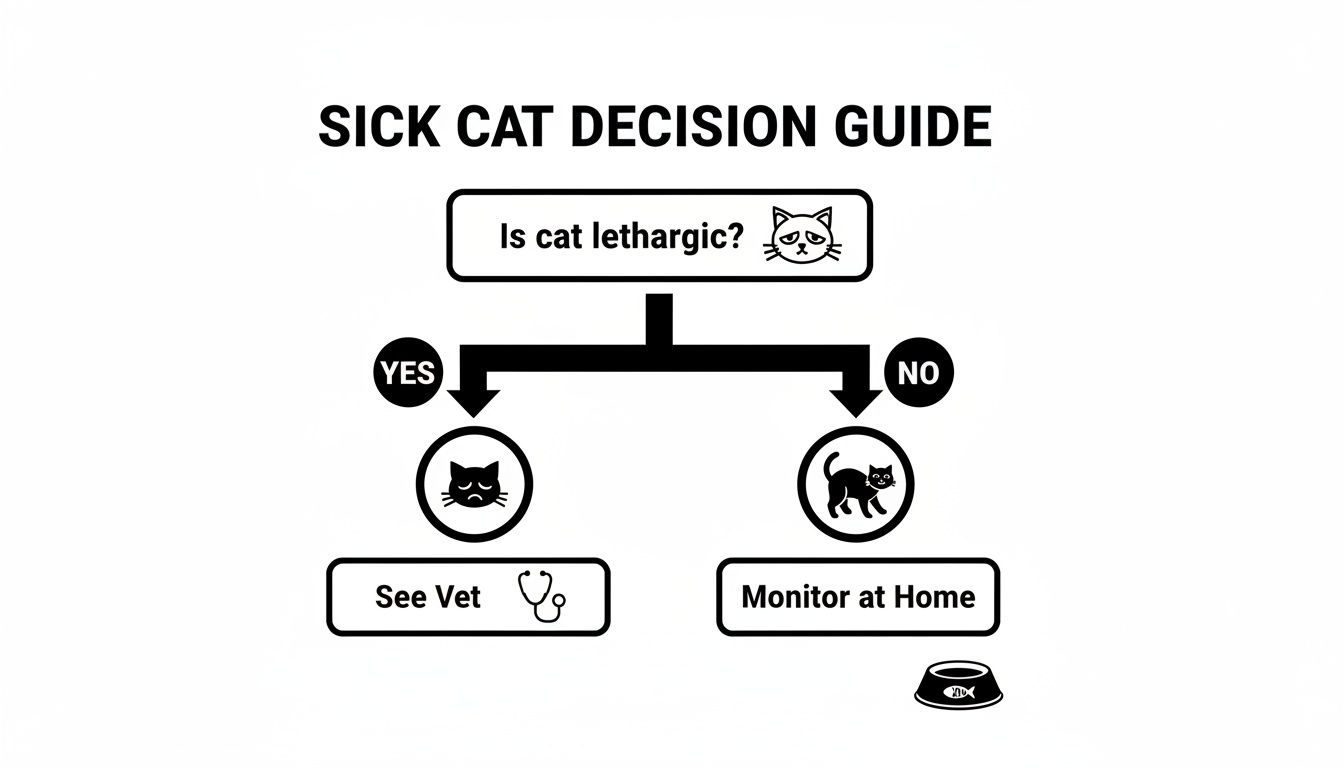
The takeaway here is pretty straightforward: true lethargy isn't a "wait and see" situation. It's a sign that your cat needs a professional's eyes on them.
Red Flags That Signal an Emergency
Sometimes, lethargy is paired with other symptoms that scream "emergency." If you see any of the following, don't wait for your regular vet to open. Head to an emergency clinic right away.
- Difficulty Breathing: This isn't just fast breathing. Look for panting, wheezing, or a strange posture where they stretch their neck out to try and get more air.
- Collapse or Inability to Stand: Extreme weakness is a sign of a major medical crisis, like heart failure or internal bleeding.
- Pale Gums: Gums that look white, very pale pink, or even bluish mean there's a serious issue with circulation or oxygen. This is a five-alarm fire.
- Signs of Severe Pain: This can be tricky in cats, but it might look like non-stop hiding, growling or hissing when approached, or crying out.
- Prolonged Vomiting or Diarrhea: A single episode might not be an emergency, but repeated bouts are, especially if you see any blood.
- Unresponsiveness: If your cat seems out of it, confused, or doesn't react to you at all, something is very wrong.
Vets would always rather you call about a false alarm than wait too long on a true emergency. If your gut is telling you something is terribly wrong, please listen to it.
What to Expect at the Veterinary Clinic
When you get to the clinic, all those observations you made at home become mission-critical. Be ready to explain exactly what you saw, when it all started, and any other odd behaviors you've noticed. Your cat's history is the first piece of the diagnostic puzzle your vet will put together.
The vet will start with a nose-to-tail physical exam, listening to your cat's heart and lungs, taking their temperature, and feeling their abdomen. From there, they'll likely recommend a few tests to figure out what's going on under the hood.
Common next steps often include:
- Blood Work: A complete blood count (CBC) and chemistry panel are workhorses in veterinary medicine. They can reveal infection, anemia, dehydration, and clues about how organs like the kidneys and liver are functioning.
- Urinalysis: Analyzing a urine sample gives incredible insight into kidney health and can quickly spot urinary tract infections or diabetes.
- X-rays or Ultrasound: These imaging tools let the vet see inside your cat's chest or belly to look for things that shouldn't be there, like fluid around the lungs, tumors, or a blockage in the intestines.
Supportive Home Care After the Visit
Once your vet has a diagnosis and a treatment plan, your job shifts to head nurse. This supportive care you provide at home is just as vital as any medicine. Follow your vet's instructions to the letter, especially when it comes to giving medications on time.
Your main goal is to create a peaceful sanctuary for recovery. Set up a comfy, quiet spot away from the daily hustle and bustle. Make sure a clean litter box, fresh water, and food are all within easy reach so your cat doesn't have to use precious energy to get to them. You might need to tempt their appetite with smelly, appealing foods like a bit of tuna or warmed-up wet food, but never force them to eat.
Simply being there, calm and reassuring, can make a world of difference in helping your cat get back on their paws.
Promoting Lifelong Energy Through Proactive Wellness
While it’s essential to know what to do when your cat becomes lethargic, the best medicine is always prevention. Building a strong foundation of health is your cat’s best defense against the very illnesses that drain their energy. It all comes down to a proactive approach centered on a few key areas of their life.
Think of it like building a sturdy house for their health. Each piece—diet, vet care, environment—is a critical support beam. If one is weak, the whole structure becomes vulnerable.
Nutrition and Regular Vet Care
It all starts with what’s in their food bowl. A high-quality, species-appropriate diet is non-negotiable. Cats are obligate carnivores, meaning their bodies are designed to run on animal protein, not carbs and fillers. A diet packed with good protein fuels their muscles, supports a strong immune system, and gives them the steady energy they need.
Just as important is consistent veterinary care. Those annual (or semi-annual) check-ups are more than just shots. They allow your vet to catch problems long before they become serious enough to cause obvious signs like lethargy. These visits establish a health baseline, so even subtle changes down the road are easier to spot. Following a proper Kitten Vaccination Schedule from the start is a huge step in preventing serious, energy-sapping diseases.
An Enriched and Safe Environment
A cat's physical health is deeply tied to their mental and emotional well-being. A bored cat isn't a happy cat, and that can absolutely lead to a form of feline depression that looks a lot like lethargy. You have to prevent that "cabin fever" from setting in.
Creating a stimulating home doesn't have to be complicated. Here are a few simple ideas:
- Vertical Space: Cat trees and window perches give them a safe place to watch the world go by.
- Interactive Play: Get out the wand toy or laser pointer for a few minutes every day. It satisfies their natural instinct to hunt.
- Puzzle Feeders: Making them work a little for their food is fantastic mental exercise.
A proactive approach to your cat’s health is the ultimate answer to "why is my cat lethargic." By focusing on excellent nutrition, consistent vet visits, and a stimulating environment, you are actively preventing many of the root causes of low energy before they ever start.
Of course, not every illness is preventable. But this commitment to wellness builds resilience, giving your cat a much better chance of fighting off infections and managing chronic conditions. A healthy gut is also central to their immune response, so it’s worth looking into the role of the best probiotics for cats as part of their daily routine.
Unpacking Common Questions About Cat Lethargy
When your cat is suddenly acting off, a million questions can race through your mind. It's completely normal to feel worried. Let's walk through some of the most pressing concerns cat owners have when they notice their feline friend is lethargic.
How Long Is Too Long for My Cat to Be Lethargic?
Think of it this way: everyone has an "off" day, and cats are no different. But if that sluggishness stretches beyond a full 24-hour period, it’s no longer just a lazy day—it's a signal to call your veterinarian.
That 24-hour guideline shrinks dramatically if other troubling symptoms pop up. If the lethargy is accompanied by things like vomiting, labored breathing, or a flat-out refusal to touch their food, don't wait. That's a situation that requires immediate veterinary attention.
Can a Change in Cat Food Make My Cat Lethargic?
Absolutely. A sudden switch in your cat's diet can throw their system for a loop. Imagine eating something completely new and rich that your stomach isn't used to—you probably wouldn't feel much like running around either! This kind of abrupt change can cause gastrointestinal upset, making your cat feel crummy and tired.
The trick is to go slow. Whenever you introduce a new food, transition over 7-10 days. Start by mixing just a little bit of the new food into the old, and then slowly shift the ratio until they're fully on the new diet. If your cat still seems lethargic despite a gradual change, it’s worth a chat with your vet.
Is It Normal for Older Cats to Be More Lethargic?
It’s true that senior cats naturally slow down and enjoy more naps than they did in their kitten days. However, a sudden, noticeable drop in their energy level is not a normal part of getting older. This is one of the biggest myths in pet care, and it can unfortunately cause serious health issues to be overlooked.
Think of it this way: while an older person might not run a marathon, they shouldn't suddenly be unable to get out of bed. The same logic applies to your cat. A sudden lack of energy in a senior is often a flag for manageable conditions like arthritis, hyperthyroidism, or kidney disease. Dismissing it as just "old age" could mean missing the chance to treat something that would drastically improve their quality of life.
At Joyfull, we're passionate about proactive wellness as the foundation for a long, happy life with your pet. Our recipes are built on clean, high-quality ingredients designed to support your cat's natural energy and health. See what a difference it can make at https://joyfullpet.com.
0 comments