Whole Food Dog Treats: A Complete Guide for Pet Owners
Most advice on whole food dog treats is too soft. It treats the label like a moral badge, when the key question is whether the treat makes sense for your dog's calories, allergies, and digestion. A bag can look clean and still be the wrong choice if it's too dense, too rich, or built around an ingredient your dog doesn't tolerate.
That's why the whole food label deserves more skepticism, not less. In the U.S., pet food and treats generated $65.8 billion in sales in 2024, which was 43.3% of total pet industry sales, and that category was projected to reach $67.8 billion in 2025 according to Pet Food Processing. That scale means treats are not some tiny side aisle. They're a huge commercial category, which is exactly why marketing gets loud and ingredient quality matters.
Owners also need to understand what buyers are chasing. A 2024 review in Frontiers in Animal Science says dog treats are commonly grouped into six categories, and meat-based treats dominate because owners link them with naturalness and health. The same review notes growing demand for raw, natural, locally produced, clean-label treats. That trend explains the appeal of whole food dog treats, but it doesn't prove every product is smarter feeding.
A good whole food treat should be recognizable, minimally processed, and transparent about sourcing. It should also fit the dog in front of you, not the fantasy dog on the front of the bag.
If you want a clean decision, this guide will show you how to identify genuine options, how to judge calorie load and processing method, and how to tell when “natural” is just prettier packaging.
Table of Contents
- Why the Whole Food Label Deserves More Scrutiny
- What Whole Food Dog Treats Actually Are
- Real Benefits and Honest Limitations
- Ingredients Worth Seeking and Ones to Avoid
- How to Read a Dog Treat Label Like a Formulator
- Feeding Portions, Storage, and Vet Safety Notes
- Two Simple Homemade Whole Food Treat Recipes
- Your Whole Food Treat Decision Checklist
Why the Whole Food Label Deserves More Scrutiny
“Whole food” sounds like a guarantee. It isn't. It usually means the ingredient list looks closer to real food and farther from synthetic filler, but that alone doesn't tell you whether the treat is wise for daily use, especially once you factor in calories, fat load, and allergies.
The pet treat aisle rewards easy assumptions. A bag with chicken, pumpkin, or salmon on the front feels cleaner than one with a long ingredient panel, but the front of the package is advertising, not nutrition analysis. Owners need to read treats the way they'd read any other food product, with less trust and more curiosity.
What the label should actually prove
A whole food dog treat should show you identifiable ingredients, short lists, and a clear processing story. It should tell you what protein is inside, whether the product is freeze-dried, baked, or dehydrated, and whether the sourcing is described in plain language. If a package leans on vague terms like “meat meal” or hides behind “natural flavor,” the whole food claim is already weaker.
That's especially important because dog treats are usually supplemental foods. AAFCO's treat and chew guidance makes it clear that treats and chews are not required to meet complete-and-balanced standards, so a cleaner ingredient panel does not make a treat nutritionally complete. The bag can be honest and still be inappropriate if you overfeed it.
Practical rule: treat labels should answer three questions fast, what's in it, how is it processed, and how much of your dog's daily diet it replaces.
That's the lens I want you using. Whole food dog treats can be excellent, but only when they're judged as treats, not as miracle foods. If a product can't survive that scrutiny, it's probably selling you the feeling of wellness more than the function.
What Whole Food Dog Treats Actually Are
In human nutrition, whole food usually means ingredients that are close to their original state. For dogs, the same idea carries over, but the format matters more than the slogan. A whole food dog treat should be easy to identify at a glance, easy to trace back to a real ingredient, and not packed with artificial extras.

The fast definition
Think single-ingredient or minimally processed. Dehydrated chicken strips, freeze-dried liver, pumpkin bites with a short list of recognizable ingredients, and sliced sweet potato chips all fit the general idea when they're made without unnecessary additives. A conventional treat may still be fine, but it often relies on refined starches, vague meat derivatives, coloring, and shelf-life boosters to hold shape and keep costs down.
A quick label comparison makes the difference obvious:
- Whole food style: chicken, sweet potato, rosemary extract.
- Conventional style: meat meal, corn starch, glycerin, artificial flavor, artificial color.
The first list tells you what the dog is eating. The second list tells you a processor built a snack around function and cost.
What matters more than the buzzword
Processing is the primary divider. Freeze-dried whole-food formats can preserve intact nutrients because moisture is removed without the high heat used in baking or extrusion, and products positioned around USDA-inspected meats or whole produce often emphasize named proteins, omega-3 fats, antioxidants, and micronutrients. But the main advantage is still transparency, not a promise of therapy.
If you're trying to evaluate a product that claims to be functional, read the ingredient panel first and ignore the mood board. Even options marketed for gut support, such as prebiotics for dogs, still need the same label discipline. Whole food is a category, not a free pass.
Real Benefits and Honest Limitations
A key benefit of whole food dog treats is boring, which is good. You can usually tell what the treat is made from, you can often recognize the protein source, and the product tends to rely less on synthetic colors, flavors, and preservatives. That's a meaningful win if your dog has a sensitive stomach or you just want fewer mystery ingredients in the rotation.
What these treats actually do well
Freeze-dried and minimally processed treats often keep the ingredient list tight enough that you can spot likely trigger foods fast. That matters for dogs with allergies, because owners can narrow down the problem instead of guessing through a wall of additives. It also matters for dogs whose owners care about protein quality, since named proteins like chicken, salmon, or beef are easier to reason about than vague blends.
There's another practical benefit. Whole-food formats make it easier to compare products by ingredient class. You can tell at a glance whether the bag is mostly meat, mostly starch, or mostly hype. That helps you make repeatable decisions instead of buying whatever the front panel promises.
What they do not do
They are not complete diets. AAFCO does not require treats and chews to meet complete-and-balanced standards, which means a treat can be made from great ingredients and still fail as a nutritional stand-in for meals. That's the line people blur all the time.
The cleanest takeaway is this. The biggest advantage of whole food dog treats is ingredient transparency, not guaranteed health outcomes. A treat made from single-ingredient beef liver is still a treat. A freeze-dried salmon bite is still a treat. Good ingredients don't cancel the need for portion control.
Whole food treats can reduce label confusion. They can't rescue a sloppy feeding plan.
If a company talks only about purity and never about calories, processing, or safe serving size, that's a marketing problem. Don't let the label bully you into overfeeding something just because it sounds cleaner than the competition.
Ingredients Worth Seeking and Ones to Avoid
Use the ingredient list like a filter, not a wish list. Start with what helps, then remove what creates risk. For whole food dog treats, I want named proteins first, functional plant ingredients second, and a hard no on anything that adds sugar or toxic sweeteners.
Whole Food Treat Ingredient Cheat Sheet
| Ingredient | Why It Matters | Use With |
|---|---|---|
| Chicken, beef, salmon | Named proteins are easy to identify and easier to track for sensitivities. | Most dogs, unless a specific protein allergy is known. |
| Liver or organ meat | Rich, but concentrated, so it should stay in moderation. | Occasional treats, not bulk feeding. |
| Blueberries | A recognizable fruit ingredient that fits a simple treat formula. | Dogs that tolerate fruit well. |
| Sweet potato | Common whole-food carbohydrate that adds structure and fiber. | Active dogs or baked treats with short ingredient lists. |
| Pumpkin | Useful in small amounts for simple homemade or baked recipes. | Sensitive stomachs, but still in moderation. |
| Xylitol | Toxic to dogs, no exceptions. | Never. |
| Added sugars, syrups, cane molasses | Add sweetness and calories without giving your dog a useful treat profile. | Avoid, especially for overweight or senior dogs. |
| Mystery “meat meal” | Too vague to help you judge the protein source. | Skip if transparency matters. |
| Unnamed fats | Hides the actual source, which matters for allergies and quality control. | Avoid if the label is otherwise fuzzy. |
| Artificial preservatives | Usually a sign the treat leans harder on shelf life than whole-food simplicity. | Better left on the shelf. |
An allergic Labrador needs a stricter version of this list than a healthy mixed-breed puppy. If the dog reacts to chicken, then a chicken-based whole food treat is a bad idea no matter how “natural” it looks. For a senior dog on a calorie-restricted plan, even a clean ingredient list can be too rich if the bites are calorie dense.
That's where owners get fooled. A treat can be ingredient-smart and still feeding dumb. High-fat organ meats, sweet dried fruit, and buttery baked snacks all deserve caution, even when they're dressed up as wellness food.
How to Read a Dog Treat Label Like a Formulator
You don't need a nutrition degree to read a treat label well. You need a routine. I use the same five-pass scan every time I look at a bag, and it takes less than two minutes once you stop staring at the marketing copy.

The five-pass label scan
- Read the first five ingredients. That's where the bulk of the product usually lives.
- Identify the protein source. Chicken is useful. “Meat meal” is not.
- Search for hidden sugar. Cane molasses, honey, syrup, and similar sweeteners belong on your radar.
- Check sourcing language. Country of origin and USDA-inspected protein matter if the brand states them clearly.
- Translate the calorie line into reality. If the treat is dense, small dogs can blow through their snack budget fast.
That calorie check is the part owners ignore most often. AAFCO's treat guidance and common pet nutrition advice align on the same point, treats should stay within a small slice of the dog's daily intake, not become a second meal.
If you want a broader label-reading habit, it helps to choose the best dog food with the same discipline. The same skepticism that protects you at the food aisle protects you at the treat shelf.
If the bag refuses to tell you what the protein is, assume the company doesn't want you asking questions.
I'd rather buy a plain treat with a clean panel than a flashy one that hides behind vague wording. The label should make the decision easier, not demand blind trust.
Feeding Portions, Storage, and Vet Safety Notes
Treat portions are where good intentions turn into bad habits. The cleanest rule is simple, treats should make up no more than 10% of a dog's daily calories. A dog eating 400 kcal/day should get about 40 kcal or less from treats, while a 1,200 kcal/day dog has roughly 120 kcal or less available for snack calories. That limit matters because whole food treats still carry calories, and calorie-dense bites add up fast.
Storage depends on format
Freeze-dried treats, sealed dry protein bites, and other low-moisture snacks usually do best in an airtight container in a cool, dry place. Moist baked treats spoil faster because water gives microbes more room to grow. If the package says refrigerate after opening, follow it. Don't assume shelf-stable on the store shelf means shelf-stable in your house.
Raw or minimally handled treats need stricter hygiene. “Natural” does not cancel bacterial risks, especially if you store them near human food or serve them outside in hot weather. That matters in dirty kennel areas too, which is why a practical cleaning resource like solve your kennel drainage issues can be worth bookmarking if your dog's feeding area gets wet, muddy, or hard to sanitize.
When to loop in the vet
Bring your vet in if your dog has allergies, a pancreatitis history, weight-management goals, or a medically controlled diet. The same goes for dogs who react to a new treat with vomiting, itching, loose stool, or sudden lethargy. Minimally processed does not mean harmless.
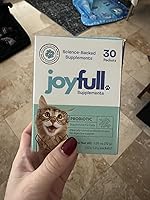
You'll also see add-ons marketed around digestive support, including products like Probiotic Supplement for Cats - 30 Single-Serving Packets, which is described as using real beef bone broth, clinician-formulated probiotic strains, and third-party testing. That kind of positioning still doesn't replace the need to match the product to the animal and the feeding goal.
Treats should support the main diet, not compete with it. Portion them like you mean it, store them like food, and ask a vet before you assume a “clean” label equals a safe fit. If you want more control over ingredients, use your own kitchen setup to control your dog's nutrition.
Two Simple Homemade Whole Food Treat Recipes
Homemade treats strip away the excuses. If you make them yourself, you see exactly what goes in, and you control the texture, size, and richness. That said, homemade doesn't mean automatically safe, and it definitely doesn't mean nutritionally complete.
Frozen pumpkin-yogurt bites
Use 1 cup plain pumpkin puree, 1/2 cup plain unsweetened yogurt, and 1 tablespoon water if you need a looser mix. Stir, spoon into silicone molds, and freeze until firm. Each small bite lands around 10 to 15 calories, depending on mold size and yogurt choice, so these work best as warm-weather snacks or tiny training rewards.
For a more detailed flavor-based recipe style, a kitchen-tested apple cookie guide is a useful reference point for how simple ingredients can be handled without overcomplicating the process. Keep the same discipline here, though. Measure the portions, and don't assume fruit or dairy is automatically gentle for every dog.
Slow-baked salmon and sweet potato strips
Mix 1 cup cooked, flaked salmon with 1 cup mashed sweet potato. Spread thin on parchment, cut into strips, and bake low and slow until dry enough to hold shape. These are richer, so think in small pieces, not meal-sized snacks.
If you want more control over ingredients, use your own kitchen setup to control your dog's nutrition instead of guessing from a colorful bag. Just don't get reckless with novelty ingredients. Salmon can be a smart choice for dogs who do well with it, but any new protein can trigger a reaction.
Both recipes stay inside the same rule as commercial treats, keep them within the 10% calorie cap and treat them as extras, not food replacements. Homemade is about transparency, not nutritional completeness.
Your Whole Food Treat Decision Checklist
Use this checklist every time, no matter how good the packaging looks.

Five checks that actually matter
- Named Protein First: chicken, beef, salmon, not vague “meat.”
- Short Ingredient List: fewer moving parts usually means less processing.
- No Xylitol or Harmful Additives: if it's in the bag, don't buy it.
- Whole Food Focus: recognizable foods, not filler dressed up as wellness.
- Transparent Sourcing: if the brand won't explain origin and processing, keep walking.
If you're comparing snacks for training or weight control, a resource like best low-calorie dog treats can help you think in the right direction, but the same label rules still apply. The front of the bag doesn't decide anything. The ingredient list does.
Can puppies eat whole food treats? Yes, if the pieces are tiny, the ingredients are simple, and the treats don't crowd out puppy food. How do you introduce a novel protein safely? Give a small amount, wait, and watch for itchiness, vomiting, loose stool, or ear issues. When does a symptom mean vet visit instead of a label swap? When the reaction is repeatable, severe, or tied to a history of pancreatitis, allergies, or a restricted diet.
Read one label today. Portion one treat correctly. Log one reaction, even if the reaction is “nothing happened,” because that's how you build a feeding system that is effective.
Joyfull makes clean, science-minded pet snacks and supplements for owners who want fewer mysteries in the bag and more clarity in the bowl. If you want to shop with the same no-BS standard, visit Joyfull and compare products with the same label-reading discipline you'd use for any whole food dog treat.