


Your dog's stool has been a little soft. Your cat's been extra gassy. Or maybe your pet seems fine most days, but you keep seeing prebiotic and probiotic on supplement labels and you're not sure which one is suitable. That confusion is normal, because the words sound alike, but they do different jobs in the gut.
Think of your pet's gut like a busy neighborhood. Some microbes are already living there, and some products are meant to feed them. Other products add live microbes into the mix. The difference matters, especially when you're trying to choose something practical for a dog or cat instead of just buying whatever sounds healthy.
| Feature | Probiotics | Prebiotics |
|---|---|---|
| Core role | Add live microorganisms to the gut | Feed existing beneficial microbes |
| Biological form | Living organisms | Non-digestible substrates, usually fibers |
| Main challenge | Must stay alive through formulation and storage | Generally more shelf-stable |
| Sensitivity | Sensitive to heat, pH, and oxygen | More resilient during processing and storage |
| Best fit | When a specific live strain is the point | When you want to support the resident microbiome |
Table of Contents
- The Foundation of Your Pet's Gut Health
- What Are Probiotics The Live Helpers
- What Are Prebiotics Fuel for the Good Guys
- Prebiotic vs Probiotic A Side by Side Comparison
- Key Gut Health Benefits for Dogs and Cats
- How to Choose the Right Support for Your Pet
- Practical FAQs for Pet Owners
The Foundation of Your Pet's Gut Health
A lot of pet owners first notice the problem in small ways, a few days of loose stool, extra gas, or a cat that seems off after a diet change. The instinct is to reach for a gut supplement right away, but the better first step is to understand what is happening inside the digestive system. Your pet's gut is home to a microbiome, a living community of microbes that helps shape digestion, immune activity, and overall resilience.
Why the microbiome matters
The science behind what is prebiotic vs probiotic starts with role, not marketing. A prebiotic is food for the microbes already there, while a probiotic is a live microbe added to the system, a distinction that emerged in the 1990s and still guides modern gut-health science (historical definitions and the prebiotic-probiotic split). That difference helps pet owners ask a better question than “Which one is healthier?” The key question is, “What does my pet need right now?”
Practical rule: If your pet already eats a decent diet and the goal is steady support, a product that feeds the resident microbiome often makes more sense than randomly adding live microbes.
That also means gut issues deserve a broader view than one supplement. If your dog has recurring digestive trouble, or your cat keeps cycling through appetite changes and stool changes, the problem may need veterinary attention rather than a one-off fix. For deeper reading on a serious digestive disorder that needs proper diagnosis, your vet may point you to resources like Diagnosing and treating EPI in pets.
The best gut plan is usually simple in concept, even if it takes some judgment in practice. Support the ecosystem, do not just chase labels. That mindset makes every supplement choice easier to evaluate. If you are looking at live-microbe products for a dog, a focused option such as dog probiotics may fit one situation, while a prebiotic or a combined approach may fit another.
What Are Probiotics The Live Helpers
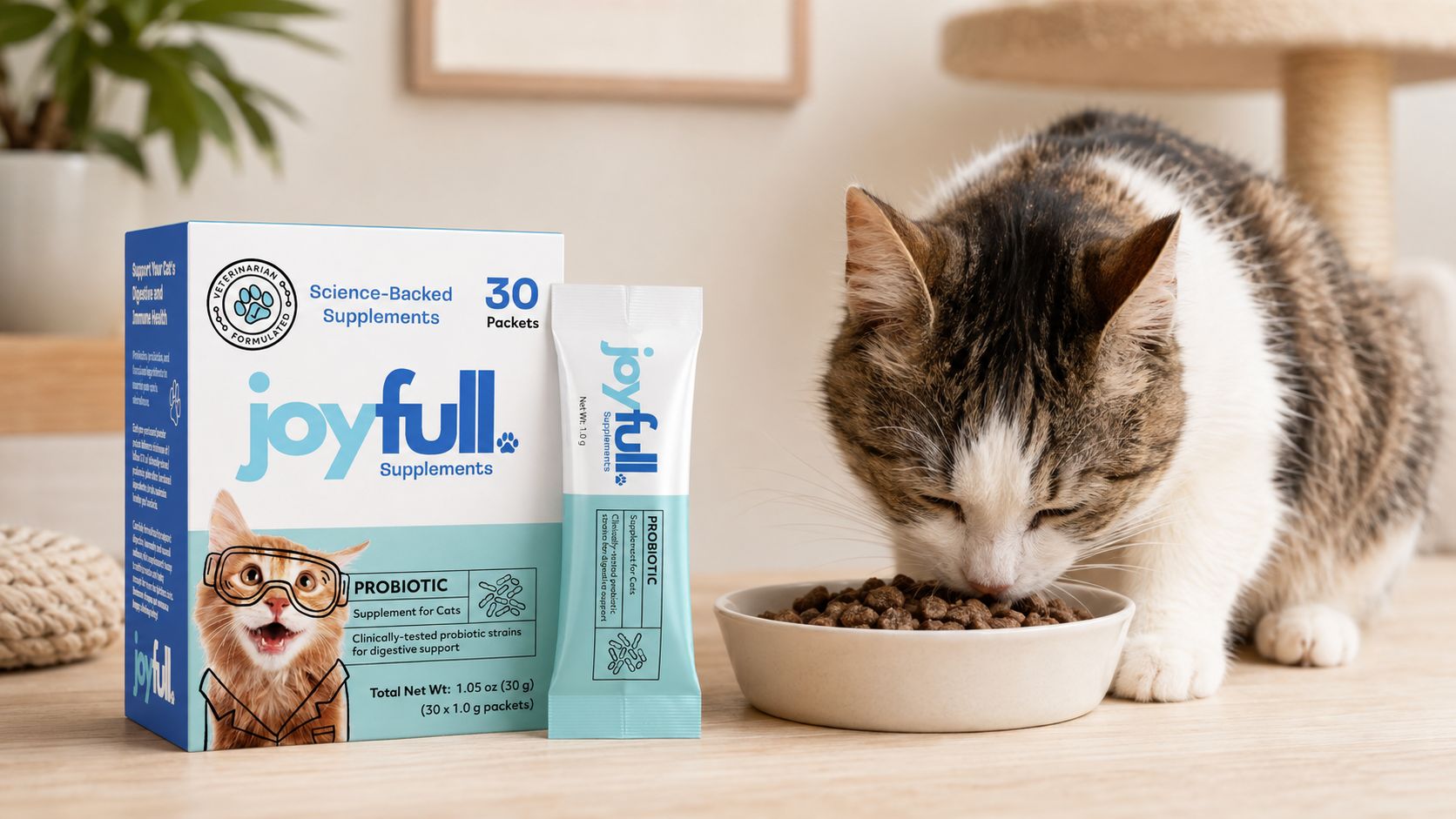
A cat with an upset stomach does not need more guesswork. It needs the right kind of support, and probiotics are one option pet owners often consider. Probiotics are live microorganisms added in amounts intended to provide a health benefit, which means the product has to keep those microbes protected from heat, moisture, oxygen, and pH changes before your pet ever takes a dose (definition and handling sensitivity).
What probiotics are doing
A probiotic works like bringing in a specialist crew to help with a job inside the gut. You are not feeding the existing microbes, you are adding live strains that have been selected for a specific purpose. That distinction matters because the effect depends on the strain, not just the broad label of probiotic.
For pet owners, that means the question is usually practical: is this product designed for the problem you are trying to address, and will the microbes still be alive when your dog or cat takes it? Reviews on formulation, strain specificity, and live-cell preservation show that probiotic effects depend on the exact organism, the dose, and whether the product can keep it viable until use (formulation, strain specificity, and live-cell preservation).
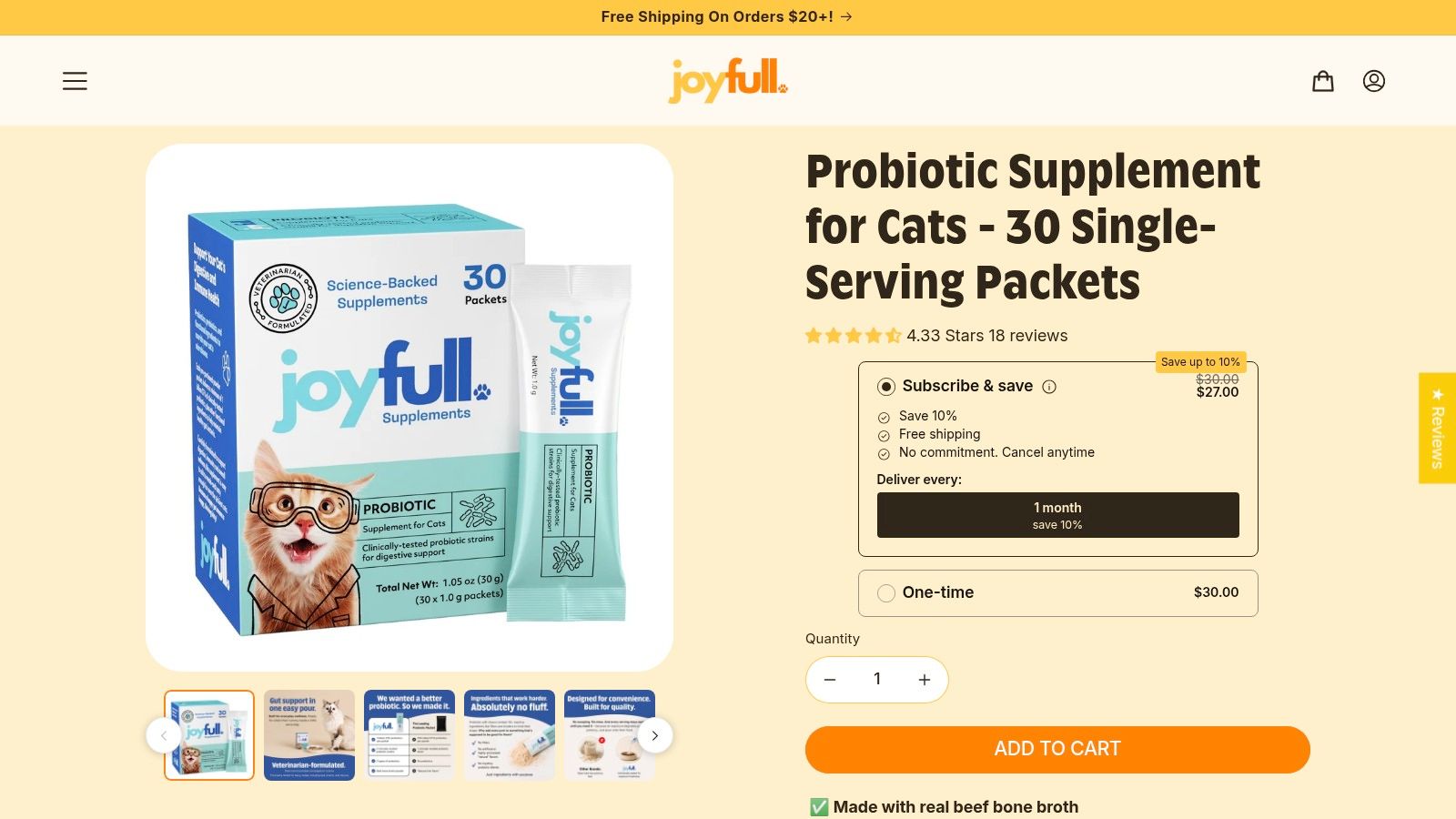
A cat supplement can make that easier to see in real life. Probiotic Supplement for Cats is described as veterinarian-formulated, made with real beef bone broth, and packed in single servings to help protect probiotic potency. It also includes two complementary prebiotics, so it fits a synbiotic approach rather than a probiotic-only one.
For dogs, a category page such as dog probiotics can help you compare live-microbe options side by side. The label still matters more than the category name. A probiotic is only as useful as the strain, the dose, and the product's ability to keep it alive until use.
What Are Prebiotics Fuel for the Good Guys

A dog with a sensitive stomach or a cat that needs routine gut support often does better with a food source for the resident microbes than with another live-culture product. That is the role of prebiotics. They are substrates, not living organisms, and they are usually non-digestible fibers that pass through the upper digestive tract before being fermented later, which helps support the microbes already living in the colon (technical definition and digestion pathway). The simplest way to picture the role is as fuel and raw material for the microbes already doing the work.
Why stability is part of the appeal
Because prebiotics are not alive, they are usually easier to formulate and store. They do not need live-cell preservation, and they tend to hold up better through processing and storage, which makes them less fragile in everyday use. That matters for pet owners because products may sit in a cupboard, travel in a shipping box, and still need to work the same way when opened.
The label still needs careful reading. Not every fiber qualifies as a prebiotic, because the term refers to a selective substrate that host microorganisms can use in a beneficial way. In other words, “fiber” and “prebiotic” are related, but they are not interchangeable. That difference helps you avoid buying a product just because it sounds gut-friendly.
Easy way to remember it: probiotics bring in the microbes, prebiotics feed the microbes already there.
For daily maintenance, that feeding role is often the more practical starting point. If you are comparing prebiotics for dogs, a product page such as prebiotics for dogs shows this approach clearly because it focuses on support for the gut environment rather than on a live-culture promise. For many pets on a steady diet, that kind of support can be the easier first step.
Prebiotics can also fit into a broader gut plan. They do not need to survive in the same way probiotics do, so they are often the simpler choice when the goal is to support the environment that already exists inside your pet.
Prebiotic vs Probiotic A Side by Side Comparison
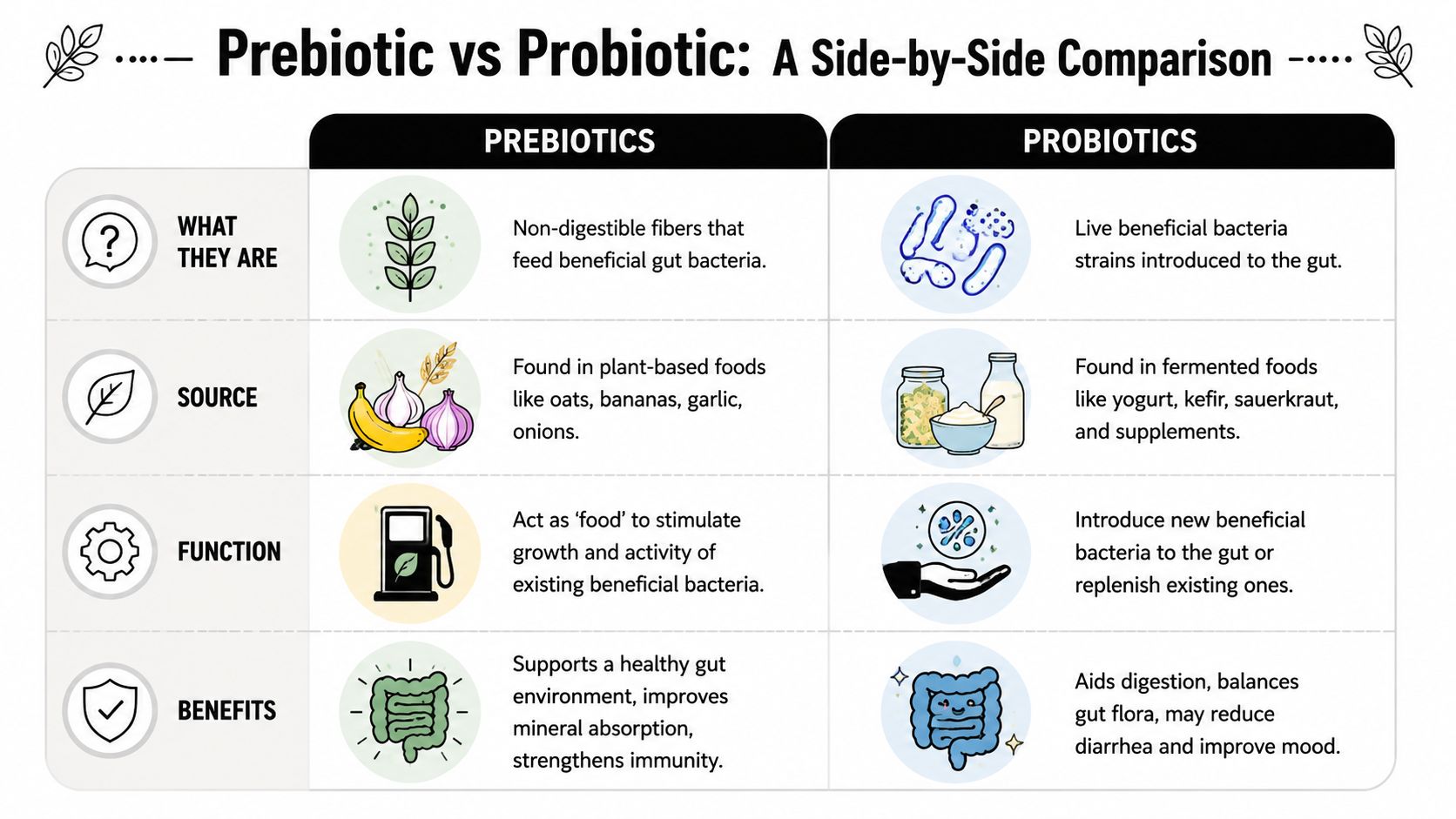
A useful way to separate them is by the job each one does in the gut. Probiotics add live microorganisms, while prebiotics feed existing microbes. That one difference affects how they are formulated, how they are stored, and how you judge whether a product makes sense for your dog or cat.
| Feature | Probiotics | Prebiotics |
|---|---|---|
| What they are | Live microorganisms | Non-digestible substrates |
| Core action | Introduce beneficial microbes | Feed resident microbes |
| Product sensitivity | Heat, pH, oxygen matter | More stable during storage |
| Typical formulation issue | Keeping cells alive | Choosing the right fiber substrate |
| General logic | Strain-specific support | Broader ecosystem support |
How that difference shows up in real life
A probiotic can be the better fit when you want a live strain-based intervention and the product has solid formulation behind it. A prebiotic can be the better fit when the goal is steady support for the microbes already doing work in your pet's gut. These are different tools, and they solve different problems.
A lot of owner confusion comes from expecting both products to behave the same way. They do not. Probiotic effects tend to depend on the specific strain used, while prebiotics can nourish several resident species already present in the gut, which may create broader microbiome support in some settings.
A quick mental model
- Choose probiotics when a live strain, viability, and targeted support are the point.
- Choose prebiotics when you want to feed the gut ecosystem that is already there.
- Consider both together when the product is designed as a synbiotic.
That is the practical shortcut. Start with the biological job you want the product to do, then match the product to that job.
Key Gut Health Benefits for Dogs and Cats
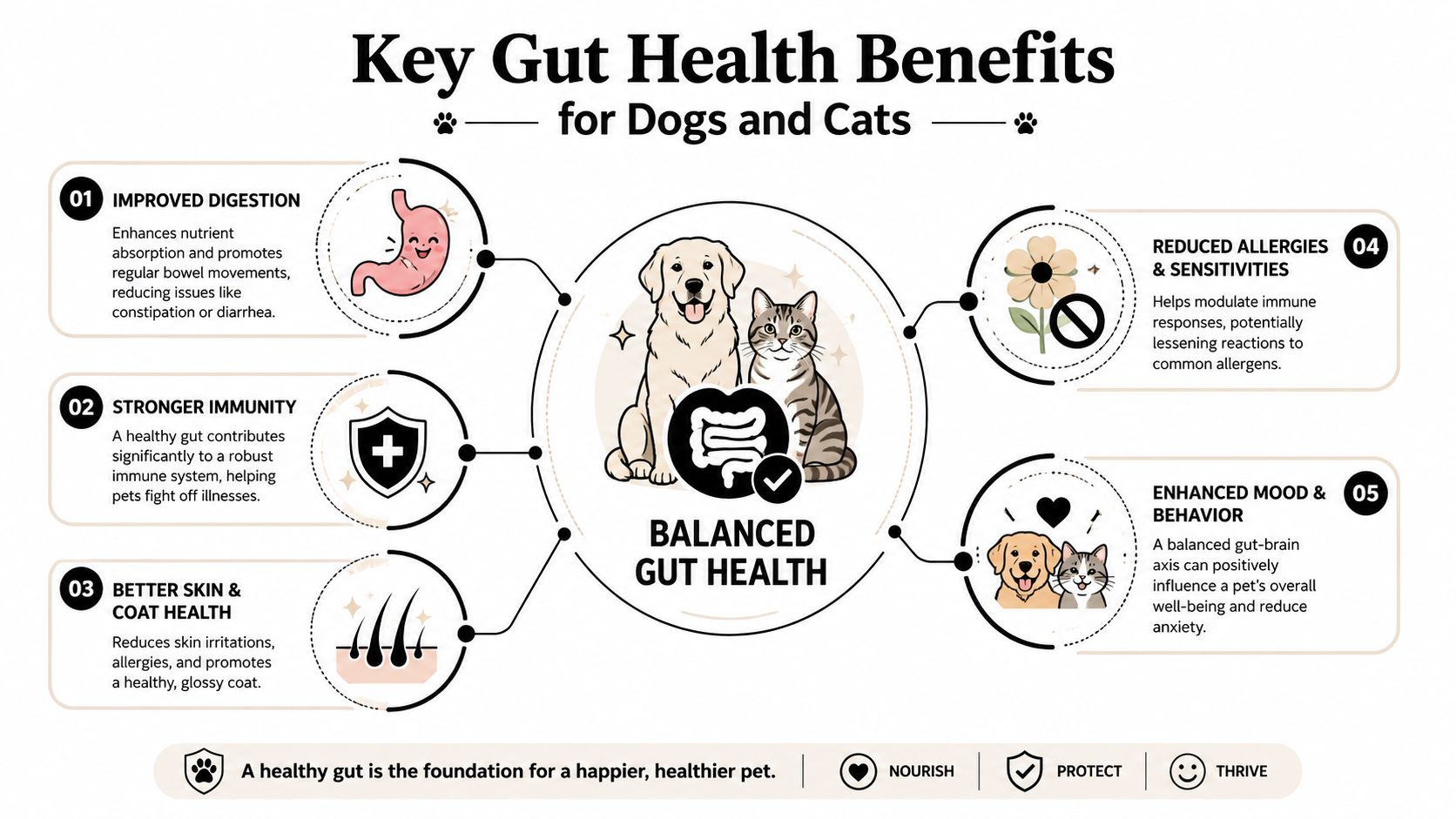
A balanced gut affects more than stool quality. It helps your pet break down food, supports the body's response to immune stress, and keeps the digestive system running in a steadier way from day to day. Many owners notice the difference first in the litter box or during walks, then later in small changes like more predictable appetite and better overall comfort.
Digestive comfort and stool quality
Digestive support is the first reason many pet owners look at these products. Probiotics are usually chosen when the goal is to add live microbial support, while prebiotics are used when you want to feed the microbes already present in the gut. Both approaches aim to make the intestinal environment more stable and less reactive.
The practical benefit is easy to recognize. Better gut support often means a calmer digestive routine, less nuisance gas, and fewer days when the stool seems off. You do not need a flashy supplement for that result, you need the right type for the right situation.
Immune support and microbial balance
The gut is closely connected to immune activity, so gut supplements often support more than digestion. Prebiotics can be a practical starting point because they nourish resident microbes, which may support a wider microbial ecosystem than adding a single live strain. That is why many pet owners and clinicians treat prebiotics as a sensible default when the goal is general support rather than a narrow, strain-based use case, as noted in the evidence-based canine gut health guide.
Skin, coat, and overall comfort
This part gets less attention, but it matters for pets that show chronic itching or a dull coat along with digestive issues. A healthier gut environment can support the body's overall balance, even if the change is gradual. The benefit is indirect, not magical, and that is the right way to think about it.
A gut supplement should help make your pet's digestive ecosystem easier to live with, not promise to fix everything.
If you are comparing categories, prebiotics often stand out for longer-term maintenance. They support the microbes your pet already has, which can be a steadier way to care for the gut than constantly adding new organisms. For pet owners who want a simple place to start, Healthy gut options for pets can help narrow down products that fit that goal.
How to Choose the Right Support for Your Pet
A pet with loose stools after a big routine change needs a different kind of support than a pet that needs steady daily gut care. The decision becomes easier once you match the product to the job. Probiotics add live organisms, prebiotics feed the microbes already in the gut, and a combined formula can do both at once.
When a probiotic fits better
A probiotic makes more sense after a disruption in the gut, during a stressful transition, or when a formula is designed around a specific live strain and a specific purpose. A useful way to judge it is to ask whether you are trying to add helpful microbes directly, rather than solely support the existing ones. That makes probiotics a targeted tool, not a universal answer.
When a prebiotic fits better
Prebiotics fit well when you want a steadier daily support option. They are non-living fibers, so they are typically easier to store, easier to work into a routine, and easier to keep consistent over time, as noted in prebiotic stability and storage resilience. For many dogs and cats, that reliability is the main reason to choose them.
There is also a practical advantage for pet owners who prefer a simpler approach. Prebiotics support the microbes that are already present, which can make them a straightforward starting point for ongoing gut care.
When a combined approach makes sense
A combined formula, often called a synbiotic, pairs prebiotics with probiotics so the live microbes have food available right away. Reviews describe this approach as a way to support both the presence and the function of beneficial microbes while giving them a better chance to work together (synbiotics and postbiotics trend). That can be a good fit when your pet needs more than one kind of support at the same time.
For cat owners, the Healthy gut options for pets collection gives a helpful way to compare different support styles in one place. It can also make it easier to spot formulas that are built for everyday use versus formulas aimed at a more specific gut concern.
If you want an example of how this looks in practice, Probiotic Supplement for Cats is one product that combines probiotic strains with prebiotics in a single formula. That kind of pairing can help pet owners see how the two categories work together instead of treating them as separate ideas.
For dog owners who want a second opinion grounded in practical guidance, the evidence-based canine gut health guide is a useful companion read. The main point is simple. Choose the support that fits your pet's situation, not the label that sounds newest or most impressive.
Practical FAQs for Pet Owners
Can I use human prebiotics or probiotics for my dog or cat?
Not by default. The label needs to fit the host, because not all fibers qualify as prebiotics and not all live microbes are appropriate for every species. A product made for pets is usually the safer starting point.
Should I choose a prebiotic or probiotic if my pet seems mostly healthy?
Often, a prebiotic is the cleaner first choice for routine support. It feeds the microbes already living in the gut, which can be a sensible default when you're not trying to address a specific short-term problem.
Can I give both together?
Yes, and that combination is called a synbiotic. The idea is to pair live microbes with the food they need so the formula supports both survival and function (synbiotic approach).
Do I need my vet's input first?
You should, especially if your pet has ongoing vomiting, diarrhea, weight loss, or another diagnosed condition. In a national US survey, less than 30% of probiotic or prebiotic users said they were taking them on a health care provider's recommendation, which shows how often people self-direct these choices without guidance (survey on provider recommendation).
What if the product doesn't seem to help right away?
Stop guessing and ask your veterinarian. Gut symptoms can overlap with diet issues, parasites, food sensitivities, and more serious conditions, so a supplement shouldn't delay proper care.
If you want practical, pet-friendly gut support without the label confusion, take a look at Joyfull. The formulas are built for dogs and cats with a focus on straightforward ingredients and veterinary review, which makes it easier to match the right kind of support to your pet's needs.
0 comments