Vet Recommended Dog Food Brands: A Pet Owner's Guide
You're standing in the pet food aisle, reading one bag that says “natural,” another that says “premium,” and a third that says “vet recommended.” Your dog eats whatever falls off the counter, so part of you wonders if any of this matters. Another part of you worries that choosing the wrong bag could affect your dog's skin, stomach, weight, or long-term health.
That confusion is normal. Dog food marketing is loud, and the useful information is usually printed in the smallest text on the package. Friends recommend one brand. Social media pushes another. Your veterinarian mentions a few names, but then you find different product lines from the same company, and suddenly you're trying to figure out whether “Hill's” means one food, ten foods, or an entire wall of foods.
If that sounds familiar, you're asking the right question. The most helpful way to think about vet recommended dog food brands isn't “Which bag wins?” It's “Why do veterinarians trust some foods more than others, and how do I check whether a specific formula fits my dog?” That's the part most articles skip.
For many households, pet care decisions stack up fast. One day you're comparing kibble labels, the next you're cleaning muddy paw prints or planning for accidents on rugs. If you're also juggling home cleanup, a practical local roundup like best carpet cleaners in Omaha for 2026 can be useful for the practicalities of living with dogs indoors.
Table of Contents
- Introduction: Lost in the Pet Food Aisle
- What Vet Recommended Actually Means
- The Scientific Criteria Vets Use for Recommendations
- Understanding the Most Common Vet Recommended Brands
- Navigating the Categories of Specialized Dog Foods
- How to Decode a Dog Food Label Like a Pro
- Choosing a Food and Talking with Your Veterinarian
- Frequently Asked Questions About Dog Nutrition
Introduction: Lost in the Pet Food Aisle
A worried owner often starts with a simple goal. “I just want a good food.” Then the aisle turns that simple goal into a maze.
One bag promises shiny coats. Another highlights ancient grains. A third says it was crafted for digestive support. Then you notice that even brands your veterinarian mentions have multiple lines, and they don't all look or read the same. One formula sounds highly clinical. Another sounds trendy. A cheaper version may sit right beside a more specialized one from the same company.
That's where many people get stuck. They assume a trusted brand name means every product under that name is equally appropriate. It doesn't work that way. A brand can have strong scientific formulas and also sell lines that are less designed for a specific dog's needs. The name on the bag matters less than the evidence behind that exact formula.
The label that matters most usually isn't on the front of the bag. It's the nutritional adequacy statement and life-stage information printed in smaller text.
As a veterinarian, I'd rather help you understand the logic behind a recommendation than hand you a list and tell you to trust it. Once you know what “vet recommended” means, what standards matter, and how to read the bag itself, you can make a calmer and more informed choice.
What Vet Recommended Actually Means
The phrase vet recommended sounds casual, but it isn't supposed to be casual. In pet food, it has a more specific meaning than commonly understood.

It's not just one veterinarian's opinion
According to AAFCO guidance, a claim like “veterinarian recommended” should not be false or misleading, and that means it needs support from a statistically valid survey of veterinarians, not just a few endorsements or one clinic's preference, as described in this review of AAFCO-backed expectations for veterinarian recommended claims.
That matters because many owners hear “vet recommended” and picture one of two things. Either they think it means every vet agrees, or they assume it's just advertising. Neither view is quite right.
A more accurate way to read it is this:
- It reflects broader veterinary input, not one doctor's anecdote.
- It doesn't mean every formula in that brand is ideal for every dog.
- It doesn't replace individual medical advice for your dog's age, breed, weight, and health history.
Recommended isn't the same as formulated
This is another place people get tripped up. A food may be recommended because veterinarians commonly trust the company's standards, research culture, and product consistency. A product may be formulated by a veterinarian or nutrition professional. Those are related ideas, but they aren't identical.
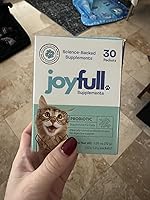
You can see the same distinction in other pet wellness products. For example, Probiotic Supplement for Cats - 30 Single-Serving Packets is described as veterinarian-formulated with clinically-tested probiotic strains, made with real beef bone broth, and third-party tested for potency and purity. That tells you something about how it was designed. It does not automatically mean it carries a survey-based “veterinarian recommended” claim.
Simple rule: “Vet recommended” points to validated professional endorsement. “Vet formulated” points to who helped build the product.
When you see vet recommended dog food brands on a “best of” list, don't stop at the phrase itself. Treat it as the start of your evaluation, not the end.
The Scientific Criteria Vets Use for Recommendations
Veterinarians don't recommend a food because the bag looks premium. We look for signs that a company can show its work.

Nutritional completeness comes first
A core checkpoint is whether the food meets standards for nutritional completeness. AAFCO and FDA-linked expectations define that through nutrient profiles supported by feeding trials or analytical data. Brands that don't have AAFCO or FDA-backed markers of compliance lack the same level of proof that the food is nutritionally complete, as explained in this overview of AAFCO and FDA standards for complete dog food.
That sentence sounds technical, so let's make it practical. Your dog doesn't eat ingredients in theory. Your dog eats a finished diet over time. A company needs to show that the final product supplies a complete balance of nutrients for the intended life stage.
The company matters, not just the recipe
Veterinarians also pay attention to the manufacturer behind the food.
I look for signs like:
- Feeding trial commitment: Companies that test how dogs do on the food over time give me more confidence than companies that rely only on attractive ingredient lists.
- Formulation expertise: Brands that employ veterinary nutrition professionals generally have stronger systems for matching formulas to real canine needs.
- Quality control: Safety matters as much as nutrition. A pretty ingredient panel means little if manufacturing oversight is weak.
A helpful way to think about it is that a good food company behaves more like a health company than a marketing company. Joyfull describes this approach in Joyfull's pet health philosophy, emphasizing scientific review and formulation discipline. That kind of transparency is what veterinarians want to see from any pet nutrition brand.
Safety isn't a side issue
Consumer Reports tested 58 commercial dog foods and found meaningful variation in nutrients such as fat, protein, vitamin D, and copper. The same analysis also detected Listeria in a handful of samples, found aflatoxins in only one product at an average of 1.8 ppb, which was below the FDA action level of 20 ppb, and reported that 174 samples tested showed no salmonella. Those findings support why veterinarians often prefer brands with tighter quality control and established safety systems, especially for dogs with specific health needs.
A recommendation is usually built on repeatability. Can this company make the same safe, nutritionally appropriate food batch after batch?
That's why “scientific” doesn't just mean “contains vitamins.” It means the company has evidence, process, and oversight.
Understanding the Most Common Vet Recommended Brands
If you ask pet owners which names they hear most often in clinics, the same few tend to come up. That isn't random.
Since the 1990s, Royal Canin, Hill's Science Diet, Purina Pro Plan, and Eukanuba have consistently dominated veterinary recommendations. They stand out because they've invested in scientific validation, employed veterinary nutritionists, and conducted long-term controlled feeding trials.
Why these names keep coming up
These brands have become common reference points because veterinarians value consistency. When a company has a long track record of formulation work, feeding data, and condition-specific diets, clinicians get more comfortable using its products in everyday care.
That doesn't mean every veterinarian uses the same brand in every case. It means these companies have spent years building the kind of evidence base that tends to matter in practice.
Why the brand name alone isn't enough
Nuance matters. Owners often hear “Purina” or “Hill's” and assume the entire shelf under that logo is interchangeable. It isn't.
A therapeutic digestive formula, a routine adult maintenance food, and a lower-cost mass-market product from the same parent brand may serve very different purposes. Some lines are built with tighter clinical intent. Others are broader retail products meant to fit a wider audience and price point.
Here's the key idea: vet recommended dog food brands are categories of companies, not guarantees about every bag they sell.
A trusted company may still offer products that are a poor match for your dog's life stage, calorie needs, or ingredient tolerances.
That's why owners do best when they combine two questions:
- Does this company have a strong scientific track record?
- Does this exact formula fit my dog?
When both answers are yes, you're on much firmer ground.
Navigating the Categories of Specialized Dog Foods
One reason food shopping feels confusing is that “vet recommended” doesn't describe a single type of food. It can refer to several categories, and each one serves a different purpose.
Types of veterinarian-associated dog food
| Diet Type | Primary Use | Availability | Key Feature |
|---|---|---|---|
| Prescription Diet | Medical conditions identified by a veterinarian | Veterinary authorization required | Formulated for a specific clinical goal |
| Therapeutic Diet | Support for common health concerns | Often available over the counter | Targets a functional need such as digestion or weight support |
| Limited Ingredient Diet | Suspected food sensitivity or ingredient simplification | Often available over the counter | Uses a narrower ingredient approach |
| All Life Stages or Wellness Formula | General feeding for healthy dogs | Widely available | Broad nutritional support rather than a disease-focused purpose |
Prescription diets are a medical tool
Prescription diets are not just “better kibble.” They're designed for dogs with specific health problems where nutrition functions as part of treatment. That may include digestive disease, urinary issues, kidney concerns, or other conditions your veterinarian is actively managing.
Cat owners see the same principle with therapeutic nutrition. If your household includes a cat with renal disease, this overview of essential feline kidney diet advice is a useful example of how targeted nutrition can become part of care rather than a simple preference.
Therapeutic and limited ingredient diets solve different problems
Many owners confuse these two.
A therapeutic over-the-counter diet often aims to support a body system. Think digestive sensitivity, body condition, skin support, or mobility. A limited ingredient diet is usually about simplification. You're narrowing variables so you and your veterinarian can better judge whether certain ingredients may be bothering your dog.
If digestive resilience is part of the conversation, your veterinarian may also discuss nutrition beyond the bowl, including support for dog gut health.
Wellness formulas still require scrutiny
A standard maintenance food can be a perfectly reasonable choice for a healthy dog. The mistake is assuming “wellness” means “appropriate by default.”
When comparing categories, ask:
- What problem am I trying to solve? General feeding and medical nutrition are not the same task.
- Is this food meant for ongoing use? Some diets are built for long-term maintenance, others for monitored clinical use.
- Did my veterinarian recommend a category or a specific formula? That distinction changes what you should buy.
The best category is the one that matches your dog's actual needs, not the one with the most polished marketing.
How to Decode a Dog Food Label Like a Pro
The front of the bag is advertising. The side and back panels are where the useful information lives.

Existing content often misses the most important practical question: how to verify whether a specific product line is complete and balanced for your dog's life stage. That point matters because the “complete and balanced” claim is the single most important factor on the label, as noted in this article on how budget-friendly dog foods should still meet complete and balanced standards.
Start with the AAFCO statement
Look for the nutritional adequacy statement. It may be small, and it's often easy to overlook.
You're checking for whether the food is intended for:
- Growth
- Adult maintenance
- All life stages
- A more specific life-stage use
A dog can thrive on one formula and do poorly on another when the life stage is wrong. A growing puppy, a sedentary adult, and a senior dog don't have identical nutritional needs.
Practical rule: If you can't quickly identify whether the food is complete and balanced for your dog's life stage, put the bag down until you can.
Then read the ingredient list with context
Owners often ask me whether the “first ingredient” tells the whole story. It doesn't. It tells part of the story.
What I want you to notice is whether the ingredient list makes sense for the type of formula. In a digestive formula, for example, different ingredients may appear than in a weight-control formula. The bigger concern is whether the product relies heavily on low-value fillers without a clear nutritional reason, especially when a company's more science-driven lines sit under the same brand umbrella.
A quick checklist helps:
- Find the named protein sources. Is the protein clearly identified?
- Notice the early ingredients. The first several ingredients shape much of the formula.
- Look for life-stage fit. Good ingredients can still be wrong for your dog's age or health status.
- Check the guaranteed analysis. This gives minimums and maximums for core nutrients.
- Find the calorie content. Weight management starts here, not in the marketing text.
If you want a deeper walkthrough, Joyfull's pet food label advice offers a useful framework for reading beyond front-of-bag claims.
A short visual explanation can also help if you learn better by seeing the process in action.
Don't let the brand do all the thinking for you
This is the habit I most want owners to build: compare formula to formula, not just brand to brand.
A premium therapeutic formula from a major company may be carefully designed for a clear medical purpose. A budget retail line from that same company may be acceptable for some dogs but not ideal for others. Reading the label is how you spot the difference.
The smartest shopper in the aisle usually isn't the one buying the most expensive bag. It's the one reading the smallest print.
Choosing a Food and Talking with Your Veterinarian
Once you've narrowed your options, the final step isn't guessing. It's having a focused conversation with your veterinarian.

Bring the exact product name, not just the brand. “Purina Pro Plan” is too broad. “Purina Pro Plan Adult Sensitive Skin & Stomach Salmon & Rice” gives your veterinarian something concrete to evaluate.
Questions worth asking at the appointment
A good nutrition discussion gets easier when you ask direct questions:
- Is this formula appropriate for my dog's life stage?
- Does my dog need a standard maintenance food or a therapeutic one?
- Are there ingredient concerns based on my dog's history?
- Should I be watching calories more closely than protein or grain content?
- Is this food meant for long-term feeding?
Change foods slowly
Even a well-chosen food can cause digestive upset if you switch too fast. Most dogs do better when you transition gradually, mixing increasing amounts of the new diet with decreasing amounts of the old one while watching stool quality, appetite, and comfort.
If your dog has a sensitive stomach or a medical condition, ask your veterinarian for a more specific transition plan instead of winging it.
Bring the bag or a photo of the label to your appointment. That one step prevents a lot of vague, frustrating conversations.
The best diet choice usually comes from partnership. You bring observations about appetite, stool, itching, energy, and preferences. Your veterinarian brings medical context and nutrition judgment. Put those together, and the decision gets much easier.
Frequently Asked Questions About Dog Nutrition
Is grain-free better?
Not automatically. Some dogs need special ingredient approaches, but many do well on grain-inclusive diets. Grain-free shouldn't be treated as a shortcut for quality.
The more useful question is whether the formula is appropriate, complete, and sensible for your individual dog.
Does the first ingredient matter most?
It matters, but it doesn't tell the whole story. A label is a formula, not a slogan. You have to read the ingredient list alongside the AAFCO statement, guaranteed analysis, calorie content, and intended use.
Are all lines from vet recommended brands equally good?
No. That's one of the biggest blind spots in pet food shopping. Some mass-market lines from otherwise trusted companies may lean more heavily on ultra-processed ingredients or lower-value fillers such as corn and wheat, while more specialized lines are formulated with tighter nutritional intent, as discussed in this piece on how mass-market and premium lines can differ within the same pet food brand.
Is raw food safer because it seems less processed?
“Less processed” and “safer” are not the same thing. Safety depends on handling, formulation, and contamination control. That's one reason many veterinarians remain cautious and often favor diets from companies with stronger testing and manufacturing oversight.
What else should I prioritize as a pet owner besides food?
Nutrition matters, but daily living matters too. Clean feeding areas, manageable routines, and safe home surfaces all affect life with dogs. If muddy paws and shedding are part of your household stress, this expert guide to pet-friendly floors gives practical ideas for keeping surfaces easier to maintain.
Should I pick a food based on online rankings?
Use rankings as a starting point, not a verdict. They can help you build a shortlist, but they can't examine your dog, review your pet's medical history, or tell you whether a specific formula is right for your situation.
If you want pet wellness information that stays practical and label-literate, take a look at Joyfull. The brand's approach centers on clean ingredients, high-quality proteins, and veterinary review, which fits the same mindset behind making smarter food choices for dogs and cats.