Soap Free Dog Shampoo: Gentler Baths in 2026
You finish the bath. Your dog smells clean, the towel pile is soaked, and you feel like you've done something good. Then the scratching starts. A back paw thumps against the neck. Your dog rubs along the rug. By bedtime, the “fresh and clean” bath seems to have turned into a skin problem.
That cycle confuses a lot of dog owners. People assume a shampoo that lathers more must clean better, or that any pet shampoo is automatically gentle enough. Often, the bigger issue is simpler. The cleanser may be too harsh for your dog's skin, or the label may say the right things while the formula misses what your individual dog needs.
A soap free dog shampoo can help, but it's not a magic word. Sometimes it's the right choice for a dog with dry or reactive skin. Sometimes pH balance, fragrance, rinse quality, and bathing frequency matter even more. If you want the no-BS version, that's what this guide is for.
Table of Contents
- The Truth About Your Dog's Post-Bath Itch
- What Exactly Makes a Dog Shampoo Soap-Free
- How to Read a Dog Shampoo Ingredient Label
- Matching a Shampoo to Your Dog's Skin Type
- The Right Way to Give Your Dog a Bath
- When Your Dog's Skin Needs a Veterinarian
- Common Questions About Soap-Free Dog Shampoo
The Truth About Your Dog's Post-Bath Itch
A common scene goes like this. A dog comes out of the tub fluffy, soft, and a little offended. An hour later, that same dog is chewing at a paw or dragging a shoulder across the carpet. Owners often think, “Maybe the bath loosened something up.” Sometimes the bath itself is the irritant.
Traditional harsh cleansers can remove more than dirt. They can also pull away the oils that help protect skin and coat. When that barrier gets disrupted, skin can feel tight, flaky, or itchy. If any residue stays behind, the discomfort can last even longer.
Practical rule: If your dog is reliably itchier after baths than before them, the shampoo or the bathing method deserves a hard look.
That's one reason gentler formulas are getting more attention. A market forecast projects the global pet shampoo market will reach USD 3.84 billion by 2034, with a 1.12% CAGR for 2026 to 2034, driven by demand for natural, herbal, and chemical-free formulas such as mild cleansers and related options in major markets, according to Fortune Business Insights on the pet shampoo market. Owners are actively looking for products that clean without turning bath day into scratch day.
Some of the same ingredient concerns people have for their own skin apply here too. If you've ever spent time understanding harsh body wash ingredients, you already know why “cleans well” and “is gentle” aren't always the same thing.
Why the itch can show up after a bath
- Barrier stripping: A harsh cleanser can leave skin feeling dry after the coat is clean.
- Residue left behind: Incomplete rinsing can keep irritants sitting on the skin.
- Mismatch with the dog: A product can sound gentle and still be wrong for that dog's skin.
If your dog already seems uncomfortable, Joyfull pet wellness advice can help you think through what to do next at home while you sort out whether the bath routine is part of the problem.
What Exactly Makes a Dog Shampoo Soap-Free
A soap free dog shampoo still cleans. It just doesn't rely on true soap chemistry to do it.

Soap-free does not mean cleanser-free
Many find this confusing. “Soap-free” sounds like “nothing is washing the dog.” In reality, these shampoos usually use synthetic surfactants rather than true soaps. Surfactants help water grab onto oil, dirt, and debris so they can rinse away. The difference is that they're typically chosen to clean with less disruption to the skin barrier.
A simple analogy helps. Think of true soap like a rough scrub pad on a delicate tabletop. It may remove grime, but it can also wear down the finish. Soap-free cleansers are more like a soft cloth with the right cleaner on it. They still lift off the mess, but they're less likely to strip the protective layer underneath.
That matters because dogs don't just have fur. They have skin that needs its own barrier intact, especially if they're already dry, itchy, or allergy-prone.
Why pH matters so much
A dog's skin has a more neutral pH of about 6.5 to 7.5, and shampoos made for dogs are often formulated closer to pH 7.0, according to Earthbath's explanation of quality dog shampoo and canine skin pH. Human products and traditional soaps can be a poor match because they may be too alkaline, which can contribute to dryness, flaking, and irritation.
Think of your dog's skin pH like a garden bed. If the soil balance is off, plants struggle even when you water them. Skin works in a similar way. If the pH is off, the surface can become less comfortable and less resilient.
Soap-free matters most when it supports the bigger goal, cleaning without pushing the skin further out of balance.
What to remember when comparing bottles
| Label claim | What it usually means | Why it matters |
|---|---|---|
| Soap-free | Uses cleansing agents other than true soap | Can be gentler on the skin barrier |
| pH-balanced for dogs | Formulated closer to canine skin needs | Helps avoid unnecessary dryness and irritation |
| Heavy fragrance | Added scent is doing a lot of the selling | Can add irritant load for sensitive dogs |
If you're also weighing cleanser strength, ingredients, and wash feel, this guide to choosing sulfate-free dog shampoo is a useful next comparison.
How to Read a Dog Shampoo Ingredient Label
The front of the bottle is marketing. The back is where you learn whether the shampoo fits your dog.

The front label sells, the back label tells
A bottle can say “gentle,” “natural,” or “for sensitive skin” and still include things many dogs don't tolerate well. Veterinary and grooming guidance specifically recommends avoiding artificial fragrances, parabens, and dyes, and choosing pH-balanced, soap-free formulas when your goal is to minimize irritation and maintain coat moisture, as outlined by the AKC's dog shampoo guidance.
That doesn't mean every long ingredient list is bad. It means you should scan for function, not buzzwords.
Here's a useful way to think about it. In human care, people often learn to separate “clean beauty” language from the actual ingredient list. The same mindset helps with pet products too, and the broader habit of learning how ingredients work is similar to what you'd do when you explore clean beauty for your hair.
A simple label detective checklist
Look for these kinds of signals:
- pH-balanced wording: If a formula is made for dogs and speaks clearly to skin balance, that's usually a better starting point than a generic cleanser.
- Soothing support: Oatmeal, aloe, and glycerin are common examples owners often seek when skin seems dry or reactive.
- Low irritant load: Fewer unnecessary scent and color additives usually means fewer things that might bother sensitive skin.
And be more cautious when you see:
- Artificial fragrance: Scent may make the product smell nice to you, but it doesn't improve skin comfort for your dog.
- Artificial dyes: These add visual appeal on the shelf, not skin benefits in the tub.
- Parabens: Many owners prefer to avoid them when they're trying to reduce possible irritants.
A good label gives you reasons to trust the formula. A weak label leans on mood words like fresh, pure, or luxurious.
Hero ingredients and problem ingredients
| Category | Often helpful | Often less helpful for sensitive skin |
|---|---|---|
| Cleansing base | Soap-free, dog-focused cleansers | Harsh or vague cleansing systems |
| Comfort support | Oatmeal, aloe, glycerin | Strong scent additives |
| Extra additives | Minimal, purposeful extras | Dyes, unnecessary fragrance |
No label can promise a perfect match for every dog. But if you learn to screen out obvious irritants first, you'll make better decisions than if you shop by the front label alone.
Matching a Shampoo to Your Dog's Skin Type
Choosing shampoo is a lot like choosing food. One label claim doesn't tell you whether it fits the individual animal standing in front of you.

Dry skin is not the same as oily skin
A dog with dry, flaky skin usually needs a cleanser that removes dirt without making the skin feel tighter after the bath. A dog with a greasy coat may still need a thorough wash, but “stronger” isn't always better if the skin underneath gets irritated.
Puppies are another category of their own. Their skin can be more reactive, so mild formulas and careful technique matter. Dogs that itch seasonally or seem uncomfortable after grooming often need an even narrower ingredient list.
Here's a practical way to sort it:
- Dry or flaky coat: Prioritize mild cleansing and skin-comfort ingredients.
- Oily or dirty coat: Choose effective cleansing, but avoid assuming the harshest formula is the most useful.
- Reactive or allergy-prone skin: Keep the ingredient list simple and watch closely for triggers.
- Puppies: Stay extra gentle and avoid unnecessary fragrance.
When soap-free is helpful but not enough
Veterinary guidance emphasizes that a soap-free label is not a substitute for choosing ingredients tolerated by the individual dog, especially for dogs with conditions such as atopic dermatitis, according to the discussion summarized at Natural Ranch on dog skin barrier and ingredient tolerance. That point matters. “Soap-free” can be meaningful, but it isn't the whole decision.
Some dogs don't need the trendiest label. They need the least irritating routine.
When your dog has recurring flare-ups, targeted information becomes more useful than blanket advice. A resource on dog shampoo for allergies can help you narrow your thinking toward skin triggers and tolerability rather than just marketing claims.
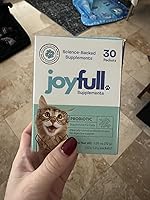
Personalized care also shows up outside grooming. For example, Probiotic Supplement for Cats - 30 Single-Serving Packets is a cat supplement, not a skin product for dogs, but it reflects the same ingredient-first mindset. It's made with real beef bone broth, veterinarian-formulated with clinically-tested probiotic strains, and third-party tested for potency and purity. That kind of factual screening is the same habit worth bringing to any pet wellness label.
The Right Way to Give Your Dog a Bath
Even a well-formulated shampoo can underperform if bath technique is rough, rushed, or inconsistent.
Technique changes the outcome
This visual lays out the basic flow of a gentler bath routine.

A good bath starts before the shampoo touches the coat. Brush first if your dog has loose fur or tangles. Then fully wet the coat with lukewarm water. If the coat isn't saturated down to the skin, shampoo tends to spread unevenly and rinse poorly.
Apply the shampoo with a light hand. Start at the neck and work downward, keeping it out of the eyes and inner ears. Massage rather than scrub. You're trying to lift dirt and oil, not scour the skin.
The biggest mistake is usually rinsing too fast. Keep rinsing until the coat no longer feels slick and you can't find trapped suds in thicker areas like the neck, chest, underarms, or tail base.
Key takeaway: Residue can irritate skin even when the shampoo itself is well chosen.
A simple demonstration can help if you want to see the process in action:
Bathing frequency matters too
Recent pet dermatology discussions increasingly focus on supporting the skin's microbiome and barrier, with the reminder that bathing can help or harm depending on formulation and frequency, as described in Pride and Groom's discussion of dog shampoo substitutes and skin-care trends. In plain language, even a gentle shampoo can become a problem if you use it too often or leave it on too long.
A few practical habits help:
- Brush before the bath: Less tangling, better rinse-out.
- Use lukewarm water: Hot water can feel harsher on already sensitive skin.
- Follow label directions: Some formulas are meant to sit briefly. Some are meant to rinse right away.
- Rinse longer than you think: Especially for dense or double coats.
- Watch the next day: If the scratching spikes after every wash, something in the routine needs to change.
If your dog has chronic skin issues, frequency should be based on veterinary guidance rather than guesswork.
When Your Dog's Skin Needs a Veterinarian
Sometimes a shampoo problem is really a medical problem wearing a grooming disguise.
Signs that mean stop experimenting
If your dog's itch keeps returning no matter what shampoo you use, don't keep rotating bottles and hoping one fixes it. Persistent scratching, chewing, redness, foul odor, hair loss, raw spots, scabs, or thickened skin all suggest that more than simple dryness may be going on.
Dogs can react to allergies, yeast, bacteria, parasites, or underlying inflammatory skin disease in ways that look similar at home. That's why a “gentle” bath product can help one dog and do almost nothing for another.
Use shampoo as supportive care, not as a substitute for diagnosis. A good cleanser can reduce irritant load and make the skin feel more comfortable. It can't identify the reason your dog is flaring up.
If your dog's skin seems painful, infected, or stuck in a repeat cycle, the fastest path is usually a veterinary exam, not a new bottle.
Common Questions About Soap-Free Dog Shampoo
Quick answers to common concerns
Can a soap free dog shampoo be used on a dog with normal skin?
Yes. Soap-free isn't only for dogs with obvious problems. It can be a reasonable everyday choice if the formula is mild and suits your dog.
Is soap-free always better?
Not automatically. The label helps, but it doesn't override poor ingredient choices, a bad pH match, heavy fragrance, or overbathing.
Does “hypoallergenic” mean the shampoo is guaranteed safe? No. Terms like “hypoallergenic” and “tear-free” are not consistently standardized, so owners can read more certainty into them than the label provides. Treat them as clues, not guarantees.
Will a gentle shampoo interfere with topical flea treatments?
Owners ask this a lot, and it's a smart question. The safest move is to follow your veterinarian's advice and the directions for both the skin product and the parasite treatment, because timing and formulation matter.
If my dog still itches after switching shampoos, what should I do?
Check the whole routine. Look at bathing frequency, rinse quality, contact time, and any grooming sprays or wipes you use. If the problem continues, move to veterinary care rather than repeated trial and error.
What's the simplest buying rule?
Choose a dog-specific, pH-aware, low-irritant formula. Then judge it by how your dog's skin responds, not by how appealing the front label sounds.
If you're trying to build a cleaner, more practical pet care routine, Joyfull focuses on convenient, no-BS products reviewed with pet wellness in mind. That kind of ingredient-first approach makes it easier to sort useful products from nice-sounding marketing.