8 Key Signs of a Healthy Cat: A 2026 Checklist
How can you tell whether your cat is healthy, not just acting like themselves today?
Many cats hide discomfort well. A cat can keep eating, sleep in the usual spot, and still have early changes in weight, hydration, grooming, or litter-box habits that deserve attention. Broad impressions help, but they are not enough if you want to catch problems before they become harder to treat.
As noted by Best Friends Animal Society's cat health overview, healthy cats often have bright eyes, a well-kept coat, steady energy, and normal litter-box habits. Those signs are useful because they give you a baseline. Once you know what is normal for your cat, small changes stand out faster.
This guide reframes the signs of a healthy cat as an actionable at-home wellness exam. For each sign, you will learn what it means, how to check it yourself, and when the finding can wait for routine care versus when it calls for a veterinary visit.
Home care plays a real role here. Coat quality, for example, can reflect grooming habits, skin health, diet, and parasite control. If you are reviewing nutrition support for skin and coat health, this roundup of top omega 3 products for felines may help. If pests are a concern in your home, it also helps to find pet-friendly pest management in Miami so your cat is not exposed to avoidable stressors or unsafe products.
Table of Contents
- 1. 1. A Shiny, Well-Kept Coat
- 2. 2. Clear, Bright Eyes
- 3. 3. Healthy Weight and Body Condition
- 4. 4. Consistent, Healthy Digestion
- 5. 5. Healthy Teeth and Gums
- 5. 5. Healthy Teeth and Gums
- 6. 6. Alert, Playful Behavior
- 8. 8. A Strong Immune System
- 8. 8. A Strong Immune System
- 8-Point Comparison: Signs of a Healthy Cat
- Your Partner in Feline Wellness
1. 1. A Shiny, Well-Kept Coat
Could you tell from your cat's coat alone if something was off this week?
Often, yes. Coat quality is one of the quickest at-home checks because it reflects more than appearance. A healthy coat is usually clean, smooth, and free of mats, flakes, bald patches, or greasy buildup. Cats that feel well also tend to keep up with grooming, so the coat often gives an early clue when comfort, nutrition, skin health, or mobility starts to slip.
What it means
A glossy, well-kept coat usually points to several basics going right at once. The cat is grooming normally, eating a diet that supports skin and hair health, staying hydrated, and avoiding common problems like fleas, painful arthritis, dental pain, or obesity that can make self-care harder.
In such instances, owners can miss early disease. I often see cats with a coat that looks acceptable at a glance but feels rough, clumpy, or thin over the lower back and hips. That pattern can show up with parasites, allergies, weight gain, pain, or illness that reduces normal grooming.
Diet matters too. If you are reviewing skin and coat support, this guide to top omega 3 products for felines can help you compare options.
How to check
Go beyond a visual check and run your hands over the coat.
Start at the head and move to the tail. Feel for soft, even fur, then part the hair over the back, belly, armpits, and base of the tail. Look for dandruff, flea dirt, scabs, small sores, thinning hair, or tight mats close to the skin. Long-haired cats need this hands-on check more often because mats can hide under the topcoat.
Pay attention to grooming reach. Cats with arthritis or excess weight often develop greasy fur or mats along the spine, rump, and under the belly because those areas become harder to clean.
When to worry
Book a veterinary visit if the coat becomes dull, greasy, matted, patchy, or suddenly harder for your cat to maintain. The same applies if you notice itching, overgrooming, dandruff, parasites, skin odor, or any change in grooming habits that lasts more than a few days.
Get help sooner if the coat change comes with weight loss, reduced appetite, hiding, mouth discomfort, or trouble jumping and bending. In many cats, the coat problem is not the main disease. It is the visible clue that tells you to look closer.
2. 2. Clear, Bright Eyes

Could you tell, just by looking at your cat's face, whether the eyes suggest comfort or trouble?
Healthy eyes are one of the quickest at-home checks you can do. In a well cat, both eyes should look clear, evenly open, and comfortable, with no obvious discharge, cloudiness, or repeated squinting. Eye changes often show up early, and they can worsen faster than owners expect.
What it means
Bright, clear eyes usually mean the surface of the eye is healthy, tear production is adequate, and the cat is not dealing with significant pain, irritation, or infection. The goal is symmetry and comfort. Both eyes should match closely in size, openness, and appearance.
A relaxed, alert cat will usually keep the eyes open normally when awake and engaged. Mild variation in pupil size can happen with lighting, but persistent squinting, a partly closed eye, or frequent pawing at the face points to discomfort until proven otherwise.
How to check
Use natural light if possible. Look at your cat straight on, then from each side.
Check for clear corneas, a normal shine on the eye surface, and lids that sit evenly without swelling. Notice whether there is any tearing, crusting, redness in the whites, or a visible third eyelid staying up when your cat is awake. One eye that looks different from the other matters, even if the change seems subtle.
A small amount of dried debris after sleep can be harmless. Repeated discharge, especially if it is thick, yellow, green, or accompanied by squinting, is not a normal finding.
When to worry
Call your veterinarian promptly if you see cloudiness, redness, swelling, ongoing tearing, colored discharge, a raised third eyelid, or any sudden change in how the eyes look. The same applies if your cat avoids light, keeps one eye closed, or resists having the face touched.
Eye problems are a poor area for wait-and-see care. A mild-looking issue can turn into a scratched cornea, painful ulcer, or deeper inflammation within a short window. Fast treatment usually means less pain, lower cost, and a better chance of protecting vision.
3. 3. Healthy Weight and Body Condition

Is your cat at a healthy weight, or just familiar to your eye? Body condition is one of the most useful at-home checks because slow weight change is easy to miss and often shows up before owners realize a cat is struggling.
What it means
A healthy body condition means your cat has enough muscle and fat to support normal movement, grooming, play, and daily comfort without carrying excess weight or looking thin. The goal is not a number on a chart alone. Age, frame, and muscle mass all matter.
In practice, most healthy cats have ribs you can feel under a light fat cover, a visible or at least detectable waist behind the ribs, and a mild abdominal tuck from the side. Long hair can hide a lot, which is why hands-on checks matter.
How to check
Assess body condition by feel as well as sight. Run your fingers lightly over the ribcage. The ribs should be easy to find without pressing hard, but they should not feel sharp or stick out prominently.
Then look from above while your cat is standing. A healthy cat usually narrows slightly behind the ribs. From the side, the belly should not suddenly look pot-bellied, heavy, or low-swinging unless that has always been normal for that individual cat.
Use the same scale and the same routine if you track weight at home. Small trends matter more than one isolated weigh-in.
When to worry
Call your veterinarian if your cat is gaining or losing weight without a clear reason, even if appetite seems normal. Weight loss in particular deserves prompt attention because cats can lose condition from dental pain, digestive disease, diabetes, thyroid disease, kidney problems, or other medical issues before owners spot obvious illness.
Excess weight also has real consequences. Overweight cats are more likely to struggle with grooming, jumping, constipation, arthritis pain, and poor cat gut health if inactivity and diet quality are also slipping.
One pattern I see often is the indoor cat who looks “a little bigger” over the years, then starts hesitating before jumping onto favorite furniture or stops grooming well over the lower back. Owners notice the behavior first. The body condition change had been building for months.
If you are unsure, ask your veterinarian or technician to score your cat's body condition at each visit and show you what they are feeling with their hands. It takes less than a minute and gives you a much better baseline for home checks.
4. 4. Consistent, Healthy Digestion

Digestion gives you one of the clearest day-to-day windows into your cat's health. In a healthy cat, stool is usually small, formed, and easy to pass, and litter box habits stay fairly steady from day to day. That consistency matters because digestive trouble often shows up in the box before a cat looks obviously sick.
What it means
Healthy digestion includes stool quality, appetite, and comfort. A cat who eats normally, keeps food down, uses the litter box without strain, and produces formed stool on a predictable pattern is usually handling food well.
Many owners dismiss vomiting as normal feline behavior. I would not. An occasional hairball can happen, but repeated vomiting, ongoing soft stool, constipation, or signs of nausea after meals deserve attention.
How to check at home
Scoop often enough that you know what your cat produced in the last 24 hours. If you live with more than one cat, temporary separation during a flare-up is often the only practical way to figure out whose stool changed.
For owners paying attention to cat gut health, keep the home check simple and repeatable:
- Stool quality: Formed, easy to scoop, and not dry, greasy, or coated in mucus
- Frequency: Regular for that individual cat, without sudden swings
- Appetite: Normal interest in meals, without picking at food or walking away
- Vomiting: Rare and explainable, not frequent or increasing
- Comfort: No repeated straining, crying, hiding after meals, or obvious belly discomfort
Write changes down. Patterns are easier to spot when you can connect them to a new food, added treats, stress in the home, or medication.
When to worry
Call your veterinarian if your cat has ongoing diarrhea, repeated vomiting, constipation, blood in the stool, black stool, marked straining, or a sudden drop in appetite. Kittens, senior cats, and cats with chronic medical problems can get into trouble faster, especially if digestive signs come with lethargy or dehydration.
One trade-off I discuss with owners all the time is watchful waiting versus acting early. A single mild stomach upset may pass. A problem that lasts more than a day or keeps returning should not be monitored indefinitely at home. Cats hide illness well, and chronic digestive changes can point to parasites, food intolerance, inflammatory bowel disease, pancreatitis, dental pain, or systemic disease.
The goal is not to obsess over every stool. It is to know your cat's normal well enough that a real change stands out quickly.
5. 5. Healthy Teeth and Gums
Could you tell, with a quick lip check at home, whether your cat's mouth looks healthy or needs attention? Oral disease is common in cats, and many keep eating long after the mouth has become painful. That is why the mouth belongs on any simple at-home wellness checklist.
What healthy teeth and gums mean
Healthy gums are usually pink and snug against the teeth. They should not look swollen, bleed easily, or have a bright red line where the tooth meets the gum. Teeth should look fairly clean, without heavy brown or yellow buildup, and there should not be obvious fractures or missing pieces.
This matters for more than breath. A sore mouth can change how a cat eats, grooms, and behaves. Some cats start chewing on one side, dropping kibble, favoring softer food, or pulling away when the face is touched. Others get quieter and endure the pain.
How to check at home
Gently lift the lip while your cat is relaxed, ideally during a calm petting session or when they are settling in for a nap. A full mouth exam is not the goal at home. A brief look at the outer surfaces of the teeth and the nearby gums is often enough to spot a problem early.
Focus on three things:
- Gum color: Pink is typical. Redness, paleness, swelling, or bleeding deserve attention.
- Tooth surface: Watch for thick tartar, chipped teeth, worn spots, or anything that looks broken.
- Your cat's reaction: Flinching, head-turning, jaw chattering, or sudden resistance can signal pain.
Bad breath also counts. Mild food odor is one thing. A strong, sour, or rotten smell often points to dental disease.
When to worry
Book a veterinary exam if you see inflamed gums, heavy tartar, a broken tooth, mouth bleeding, drooling, trouble chewing, or a sudden preference for soft food. Go sooner if your cat cries while eating, stops grooming, paws at the mouth, or eats less.
The trade-off here is simple. Daily tooth brushing helps prevent disease, but many cats need slow training before they will tolerate it. Owners sometimes wait for obvious signs because they do not want to stress the cat with mouth handling. That is understandable, but waiting too long usually means more pain, more dental work, and a harder recovery. A short, gentle lip lift done regularly gives you useful information without turning the check into a wrestling match.
5. 5. Healthy Teeth and Gums
The mouth is easy to ignore until there's bad breath or a cat stops eating. Best Friends notes that healthy cats commonly have pink gums and teeth free of tartar in its signs of a healthy cat resource. Those aren't cosmetic details. They're basic indicators of comfort and oral health.
What the mouth can tell you
Healthy gums should look pink, not angry red, pale, or swollen along the toothline. Teeth should look relatively clean, without thick visible buildup that's creeping toward the gum margin.
Cats hide dental pain well. They may still approach food with enthusiasm but chew on one side, drop kibble, lick at wet food instead of biting, or stop grooming as carefully because the mouth hurts.
Some owners wait for obvious odor. That's a mistake. By the time the smell is strong, the disease process is usually not early.
How to look without starting a fight
You don't need to pry the mouth wide open. Lift the lip gently when your cat is relaxed, ideally during a quiet petting session. Look at the outer surfaces of the canine teeth and the nearby gums first. That's often enough to catch redness, tartar buildup, or irritation.
- Check the gum color: Pink is the goal.
- Check the teeth: Heavy tartar, broken teeth, and brown buildup need professional attention.
- Check the cat's response: Flinching, chattering, head-turning, or sudden resistance can signal pain.
A useful real-world clue is the cat who starts preferring soft food after years of happily eating dry food. Sometimes that's preference. Sometimes that's a painful mouth. If home care isn't tolerated and the mouth looks inflamed, a veterinary dental exam shouldn't be delayed.
6. 6. Alert, Playful Behavior

Veterinarians often describe a healthy cat as bright, alert, and playful, and that phrase matters because behavior is often where illness shows up first. A cat doesn't need to act like a kitten forever. But the healthy adult or senior cat still shows engagement with the environment, the household routine, or familiar forms of play.
What normal engagement looks like
The key is age-appropriate interest. A young cat may sprint after toys and climb everything in sight. An older cat may prefer short play sessions, window watching, food puzzles, or greeting you at the door. Both can be healthy.
Behavior should also be recognizable. If your social cat starts hiding, your food-motivated cat loses interest in meals, or your normally neat cat stops grooming, those are meaningful changes.
Healthy behavior isn't about being high-energy all day. It's about being responsive, comfortable, and mentally present during waking hours.
Behavior changes that matter
Owners sometimes write off lethargy as laziness. Cats sleep a lot, so the change can be subtle. The difference is in what happens when the cat is awake. Do they move normally? Show curiosity? Respond to toys, sounds, food, or your voice?
Try this at home:
- Use a familiar toy: A cat who ignores a favorite wand toy repeatedly may not feel right.
- Watch transitions: Jumping up, getting down, and changing position should look smooth.
- Notice social habits: Sudden isolation can be as important as appetite loss.
A practical example is the cat who still eats but no longer joins the family in the evening. That can be pain, stress, fever, nausea, or another early sign that something's off. Don't wait for dramatic symptoms before acting.
8. 8. A Strong Immune System
How can you tell whether your cat's immune system is doing its job if you cannot see it directly? In practice, you look for steady health over time. A healthy cat recovers from minor stress, keeps normal routines, and does not drift into recurring problems such as frequent sneezing, lingering skin irritation, repeat ear debris, or slow recovery from small upsets.
What it means
Immune strength shows up as resilience. The body handles everyday exposure to germs, minor stress, and normal inflammation without constant flare-ups. That does not mean a healthy cat never gets sick. It means illness is not becoming a pattern.
Foundational care matters most here. A complete, balanced diet, parasite prevention, a clean environment, dental care, and low household stress all support normal immune function. Supplements can have a place in some plans, but they do not replace those basics. Digestive health can also affect the bigger picture, which is why some owners ask their veterinarian about cat gut health treats as one part of a broader wellness routine.
How to check at home
Use a simple pattern check instead of hunting for one dramatic sign.
Ask yourself:
- Does your cat stay generally well month to month?
- Do minor issues clear up promptly instead of dragging on?
- Are the skin, ears, nose, and eyes usually free of repeat irritation?
- Does your cat heal normally after a small scratch or routine procedure?
- Has your cat stayed current on vaccines and preventive care?
A cat with a healthy immune system usually looks ordinary in the best sense of the word. No constant low-grade symptoms. No revolving door of “little things” that never fully resolve.
When to worry
Call your veterinarian if you notice repeated infections, chronic sniffles, poor wound healing, unexplained weight loss, persistent diarrhea, ongoing vomiting, or a coat that suddenly looks rough despite normal grooming. Those patterns can point to stress, dental disease, parasites, chronic illness, or an immune-related problem that needs medical workup.
Preventive care still matters, even when a cat seems fine at home. Vaccinations, parasite control, dental checks, and routine exams catch problems before they become obvious. I tell owners this often: the cat who “never gets sick” can still be overdue for care that protects long-term health.
8. 8. A Strong Immune System
A strong immune system doesn't announce itself. You usually recognize it through stability. The cat maintains normal routines, handles small everyday stressors without falling apart physically, and doesn't show constant low-grade signs that something is brewing.
What support really looks like
Immune health isn't just about supplements. It starts with a complete, balanced diet, low-stress living conditions, parasite control, clean litter boxes, and routine observation by the owner. The strongest plan is boring in the best way. Consistent food, consistent care, consistent follow-up.
Digestive health also plays into the bigger picture for many cats, which is why some owners discuss products such as cat gut health treats with their veterinary team when they're building a broader wellness routine.
You can't “boost” your way out of poor basics. If a cat lives with chronic stress, untreated dental disease, recurring digestive upset, or inconsistent preventive care, the body has to keep compensating.
When preventive care matters most
The CDC recommends routine veterinary care and keeping cats current on vaccinations, including rabies and feline distemper as part of cat preventive care guidance. That matters because a healthy appearance doesn't replace preventive medicine.
Some owners rely too heavily on appearance. The cat looks fine, so vaccines, wellness exams, and parasite prevention slide. That approach works until it doesn't. Preventive care catches problems before they become visible and helps protect cats whose immune systems are being challenged subtly.
The healthiest cats aren't the ones who never need care. They're the ones whose owners notice changes early and keep up with the basics before small problems grow.
8-Point Comparison: Signs of a Healthy Cat
| Sign | Implementation Complexity 🔄 | Resource Requirements ⚡ | Expected Outcomes ⭐ | Ideal Use Cases 💡 | Key Advantages 📊 |
|---|---|---|---|---|---|
| 1. A Shiny, Well-Kept Coat | Low, regular brushing and diet adjustments | Moderate, quality diet (omega fats, protein) + grooming time | High (⭐⭐⭐⭐), glossy fur, fewer skin/parasite issues | Routine wellness checks, nutrition assessment | Visible, easy at-home indicator of nutrition and skin health |
| 2. Clear, Bright Eyes | Low, simple cleaning and observation | Low, diet with taurine; vet care if abnormal | High (⭐⭐⭐✳️), clear corneas, minimal discharge | Early detection of infections or nutritional deficits | Sensitive marker for systemic or ocular issues |
| 3. Healthy Weight and Body Condition | Moderate, portion control, monitoring, adjustments | Moderate, measured feeding, possibly special formulas | High (⭐⭐⭐⭐), reduced obesity-related disease risk | Indoor cats, weight management, longevity plans | Major factor for preventing diabetes, arthritis, heart disease |
| 4. Consistent, Healthy Digestion | Moderate, monitor litter box and transition foods slowly | Moderate, digestible food, possible probiotics | High (⭐⭐⭐⭐), regular stools, less vomiting | Cats with sensitive stomachs or during diet changes | Direct reflection of food tolerability and gut health |
| 5. Healthy Teeth and Gums | Moderate–High, brushing, dental products, professional cleanings | Moderate–High, dental treats, vet dental care | Medium–High (⭐⭐⭐✳️), less tartar, healthier gums | Preventing periodontal disease, aging cats | Reduces systemic infection risk and preserves eating ability |
| 6. Alert, Playful Behavior | Low, daily enrichment and observation | Low–Moderate, toys, climbing structures, interaction time | High (⭐⭐⭐⭐), sustained activity and engagement | Behavioral monitoring, quality-of-life checks | Early sign of health changes; indicates mental and physical wellbeing |
| 7. Proper Hydration & Urinary Habits | Moderate, provide water sources and monitor litter box | Moderate, water fountain, wet food, mineral-balanced diet | High (⭐⭐⭐⭐), normal urination, reduced UTI/renal risk | Male cats, cats prone to urinary/kidney issues | Prevents life-threatening blockages and supports kidney health |
| 8. A Strong Immune System | Moderate, consistent nutrition, vaccinations, monitoring | Moderate–High, high-quality diet, vet care, supplements as needed | High (⭐⭐⭐⭐), fewer infections, faster recovery | Long-term health maintenance, multi-cat environments | Improves resilience to illness and vaccine responsiveness |
Your Partner in Feline Wellness
The most useful way to think about the signs of a healthy cat is this. You're not trying to perform a full veterinary exam at home. You're building a reliable baseline so you can notice change early, and early is where many feline health problems are easier to manage.
That baseline includes coat quality, eye clarity, body condition, digestion, mouth health, behavior, hydration, and litter-box habits. None of those signs should be judged in isolation. A cat with a dull coat and soft stool tells a different story than a cat with a dull coat, weight loss, and lower energy. Patterns matter more than single moments.
This is why routine observation beats occasional panic. Run your hands over the coat. Look at the face. Scoop the litter box closely enough to notice stool and urine changes. Watch how your cat jumps, grooms, rests, and responds to food and play. Those small checks don't take long, but they give you real information.
There's also a practical trade-off every owner should understand. Watching carefully at home is powerful, but it doesn't replace veterinary care. A bright, affectionate cat can still have dental disease, early kidney issues, chronic digestive trouble, or a brewing urinary problem. Your role is to catch clues. Your veterinarian's role is to interpret them, examine the cat fully, and decide what testing or treatment is needed.
Prevention still matters even when your cat looks great. Regular exams, appropriate vaccines, parasite prevention, a balanced diet, and a safe home environment all support long-term health. If your home or yard creates flea or tick exposure concerns, a product like the BugMD flea and tick collar may be one part of a broader pest-control discussion, but it shouldn't replace a full preventive plan designed with your veterinarian.
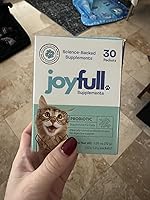
If you're building a wellness routine around digestive consistency and daily observation, Joyfull is one relevant option to review alongside your vet's guidance. The useful standard is simple. Choose products and routines you can use consistently, monitor diligently, and stop if your cat doesn't tolerate them well.
Your attention is one of the biggest health advantages your cat has. Cats are experts at hiding discomfort. Owners who notice the small things often make the biggest difference.
If you want to simplify daily wellness support, explore Joyfull for cat products built around clean ingredients, practical use, and veterinary-reviewed formulas.