Pomeranian Dogs Shed: What Owners Need to Know
You bring home a fluffy Pomeranian, and for the first few weeks, the house feels like it's wearing a tiny orange-white halo. Then the sofa starts collecting tufts, the black leggings pick up fuzz, and you begin wondering whether your new dog is shedding too much or whether this is just life with a Pom. The short answer is that Pomeranian dogs shed, and the bigger answer is that shedding is part of the breed's coat biology, not a sign that you've done something wrong.
If you want the mental model first, keep this simple, small does not mean low-shed. The American Kennel Club describes Pomeranians as a breed with a thick double coat that sheds, especially during seasonal coat changes, and notes that their size doesn't change the fact that they still lose hair regularly (AKC Pomeranian breed profile). Once you understand that, the fur on your couch stops feeling mysterious and starts looking like a routine grooming issue you can manage.
Table of Contents
- What to Expect When Pomeranian Dogs Shed
- The Double Coat Biology Behind Shedding
- Seasonal Shedding and the Puppy Coat Change
- Spotting Abnormal Shedding Red Flags
- Grooming Routines That Reduce Loose Fur
- Nutrition and Vet Checks for Coat Health
- Home Cleaning and Final Shedding Takeaways
What to Expect When Pomeranian Dogs Shed
A new Pom owner usually notices shedding in the same place first, the sofa, the bedspread, or that one dark sweater that seems to attract every loose hair in the room. That moment can feel alarming, but it's often just the first sign that the breed's coat is doing what it's built to do. Pomeranian dogs shed because they carry a thick, insulating coat, and the shedding isn't a rare exception, it's normal maintenance built into the breed.
The AKC is direct about this. Pomeranians are not non-shedding dogs, they have a thick double coat that sheds, especially when the coat changes seasonally, and their small size doesn't make them low-shedding by default (AKC Pomeranian breed profile). Breed-care guides also consistently describe the breed as a moderate-to-heavy shedder, with the heaviest fur loss during the spring and fall coat blow. That means the amount of loose hair you see can rise and fall, but the breed doesn't stop shedding altogether.
What “normal” looks like at home
Normal Pom shedding usually looks like loose hair on bedding, a light dusting on floors, and fur that comes off easily during brushing. Outside the seasonal peaks, loose hair is often manageable with a regular grooming routine, which is why many owners don't notice a problem until the coat starts cycling harder. In other words, the fur you see is usually a grooming signal, not a crisis.
Practical rule: if the shedding is steady, predictable, and the skin looks healthy, you're probably dealing with normal coat turnover, not an emergency.
That distinction matters because it changes how you respond. You don't need panic, you need a plan. The next step is understanding why the coat behaves this way, because once you can picture the coat structure, the shedding pattern makes a lot more sense.
The Double Coat Biology Behind Shedding

Pomeranians carry a double coat system. The visible outer coat gives the breed its shape and helps protect the skin, while the dense undercoat traps warmth and is the layer that releases most of the loose fur. The guard hairs help with texture and protection, but the undercoat is what ends up in your brush, on your clothes, and in the corners of the house. PetPom describes Pomeranians as a double-coated breed and notes that the heaviest shedding comes from that dense undercoat, not the guard hairs (PetPom shedding guide).
The coat does not shed evenly all year. Hair growth and release follow photoperiod, or daylight length, and temperature, so indoor dogs can appear to shed in a more constant way than dogs that spend more time in natural seasonal light. If your Pom lives under artificial lighting for most of the day, the coat can receive mixed cues about when to hold hair and when to let it go.
That difference is easy to miss because a Pom can look full and tidy on the surface while loose undercoat keeps collecting underneath. A coat may seem neat for a stretch, then release a noticeable burst of fluff as the cycle shifts. For a practical way to understand your dog's shedding cycle, it helps to compare what you see on the outside with what the brush is pulling from the lower coat, since breed-care guidance also describes loose hair as manageable outside the heaviest shedding periods (AKC Pomeranian breed profile).
What this means for your brush
A surface skim is not enough. The visible outer coat can look smooth while the undercoat keeps packing together below it, so a brush that reaches deeper does the essential work of removing loose hair before it mats or blows out across the house. That is why some owners feel their Pom barely sheds, then suddenly find fur collecting everywhere once the coat cycle turns.
The practical lesson is simple. Loose hair is a coat-cycle issue, not just a cosmetic fluff problem. Once you know the undercoat is the part that lets go, the condition of the coat matters less than whether you are brushing at the right time and in the right layers.
Seasonal Shedding and the Puppy Coat Change
A Pomeranian's coat does not shed at one steady pace all year. Adults usually move through one or two major shedding periods each year, most often in spring and fall, and breed-care guidance describes those seasonal episodes as lasting about 6 to 8 weeks (Waggel on Pomeranian shedding; Dogs and Clogs on Pomeranian shedding). That timing matters because loose undercoat can build up between brushing sessions, then show up all at once when the coat shifts.
The puppy-to-adult coat change is the other stage that catches owners off guard. Young Pomeranians go through the coat transition often called the “puppy uglies,” usually around 4 to 6 months, as the soft puppy coat gives way to the adult coat (Dogs and Clogs on Pomeranian shedding). The coat can look uneven, fuzzy, or awkward during that switch, but the change is normal development, not a sign that the dog is losing too much hair.
Pomeranian Shedding Periods at a Glance
| Phase | Timing | Duration | Brushing Frequency |
|---|---|---|---|
| Puppy coat change | About 4 to 6 months | Varies through late puppyhood | Increase brushing as the coat thickens |
| Light adult shed | Between major seasonal sheds | Ongoing, lower intensity | 2 to 3 times per week |
| Heavy seasonal shed | Spring and fall | About 6 to 8 weeks | Daily or every 2 to 3 days |
| Coat blow | During peak seasonal turnover | Part of the seasonal shed window | More frequent brushing to prevent mats |
That brushing pattern matches the way the coat releases loose hair. One breed-care source says light shedding usually calls for brushing 2 to 3 times per week, while heavy shedding may need brushing daily or every 2 to 3 days (Waggel on Pomeranian shedding). The point is not to make grooming feel constant, it is to keep loose undercoat from settling into the coat and turning into mats.
For a fuller view of how coat timing changes through the year, you can also understand your dog's shedding cycle. With Poms, the key idea is predictable cycling. The fur is not random. It follows a pattern, and the grooming schedule should follow that pattern instead of waiting for loose fluff to cover the floor.
Spotting Abnormal Shedding Red Flags
A Pom with fur on the couch is normal. A Pom with patchy bald spots, irritated skin, or sudden coat thinning outside the usual shed windows deserves a closer look. The difference often shows up in timing and skin condition, not just in the amount of hair on the floor. When the coat loss doesn't fit the seasonal pattern, the problem may be more than grooming.
Consider three common owner scenarios. First, a young Pom loses hair in uneven patches in midsummer, long after the puppy coat change should have settled. That doesn't match the usual 4 to 6 month transition or the spring and fall blow periods, so it points away from ordinary coat turnover. Second, a dog is shedding heavily but also scratching, rubbing, and showing red skin. Heavy shedding can be normal, but itchiness and inflammation move the problem into skin-health territory. Third, a senior Pom's coat thins faster than usual and the fur feels dull, which can signal that the coat deserves a veterinary look rather than a new brush.

What should make you call the vet
- Patchy hair loss: bald spots are different from even seasonal loosening.
- Skin redness or inflammation: healthy shedding shouldn't leave the skin angry-looking.
- Persistent scratching or rubbing: a dog that can't settle may have a skin issue, not just a coat cycle.
- Sudden change outside the usual windows: timing matters, especially if the loss doesn't fit the normal seasonal rhythm.
If you're worried about itch and irritation, Joyfull practical itch relief can help you think through the comfort side of the problem, but persistent or worsening shedding still belongs in a vet conversation.
A healthy Pom can shed a lot. A sick Pom usually sheds in ways that look messy, uneven, or uncomfortable.
The safest rule is to compare the coat against the normal seasonal pattern first. If the hair loss doesn't fit that pattern, don't wait it out. Get eyes on the skin.
Grooming Routines That Reduce Loose Fur
A lot of owners ask whether shaving will fix the shedding problem. It won't. A shaved Pom can still shed the same amount of shorter hairs, and those hairs may be harder to notice on the dog even though they still accumulate in the home. That's the cosmetic-versus-real-removal confusion many people run into, and it's why the better question is how to remove loose coat most effectively, not how to make the dog look less fluffy.
What actually helps
Regular brushing is the main answer, and the frequency should match the season. During lighter periods, brushing a few times a week usually keeps loose coat under control. During heavy sheds, you need to increase that pace so the undercoat comes out before it mats into the outer coat. A slicker brush, a metal comb, and an undercoat rake each serve a different purpose, especially when the coat is blowing.
Practical rule: if the brush comes away with a lot of fluff, the coat is asking for more frequent attention, not a shorter haircut.
A simple routine can look like this. Start with a slicker brush to lift surface looseness, then use a metal comb to check the deeper layers, especially behind the ears, under the legs, and around the hindquarters. During a seasonal blow, add an undercoat rake for the heavier loose fur. That's the point where shorter, cosmetic trims can help neaten the outline, but they're not a substitute for real loose-hair removal.
For owners who want a broader how-to framework, you can reduce dog shedding naturally with regular coat care, but the principle stays the same, routine beats rescue work.

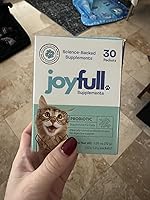
You can also use this idea alongside tools and support products that fit your household. For example, Probiotic Supplement for Cats - 30 Single-Serving Packets is a cat supplement, not a dog coat solution, but it shows the kind of clean-ingredient, veterinarian-formulated approach some pet parents prefer when they're thinking about overall wellness and daily routines.
The point isn't to chase perfect fluff. It's to remove the hair that's ready to leave the coat and keep it from ending up on your furniture. That's what lowers the visible mess, not a shave.
Nutrition and Vet Checks for Coat Health
A healthy coat starts under the skin. Good nutrition supports skin barrier function, follicle strength, and coat quality, which is why food matters even when the shedding is clearly seasonal. If a Pom's diet is unbalanced or the coat looks dull, brushing alone won't solve the problem. The coat can only grow out well if the body has the raw material to build it.
What to look for in a feeding routine
Choose food that puts real protein and digestible ingredients first, because the coat is a living tissue, not decoration. Pomeranians often do well with diets that support skin and coat health with omega-containing ingredients, and many owners find that feeding consistency helps them notice changes faster. If the fur seems dry, the skin looks flaky, or the dog is licking excessively, the issue may be broader than shedding.
That's where veterinary oversight matters. The breed overview from Sundays notes that annual vet visits are essential for Pomeranian health, and that skin and coat sensitivity can be part of the breed picture (Sundays Pomeranian overview). A yearly wellness exam gives you a clean baseline, and a prompt visit makes sense if the shedding pattern changes, the skin gets irritated, or bald patches appear. You don't need to wait for a full coat emergency to ask for help.
A simple wellness rhythm
- Feed consistently: steady meals make coat changes easier to track.
- Look for skin support: ingredients that support a healthy coat matter more than flashy marketing.
- Keep annual exams on schedule: the vet can separate normal seasonal shedding from health-related coat loss.
- Act early on red flags: itchiness, redness, and sudden thinning should move quickly from “watch it” to “check it.”
If you're building a broader pet wellness routine, Joyfull's whole approach is based on clean ingredients and veterinary review, which fits the same mindset even when the product itself isn't aimed at shedding. The point is simple, the more predictable your dog's wellness routine is, the easier the coat becomes to read.
A glossy Pom coat is usually the result of good food plus good grooming, not one or the other. Treat it like body maintenance, not a cosmetic afterthought, and you'll spot problems earlier.
Home Cleaning and Final Shedding Takeaways
Managing a Pom's shedding gets much easier when you stop treating every tuft like a surprise. The coat is double layered, the worst shedding happens in seasonal cycles, and the brush is the tool for removing loose hair before it lands on your upholstery. Once you remember those three things, the house stops feeling like it's losing a battle and starts feeling like it just needs a routine.
Three habits that make the biggest difference
- Match grooming to the season: brush more often during heavy shed windows and keep a steady pace during lighter periods.
- Watch for skin changes: healthy shedding doesn't usually come with redness, bald spots, or obvious discomfort.
- Clean the surfaces that catch hair first: sofa covers, throw blankets, and car seat protectors are worth the effort.
For floors, a good vacuum matters more than a panic clean. If you're trying to protect hardwood or other pet-worn surfaces, the resource on Savera Wood Floor Refinishing pet floor care is useful because it keeps the focus on pet-safe maintenance, not just cosmetic cleanup. Lint rollers help with clothing, washable covers cut down on repeated laundry, and a HEPA vacuum makes the heaviest shed weeks feel a lot less chaotic.
Keep the grooming schedule steady, and the cleaning schedule stays manageable.
That's the key takeaway. Pomeranian dogs shed predictably, and predictable shedding is easy to plan around once you know what normal looks like. Build your routine around brushing, skin checks, and seasonal awareness, and you won't have to guess whether the fur is a problem or just part of living with a Pom.
If you want more practical pet wellness guidance built around clean ingredients and real-life routines, visit Joyfull. Joyfull makes pet wellness feel simpler with thoughtfully formulated products and a no-BS approach to daily care. If your Pom's shedding routine is already on track, Joyfull can help you keep the rest of your pet wellness plan just as consistent.