Omega 3 Dog Treats: A Complete Guide for 2026
Your dog used to bounce toward the leash. Now they pause before jumping off the couch, scratch a little more than usual, or seem less eager halfway through the walk. That's often the moment pet owners start searching for omega 3 dog treats.
The problem is that most advice stops at “good for skin and coat.” That's not enough when you're trying to help a real dog with real discomfort. Many owners want to know whether a treat can effectively support joints, brain health, or daily comfort, and how much EPA and DHA a dog would need for that to happen. Instead, they get vague promises and labels that are hard to interpret.
That gap matters. A treat that contains “some omega-3s” isn't the same as a treat designed to deliver the forms dogs can use. Source matters. Dose matters. Label clarity matters. If you've been staring at bags, chews, and soft bites wondering what's marketing and what's meaningful, you're not alone.
This guide is here to make that decision simpler. I'll walk you through the science in plain language, explain how to compare sources, and show you what to look for when shopping for dog treats that do more than sound healthy.
Table of Contents
- Introduction Why Your Dog Deserves More Than Just a Treat
- The Building Blocks of Health EPA DHA and ALA Explained
- Not All Omega-3s Are Equal Fish Krill and Flax Compared
- The Right Dose How Much Omega-3 Your Dog Really Needs
- Decoding the Label How to Choose the Best Omega-3 Treats
- Safety Side Effects and When to Consult Your Vet
- Frequently Asked Questions About Omega-3 Treats
Introduction Why Your Dog Deserves More Than Just a Treat
Omega-3 treats have become a catch-all recommendation for dogs with dull coats, itchy skin, stiff joints, or age-related changes. That sounds helpful, but it also creates confusion. Owners often assume that if a package says “omega-3,” the product must be doing the same job as fish oil or a therapeutic supplement. It often isn't.
The biggest missing piece is dosage. Existing content usually praises omega-3s for general wellness but doesn't answer the key question many owners have: what's the evidence-based amount of EPA plus DHA needed to support a dog with osteoarthritis pain, compared with a dog who needs everyday nutritional support? That leaves people trying to help arthritic dogs with broad advice instead of practical guidance.
Omega-3s aren't one thing. They're a category, and the details determine whether a treat is nourishing, underpowered, or mostly marketing.
A second problem is labeling. Some products list total fish oil. Others list total omega-3s. But your dog's body responds to specific fatty acids, not vague totals. If the label doesn't tell you how much EPA and DHA are inside, you can't judge what the treat is likely to do.
That's why a smart choice starts with a different question. Don't ask only, “Does this treat contain omega-3?” Ask, “Which omega-3s, from what source, and in what amount?”
The Building Blocks of Health EPA DHA and ALA Explained
Why the names matter
When you read an ingredient panel or supplement label, you'll usually see three letters: ALA, EPA, and DHA. They all belong to the omega-3 family, but they don't all behave the same way in a dog's body.
The simplest way to think about them is this. ALA is like a box of raw ingredients. In theory, the body can turn it into something useful. EPA and DHA are the finished meal, ready to use right away.
That distinction matters because dogs don't convert plant-based ALA very well. Verified data in this brief states that dogs convert ALA to EPA and DHA at a very limited rate estimated at less than 5%, which is why treats made primarily with flaxseed may sound healthy but provide little meaningful EPA or DHA for therapeutic goals.

So what do those letters mean in practice?
- ALA usually comes from plant ingredients such as flaxseed. It may contribute to a product's total omega-3 number, but it isn't the form most dogs need for direct anti-inflammatory support.
- EPA is one of the key marine-derived omega-3s. It's the form most often discussed when we're trying to support comfort and inflammatory balance.
- DHA is another marine-derived omega-3. It's especially important for the brain and nervous system.
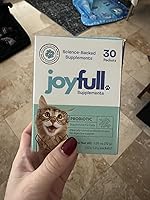
A quick side note. If you care about ingredient transparency in general, not just omega-3s, it helps to compare labels across categories. For example, Probiotic Supplement for Cats - 30 Single-Serving Packets is described with concrete facts such as real beef bone broth, veterinarian formulation, clinically-tested probiotic strains, third-party testing, and individually sealed servings. That kind of specificity is exactly what pet owners should want from omega-3 products too.
What EPA and DHA do inside the body
EPA and DHA support several systems at once, which is why they show up in so many conversations about canine nutrition.
For joints, they help calm inflammatory processes that can make movement less comfortable. For skin and coat, they support the skin barrier and can help maintain a softer, healthier-looking coat. For the brain, DHA is especially relevant during development and later life. For the heart, omega-3s are often included as part of a broader wellness plan.
Practical rule: If you're choosing omega 3 dog treats for a specific health goal, focus on the forms your dog can use directly. That usually means EPA and DHA, not just a large total omega-3 number.
A label can make a product sound nutrient-rich without telling you whether the active forms are present in meaningful amounts. Once you understand that, shopping gets much easier.
Not All Omega-3s Are Equal Fish Krill and Flax Compared
The real issue is bioavailability
When owners compare omega 3 dog treats, they often look at the total omega-3 amount first. I'd start somewhere else. Look at the source.
Bioavailability is the key idea here. It means how available a nutrient is for the body to absorb and use. The verified data for this article states that omega-3 efficacy in dogs depends on the bioavailability of EPA and DHA from marine sources, while plant-based ALA from flaxseed isn't efficiently converted. The same verified source also notes that quality formulations should include Vitamin E, or tocopherols, to help prevent oxidative degradation of these fragile fats, as discussed by Reggie's overview of why dogs need omega-3 and how much to give.
That's why a flax-heavy treat can look impressive on the front of the bag and still fall short when you need actual EPA and DHA delivery.
A side-by-side comparison
Here's a practical way to compare common sources.
| Source | Key Omega-3 | Bioavailability for Dogs | Best For |
|---|---|---|---|
| Fish oil | EPA and DHA | High | Dogs needing direct skin, coat, joint, brain, or heart support |
| Krill oil | EPA and DHA | High | Owners looking for a marine source in treat or supplement form |
| Flaxseed | ALA | Low for direct EPA and DHA delivery in dogs | General ingredient inclusion, not reliable therapeutic EPA and DHA support |
Fish oil is the most straightforward option because it directly provides the forms dogs use. If a label names a fish source and lists EPA plus DHA clearly, that's usually a good sign. Krill oil also falls into the marine-source category, so it may serve a similar role.
Flaxseed is where many owners get misled. Flax isn't “bad.” It's just not a dependable shortcut to EPA and DHA in dogs. If a package highlights flaxseed and then boasts about omega-3 benefits, you need to ask whether the product supplies active marine fats or is mostly relying on ALA.
If you want a broader overview of fats used in canine nutrition, Joyfull also has a plain-language article on the best oil for dogs, which can help you compare omega-3 options with other common oils in pet products.
A final point that gets overlooked is freshness. Omega-3 fats are delicate. If they oxidize, the product loses nutritional value. That's why tocopherols matter. They help protect the oil, much like putting a lid on a fragile ingredient before heat and air can damage it.
The Right Dose How Much Omega-3 Your Dog Really Needs
General wellness versus targeted support
At this point, many treat labels stop being useful. They may tell you the flavor, texture, and feeding directions, but they don't always tell you whether the product provides enough EPA plus DHA to match your goal.
For general wellness, the National Research Council's 2006 guidelines, as summarized in the verified data for this article, recommend combined EPA + DHA by body weight category: small dogs need 100 to 200 mg daily, medium dogs 300 to 600 mg, large dogs 600 to 1000 mg, and giant dogs over 1000 mg daily. These ranges are used as a baseline for skin, coat, heart, and brain support.
For more targeted support, a clinical study found that about 70 mg of combined EPA + DHA per kilogram of body weight daily significantly improved the Omega-3 Index, and small dogs in that study had a 38% reduction in pain scores. You can read the study directly in the PMC publication on omega-3 supplementation in dogs.

Those are two different use cases. One is maintenance. The other is a clinical benchmark tied to a specific outcome.
If your goal is joint comfort, don't confuse “contains fish oil” with “contains enough EPA and DHA to matter.”
How to do the label math
Here's where owners often trip up. A package might say “fish oil blend” and list a number that sounds substantial. But if that number refers to total oil, it doesn't tell you how much of that oil is EPA plus DHA.
Use this sequence instead:
- Find the active forms. Look for EPA and DHA listed separately or as a combined amount.
- Ignore vague total oil claims. Total fish oil isn't the same as total EPA plus DHA.
- Match the amount to your dog's size and goal. General wellness needs differ from targeted support.
- Add up the full daily intake. If your dog gets omega-3s from food, treats, and a supplement, count all of them together.
If you'd like more context for using fatty acids sensibly in a whole-diet approach, Joyfull has a resource with practical tips for dog nutrition.
Decoding the Label How to Choose the Best Omega-3 Treats
The fastest way to become a better shopper is to stop reading the front of the bag first. Marketing language is designed to sound comforting. The side panel tells you more.

A useful label answers three questions clearly. What is the source? How much EPA and DHA does the dog get? How is the oil protected from damage?
Green flags that matter
Start with signs of specificity.
- Named marine source: “Salmon oil,” “sardine oil,” or another clearly identified marine source is more useful than a vague “omega blend.”
- EPA and DHA listed in milligrams: This matters more than a generic total omega-3 number.
- Weight-appropriate use: The National Research Council ranges in the verified data give a practical wellness reference point. Small dogs need 100 to 200 mg daily, medium dogs 300 to 600 mg, and large dogs 600 to 1000 mg daily for general support.
- Vitamin E or tocopherols included: These help protect the oils from oxidation.
- Simple supporting ingredients: The fewer distractions around the active ingredient, the easier the product is to evaluate.
This short video gives a helpful visual reminder that label reading is a skill, not a guessing game.
Red flags that should make you pause
Some labels create the appearance of nutrition without giving enough detail to judge the product.
- Only “total omega-3s” listed: That number may include ALA, which dogs don't efficiently convert.
- Flaxseed as the main omega-3 source: Plant-based ALA isn't the same as direct EPA and DHA support.
- No EPA and DHA breakdown: You can't compare products properly without it.
- Heavy reliance on buzzwords: “Skin and coat formula” sounds nice, but it doesn't replace dosing information.
A good label reduces confusion. A weak label forces you to guess.
If you're comparing products for a dog with a specific concern, one factual mention is enough: Joyfull makes pet wellness products that emphasize clean ingredients and veterinary review. That kind of formulation approach is worth noting, but the ultimate test is still the label itself. You want source clarity, EPA and DHA transparency, and practical feeding guidance.
Safety Side Effects and When to Consult Your Vet
Omega-3s are generally well tolerated, especially when you introduce them thoughtfully and use products that provide clear dosing information. Most dogs do well with them, but that doesn't mean every situation is identical.
At higher intakes, some dogs may develop mild digestive upset such as softer stools or reduced appetite. That doesn't automatically mean the product is wrong for your dog. It may mean the amount was increased too quickly, or that the overall fat intake from the diet and treats needs a second look.
It's wise to involve your veterinarian before using a more aggressive omega-3 plan if your dog already takes medication, especially drugs used for pain or conditions that affect clotting. The same goes for dogs with a history of pancreatitis or other medical issues where fat intake matters.
If you're comparing wellness tools more broadly, some owners also look into options beyond fatty acids, such as understanding CBD for your dog. That kind of reading can be useful when you're trying to have a more informed conversation with your vet about comfort support.
A careful approach is simple. Start with a clearly labeled product, match the dose to the goal, and ask your vet for guidance when your dog has an existing diagnosis or a more complex medication plan.
Frequently Asked Questions About Omega-3 Treats
Can puppies benefit from DHA?
Yes. DHA is one of the omega-3s most closely tied to brain and nervous system support. For puppies, that makes source quality especially important.
How long does it take to notice a difference?
Omega-3 support is usually gradual. Skin, coat, and mobility changes don't happen overnight, so consistency matters more than expecting a fast reaction.
Are algae-based products an option?
They can be, because algae can provide active omega-3 forms without relying on fish. The key is still the same. Check the EPA and DHA content, not just the total omega-3 claim.
Can I use a flax-based treat for joint or cognitive support?
That's not the option I'd choose for a therapeutic goal. Verified data for this article states that dogs convert plant-based ALA to active EPA and DHA at less than 5%, so a treat advertising “100 mg omega-3” from plant sources may provide near-zero EPA/DHA for joint or brain support.
Can I give my dog human fish oil capsules?
Be cautious. Human products may not match a dog's dosing needs, and some flavored products can include ingredients that aren't appropriate for pets. Dog-specific labeling makes decision-making much safer.
If you want a simpler way to shop, Joyfull is built around a practical idea: pet wellness products should be easy to understand, made with clean ingredients, and reviewed with real nutritional purpose in mind. When you compare omega 3 dog treats, that's the standard worth keeping.