


Your dog has just had another loose stool, and it's late enough that your usual veterinary clinic is closed. You're cleaning the floor with one hand, checking your dog's gums with the other, and searching for a natural remedy for dog diarrhea between messages about pumpkin, rice, probiotics, and human medications. The hardest part isn't finding suggestions. It's knowing whether home care is appropriate at all.
Mild diarrhea in an otherwise bright, hydrated adult dog may settle with a quiet digestive routine. But diarrhea can also accompany toxin exposure, a swallowed object, infection, dehydration, or an underlying medical condition. The safest home plan is therefore selective, time-limited, and easy to stop. Use supportive care only when the overall picture is mild, watch the clock, and escalate when the pattern changes.
Table of Contents
- The 11 p.m. Diarrhea Call Nobody Warns You About
- Your First 12 Hours of At-Home Triage
- Natural Remedies That Actually Make Sense
- The Honest Truth About Probiotics
- Reading the 72-Hour Recovery Timeline
- Red Flags That Mean Skip the Home Plan
- Putting It All Together for the Next Episode
The 11 p.m. Diarrhea Call Nobody Warns You About
At 11 p.m., the first cleanup is usually followed by a second trip outside. Your dog may still wag, drink, and act interested in a treat, which makes the situation confusing. You're not looking at a collapsed animal, but you're also not looking at a normal bowel movement.
That's when many owners start stacking remedies. A spoonful of pumpkin goes into the bowl, rice starts cooking, a probiotic supplement appears in an online cart, and someone suggests an anti-diarrheal from the medicine cabinet. The impulse is understandable. Doing something feels safer than waiting.
But home treatment can become a distraction from triage. A dog with a short, mild episode may need nothing more dramatic than water, rest, and carefully reintroduced food. A dog with blood in the stool, repeated vomiting, marked weakness, or a possible obstruction needs veterinary assessment, not a longer list of kitchen ingredients.
The practical question isn't “What natural remedy cures diarrhea?” It's “Does this dog still fit the mild-at-home category, and is the plan working?”
This guide treats natural care as supportive care, not a substitute for diagnosis. Each option has a reasonable use, a limitation, and a decision window. If your dog isn't improving within the stated window, trying a different remedy shouldn't buy you more time. It should prompt a call to your veterinary team.
Your First 12 Hours of At-Home Triage
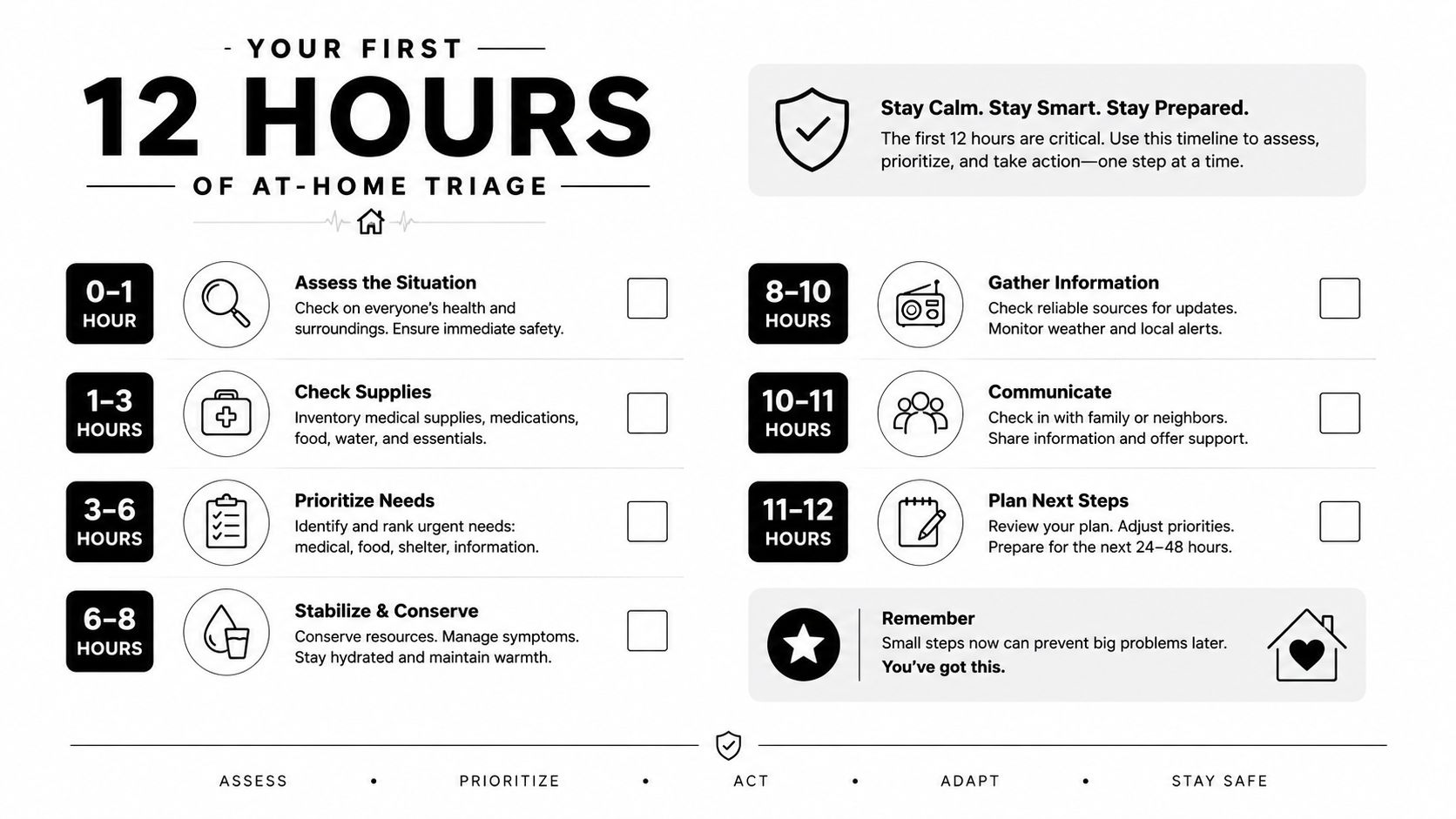
Before choosing pumpkin or probiotics, establish whether your dog is a reasonable candidate for observation. A single soft stool after an otherwise normal day isn't the same as repeated watery diarrhea, and stool texture matters less than the whole dog. Check appetite, drinking, energy, gum moisture, and whether your dog seems painful or unusually quiet.
Start with a short digestive reset
For a healthy adult dog that isn't vomiting, a brief food pause can reduce the amount moving through an irritated intestine. A commonly used window is 6 to 12 hours, as described in veterinary home-care guidance from AnimalBiome's advice on foods for dogs with diarrhea. Don't use that approach casually for puppies under six months, toy breeds, seniors, or dogs with known medical problems. These dogs can have less tolerance for missed meals or fluid loss, so contact your veterinarian for individualized instructions.
Water should remain available. Don't force large amounts, and don't assume a flavored drink is automatically safer. If your dog won't drink, vomits after drinking, or shows signs of dehydration, home care has stopped being the right experiment.
During the first several hours, keep a simple record:
- Stool: Note frequency, watery versus soft consistency, unusual color, and any red or black material.
- Behavior: Record whether your dog is alert, resting normally, interested in food, and willing to move.
- Exposure: Write down recent treats, table scraps, diet changes, garbage access, medications, plants, toys, or chewed objects.
- Hydration: Check whether your dog is drinking and whether the gums feel moist rather than tacky.
After the food pause, offer small portions of a low-fat, easily digested meal rather than a full bowl. The guide to the dog bland diet can help you plan the food transition, but it shouldn't override veterinary advice for a vulnerable or worsening dog.
If you're considering a supplement, check the species label carefully. A Probiotic Supplement for Cats - 30 Single-Serving Packets is formulated for cats, not dogs, so it shouldn't be substituted for a canine-specific product. The goal in these first hours is controlled observation, not adding several variables that make it harder to tell what helped or harmed.
Natural Remedies That Actually Make Sense
Natural remedies work best when they target a specific practical problem, such as excess water in stool, low food tolerance, or support during a short stress-related episode. They don't identify the cause of diarrhea, remove a foreign object, or treat every infection. Start with one reasonable intervention, keep portions modest, and judge the result within 24 to 48 hours.
Pumpkin is a fiber tool, not a cure
Use plain canned pumpkin, not pumpkin pie filling. A reasonable starting range is roughly 1 tablespoon per meal for a small dog, 1 to 2 tablespoons for a medium dog, and 2 to 4 tablespoons for a large dog. Mix it into a small bland meal and stop if it increases gas, vomiting, or loose stool.
Pumpkin's soluble fiber can help regulate stool texture by holding water in the intestinal contents. That makes it most sensible for a dog with loose stool who remains comfortable and hydrated. It isn't a good reason to keep treating a dog whose diarrhea is worsening or accompanied by other symptoms.
Bland food reduces digestive workload
Once the short food pause is complete, offer small, frequent servings of plain, low-fat food. Skinless boiled chicken with white rice is a familiar temporary option, provided your dog tolerates those ingredients. Feed cautiously rather than filling the bowl, because a large meal can trigger another urgent bowel movement.
The trade-off is nutritional completeness. A homemade bland diet is a short-term bridge, not a permanent feeding plan. If chicken has caused problems before, don't use this episode to test it again. Ask your veterinarian about a suitable alternative.
Broth helps only when it's genuinely simple
Plain, low-fat, low-sodium broth without onion, garlic, seasoning, or other additives can make food more appealing and add fluid to a meal. Store-bought broth varies widely, so read the ingredient list. A homemade version with no seasoning may be easier to control.
Broth isn't a replacement for water, and it won't correct significant dehydration. Use a small splash over food, not a bowlful that displaces normal water intake. If your dog is refusing fluids, vomiting, or becoming weak, seek veterinary help rather than trying to flavor the water repeatedly.
Slippery elm requires medication caution
Slippery elm bark powder is commonly used as a soothing source of soluble fiber. For a small dog, owners often start with approximately ⅛ teaspoon, medium dogs may receive around ¼ teaspoon, and large dogs around ½ teaspoon, mixed with water or a small amount of food. Product concentrations vary, so follow the label and ask your veterinarian when your dog takes prescription medication.
Keep slippery elm about two hours apart from other medications, because its mucilage may interfere with absorption. Stop if your dog worsens, vomits, or refuses food. Like pumpkin, it supports stool management but doesn't explain why the diarrhea started.
Probiotics are situational
A canine-specific probiotic may be reasonable when diarrhea follows stress, a food change, or another mild disruption. Choose a product labeled for dogs and follow its serving instructions rather than guessing from a human or cat supplement. A probiotic is supportive care, not an emergency treatment.
Herbs such as chamomile or fennel are less predictable choices. Dogs can react to plants, preparations differ, and “natural” doesn't provide a safety guarantee. I'd prioritize hydration, controlled food, and a clearly labeled canine probiotic over an improvised herbal mixture.
| Remedy | Small dog, under 20 lb | Medium dog, 20 to 50 lb | Large dog, 50+ lb | Best for |
|---|---|---|---|---|
| Plain canned pumpkin | Start around 1 tbsp per meal | About 1 to 2 tbsp per meal | About 2 to 4 tbsp per meal | Loose stool that may respond to soluble fiber |
| Low-sodium plain broth | Small splash over food | Small splash over food | Small splash over food | Encouraging food and fluid intake |
| Slippery elm powder | Around ⅛ tsp | Around ¼ tsp | Around ½ tsp | Gentle fiber support, with medication spacing |
| Canine-specific probiotic | Follow canine product label | Follow canine product label | Follow canine product label | Mild, short, stress-related digestive upset |
| Boiled lean protein and white rice | Small frequent portions | Small frequent portions | Small frequent portions | Temporary, easily digested feeding |
Prebiotic products can also be considered, but they shouldn't be treated as interchangeable with probiotics. If you're comparing prebiotics for dogs, check the ingredient panel and introduce any new food gradually.
The Honest Truth About Probiotics
Probiotics are often presented as the obvious natural remedy for dog diarrhea. The evidence supports a narrower conclusion: they may help some mild cases, but they are not a dependable stand-alone treatment.
A 2019 systematic review of 17 studies found insufficient evidence for meaningful reductions in stool frequency or days with diarrhea. It described the overall effect as limited and possibly clinically unimportant. Cornell's canine diarrhea guidance provides that cautious summary. You can also review the broader probiotics for dogs science.
Individual trials point in different directions. One randomized double-blind trial found a shorter time to the last abnormal stool in the probiotic group, 1.3 days compared with 2.2 days for placebo, P=0.04. Another placebo-controlled trial found no significant improvement from either the probiotic or metronidazole. The published canine probiotic trial shows why results from one strain or formulation should not be generalized to every product.
Where probiotics may fit
A canine probiotic is most reasonable for a mild, short-lived episode, especially when stress or a recent diet change is plausible. Choose a product made for dogs that identifies its strains and gives clear serving directions. Judge the response by stool quality, energy, hydration, and appetite, not by the fact that a supplement was given.
One reported pilot involving dogs with diarrhea found a novel probiotic was well tolerated, with no adverse events and clinical improvement in 8 of 11 dogs. The authors also stated that larger controlled studies are needed. The AVMA Journal article on canine diarrhea and probiotics supports treating that finding as promising but preliminary, not as proof for routine use.
Skip the probiotic experiment, or ask your veterinarian first, if diarrhea is bloody, severe, recurrent, or prolonged, or if the dog is severely immunocompromised. Those cases require attention to the underlying cause and hydration, rather than another supplement trial.
Reading the 72-Hour Recovery Timeline
A mild case should show direction, not necessarily instant normal stool. The useful question is whether your dog is moving toward normal behavior, appetite, hydration, and stool consistency, or whether the pattern is stalled.
Hours 0 to 12
Confirm that your dog is alert, drinking, and free of urgent warning signs. For an appropriate healthy adult, use the brief food pause described earlier, keep water available, and record every bowel movement. Don't introduce five remedies during this period. If the dog vomits, becomes weak, or develops blood in the stool, abandon the home plan.
Hours 12 to 24
Reintroduce food in small, frequent portions. A bland, low-fat meal is easier to assess than a normal serving of rich food or treats. Pumpkin or a canine-specific probiotic may be added selectively, but only if the dog remains otherwise well.
If the stool is unchanged but your dog is bright and hydrated, continue close observation for a short period. If there's no improvement at all by hour 24, call your veterinary team for advice rather than cycling through another remedy.
Hours 24 to 48
Improvement may mean fewer urgent trips, more formed stool, normal interest in food, and a return of usual energy. Don't mistake one better bowel movement for complete recovery. Keep meals controlled and avoid fatty treats, chews, and table scraps.
If diarrhea worsens at any point, a new symptom appears, or your dog stops eating or drinking normally, contact the clinic. A dog who is improving can remain on the bland phase briefly, but a dog who is merely coping shouldn't be kept on home treatment indefinitely.
Hours 48 to 72
Once stools are consistently normal and your dog is acting well, transition back to regular food gradually over three to four days. Mix increasing amounts of the usual diet into the temporary food. A sudden return to a full bowl of kibble is one of the most common reasons a recovering gut relapses.
If diarrhea persists without improvement beyond 48 hours, seek veterinary guidance. The Cornell resource on probiotic use and canine diarrhea also emphasizes that supportive options are not a substitute for evaluation when an episode is severe, prolonged, or recurrent.
Red Flags That Mean Skip the Home Plan
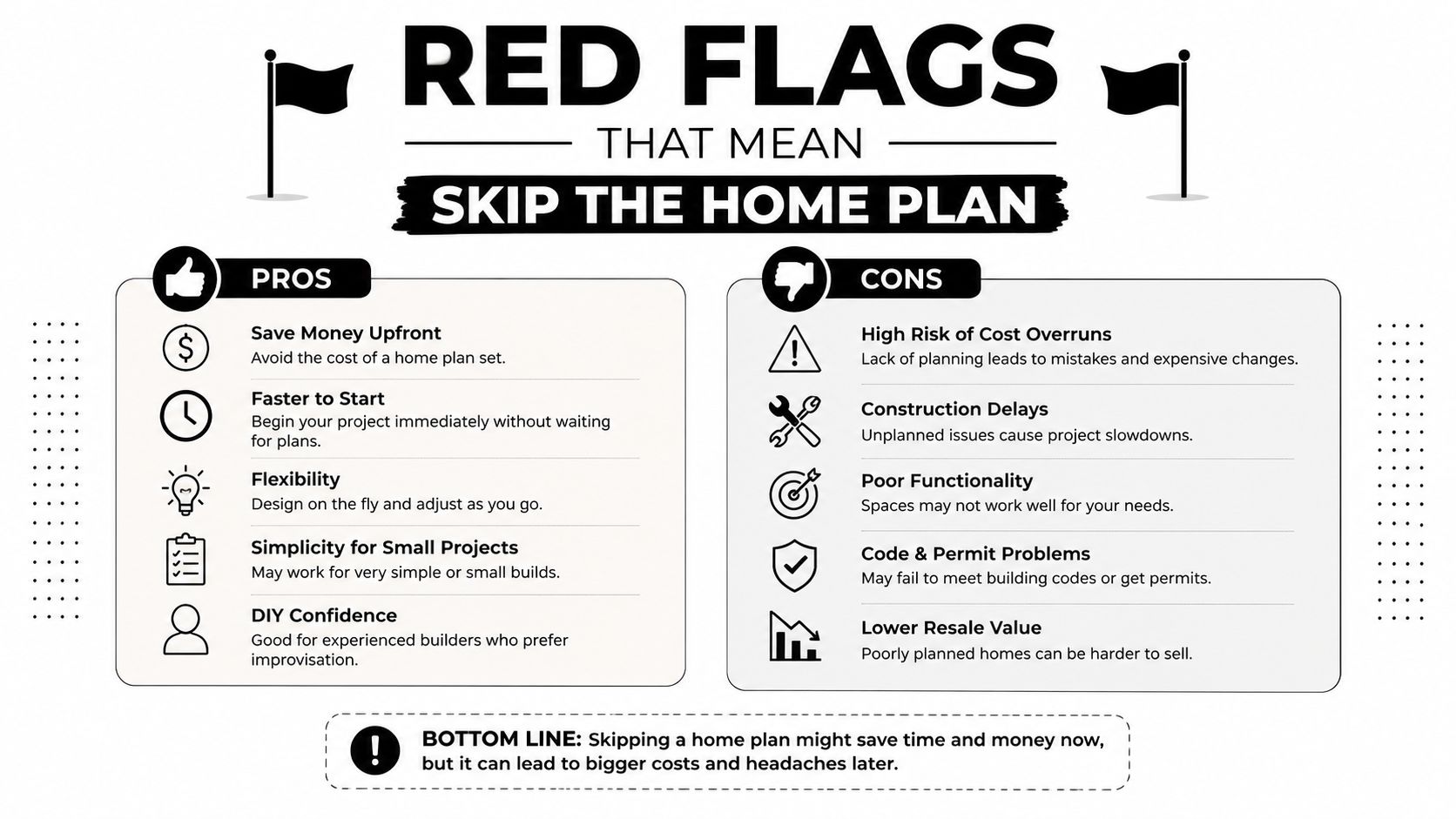
Some signs override every discussion of pumpkin, rice, broth, or probiotics. Seek veterinary care the same day, or emergency care when the sign is severe, if your dog has any of the following:
- Bright red blood or black, tarry stool: Red blood can indicate active lower intestinal bleeding, while black stool may reflect bleeding higher in the digestive tract.
- Repeated vomiting: A dog losing fluid through both vomiting and diarrhea can deteriorate quickly, and vomiting may also point to obstruction or another serious problem.
- Possible toxin or foreign-object ingestion: A swallowed toy, stick, medication, plant, or household substance needs professional advice. Don't wait to see whether diarrhea passes around an obstruction.
- A puppy under six months: Young puppies have less margin for fluid loss and may need earlier assessment.
- A toy breed with even a few hours of diarrhea: Small dogs can become unwell rapidly, so call sooner instead of applying an adult-dog fasting plan.
- Known diabetes, kidney disease, or another medical condition: Diet changes, fasting, and dehydration can complicate existing disease.
- Collapse, pale gums, severe lethargy, or obvious dehydration: These are not watch-and-wait signs.
- Diarrhea lasting more than 48 hours without improvement: Continued symptoms require a veterinary plan, even if your dog still seems reasonably cheerful.
Give the clinic useful information
Before calling, note when the diarrhea began, how often it has happened, and whether the stool is watery, red, or black. Tell the veterinarian everything your dog ate, including treats, garbage, medication, plants, and objects that may have been chewed. Mention vomiting, appetite, drinking, energy, gum appearance, and known medical conditions.
Bring a fresh stool sample if the clinic requests one, and take a photo if the appearance is unusual. Don't give Imodium, Pepto-Bismol, or another human anti-diarrheal without veterinary dosing guidance. Some antibiotics used for diarrhea also aren't clearly helpful for mild to moderate acute cases, so medication should be selected for the dog and the suspected cause, not added automatically.
Putting It All Together for the Next Episode
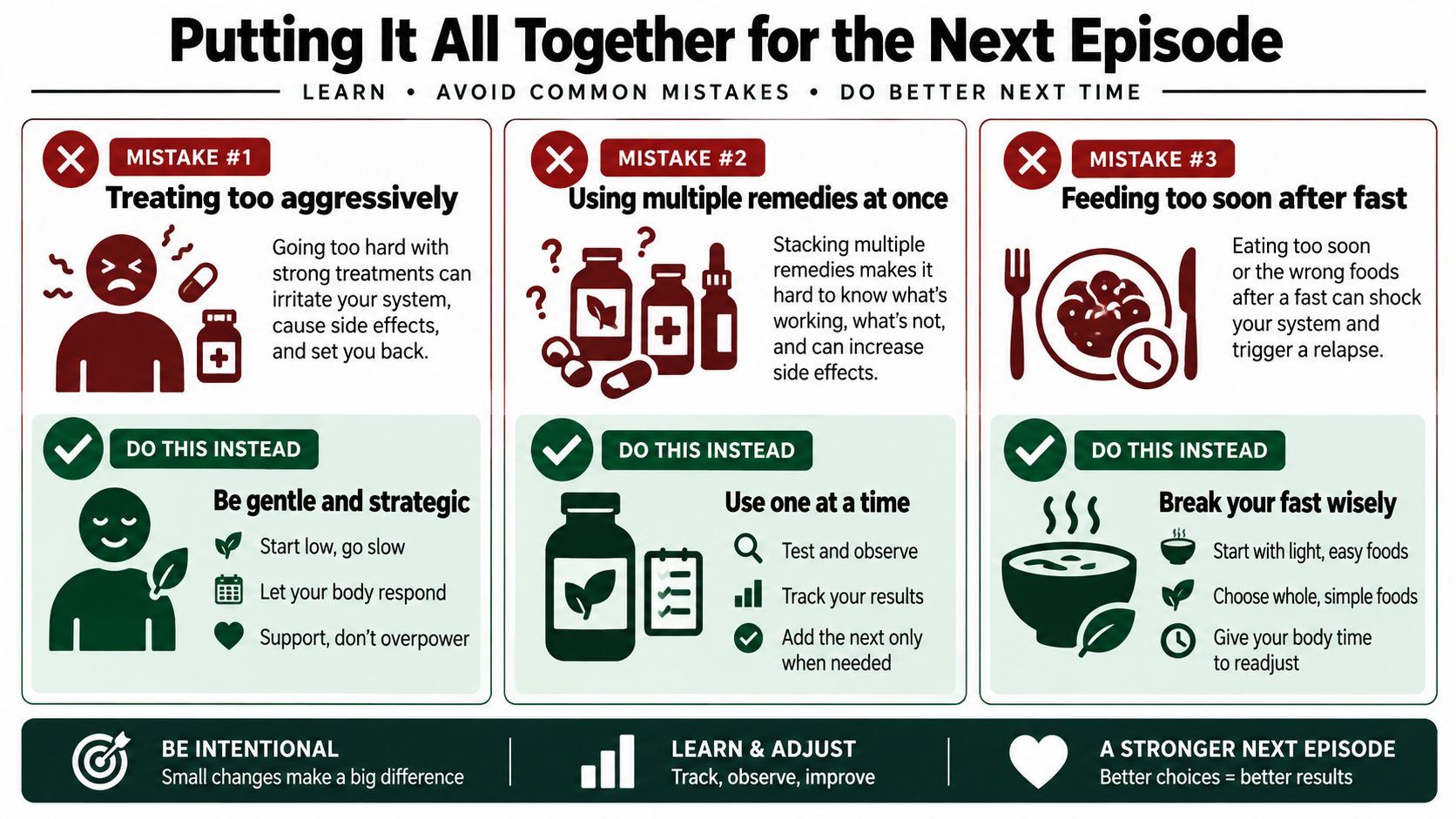
The three mistakes I see most often are treating too aggressively, underestimating hydration, and returning to regular food too quickly. Use one measured intervention at a time, keep fresh water available, and let stool quality guide the transition instead of your dog's enthusiasm for dinner.
Keep a small home kit with plain canned pumpkin, carefully chosen low-sodium broth, a canine-specific probiotic, slippery elm powder, and a kitchen scale. Screenshot this checklist:
- Record the start time and each stool.
- Check energy, appetite, drinking, and gum moisture.
- Avoid human medications without veterinary guidance.
- Reassess at 24 hours.
- Call if symptoms worsen or haven't improved by 48 hours.
- Seek immediate help for blood, black stool, repeated vomiting, collapse, toxin exposure, or a swallowed object.
Joyfull offers pet wellness products built around clearly identified ingredients and veterinary review, including options intended to support digestive routines. Visit Joyfull to explore its pet-care range before the next late-night cleanup, and keep your dog's veterinarian as the first call when the episode doesn't fit the mild pattern.
0 comments