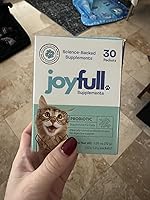
Native Pet Probiotic A Guide to Your Dog's Gut Health
Think of your pet's gut as a bustling, hidden garden. It’s not just a digestive tract; it’s a complex ecosystem—the gut microbiome—teeming with billions of microorganisms that influence everything from nutrient absorption to their immune response. This internal world is, quite literally, the foundation of your pet's health.
When this garden is balanced and thriving, it works quietly in the background to keep your companion feeling their best. Good bacteria help break down food, synthesize critical vitamins, and even act as a line of defense against harmful germs. It's like having a dedicated security team for their insides.
But this delicate ecosystem can be easily thrown off balance.
When the Garden Gets Weedy
Everyday life can disrupt your pet’s inner world. Things like the stress of a new environment, a recent round of antibiotics, an abrupt diet change, or simply the effects of aging can upset the microbial balance.
This imbalance, a condition called dysbiosis, is like weeds taking over the garden. It can lead to all sorts of common problems you might recognize: gas, diarrhea, constipation, and even itchy skin or a dull coat.
This is where the idea of a native pet probiotic comes in. Instead of just throwing any generic seeds into the garden, a native probiotic uses strains of bacteria that have specifically evolved to thrive in a dog or cat’s gut.
A healthy gut is so much more than just good digestion. It’s the very cornerstone of a strong immune system and a happy, vibrant pet. Getting that balance right is one of the most powerful things we can do for their long-term wellness.
Think of it this way: you wouldn't plant a tropical orchid in an arctic tundra and expect it to flourish. The same logic applies here. Because these bacterial strains are "locals," they are far better equipped to survive the harsh, acidic journey through the stomach and successfully set up shop in the intestines where they can get to work.
This targeted approach is a game-changer. By focusing on how to improve dog gut health with the right kind of support, you're not just treating symptoms—you're nurturing their internal ecosystem from the ground up for a happier, more comfortable life.
What Makes a Pet Probiotic 'Native'
When you hear "probiotic," you probably think of your own yogurt or supplements. But for our pets, it's not a one-size-fits-all solution. The real secret to unlocking lasting gut health benefits for them lies in understanding the difference between a generic probiotic and a native pet probiotic. This distinction isn't just marketing—it's based on solid science.
Think of it this way: a native probiotic is like a local expert for your pet's gut. These aren't just any friendly bacteria borrowed from humans or other animals. They are specific strains that scientists have identified as naturally living and thriving inside a healthy dog's or cat's digestive system. They are, quite literally, "native" to that unique biological environment.
This "home-field advantage" is a complete game-changer. Native strains are already adapted to survive the incredibly harsh conditions of a pet's digestive tract, like the highly acidic stomach. Because they belong there, they know how to navigate the journey, attach to the intestinal walls, and set up shop effectively.
The Problem with Outsiders
Giving your dog a human-grade probiotic is a bit like sending a tourist to do a local's job. The tourist means well, but they don't know the terrain, speak the language, or understand the local customs. They’ll likely struggle to find their way and won't stick around long enough to make a real difference.
Similarly, generic or non-native probiotics often just pass right through a pet’s system. They haven't evolved to handle the specific challenges of a canine or feline gut, so they can't establish a foothold and get to work.
A true native pet probiotic, however, is specifically selected for its ability to:
- Survive: Withstand punishing stomach acid and bile salts.
- Adhere: Latch onto the intestinal lining so they aren't just flushed out.
- Colonize: Multiply and build a healthy, stable community.
- Function: Do their job—like producing beneficial compounds or supporting immune cells.
This focus on species-specific solutions is driving a huge shift in pet wellness. The global pet probiotics market was valued at USD 1.10 billion and is projected to reach USD 1.65 billion by 2030. This growth is fueled by what’s known as the "pet humanization" trend, where over 75% of owners see their pets as family members and demand the same high-quality, science-backed products for them. You can dive deeper into this trend in the full industry report.
This diagram helps visualize how we can nurture our pet's internal world.

Thinking of your pet's gut as a garden or an ecosystem helps frame how all the parts must work together in harmony to support total-body health.
Native vs. Generic Probiotics At a Glance
The choice between a native and a generic probiotic can significantly impact its effectiveness. This table breaks down the key differences.
| Feature | Native Pet Probiotics | Generic/Human Probiotics |
|---|---|---|
| Origin | Derived from the specific host species (e.g., healthy dogs). | Derived from other species, like humans or cows. |
| Adaptation | Naturally adapted to the pet's unique gut environment. | Not adapted; may struggle to survive stomach acid and bile. |
| Effectiveness | High likelihood of adherence, colonization, and function. | Low likelihood of colonization; often pass through without effect. |
| Scientific Basis | Backed by species-specific research for proven benefits. | Benefits are proven in the original host, not necessarily in pets. |
| Best For | Targeting specific pet health issues and restoring natural gut balance. | General, non-specific support with unpredictable results. |
Ultimately, native probiotics are designed from the ground up to be residents, not visitors, in your pet's gut.
How The Right "Local Experts" Are Found
So, where do these native strains come from? It all starts with meticulous research. Scientists study the gut microbiomes of exceptionally healthy dogs and cats to see which bacterial species are consistently present. From there, they isolate the specific strains that provide the most powerful health benefits. It's a precise process of finding the absolute best "locals" for the job.
Using a native strain isn't just a preference; it's a strategy. It ensures the probiotic you give your pet is not just a visitor, but a resident capable of truly restoring balance and promoting long-term gut harmony.
This targeted approach means a native pet probiotic works with your dog’s biology, not against it. It's about putting back the good guys that belong there, reinforcing the natural order that may have been disrupted by stress, diet, or antibiotics. Choosing native strains is the most direct and scientifically sound path to supporting the complex, vital ecosystem inside your best friend.
The Science-Backed Benefits for Your Dog
Once a native pet probiotic gets to work balancing your dog’s inner ecosystem, the changes can be pretty amazing. We're not just talking about some abstract concept of "gut health"—we're talking about real, tangible results you can see in your best friend every single day.
Let’s dive into what a happy, well-supported microbiome actually looks like in practice.

Promoting Smooth and Consistent Digestion
The first thing most pet owners notice is a huge improvement in digestion. It makes sense. When the right bacteria are running the show, they help break down food way more efficiently, which means better nutrient absorption and—most importantly—better potty breaks.
This often looks like:
- Firmer, more regular stools: No more unpredictable loose stools or straining from constipation.
- Reduced gas and bloating: A balanced gut is a quiet gut, making your dog more comfortable (and your home a lot more pleasant).
- Less digestive upset: A healthy gut is a resilient gut, better equipped to handle that forbidden scrap of food they snagged off the floor.
Think of the good bacteria as a team of expert chefs in your dog's gut. They take the raw ingredients from food and turn them into perfectly prepared, nutrient-rich meals the body can easily use. When the chefs are on their game, the whole kitchen runs like a dream.
Fortifying the Immune System
Here’s a fact that surprises a lot of people: around 70% of your dog's immune system is located in their gut. This makes their gut microbiome the command center for their body's entire defense team. A thriving colony of good bacteria helps regulate immune responses and creates a physical barrier to keep bad bugs out.
This direct link means a healthy gut is one of the best tools for building a strong, resilient immune system. A dog with a balanced microbiome is simply better prepared to fight off common illnesses and can bounce back much faster if they do get sick. By supporting their gut with a native pet probiotic, you’re basically reinforcing their natural defenses from the inside out.
Enhancing Skin Health and Coat Luster
Ever deal with relentless itching, dry skin, or hot spots? These are often external clues that something is out of balance internally. There's a well-known connection called the gut-skin axis, where inflammation in the digestive tract can show up directly on the skin. An unbalanced microbiome can trigger inflammatory signals that lead to all those frustrating and uncomfortable skin problems.
When you restore harmony in the gut, a native pet probiotic can help calm that internal inflammation at its source. Over time, you’ll likely see:
- Less itching and scratching: Finally, some relief from the constant discomfort that drives so many dogs (and their owners) crazy.
- Healthier, more supple skin: A calm internal state leads to stronger, less irritated skin on the outside.
- A shinier, softer coat: When your dog is absorbing nutrients properly and has less inflammation, their coat shows it.
It's proof that true health really does radiate from within. A beautiful coat isn't just for looks; it’s a clear sign of a happy, well-functioning gut.
A dog's outward appearance—their energy, their coat, their skin—is often a direct mirror of their internal gut health. Restoring balance on the inside is one of the most effective ways to see a vibrant, happy dog on the outside.
Soothing Stress and Anxious Behaviors
The connection between the gut and the brain is fascinating and incredibly powerful. The two are in constant communication through a network of nerves and chemical messengers. When the gut is in a state of chaos (dysbiosis), it can send stress signals to the brain, which can contribute to anxiety, nervousness, and even some compulsive behaviors.
On the flip side, a healthy and balanced gut microbiome actually helps produce calming neurotransmitters, like serotonin—often called the "happy chemical." Supporting your dog's gut with the right native pet probiotic can lead to a more stable mood and a calmer disposition. This makes it an invaluable tool for dogs that get worked up over thunderstorms, car rides, or being left alone.
By nurturing their internal ecosystem, you aren’t just looking after their physical health. You’re also supporting their mental and emotional well-being, helping them feel more secure and content in their day-to-day life.
How to Choose the Right Native Pet Probiotic

Walking down the pet wellness aisle can feel overwhelming. You're faced with a wall of tubs and powders, all promising a happier, healthier pet. But how do you separate the genuinely effective products from the duds?
When it comes to choosing a native pet probiotic, a few key details on the label can make all the difference. Think of this as your cheat sheet for reading labels like a pro, so you can feel confident that you’re making a smart purchase for your best friend.
Look for a Team of Native Strains
A great probiotic supplement isn't a single superhero—it’s a whole team of specialists. Different strains of bacteria are good at different things. Some are fantastic at supporting the immune system, while others are pros at helping digest certain foods.
While a single-strain probiotic can be useful, a formula with several well-researched native strains offers far more comprehensive support. It's like having an entire crew working together to keep your pet’s internal garden flourishing.
When you scan the label, look for well-studied, pet-specific names like:
- Lactobacillus acidophilus: A classic powerhouse often tied to better digestion and a stronger immune response.
- Bifidobacterium animalis: A go-to strain known for its ability to help manage diarrhea and soothe gut inflammation.
- Enterococcus faecium: A particularly tough strain that’s great at surviving the journey through the gut to restore balance.
Seeing a variety of these names is a huge green flag. It tells you the product was thoughtfully designed.
Understand the CFU Count
On any probiotic label, you’ll find a number followed by “CFU,” which stands for Colony Forming Units. This tells you how many live, active bacteria are in each serving—at least, at the time it was made. It’s tempting to think a bigger number is always better, but that’s not the full picture.
Potency isn't just about a high number. It's about getting the right number of the right strains to the right place. A billion CFUs of a generic strain that just passes through is far less effective than millions of a native strain that can actually colonize and thrive.
For most dogs and cats, a daily dose somewhere between 1 to 10 billion CFUs is a solid target for general wellness. What really matters is consistency and ensuring those strains are native and well-protected.
Check for Prebiotics—The Essential Fertilizer
The best probiotic formulas don’t just add good bacteria; they also feed them. This is where prebiotics come in. Prebiotics are special dietary fibers that your pet can’t digest, but the good bacteria in their gut absolutely feast on them.
Think of prebiotics as fertilizer for the probiotic "seeds." They provide the perfect meal to help the new bacteria settle in, multiply, and get to work. Look for ingredients like inulin, FOS (fructo-oligosaccharides), or pumpkin. Their presence shows the formula is built for long-term success.
Prioritize Clean Ingredients and Avoid Fillers
What’s not in the product is just as important as what is. A high-quality native pet probiotic should be free of junk that could do more harm than good, especially for sensitive pets.
Scan the ingredient list and watch out for common offenders:
- Artificial colors and flavors
- Chemical preservatives
- Unnecessary fillers like soy, corn, or wheat
- Excessive sugars or artificial sweeteners
A clean, simple ingredient list is a sign of a company that puts your pet’s health first. For a deeper dive into what to look for, check out our guide on the best probiotics for dogs.
Make Sure the Bacteria Are Protected
Finally, even the best probiotic strains are useless if they don't survive the journey to your pet's intestines. Your pet’s stomach is an acid bath designed to kill bacteria—and it doesn’t care if they’re good or bad.
This is where the product's formulation and delivery technology become critical. Top-tier manufacturers now use advanced techniques like microencapsulation or sophisticated freeze-drying to create a protective shield around the live cultures. This shield ensures the probiotics survive the harsh stomach environment and arrive alive and ready to work where they’re needed most.
By keeping these five points in mind, you can cut through the marketing noise and choose a native pet probiotic that is safe, effective, and truly beneficial for your dog or cat.
Signs Your Dog Could Benefit from Probiotics

So, how can you tell if your pet’s internal garden needs a little extra care? While we can't see their microbiome directly, our dogs are pretty good at giving us clues when things are out of balance. Learning to spot these signs is the first step in moving from just reacting to problems to proactively supporting their wellness.
Many of the most common signs are, unsurprisingly, related to digestion. This makes perfect sense—an imbalanced gut just can't process food the way it's supposed to. These issues are often the easiest to spot and can be the first red flag that your dog’s gut needs support from a native pet probiotic.
Tummy Troubles and Digestive Distress
The most obvious signals of an unhappy gut show up during and after meals. If your dog consistently has digestive issues, it’s a strong indicator that their microbiome is struggling. You might be dealing with a gut health issue if you notice any of these things.
- Loose Stools or Diarrhea: This is a classic sign of gut dysbiosis. A healthy gut results in firm, predictable bowel movements.
- Excessive Gas: Sure, all dogs have gas sometimes. But if it’s frequent and foul-smelling, that often points to poor digestion and fermentation in the gut.
- Constipation: Difficulty passing stool can also signal an imbalance, as the right bacteria are crucial for keeping everything moving along smoothly.
- Vomiting: While occasional vomiting can happen, if it becomes a regular thing, it might be tied to underlying gut inflammation.
When you see these symptoms, it’s a good bet that the "good bugs" in your dog's gut are being outnumbered, making it hard for them to do their job.
Skin and Coat Issues
The link between gut health and skin health—often called the gut-skin axis—is incredibly powerful. Inflammation that starts inside the gut frequently makes an appearance on the outside, leading to frustrating and uncomfortable skin conditions for your dog.
An itchy dog is often a dog with an imbalanced gut. Chronic skin issues are one of the most common external signs that something is wrong on the inside, and probiotics can help address the problem at its source.
Keep an eye out for these external warning signs:
- Constant Itching and Scratching: If your dog is always scratching, licking, or chewing at their paws and skin, internal inflammation is a very likely culprit.
- Recurring Ear Infections: The skin inside the ear is a common place for yeast and bacteria to overgrow, an issue often linked to a systemic imbalance that starts in the gut.
- Hot Spots or Rashes: These painful, inflamed patches of skin can be a direct result of an overactive immune system, triggered by poor gut health.
- A Dull, Dry Coat: When a dog isn’t absorbing nutrients properly, their coat is one of the first places you'll see it.
Situational Triggers and Behavioral Clues
Sometimes, the need for a probiotic isn't because of a long-term issue, but a specific event that throws the gut for a loop. These situations can wipe out beneficial bacteria, leaving the door wide open for problems.
Consider adding a probiotic if your dog has recently experienced:
- A Course of Antibiotics: These drugs are lifesavers, but they don't discriminate. They kill the bad bacteria, but they take out a lot of the good guys, too.
- A Stressful Event: Things like moving to a new home, staying at a kennel, or even a loud thunderstorm can cause stress that throws the gut off balance.
- A Sudden Diet Change: Switching your dog’s food too quickly can shock their system, making it tough for their microbiome to adapt.
Recognizing these signs allows you to step in early with a quality native pet probiotic, helping to restore their internal harmony and keep them feeling their best.
Your Vet: Your Best Partner in Gut Health
Even with all this newfound knowledge about labels and symptoms, your veterinarian is still your most important ally in your pet’s wellness journey. Think of them as your co-pilot. Before starting any new supplement, including a native pet probiotic, a quick chat with your vet is the essential first step. They see the whole picture of your pet’s health in a way no one else can.
Your vet knows your pet’s entire medical history, their current condition, and any other medications they’re on. This big-picture view is crucial. It helps them figure out if a probiotic is not just a good idea, but a safe one. What works wonders for your neighbor’s Golden Retriever might not be the right choice for your dog, especially if they have an underlying health issue.
How to Make That Vet Visit Count
To get the most out of your conversation, a little prep goes a long way. The goal here is to team up and create a solid wellness plan together. Start by jotting down the specific signs you’ve noticed—the more detail, the better.
Bringing a short list of questions is also a great idea. It helps keep the conversation on track and ensures you walk out of the clinic feeling confident about the path forward.
Here are a few things you might want to ask:
- Given my dog’s symptoms (like the constant gas, itchy paws, or loose stool), do you think their gut could be playing a role?
- Do you recommend any specific probiotic strains for a dog dealing with these kinds of issues?
- Is there any risk of a native pet probiotic interfering with the medications or health conditions my dog already has?
- What positive changes should I be looking for, and how long does it usually take to see them?
"Your veterinarian’s guidance is invaluable. They can help you navigate the options and ensure that any supplement you choose is safe, effective, and fully aligned with your pet’s individual health needs, fostering both trust and responsible pet ownership."
When you approach it this way, a routine vet visit becomes a strategic session for your pet’s long-term health. By truly partnering with your vet, you can feel confident that every decision you make is informed, safe, and genuinely tailored to help your best friend live their best life.
Common Questions About Native Pet Probiotics
Even when you understand all the benefits, it's natural to have a few practical questions before starting your pet on a new supplement. Let's walk through some of the most common things people ask, so you can feel confident you're doing the right thing for your furry friend.
How Long Until I See a Difference?
This is the big question everyone asks, and the honest answer is: it really depends on your pet.
Some dogs and cats with minor tummy troubles might have better-looking poop in just a few days. But for the deeper, more lasting changes, you need a bit more patience. After all, you’re helping to rebuild an entire microscopic community in their gut.
For things like skin issues or boosting their immune system, you should plan on using the probiotic consistently for at least 4 to 8 weeks before looking for significant results. Consistency is everything—it gives those good native bacteria the time they need to settle in and start making a real impact.
Can I Just Give My Dog My Own Probiotic?
Please don't. While it might seem like a good shortcut, human probiotics are made for human guts. Our digestive systems have a totally different pH balance and environment than a dog's or cat's.
Think of it this way: human strains in a dog's gut are like tourists on a brief vacation. They'll just pass right through without ever unpacking their bags or setting up a home.
A native pet probiotic is specifically formulated with strains that know how to survive and thrive in your pet's unique digestive tract. Giving them a human product is a waste of money because it simply can’t provide the species-specific support they actually need.
Are There Any Side Effects to Worry About?
When you first introduce a probiotic, some pets go through a brief "adjustment period." You might notice a little extra gas, some mild bloating, or even slightly looser stools for a few days.
This is completely normal! It’s just a sign that their gut microbiome is shifting and rebalancing. To make the transition smoother, it’s a great idea to start with half the recommended dose for the first week before moving up to the full amount.
What's the Right Way to Store Probiotics?
How you store the product is critical for keeping those live cultures alive and kicking. Always, always check the label for specific directions. While some older formulas need to be kept in the fridge, many high-quality, modern probiotic powders are freeze-dried, making them stable at room temperature.
Here are a few good rules of thumb:
- Keep the container in a cool, dry spot, away from direct sunlight.
- Don’t leave it in a hot car or a steamy bathroom.
- Always seal the lid tightly after you use it to keep air and moisture out.
At Joyfull, our goal is to make pet wellness simple and effective. Our formulas are made with clean, purposeful ingredients, grounded in science, and reviewed by veterinarians to ensure your pet gets the high-quality support they deserve.
Explore JoyFull's commitment to clean, effective pet wellness.