


Yes, dogs can absolutely eat cabbage. In fact, when served in moderation, this crunchy, leafy vegetable can be a fantastic, low-calorie treat that offers some surprising health perks for your pup.
The trick is all in the preparation and portion size. Get those right, and you can easily sidestep the most common side effect: a bit of gas.
Cabbage For Dogs: A Quick Guide
So, you're standing in your kitchen, cabbage in hand, and your dog is giving you that look. You're probably wondering, "Can I share this?" The short answer is yes, but think of it as a healthy supplement, not a meal replacement.

This guide is here to walk you through everything you need to know. We'll cover the good stuff—the vitamins and antioxidants packed inside—as well as the potential downsides and how to serve it safely so it doesn't lead to an upset tummy.
Why Moderation Is Key
While cabbage is nutrient-dense, it contains a compound called thiocyanate. In huge, consistent amounts, this could potentially interfere with thyroid function. But let's be realistic—for a dog getting a small sprinkle of cabbage as a treat, this isn't something to lose sleep over.
The more immediate concern, and the one you’re more likely to notice, is gas. Cabbage is famous for it, in both humans and dogs!
Cabbage is a fantastic, low-calorie way to add fiber and vitamins to your dog's diet. The trick is to start small and serve it cooked to minimize the gassy side effects and ensure it's easy to digest.
To give you a quick snapshot, here’s a simple breakdown of the pros and cons.
Cabbage for Dogs At a Glance
This table sums up the key points to help you make a fast, informed decision.
| Key Takeaway | The Bottom Line for Your Dog |
|---|---|
| Benefits | Cabbage is packed with vitamins K and C, fiber for digestion, and antioxidants that support immune health. It's a great low-calorie option for weight management. |
| Risks | The main downsides are the potential for gas and digestive upset. In very large amounts, it can also impact thyroid health, and raw pieces can be a choking hazard. |
By keeping both sides in mind, you can feel confident about how you introduce this healthy veggie into your dog's treat rotation.
The Nutritional Powerhouse Inside This Leafy Green
When you glance at a head of cabbage, you probably just see a simple, crunchy vegetable. But for your dog, it's a treasure chest of vitamins and minerals that can support their overall health in some pretty amazing ways. This humble veggie is a perfect example of how good things come in simple, leafy packages.
Think of the nutrients inside cabbage as a skilled maintenance crew for your dog's body. Each vitamin and mineral has a specific job, and together, they keep everything running smoothly. From bolstering their immune system to keeping their bones strong, the benefits are surprisingly far-reaching.
A Deeper Dive Into Key Nutrients
To really get why cabbage is a great occasional treat for dogs, let's break down its most valuable components. It's not just a random assortment of health buzzwords; these are the actual building blocks for a healthier pup. Cabbage delivers a powerful blend of antioxidants, vitamins, and minerals that contribute directly to your dog’s vitality.
Here are the key players:
- Antioxidants: Think of these as rust-proofers for your dog’s cells. They hunt down and neutralize harmful molecules called free radicals, which cause damage over time and contribute to aging and disease.
- Vitamin C: This is a true superstar antioxidant. It acts like a tiny bodyguard for every cell in your dog's body, helping to reduce inflammation and keep their immune system sharp.
- Vitamin K: Consider this vitamin your dog's personal medic. It’s absolutely essential for proper blood clotting, which means it helps your pup heal effectively from minor cuts and scrapes.
- Fiber: This is the unsung hero of digestive health. It keeps things moving along smoothly in your dog’s gut, promoting regular bowel movements and helping to prevent constipation.
The combination of these nutrients makes cabbage more than just a filler food. It’s a functional treat that can actively contribute to your dog's long-term wellness when included as part of a balanced diet.
Connecting Nutrients to Everyday Health
It's one thing to list vitamins, but it's another to see how they actually help your dog every day. The vitamin C in cabbage, for instance, is great at protecting cells from those pesky free radicals that can speed up aging and cognitive decline. In fact, studies on antioxidants show that vitamin C can lower oxidative stress by up to 30% in animal models.
Paired with vitamin K, which is essential for blood clotting, even a minor scrape can heal efficiently. Magnesium is also in the mix, playing a crucial role in muscle and nerve function—helping keep those zoomies smooth and cramp-free. You can learn more about general canine nutritional needs from the American Kennel Club.
This powerful cocktail of vitamins and minerals is what makes cabbage a surprisingly beneficial addition to your dog’s bowl, supporting everything from their immune response to their ability to play and heal.
The Real-World Benefits of Adding Cabbage to Your Dog's Bowl
So, we know cabbage is packed with good stuff. But what does that nutrient list actually do for your dog? It's one thing to see vitamins on paper, and another to see the benefits play out in your pup's health.
Think of cabbage as a small but mighty addition to their routine. The antioxidants act like little bodyguards for their cells, while the fiber keeps their internal plumbing humming along. It’s a simple veggie that supports some of their body's most important jobs.
A Powerful Ally for Weight Management
For so many dogs, keeping the pounds off is a constant battle. This is where cabbage really proves its worth. It’s mostly water and fiber, with barely any calories, making it a fantastic snack for helping your dog feel full without the extra weight.
This is a bigger deal than you might think. A staggering 59% of dogs in the U.S. are considered overweight or obese, and that number is a serious wake-up call. Cabbage has only about 17 calories per cup and delivers 2.5 grams of fiber, which is key for helping a dog feel satisfied.
Just think: swapping out a single high-calorie store-bought treat (which can easily top 50+ calories) for a spoonful of crunchy cabbage can make a huge difference over time. It's a simple, proactive step toward avoiding the health problems that come with obesity. For more great insights on this, you can learn how cabbage can be a healthy treat for your dog on Chewy.com.
Supporting a Healthy Digestive System
A happy dog almost always starts with a happy gut. The dietary fiber in cabbage is a total game-changer for digestive health. It essentially acts like a broom, sweeping through the digestive tract to keep everything moving regularly and helping to prevent constipation.
Cabbage brings two types of fiber to the table:
- Soluble Fiber: This kind dissolves in water and creates a gel, which slows down digestion. This helps your dog feel full and satisfied for longer.
- Insoluble Fiber: This is the "roughage." It adds bulk to their stool, which is crucial for helping waste pass through the intestines smoothly and efficiently.
This one-two punch of both soluble and insoluble fiber is what makes cabbage so effective for dogs who sometimes struggle with digestive irregularity. It helps build a healthy gut environment where good bacteria can flourish.
Boosting the Immune System
Finally, let's talk about defense. The rich mix of antioxidants in cabbage, particularly Vitamin C, gives your dog's immune system a serious boost. These powerful compounds go to work neutralizing harmful free radicals—unstable molecules that can cause cell damage and lead to inflammation.
A strong immune system is your dog's best defense against getting sick. By adding antioxidant-rich foods like cabbage to their meals, you’re helping to fortify those natural defenses, keeping them healthier and more resilient. Cabbage is a great starting point, and you can discover even more options in our guide to the best vegetables for dogs.
Potential Risks and How to Serve Cabbage Safely
While cabbage is packed with good stuff, it's not without a few quirks. As a dog owner, knowing the potential downsides is key to serving this veggie safely and confidently. The good news? Most of the common issues are easy to handle with the right prep and portion sizes.
The most famous side effect of cabbage is, of course, gas. This happens because cabbage contains raffinose, a type of sugar that’s tough for a dog's small intestine to process. When it travels down to the large intestine, the gut bacteria have a field day fermenting it, which produces gas.
This is a totally normal process, but it can lead to some, well, fragrant moments and a bit of discomfort for your pup. A little toot is no big deal, but a lot of gas probably means you served up too much. For a closer look at this gassy situation, you can learn more about what causes gas in dogs and how to manage it.
Understanding Goitrogens and Thyroid Health
You may have heard people worry about goitrogens in cabbage. These are natural compounds found in cruciferous veggies that, in very large amounts, can mess with how the thyroid gland uses iodine to make its hormones.
Let me put your mind at ease: for almost all dogs, this is a non-issue. A healthy dog would have to eat an absolutely massive, consistent diet of raw cabbage for it to cause any trouble. The real, albeit small, risk is for dogs that already have a thyroid condition like hypothyroidism.
Key Takeaway: If your dog has a healthy thyroid, a little bit of cooked cabbage as an occasional treat poses a negligible risk. Plus, cooking the cabbage reduces its goitrogenic effect even further.
Other Practical Safety Tips
Beyond the science, a few common-sense tips will make sure cabbage is a safe and fun treat for your dog. A little forethought can prevent some easily avoidable problems.
Just follow these simple rules:
- Chop It Small: Big, tough pieces of raw cabbage are a serious choking hazard, especially for small breeds or dogs who inhale their food. Always chop cabbage into small, bite-sized bits that your dog can easily manage.
- Skip the Sauerkraut: Never give your dog fermented cabbage like sauerkraut or kimchi. These are loaded with sodium, which is dangerous for dogs and can even lead to salt toxicity. Stick to plain, fresh cabbage.
- Start Slow: Any time you introduce a new food, go slow. Give your dog a tiny piece of cooked cabbage and see how their stomach handles it before you make it a regular part of their snack rotation.
The Best Way to Prepare Cabbage for Your Dog
So, you're ready to share this crunchy green with your pup? Great! Let's get down to the most important part: how to prepare it. Getting the prep right is the key to making cabbage a safe and beneficial treat, not a source of tummy troubles. The main goal is simple: make it easy to digest while keeping all that good stuff locked in.
You've got two basic choices: raw or cooked. While a tiny shred of raw cabbage probably won't hurt, it's much tougher for a dog’s digestive system to handle. This is what leads to that notorious gas and bloating. Plus, raw chunks can be a serious choking hazard, especially for small dogs or pups who inhale their food.
Cooked Cabbage Is the Gold Standard
When it comes to serving cabbage, cooked is the clear winner. Gently cooking the leaves breaks down the tough, fibrous structures, making it far easier for your dog to digest. It also neutralizes a good portion of those goitrogenic compounds we talked about earlier, which makes it an all-around safer option.
The best cooking methods are also the simplest:
- Steaming: This is my top recommendation. Steaming softens the cabbage perfectly without boiling away too many of the water-soluble vitamins. It's the best way to preserve its nutritional punch.
- Boiling: This works well too! Just be careful not to turn it into a soggy mess. Overcooking can strip out some of the very nutrients you’re trying to give your dog.
One thing to remember, no matter how you cook it: always serve cabbage plain. Skip the salt, butter, oils, onions, and garlic. Many seasonings can upset a dog’s stomach, and ingredients like onions and garlic are downright toxic.
This quick chart breaks down the safest way to think about preparing cabbage for your dog.
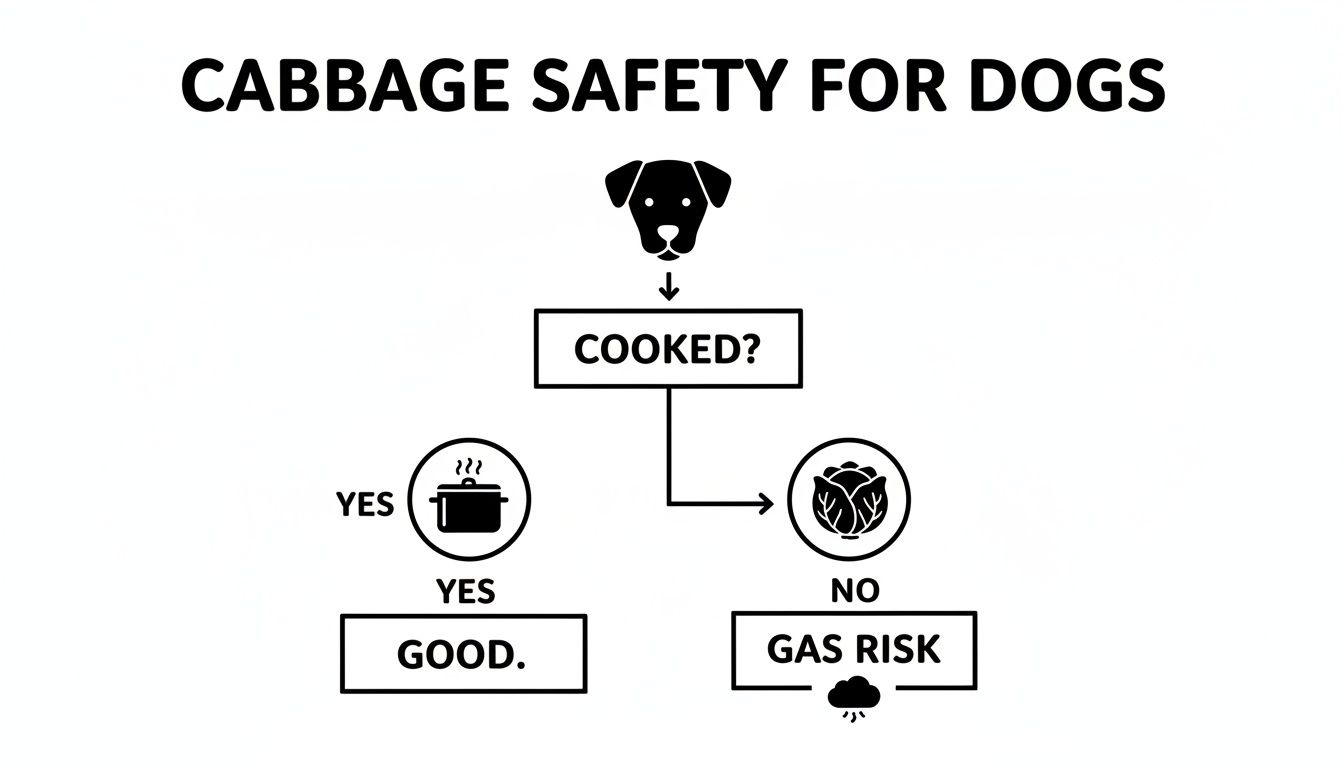
As you can see, sticking with plain, cooked cabbage is the safest bet. Going the raw route just isn't worth the risk of an upset stomach and a gassy dog.
How Much Cabbage Can My Dog Eat?
Like any treat, moderation is everything. Cabbage should be a fun little extra, not a main meal. We always fall back on the 10% rule: treats should never make up more than 10% of your dog's total daily calorie intake. Because cabbage is packed with fiber, it's also a great way to support gut health by nourishing beneficial bacteria—something you can learn more about in our guide to prebiotic foods for dogs.
To keep things simple, here are some handy serving suggestions for plain, cooked cabbage.
Cabbage Serving Guide by Dog Weight
This table provides a good starting point for how much cabbage you can offer daily. Remember to always start small and watch for any signs of digestive upset.
| Dog Size | Weight Range | Recommended Serving |
|---|---|---|
| Extra Small | Under 10 lbs | No more than ½ teaspoon |
| Small | 11-25 lbs | Up to 1 teaspoon |
| Medium | 26-50 lbs | Up to 1 tablespoon |
| Large | 51+ lbs | Up to 2 tablespoons |
These are just guidelines. Always introduce any new food slowly and in a small quantity to see how your dog’s system handles it. You can easily mix the chopped cabbage into their regular kibble as a tasty topper or serve it on its own as a special snack.
Got More Questions About Cabbage?
It's totally normal to have a few more questions rattling around. After all, being a great dog parent means doing your homework before adding something new to their bowl. Let's clear up some of the most common things people ask when they're thinking about sharing this crunchy veggie with their pup.
We'll cover which type of cabbage packs the biggest nutritional punch and what to do if your dog helps themselves to a bit too much. Think of this as the final check-in to make sure you feel confident and ready.
Is Red Cabbage Better Than Green Cabbage for Dogs?
Good question! From a nutritional angle, red cabbage does have a slight leg up. Both are great, but red cabbage gets its beautiful color from special compounds called anthocyanins. These are fantastic antioxidants that offer an extra anti-inflammatory boost.
In fact, you'll often find that red cabbage packs about 20% more vitamins than its green cousin. But don't stress if all you have is green cabbage in the fridge. Both versions are perfectly safe and healthy when prepared right. The most important rule is still the same: serve it plain, cooked, and in small amounts.
What Should I Do If My Dog Eats Too Much Cabbage?
First off, take a breath—don't panic. If your dog went a little overboard, the most likely result is a bit of gassiness and maybe some temporary digestive upset, like diarrhea. That high fiber content is usually the reason.
Here’s a quick game plan:
- Keep a close eye on them. Watch for any real signs of distress, like vomiting, serious bloating, or if they seem unusually tired.
- Make sure water is available. Staying hydrated is key, especially if they have loose stools.
- Give their stomach a break. You might want to hold off on their next meal for a few hours to let their system settle.
- Call your vet. If symptoms seem severe or don't get better within 24 hours, it's always best to get professional advice.
Remember, a one-time cabbage binge is unlikely to cause any lasting harm. It’s really just a temporary overload of fiber that needs to pass.
Can Puppies Eat Cabbage?
Yes, they can, but you have to be extra careful. A puppy’s digestive system is still under construction and far more sensitive than an adult dog’s. If you want to let them try it, the rules are even stricter: start with a minuscule amount (like a single, tiny shred), and make sure it's cooked soft and completely plain.
Because puppies have such precise nutritional needs for their growth, checking in with your vet before introducing any new foods is always the smartest move.
How Does Cabbage Compare to Other Veggies Like Brussels Sprouts?
They're cousins! Cabbage and Brussels sprouts both belong to the cruciferous vegetable family, so they have a lot in common. They're both loaded with fiber and vitamins, and yes, they both have a reputation for causing gas (thanks to that pesky raffinose sugar).
The biggest difference is really their shape. Brussels sprouts are like little dense balls, which can be more of a choking hazard if you don't chop them up well. Cabbage leaves, on the other hand, are much easier to shred or finely chop into safe, bite-sized pieces. At the end of the day, both can be a healthy snack when cooked and served in moderation. The best one is simply whichever your dog seems to enjoy and digest the best.
At Joyfull, we believe that a healthy life isn't just for humans—our pets deserve it, too. That's why we create clean, high-quality snacks and formulas backed by science, so you can feel good about what you're feeding your best friend.
0 comments