How to Keep Cats Healthy: A Complete Owner's Guide
A lot of cat owners know this feeling. Your cat is asleep in a warm patch of light, looks content, and you still wonder if you are missing something important.
That question is reasonable. Cats hide discomfort well, routines drift, and “keep your cat healthy” is broad enough to be useless unless it turns into specific habits.
The good news is good cat care is usually not about heroic effort. It is about noticing small changes early, feeding with intention, keeping the environment stimulating, and sticking to a schedule that is realistic on busy days.
Beyond the Basics A Proactive Approach to Cat Health
You notice it on an ordinary Tuesday. Your cat still eats, still naps in the same spot, still comes running when the treat bag opens. But the jump onto the windowsill looks heavier than it used to, the coat is a little less sleek, and the litter box habits are not quite as predictable.
That is how a lot of health problems start. They begin in ways that are easy to excuse until they are harder to fix.
A proactive approach works better than a reactive one for cats because cats are skilled at masking pain and stress. By the time a problem is obvious, you may be dealing with weight gain, dental disease, urinary trouble, arthritis, or chronic stress that has been building for weeks or months. The practical answer is a routine with checkpoints built into it.
The weight issue alone makes the case. The Association for Pet Obesity Prevention has long reported that overweight and obesity are common in pet cats, and veterinarians regularly link excess weight with diabetes, joint strain, and reduced quality of life. Many cats look normal to the people who love them. Their body condition says otherwise.
What proactive care looks like at home
At home, proactive care is less about doing more and more about doing the right things on a schedule you can keep.
I have found that most owners do better with a checklist than with vague advice. Daily care handles food, water, litter, and behavior. Weekly care creates space to notice patterns. Monthly care helps you review weight, supplies, and parasite prevention. Yearly care gives your vet the chance to catch what is easy to miss in a living room.
The core areas stay the same:
- Nutrition and hydration: Feed for species-appropriate nutrition, sensible portions, and steady water intake.
- Preventive veterinary care: Keep up with exams, vaccines, dental assessment, and screening based on age and risk.
- Exercise and enrichment: Give your cat regular chances to climb, chase, scratch, hide, and rest without being disturbed.
- Home observation: Watch appetite, litter box output, coat, mobility, mood, and weight trend.
None of this is flashy. It prevents a surprising amount of trouble.
The home itself matters too. Cats walk through spills, groom their paws, rub against baseboards, and nap where you clean. If you have hardwood floors, using pet-safe, non-toxic hardwood floor cleaners is a sensible part of the setup, especially in homes with kittens, seniors, or cats that spend a lot of time on the floor.
The goal
The goal is not perfection. The goal is to make good care repeatable enough that it still happens on busy days.
A short daily play session, a quick litter box scan, and a monthly weight check do more for long-term health than a burst of effort after something starts to look wrong.
People often ask for the best food, toy, or supplement. What helps first is a calendar. A scheduled approach turns cat health from a vague intention into daily, weekly, monthly, and yearly actions you can keep.
Fueling a Long Life Cat Nutrition and Hydration
Tuesday night is when a lot of feeding mistakes happen. You get home late, the bowl looks half-full, the cat acts starving, and an extra scoop feels harmless. Repeat that often enough and weight creeps up, water intake stays low, and you miss one of the few health habits you control every single day.
Food is not just fuel for cats. It shapes body weight, muscle maintenance, stool quality, urinary health, and how easy it is to spot a problem early. A scheduled approach helps here too. If meals, portions, and water checks happen at set times, you are less likely to drift into all-day grazing and guesswork.
Cats are obligate carnivores. Their bodies are built to get key nutrients from animal tissue, including taurine. A diet that treats meat as an afterthought is the wrong starting point.

Start with what belongs in the bowl
A feeding plan that holds up over time usually does three things well. It centers animal protein, controls calories, and makes hydration easier instead of leaving it to chance.
That sounds basic, but it rules out a lot of common problems. Unlimited dry food in a gravity feeder is convenient for the owner, not especially helpful for the cat. On the other hand, an all-wet plan can work beautifully for some households and become expensive or wasteful in others.
If you want help comparing labels and formulas, this guide on how to choose cat food gives a useful framework.
Wet food versus dry food
This question matters because moisture and calorie density change how cats eat.
Wet food often helps with hydration and portion control. Dry food is easier to store, easier to leave out, and often cheaper per meal. Those are real trade-offs, not moral choices. What matters is choosing a plan you can measure consistently and your cat will eat.
Some evidence links higher-moisture, lower-carbohydrate feeding patterns with a lower risk of diabetes in cats. That does not mean every cat must eat only canned food forever. It means wet food has real advantages, especially for cats that do not drink much on their own.
For a balanced vet perspective on whether cats should eat wet or dry food, that comparison is worth reading alongside your own cat’s age, weight, and medical history.
| Feeding option | What works | What to watch |
|---|---|---|
| Wet food | Adds moisture, often makes portions clearer, works well for many cats that need tighter calorie control | Costs more, spoils faster after serving |
| Dry food | Convenient, easy to store, useful for puzzle feeders or multi-cat logistics | Lower moisture, easy to overfeed, can slide into constant snacking |
| Mixed approach | Practical for many busy households, gives some moisture benefits without going fully canned | Needs deliberate measuring so total calories stay in range |
Build meals into a routine
The healthiest feeding plan is usually the one you can repeat on ordinary days.
Use measured meals. Feed at set times. Keep treats small enough that they do not replace balanced nutrition. A kitchen scale is more accurate than eyeballing a scoop, especially if your cat needs to lose or maintain weight.
I have found that scheduled meals also make subtle changes easier to catch. A cat that suddenly leaves breakfast, begs more than usual, or stops finishing dinner is telling you something. You notice that faster when food is a routine instead of background.
Free-feeding blurs those signals. It also makes it harder to know which cat is eating what in a multi-cat home.
Read labels with a little skepticism
You do not need to memorize every ingredient. You do need to check a few basics before buying the bag with the nicest marketing.
Look for:
- Named animal proteins: Chicken, turkey, rabbit, salmon, and other clearly identified sources
- Taurine in the formula: Cats need it from food
- Life-stage fit: Kittens, adults, and seniors do better on diets made for their current needs
- Calorie awareness: Two foods can look similar and differ a lot in calories per can or cup
Ingredient lists can still be messy, and no single label tells the whole story. Still, if a food reads like a grain-heavy product with a little meat added in, keep looking.
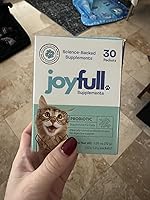
One practical add-on some owners use is a measured topper or digestive treat. Joyfull makes pre- and probiotic cat products that can fit into a feeding routine. The same rule applies to any extra. Count it as part of the day’s intake.
Hydration needs its own checklist
A cat can eat enough calories and still fall short on water. That shows up most often in urinary issues, constipation, and cats that always seem a little less comfortable than they should.
Make hydration part of the schedule, not an afterthought:
- Refresh water daily: Some cats reject water that has been sitting too long
- Set out more than one bowl: Many cats drink better when water is available in several spots
- Use wide bowls: Cats with whisker sensitivity often prefer them
- Keep water away from the litter box: Placement matters for some cats
- Use wet meals strategically: Moisture in food is often the easiest reliable way to increase total water intake
The best nutrition plan is rarely the trendiest one. It is the one that keeps your cat at a healthy weight, supports steady hydration, and fits into a daily routine you can maintain even on busy weeks.
Your Partners in Wellness Vet Visits and Preventive Care
A cat skips breakfast once, hides a little more than usual, and still looks "fine" by evening. That is how a lot of real problems start.
Cats often stay functional while they are uncomfortable. Waiting for obvious symptoms usually means you are no longer dealing with a small course correction. You are dealing with pain, inflammation, dehydration, weight loss, or a disease that has had time to progress. A scheduled preventive plan is what keeps routine care from turning into urgent care.
Put vet care on the calendar before you need it
The easiest way to stay ahead is to decide the schedule before anything seems wrong. Kittens under 4 months old need a vaccine series every 2 to 4 weeks until 16 weeks of age as maternal antibodies fade. Adult cats benefit from routine vet visits every 6 to 12 months to review vaccines, check weight, and catch changes early (PMC).
That timeline shifts with age, and it should.
- Kittens: Vaccines, growth checks, parasite discussions, and spay or neuter planning
- Healthy adults: Weight review, dental evaluation, vaccine updates, and parasite prevention
- Seniors: More frequent monitoring, plus discussion of kidney function, thyroid disease, mobility, appetite, and subtle behavior changes
If you are considering extras, read this guide on best supplements for cats before you buy anything. Some supplements are useful in the right case. They do not replace diagnosis, prescription treatment, or a diet that already fits the cat in front of you.
Preventive care still matters for indoor cats
Indoor cats usually face fewer hazards, but they are not sealed off from disease risk. People track in germs. Other pets come and go. Boarding, grooming, travel, foster exposure, and one open door can change the equation fast.
That is why vaccine decisions should be based on actual lifestyle and discussed with your vet at regular intervals. The same applies to parasite prevention. Some cats need year-round coverage. Others need a narrower plan based on region, household setup, and exposure risk. The trade-off is simple. A lighter plan may save money now, but treating preventable illness later usually costs more and puts the cat through more.
A useful appointment should cover more than shots:
| During the visit | Why it matters |
|---|---|
| Weight and body condition review | Small gains or losses are easy to miss at home |
| Vaccine check | Protection stays aligned with age and lifestyle |
| Parasite plan | Prevention is easier than treatment and cleanup |
| Oral exam | Cats often keep eating despite dental pain |
| Behavior questions | Stress, pain, and illness often show up as behavior changes first |
Dental care deserves its own reminder system
Dental disease gets missed because many cats keep eating through it. Owners notice bad breath, assume it is minor, and move on. Meanwhile the cat may be living with daily pain.
Veterinary groups such as the American Veterinary Dental College note that dental problems are common in cats by the age of 3. Untreated disease can lead to chronic pain and infection. A painful mouth changes how a cat eats, grooms, and behaves.
Home care helps, but it works best when it is realistic.
- Start with tolerance, not perfection: Let your cat taste cat-safe toothpaste before you try brushing
- Keep sessions brief: A few calm seconds every day beats a struggle once a week
- Ask what your vet sees: Some cats need more than home brushing because disease sits below the gumline
- Watch for quiet signs: Preferring soft food, dropping kibble, pawing at the mouth, grooming less, or seeming more withdrawn can all point to oral pain
I have found that owners stick with prevention when it lives on the same schedule as feeding, litter cleaning, and refill reminders. Annual exams, vaccine reviews, dental checks, and age-based lab work feel much more manageable when they are planned as part of the year instead of postponed until something feels off.
Tapping Into the Inner Hunter Exercise and Enrichment
Indoor cats are safer in many ways, but safety alone does not keep them healthy. A cat can be protected from traffic, predators, and weather and still be under-stimulated, under-exercised, and stressed.
That is why enrichment is not decoration. It is part of health care.

Cats require 15-30 minutes of daily interactive play, and two to three 10-minute sessions that simulate hunting can lead to an 80% obesity reversal rate within six months and a 90% reduction in the onset of type 2 diabetes (Sunny Hills Vets).
Play should feel like a hunt
A laser pointer used badly can frustrate a cat. A wand toy used well can satisfy one.
The difference is whether the play session follows a natural pattern: stalk, chase, pounce, grab. The toy should move like prey, not like random exercise equipment.
Try this structure:
- Start low and slow: Drag or flutter the toy so your cat can track it.
- Create short bursts: Let the toy dart, hide, and reappear.
- Allow catches: A cat needs wins, not endless misses.
- Finish with food or a treat: This helps complete the hunt sequence.
If you use treats during play or training, this Joyfull guide on best cat treats for training can help you choose options that fit a measured routine.
Build the room for movement
Many owners buy toys and forget vertical space. Cats do not only exercise across the floor. They climb, perch, survey, and retreat.
A healthier indoor setup usually includes:
- A cat tree or shelves: Height gives cats exercise and a sense of control.
- Scratching surfaces in useful spots: Near sleeping areas, room entrances, and favored hangouts.
- Window access: Watching birds, light, and outdoor motion adds mental stimulation.
- Rotation, not clutter: Put some toys away and bring them back later so they stay interesting.
What usually fails is leaving a pile of passive toys on the floor and assuming the cat will self-enrich forever. Some cats will bat them around. Most need your involvement or a changing environment.
Use food as enrichment, not just intake
A bowl is easy. It is also boring.
Puzzle feeders, treat balls, and simple food hunts make the cat work a little for part of the meal. That taps into instinct and slows down the pace of eating.
Good uses include:
- Breakfast in a puzzle feeder for cats who inhale meals
- A few kibble pieces hidden around one room for a short search game
- Wet food spread into a lick mat for cats who need calmer enrichment
Here is a video that shows the kind of movement and engagement many indoor cats respond to well:
Sensory enrichment matters too
Not all enrichment has to burn energy. Some of it should lower stress.
Think in categories:
| Type | Examples | Why it helps |
|---|---|---|
| Physical | Wand play, climbing, chasing tossed toys | Supports weight and mobility |
| Mental | Puzzle feeders, object rotation, searching games | Reduces boredom |
| Sensory | Window watching, cat-safe scent experiences, varied textures | Keeps indoor life interesting |
| Emotional | Predictable routines, safe hiding places, quiet resting zones | Lowers stress load |
Key takeaway: A healthy cat does not only need calories burned. The cat also needs instincts used.
If a cat starts overgrooming, getting pushy at dawn, attacking ankles, or sleeping through the entire day with no interest in play, boredom and frustration belong on the list of possible causes.
The At-Home Health Check A Guide to Early Detection
Owners live with their cats every day. That makes you the first person who can catch a change, and often the first person who can miss one.
The answer is a weekly check that is calm, brief, and consistent. You are not trying to diagnose anything. You are trying to notice what is different from your cat’s normal.

Start with the big signals
Before you touch anything, ask four simple questions:
- Is my cat eating normally?
- Is my cat drinking about the same as usual?
- Is the litter box routine normal?
- Is behavior consistent with this cat’s usual pattern?
Those answers matter because cats often show illness through appetite, bathroom changes, hiding, irritability, clinginess, reduced grooming, or less interest in play before they show dramatic symptoms.
Do a nose-to-tail check
Pick a relaxed time. Sit with your cat in good light and use your hands as much as your eyes.
Head and face
Look for clear eyes, a clean nose, and ears without heavy debris or a strong odor. Check the mouth only if your cat tolerates it. You are looking for obvious redness, bad breath, drooling, or signs that chewing hurts.
Coat and skin
Run your hands along the body. A healthy coat usually feels reasonably clean and maintained for that individual cat.
Pay attention to:
- Lumps or bumps: New ones deserve attention.
- Scabs or bare patches: These can point to scratching, parasites, stress, or skin disease.
- Greasy or unkempt fur: Sometimes grooming has become uncomfortable.
Body condition and movement
Feel the ribs gently. You should be able to feel them without pressing hard, but they should not jut out sharply.
Watch your cat walk a few steps if possible. Stiffness, hesitation on stairs, or a reluctance to jump often shows up before owners think “arthritis.”
Tip: Weighing your cat at home works best when you record the number in the same note every month. A trend tells you more than memory does.
Watch the litter box like a detective
The litter box is one of the best early warning systems in the house. Changes in urine amount, stool quality, frequency, straining, or accidents outside the box can signal discomfort or illness.
Do not wait too long if your cat is visiting the box repeatedly, straining, or acting distressed around urination. That can become urgent.
Stool quality matters too, especially because it connects to a problem many owners do not think about until it gets ugly. Anal gland disorders are a common but overlooked issue, often linked to obesity and poor stool consistency. High-fiber diets can help bulk stool for natural expression (Country Haven Vet Services).
Check the rear end without making it weird
You do not need to perform a detailed exam. Just stay alert to clues:
| Sign | What it may suggest |
|---|---|
| Scooting | Irritation or anal gland discomfort |
| Frequent licking under the tail | Discomfort, inflammation, or stool sticking |
| Strong odor from the rear | Possible anal gland leakage or infection |
| Pain when touched near the hind end | A reason to call the vet |
If your cat is overweight or has chronically soft stool, mention that connection to your vet. Owners often chase the symptom and miss the cause.
Keep the check low drama
Cats cooperate better when the check feels like normal handling. Pair it with petting, brushing, or a calm treat afterward.
You do not need a spreadsheet worthy of a clinic. A simple phone note with headings like appetite, weight, stool, play, and coat is enough. The value comes from repetition.
Your Cat Health Checklist Daily Weekly and Yearly Actions
It is 9:30 p.m., the food scoop is still on the counter, and you are trying to remember whether the cat already ate, whether the litter box was scooped, and whether that extra sleeping today means anything. That is exactly why a schedule helps. It turns vague concern into repeatable care.
A good checklist lowers the mental load. Each task has a place, so you are not trying to hold your whole cat’s health in your head at once.
This is the version I would keep on the fridge, save in notes, or share with anyone else who helps with care.

Daily actions
Daily care keeps small drifts from turning into real problems.
- Serve measured meals: Portioning food every day helps prevent slow weight gain. If your vet recommends more wet food, that can also support hydration and may help with weight and metabolic health.
- Refresh water: Dump, rinse, and refill bowls or fountains so water stays appealing.
- Scoop the litter box: A clean box supports good habits and lets you notice changes in urine or stool quickly.
- Do a one-minute behavior scan: Watch how your cat walks, jumps, rests, and responds to you. Quick changes often show up here first.
- Run one play session: Short, regular interactive play works better than waiting for a long session you never get around to.
Miss one day and reset the next. Miss a week and you lose the pattern that helps you catch change early.
Weekly actions
Weekly tasks give you a better look at the whole cat without turning care into a production.
Try doing them on the same day each week:
| Weekly task | What to look for |
|---|---|
| Nose-to-tail check | Eyes, ears, coat, body condition, mouth, rear end |
| Brush or comb | Mats, dandruff, bumps, tenderness, parasites |
| Food and water station clean | Slime, old crumbs, odor, buildup around bowls or fountain parts |
| Refresh enrichment | Rotate toys, change a perch view, add a puzzle feeder or paper bag |
| Litter area reset | Mess around the box, new avoidance, digging changes, stronger odor than usual |
Some cats need claw trims every week. Others go longer. Older cats, indoor cats, and cats with curled nails often need closer attention than active young cats who wear them down naturally.
Keep the order the same each time. Cats usually handle predictable routines better, and you are less likely to skip a body area.
Monthly actions
Monthly care is where owners catch the slow changes. Weight creep, reduced mobility, and overfeeding usually do not announce themselves.
- Weigh your cat: Use the same scale and record the number.
- Check body condition: Feel ribs, waist, and belly tuck. Weight alone does not tell the whole story.
- Review parasite prevention: Confirm doses were given on time and still match your cat’s age, size, and risk.
- Wash bedding and favorite resting spots: This cuts down on fur, dander, and grime.
- Audit the feeding routine: Recheck treats, toppers, automatic feeder settings, and whether anyone in the house is giving extra meals.
This is also a smart time to reassess the setup. Kittens often need more outlets for energy. Seniors often do better with lower entry litter boxes, steps to favorite spots, and food and water that do not require a jump.
Yearly actions
Put the annual exam on the calendar before there is a problem. That one habit saves owners a lot of second-guessing.
Your yearly checklist should include:
- Veterinary exam and vaccine review
- Medical record update
- Diet discussion with your vet
- Dental assessment
- Exercise and mobility review
- Behavior changes that have slowly become part of the routine
Cats with kidney disease, diabetes, arthritis, dental disease, or advanced age often need check-ins more often than once a year. Healthy adult cats may cruise for months without obvious signs, which is exactly why scheduled preventive care matters.
The checklist has to fit real life
The best routine is the one your household can repeat without constant effort.
If two people feed the cat, use a written log or feeder app. If you work long hours, automate meals but keep your daily check-in tied to something you already do, like brushing your teeth or making coffee. If your cat hates handling, split the weekly exam into two short sessions instead of pushing through one stressful one.
That is how long-term cat care holds together. A simple schedule helps you protect weight, support hydration, keep behavior and litter habits visible, and give your vet better information when something changes.
Joyfull makes cat wellness products with clean ingredients and high-quality proteins, including digestive support options for owners who want practical additions to a measured feeding routine. If you are tightening up your cat’s health schedule and want simple tools that fit a no-BS approach, take a look at Joyfull.