Home Remedy for Fleas on Dog: A Vet-Informed Guide
You part your dog’s fur and see it. One tiny, fast-moving flea. Or maybe you notice black specks at the base of the tail, and suddenly every scratch sounds louder than it did yesterday.
That moment makes a lot of people spiral. It feels like a dirty-house problem, a bad-pet-parent problem, or a problem that’s about to take over every blanket you own. It usually isn’t any of those things. Fleas are common, stubborn, and beatable, but only if you treat this like a 21-day life-cycle problem, not a one-night bath problem.
A good home remedy for fleas on dog care has to do three jobs at once. You need to help the dog, clean the environment where eggs and larvae hide, and make re-infestation harder. If you only do one of those, fleas often seem gone and then come right back.
Table of Contents
- First Flea Found? Here’s Your Calm-Down Plan
- Confirming the Problem and Assessing Severity
- Your Two-Front War Treating Your Dog and Your Home
- Safe and Effective DIY Flea Remedies for Your Dog
- Building a Flea-Proof Future Long-Term Prevention
- When to Stop and Call the Vet Your Safety Checklist
First Flea Found? Here’s Your Calm-Down Plan
The first job is not grabbing every spray bottle in the house. The first job is slowing down enough to act in the right order.
If you found one flea, assume there may be more than one life stage involved. Adult fleas are the part you can see. Eggs, larvae, and pupae are the part that keep the problem alive. That’s why random spot treatments disappoint people. They feel active, but they don’t form a plan.

Start with three immediate moves:
- Confirm what you saw. Fleas, flea dirt, and allergy-related scratching can overlap.
- Separate the battle zones. Your dog needs direct care. Your home needs cleaning. Your yard may need attention too.
- Protect the skin while you work. If your dog is chewing, rubbing, or scratching hard, it helps to read up on understanding dog scratching so you can spot irritation before it turns into a bigger skin issue.
Practical rule: Don’t aim for instant perfection. Aim for consistent interruption of the flea life cycle for 21 days.
That mindset changes everything. You stop asking, “What’s the one magic home remedy for fleas on dog problems?” and start asking, “What’s the safest sequence that keeps new fleas from replacing the ones I remove today?”
That sequence is what works.
Confirming the Problem and Assessing Severity
Before you spray, wash, dust, or vacuum, check what you’re dealing with. Some dogs scratch from dry skin, mites, grass contact, or allergies, and fleas may only be part of the picture. In other cases, the fleas are obvious once you know where to look.

Fleas infest 5-15% of U.S. dogs annually, according to a 2024 AVMA report analyzing 10 million vet visits, costing owners $1.5B in treatments amid 40% failure rates of over-the-counter products (details on flea treatment patterns). So if this is happening in your house, you are not dealing with some rare disaster.
How to tell flea dirt from regular dirt
Use the wet paper towel test. It’s simple and far more useful than guessing.
Take any black specks you comb off your dog, or pick some from the coat near the tail base, belly, groin, or neck. Put them on a damp white paper towel. If the specks smear into a reddish-brown stain, that’s a strong sign of flea dirt, which is digested blood.
Regular dirt usually stays gray, brown, or gritty. It doesn’t bleed out on the towel.
How to use a flea comb like a diagnostic tool
A flea comb does more than remove fleas. It tells you where the problem is concentrated and whether your plan is working over time.
Comb slowly in these zones:
- Base of the tail: Fleas often gather here first.
- Belly and groin: Thin hair makes bites easier.
- Neck and behind the ears: Good places to inspect on anxious dogs.
- Armpits and inner thighs: Easy to miss, often revealing.
Keep a bowl of warm, soapy water nearby and dip the comb after each pass. That traps what you remove and gives you a rough daily comparison. Fewer fleas and less flea dirt after several days means your full plan is moving in the right direction.
If the skin is inflamed and you’re not sure fleas are the only cause, it’s worth reviewing other treatments for itchy dogs so you don’t misread a mixed skin problem.
Check the dog in natural light if you can. Under indoor yellow light, flea dirt and normal debris can look almost identical.
When DIY stops being the right move
Home care has limits. Don’t push past them.
Call your vet promptly if your dog is:
- Very young, elderly, or medically fragile
- Pale at the gums
- Weak, lethargic, or not eating normally
- Covered in scabs, hot spots, or raw skin
- Scratching so much that sleep and normal behavior are disrupted
- Showing tapeworm-like segments or other signs of a heavier parasite issue
If you’re seeing severe skin damage, a lot of fleas on the comb, or a dog that looks worn down by the infestation, that’s no longer a casual home problem.
Your Two-Front War Treating Your Dog and Your Home
Most flea fights fail for one reason. People treat the dog and ignore the room the dog sleeps in.
You need a two-front response. One front gets relief on the pet. The other strips away the eggs and developing stages hiding in bedding, rugs, cracks, upholstery, and floor edges.

Front one gets the fleas off the dog
Start with mechanical removal. Comb first, then bathe.
A good order looks like this:
- Comb before bathing: This shows you where flea activity is heaviest and removes a chunk of the adult fleas before water hits the coat.
- Use lukewarm water and a plain pet-safe soap: You want cleansing, not a harsh strip of the skin barrier.
- Work from neck downward: That reduces the chance of fleas racing toward the face while you wash.
- Rinse thoroughly: Leftover soap can irritate already inflamed skin.
- Dry with a clean towel: Then wash that towel in hot water.
This part helps fast, but it is not the whole solution. If you stop here, new adults can emerge from the environment and jump right back on.
Front two clears the house they’re breeding in
Indeed, real progress happens. Food-grade DE is effective for environmental control; sprinkle 1-2 grams per square foot on carpets, leave 4-8 hours, then vacuum. Daily vacuuming can remove up to 95% of flea eggs per session. However, a 2023 study found applying DE directly to dogs had lower efficacy (45% reduction) and caused respiratory issues in 22% of cases, making environmental use the safer, recommended approach (safe DE use for home flea control).
That’s the trade-off people need to hear clearly. DE makes more sense in the environment than on the dog.
Use it this way:
| Area | What to do | Why it helps |
|---|---|---|
| Carpets and rugs | Lightly apply food-grade DE, leave it in place for several hours, then vacuum | It targets fleas where eggs and larvae develop |
| Pet bedding | Wash in hot water, dry fully, repeat regularly during the 21 days | Soft surfaces hold debris and flea stages |
| Upholstery | Vacuum seams, under cushions, and edges | Fleas hide where the dog rests |
| Baseboards and cracks | Vacuum slowly with crevice tools | Hidden spots matter more than open floor space |
A few safety rules matter here:
- Use only food-grade DE: Pool-grade material is toxic and does not belong around pets.
- Apply lightly, not in clouds: More dust does not mean better results.
- Keep the area ventilated: Airflow matters when using any fine powder.
- Don’t dust the dog with it as a default move: Environmental use is the safer choice.
If you want your cleaning routine to stay focused instead of frantic, these essential housekeeping tips are useful because they help you prioritize high-contact and high-debris areas instead of cleaning randomly.
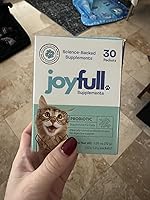
In multi-pet homes, remember that flea stress can throw routines off across the whole house. If you also live with a cat and you’re trying to keep overall wellness consistent while the home is being treated, Probiotic Supplement for Cats - 30 Single-Serving Packets is a separate digestive support option made with real beef bone broth, veterinarian-formulated with clinically-tested probiotic strains, and third-party tested for potency and purity. It isn’t a flea product, but it can fit a broader clean-care routine for the non-dog members of the household.
The home usually takes longer to clear than the dog. That doesn’t mean the plan is failing. It means you’re working through the full cycle.
A simple 21-day rhythm that works
People do better with a rhythm than with a giant checklist. Use this pattern:
Days 1 through 3
- Comb daily
- Bathe once if needed
- Vacuum every day
- Wash pet bedding and favorite blankets
- Apply food-grade DE to indoor problem areas and vacuum it out after the recommended window
Days 4 through 10
- Keep combing daily
- Vacuum daily, especially rest areas and room edges
- Rewash bedding
- Reapply environmental DE as needed, lightly and carefully
Days 11 through 21
- Continue regular comb checks
- Vacuum on a steady schedule
- Watch for flea dirt, not just live fleas
- Treat the yard or outside rest areas if that’s part of your setup
The goal is not drama. The goal is to make the environment so consistently unfriendly that each new stage gets interrupted before it rebuilds the infestation.
Safe and Effective DIY Flea Remedies for Your Dog
Some DIY remedies belong on the dog. Some belong in the house. Mixing those up causes a lot of unnecessary irritation.
The safest direct-on-dog options are the ones that either repel briefly or help you physically remove fleas without loading the skin with harsh ingredients.

Apple cider vinegar spray for short-term repellency
This is one of the few popular remedies that has a specific use case. It’s not a complete flea treatment. It’s a short-term repellent.
A 2019 study in the Journal of Veterinary Parasitology found that a 3:2 mixture of apple cider vinegar and water, when sprayed on dogs, repelled 78% of fleas for up to 48 hours by acidifying the skin's pH to a level fleas find inhospitable. That figure was noted in the earlier flea prevalence source.
Use it like this:
- Mix carefully: 3 parts apple cider vinegar to 2 parts water
- Test a small patch first: Wait and watch for redness or extra licking
- Avoid the eyes, nose, genitals, and open skin
- Mist lightly, then wipe through the coat: Don’t soak the dog
This is a good option when you need a cleaner-ingredient repellent layer between combing sessions. It is not a replacement for home cleaning.
If you want a deeper look at when vinegar helps and when it doesn’t, Joyfull's vet-reviewed flea advice gives a practical breakdown.
A plain bath for immediate relief
Bathing works best when you treat it as a reset, not a cure.
A simple flea bath routine:
- Comb first.
- Wet the coat with lukewarm water.
- Lather with a gentle pet-safe soap.
- Let the lather sit briefly while you keep the dog calm.
- Rinse extremely well.
- Towel dry and inspect with the flea comb once the coat is damp, not dripping.
Dogs with irritated skin often do better with one good, thorough bath than with repeated aggressive washing. Overbathing can leave the skin drier and itchier, which makes the whole flea problem feel worse.
Before doing repeated baths or close trimming around irritated areas, it helps to review the top 5 grooming errors to avoid. A lot of accidental skin damage happens during rushed flea cleanups.
This walkthrough can help if you want a visual example of calm, hands-on flea care:
What I would skip even if it sounds natural
Natural doesn’t automatically mean gentle. When a dog already has flea bites, the skin barrier is often compromised.
Skip or use extreme caution with:
- Strong essential oils: “Natural” oils can still irritate skin and airways.
- Undiluted vinegar: Too harsh for many dogs.
- Direct DE on the coat: As covered earlier, the environmental route is the safer one.
- Anything on open sores: Even mild ingredients can sting and worsen licking.
If a remedy makes your dog more restless, more red, or more itchy within a short time, stop using it.
The best home remedy for fleas on dog care is usually not the strongest-smelling or most aggressive option. It’s the one your dog can tolerate while you keep the full 21-day plan going.
Building a Flea-Proof Future Long-Term Prevention
Once the scratching quiets down, owners ease up too early. That’s when fleas rebuild.
Long-term prevention works better when you stop thinking only about the dog and start managing the places fleas return from. Indoor soft surfaces matter, but outdoor spaces often keep the cycle going, especially if your dog spends time in shaded yard areas, along fence lines, or in favorite rest spots.
Yard control matters more than most people think
For long-term prevention, beneficial nematodes have been proven in 2024 field trials to cause a 92% reduction in flea larvae in yards after one application. This strategy is critical, as 70% of flea reinfestations occur within two weeks without an integrated environmental plan (yard-focused flea prevention details).
That’s why I like yard prevention that matches the same logic as indoor prevention. Don’t only chase adults. Break the cycle where immature stages live.
A practical prevention setup often includes:
- Beneficial nematodes in the yard: Useful for outdoor larval control
- Regular bedding washes: Especially after active infestations
- Routine comb checks: Fast, low-tech, and easy to repeat
- Cleaner rest zones outdoors: Less clutter means fewer hiding spots
If your dog uses a dedicated outdoor potty or play surface, some owners also look into lower-maintenance surfaces like pet turf solutions for Austin homeowners because easier-to-clean outdoor zones can simplify ongoing flea management.
Prevention works better when your routine is boring
That’s not glamorous, but it’s true. The best prevention plan is usually repetitive.
Keep doing the small things:
- inspect the coat during brushing
- wash bedding on a steady schedule
- vacuum favorite lounging spots
- react quickly if scratching returns
- support overall skin and coat health with a clean, consistent care routine
A healthy skin barrier gives you more room to notice real changes early. When the coat is dirty, matted, greasy, or chronically irritated, fleas get harder to detect and the dog gets harder to assess.
You do not need a dramatic routine. You need one that’s easy enough to keep.
When to Stop and Call the Vet Your Safety Checklist
Home care is appropriate for mild cases and stable dogs. It is not the right move when the dog looks sick, overwhelmed, or chemically irritated from too many remedies.
Red flags that need veterinary help
Call your vet if you see any of these:
- Pale gums
- Marked lethargy
- Rapid worsening of scratching or chewing
- Open sores, hot spots, or spreading skin infection
- Large patches of hair loss
- A puppy, senior dog, or medically fragile dog with fleas
- No real improvement after consistent home care
These signs matter because flea problems can turn into skin infections, anemia, or a much bigger parasite burden than you can safely handle at home.
Signs your remedy is causing trouble
People often focus so hard on killing fleas that they miss the treatment reaction. That’s especially true with powders and repeated applications.
Diatomaceous Earth, while a popular home remedy since the 1920s, requires caution. Only food-grade DE should be used, as pool-grade is toxic. Even with food-grade, inhalation can cause lung irritation, and over-application can cause significant skin dryness in about 15% of dogs, highlighting the need to monitor for adverse reactions (DE safety guidance for dog owners).
Stop home treatment and get advice if your dog starts:
- coughing after powder exposure
- rubbing the face more after sprays
- developing flaky, very dry, or angry-looking skin
- acting distressed during or after application
A calm, safe plan beats an aggressive one every time.
If you want clean, practical pet wellness guidance that doesn’t turn simple care into hype, take a look at Joyfull. Their approach centers on convenient, no-BS products made with clean ingredients and reviewed with veterinary input, which is exactly the kind of mindset that helps when you’re dealing with something frustrating like fleas.