Grain Free Cat Food Benefits: What Vets Actually Say
Most advice about grain-free cat food benefits is upside down. Pet owners are told to either treat grain-free like a miracle or dismiss it as useless marketing, and both takes miss the point. Grain-free isn't a universal upgrade, and it isn't automatically a scam either. It's a targeted dietary tool that can help the right cat, especially when a veterinarian has identified a food sensitivity or a diet that sits better with a more meat-forward recipe.
That distinction matters because the label itself is louder than the nutrition behind it. Tufts calls grain-free a marketing concept rather than a broad health solution, and it also notes there are no published studies documenting gluten intolerance in cats and that more than 90% of dogs and cats can digest nutrients from grains efficiently in typical pet-food amounts. The blunt takeaway is simple. If your cat doesn't have a confirmed reason to avoid grains, grain-free is probably optional, not essential. If your cat does have a confirmed sensitivity, the label can matter a lot more.
Table of Contents
- Why the Grain Free Hype Is Mostly Hype
- What Grain Free Cat Food Actually Means
- The Real Benefits Worth Considering
- What the Science and Vets Actually Agree On
- The Risks and Downsides Most Articles Skip
- How to Choose a Quality Grain Free Formula
- When to Talk to a Vet and How to Transition Safely
Why the Grain Free Hype Is Mostly Hype
The grain-free category got big because it sold a story before it proved a point. That story was easy to market, cats are carnivores, grains sound cheap, therefore grain-free must be more natural and more appropriate. But veterinary nutrition doesn't work on vibes, and neither should your shopping list.
Tufts is unusually direct about this. It describes grain-free as a marketing concept, not a broad health fix, and its guidance is clear that there's no published evidence showing gluten intolerance in cats or a general grain problem in the species. Tufts also says more than 90% of dogs and cats can digest nutrients from grains efficiently in normal pet-food amounts, which knocks the legs out from under the “all grains are bad” pitch. That doesn't mean grains are sacred. It means the average cat usually doesn't need a grain-free label to eat well. Tufts Petfoodology
Where the hype goes wrong
The mistake most owners make is confusing grain-free with high quality, low carb, or hypoallergenic. Those are different claims. A grain-free bag can still be built around starches, heavy plant ingredients, or vague protein sources, and a grain-inclusive recipe can still be carefully formulated and nutritionally solid.
Practical rule: If the food is being sold to you mainly on the absence of grains, keep reading the label. The label is the beginning of the decision, not the answer.
The cleanest way to think about grain-free is this. For the average healthy cat, it's usually a preference, not a need. For a cat with a documented food reaction, it can be a legitimate tool. That's a very different conversation from the one pet marketing wants you to have.
If you've ever dealt with the aftermath of a food switch gone wrong, the frustration is real. It can be similar to trying to fix a mess with the wrong cleaning method. For a separate but useful example of problem-solving after pet accidents, proven methods for cat urine removal show the same principle, use the right method for the actual problem instead of guessing.
What Grain Free Cat Food Actually Means
At the ingredient level, grain-free means the recipe leaves out common grains like corn, wheat, rice, barley, and oats. It does not mean the food is free of carbohydrates. In practice, those missing grains usually get replaced by other ingredients that still provide structure and energy, often peas, lentils, chickpeas, sweet potatoes, or tapioca.
A sandwich analogy works well here. Removing the bread doesn't magically make the filling lighter, cleaner, or healthier. It just changes the carrier. The same logic applies to cat food. A grain-free formula can be meat-forward and practical, or it can be built around starches and plant ingredients with a different label on the front.

What the label does and does not tell you
The first thing the front of the bag tells you is what got removed. It does not tell you whether the recipe is complete and balanced, whether it's low in carbohydrates, or whether the protein source is any good. That's why two grain-free foods can be totally different nutritionally.
A simple way to read the package is to separate the marketing from the mechanics:
- Removed ingredients: grains such as corn, wheat, rice, or oats.
- Replacement ingredients: often legumes or tubers, which can still contribute starch.
- Missing information: digestibility, amino acid quality, and whether the formula fits your cat's life stage.
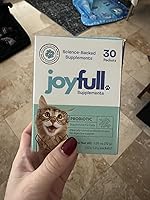
If you want a gut-health sidekick while you're sorting out diet changes, the product Probiotic Supplement for Cats - 30 Single-Serving Packets is positioned as a veterinarian-formulated probiotic with clinically tested strains and individually sealed servings, but the food itself still has to be the right base.
The real question isn't “Is it grain-free?” The real question is “What replaced the grains, and does that make sense for this cat?”
That's where the guaranteed analysis matters. A grain-free label can sit on top of a formula that's protein-rich, moderate, or carb-heavy. The label alone doesn't tell you which one you're buying.
The Real Benefits Worth Considering
The grain free cat food benefits are narrower than the ads claim, and that is exactly why they matter. Grain-free helps a small group of cats with confirmed sensitivities, especially when a veterinary workup or elimination diet points to a problem ingredient already in the bowl. True food allergies are uncommon, grain allergies are even rarer, and a grain-free label only helps when grains are the trigger. If the trigger is chicken, fish, dairy, or something else, the label does nothing.
A 2025 updated review in the medical literature points to potential upsides such as improved blood sugar control, reduced mycotoxin exposure, and enhanced palatability in some grain-free formulas that use legumes or tubers instead of grains. That is useful context, not a free pass. Those effects come from the full recipe, not the marketing claim on the front of the bag, and they do not make grain-free a universal health upgrade. Updated review of grain-free diets
A second possible benefit is a more meat-forward profile. Cats are obligate carnivores, so formulas that put animal protein at the center often fit feline biology better than heavily plant-weighted recipes. Grain-free does not guarantee that result, though. Some grain-free foods still rely on a pile of starch from other sources, so the ingredient panel still decides whether the formula makes sense.
The third practical benefit is palatability. Some cats prefer certain grain-free recipes, especially when the food is built around stronger animal ingredients. Picky eaters do not care about label theory. They care whether the bowl smells right and the texture works for them.
If you are trying to sort out whether your cat has a real diet issue or just a bad reaction to a specific formula, the cleanest next step is a structured food trial, not a guess. Pair that process with cat gut health treats only if your vet agrees they fit the plan, and use proven methods for cat urine removal if you are also cleaning up stress-related messes that can muddy the picture.
Who benefits and who doesn't
- Cats with a confirmed grain sensitivity: good candidates for grain-free.
- Cats with random tummy issues: only candidates if grains were the trigger.
- Healthy adult cats with no reaction history: probably do not need it.
- Cats whose owners want “better” by default: not a reason on its own.
That is the honest split. Use grain-free as a problem-solving tool, not as a lifestyle badge.
What the Science and Vets Actually Agree On
Veterinary sources do not back the idea that grain-free is better for the average cat. They do agree on a narrower use case, and that is the only place the label deserves attention. Grain-free can make sense for cats with confirmed sensitivities, especially when an elimination diet or a veterinary workup points to a specific ingredient trigger. Some grain-free foods also end up with lower carbohydrate values overall than many grain-containing dry foods, but that comes from the full recipe, not from the label alone. Peer-reviewed comparison of dry cat foods
Where the consensus stops
Tufts and VCA line up on the point owners keep missing. There is no reliable evidence and no published research showing that grain-free diets deliver broad health benefits over conventional diets for healthy cats. That is the line. A grain-free formula can be a good fit for a specific cat, but it is not a blanket upgrade.
The medical literature also supports a more careful reading of the label. Some grain-free diets may help with blood sugar control, and some may be more palatable, but those effects come from the whole formulation, not from the absence of grains by itself. A recipe can be grain-free and still be badly built, or grain-inclusive and still be excellent. Updated review of grain-free diets
| Evidence Map for Grain Free Cat Food Claims | Evidence Strength | Best Fit For |
|---|---|---|
| Targeted help for grain sensitivity | Stronger when the trigger is confirmed | Cats with veterinarian-identified ingredient reactions |
| Lower carbohydrate exposure in some formulas | Moderate, formulation-dependent | Cats that do better on more meat-forward recipes |
| Better palatability for some cats | Practical but individual | Picky eaters, texture-sensitive cats |
| Broad health superiority | Not supported | Not a sound basis for healthy cats |
Bottom line: the science supports selective use, not universal loyalty.
That is the version worth trusting. Grain-free is a targeted tool when the problem is real. It is not a magic upgrade when the problem is marketing hype. If the issue is messy cleanup after food-related GI upset, pair the food trial with effective carpet odor removal so the environment does not keep muddying the picture.
The Risks and Downsides Most Articles Skip
The biggest risk is assuming the label fixes things it doesn't touch. Grain-free doesn't automatically mean low carb, high meat, or better digestion. It can still be built on starches and plant ingredients that don't help your cat at all. That's why some cats do better on a well-made grain-inclusive diet than on a trendy grain-free one.
The hidden trade-offs
One of the longer-running concerns around grain-free diets is the diet-associated dilated cardiomyopathy discussion, which has been investigated heavily in dogs and remains an area of attention in cats as well. That doesn't mean every grain-free food is dangerous. It does mean you shouldn't treat “grain-free” as a safety seal. Ingredient balance, taurine adequacy, and formulation quality matter more than the front-of-bag claim.
Another downside is cost. Grain-free foods often sit at a premium, and you can pay more for a recipe that still isn't nutritionally better. If the food doesn't solve a real issue, you're just funding a label.
The third problem is ingredient substitution. Manufacturers often replace grains with legumes or tubers, and some cats react to those too. So if you switch to grain-free because your cat had itching or vomiting, and the symptoms keep showing up, the culprit may never have been the grains in the first place.
For owners who are already cleaning up pet-related messes, it helps to use a methodical approach instead of a label-driven one. If you ever need a practical reference for cleanup after accidents, effective carpet odor removal is a useful reminder that the fix has to match the actual source of the problem.

The short version on risk
- Poor formulation is a significant danger: a bad grain-free diet is still a bad diet.
- Legumes aren't a free pass: they can replace grains without solving the underlying issue.
- The label can hide complexity: you still need to check taurine, animal protein, and life-stage adequacy.
- A vet visit beats guesswork: especially when symptoms are ongoing.
The blunt truth is that grain-free can be helpful, neutral, or irrelevant. The food itself decides that, not the marketing copy.
How to Choose a Quality Grain Free Formula
Start with the ingredient list, not the branding. The first ingredient should be a named animal protein, like chicken, turkey, salmon, or beef. If the front says grain-free but the top of the list is full of vague meals, pea protein, or starch-heavy fillers, keep walking. How to read a cat food ingredient list
The label checklist that actually matters
A good grain-free formula still has to prove it's complete and balanced. Look for an AAFCO complete-and-balanced statement for the correct life stage, because a food can be grain-free and still miss the mark for kittens, adults, or seniors.
The guaranteed analysis deserves a real look too. Don't stop at protein. Check fat, fiber, and moisture, and remember that dry food and wet food behave very differently in the bowl. Wet grain-free formulas often make more sense for cats that need more moisture and fewer carbs, while dry formulas need tighter scrutiny because the carbohydrate load can creep up fast.
A simple checklist helps:
- First ingredient: a named animal protein, not a vague meat term.
- Nutrition statement: complete and balanced for your cat's life stage.
- Protein source: clear and specific, not vague or over-processed.
- Added taurine: especially important in any cat food recipe.
- Carb camouflage: watch for heavy use of peas, lentils, potatoes, or tapioca.
One more thing. A beautifully designed grain-free bag can still be a lousy diet if it isn't formulated properly. Marketing copy never fed a cat. Nutrient balance does.
The embedded video below is worth watching if you want a visual walkthrough of label reading and formula selection.
If you want a supplement option that fits into a broader digestion-focused routine, Joyfull's cat gut health treats are a probiotic-based product made for cats, but they're not a substitute for choosing the right food.
When to Talk to a Vet and How to Transition Safely
Don't start by guessing. If your cat has chronic itching, recurring vomiting, diarrhea, skin flare-ups, or ear problems, get veterinary input before switching foods. Those signs can point to a food reaction, but they can also signal a different medical issue that needs a real diagnosis. A proper elimination diet is not a random weekend experiment. It's a structured process, and your vet should guide it.
How to switch without wrecking your cat's stomach
For healthy cats moving to a new formula, go slow. Mix a small amount of the new food into the old, then increase the new food over about a week to ten days. Some cats need longer, especially if they're sensitive or picky. The goal is to reduce digestive drama, not win a speed contest.
If your cat refuses the new food, don't keep bouncing between options every day. Cats learn fast, and messy transitions create their own GI problems. Use consistent meal times, keep the texture similar when possible, and avoid adding too many extras that muddy the test.
For cats with sensitive digestion, tips for sensitive felines can help you make the change without turning the process into a fight. If you need a broader first-aid reference for pet care situations, important guide for pet owners is also a useful resource to keep around.
Healthy adult cats without sensitivity signs usually don't need a grain-free diet at all. A well-formulated grain-inclusive food is often the simpler, more evidence-supported choice.
If you want a no-BS way to evaluate whether grain-free makes sense for your cat, visit Joyfull and start with products and guidance built around real nutrition, not front-of-bag hype. Joyfull focuses on clean ingredients, high-quality proteins, and veterinary review, which makes it a practical place to compare options without the noise.