Dog Treats Yogurt: Safe Types, Risks, and Easy Recipes
Most advice about dog treats yogurt gets the premise wrong. Yogurt isn't a superfood for dogs, and it's not a daily wellness fix. It's a convenience treat, a texture trick, and sometimes a useful way to make a homemade snack more appealing, nothing more.
That matters because owners keep asking the wrong question. They ask whether yogurt is “healthy” in the abstract, when the issue is whether it's safe, properly portioned, and worth using at all. The answer is yes, but only if you treat it like a treat and not a nutrition strategy.
If you want the clean version, here it is. Use plain, unsweetened yogurt, keep servings small, skip toxic add-ins, and stop pretending frozen yogurt cups are a substitute for a balanced diet. For a broader ingredient-first mindset, the Nourish Your Gut digital cookbook is a useful companion resource, and if you're also sorting out dairy basics, start with can dogs eat dairy.
Table of Contents
- Are Yogurt Dog Treats Actually a Good Idea
- How Yogurt Behaves in a Dog's Digestive System
- Comparing Plain, Greek, and Flavored Yogurt for Dogs
- Real Benefits and Real Risks of Yogurt Dog Treats
- Serving Sizes and Ingredients to Avoid
- Three Simple Yogurt Dog Treat Recipes
- Buying Tips and the Clean-Ingredient Checklist
Are Yogurt Dog Treats Actually a Good Idea

Yogurt dog treats make sense when you want something cold, soft, and easy to portion. They do not make sense if you're looking for a serious nutritional upgrade. The strongest case for yogurt is simple: dogs often like it, it can be used in tiny amounts, and it works well as a frozen treat base.
That's why the market signal matters. The global pet yogurt market was estimated at USD 1,797.28 million in 2026 and is projected to reach USD 3,714.31 million by 2035, with a stated CAGR of 8.4% source. Mainstream channels like online sales, supermarkets, specialized pet shops, and retail stores already carry these products, which tells you yogurt treats have moved well beyond niche recipe blogs.
The catch is that popularity doesn't equal necessity. If you want a practical frame, think enrichment first, nutrition second. A frozen yogurt bite can keep a dog busy, cool them off, and make a homemade treat more appealing. That's useful. It's just not the same thing as a functional food with major health effects.
Practical rule: If the treat is yogurt-based, treat it like dessert-sized enrichment, not like a probiotic plan.
For owners who like making smarter treats at home, it's also worth checking a brand's ingredient philosophy. That's where clean formulations matter, whether you're making them yourself or comparing to a product like dog gut health, which is built around a very different purpose than a yogurt snack.
One more blunt point. If a yogurt treat article sounds like it's promising immunity, gut repair, or some kind of miracle digestive reset, it's overreaching. Yogurt can be a good option. It's just a small, controlled option.
How Yogurt Behaves in a Dog's Digestive System

Yogurt works differently from milk because fermentation changes the lactose load. That is why many dogs handle plain yogurt better than milk, even though some still react badly to dairy or get loose stools if you give too much. Better tolerated is the correct standard here, not safe in any amount.
Fermented yogurt has already been broken down a bit, so some dogs digest it more easily than unfermented dairy. That makes it a tolerable treat ingredient for certain dogs, not a free pass. Lactose sensitivity still matters, and portion size still matters more.
Why the texture matters in recipes
The same thickness that makes yogurt easy to spoon into a mold also makes it useful in treats. It binds fruit, holds shape in the freezer, and gives you a clean frozen bite instead of a drippy mess. Garlic Head's frozen yogurt treat recipes rely on that behavior, with mixes set in 1 to 5 hours, often 2 hours minimum, sometimes overnight, depending on density and mold shape source. Dense mixes freeze faster and hold shape better. Thin mixes get sloppy.
That matters because the format affects how people feed it. A frozen yogurt treat is easier to portion, easier to store, and less likely to turn into an extra-large snack by accident. That is the primary advantage of the frozen version. It gives you a controlled treat, not a health upgrade.
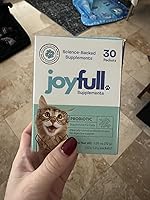
If you want something built for dog gut health, use a product made for that job instead of assuming yogurt fills the same role. A product like Probiotic Supplement for Cats - 30 Single-Serving Packets sits in a different category entirely, with a veterinarian-formulated probiotic blend, prebiotics, and individually sealed packets. That is a supplement. Yogurt is a snack.
Dogs can often digest fermented dairy better than milk, but tolerance is individual. Start small or skip it if dairy has already caused trouble.
The bottom line is simple. Yogurt behaves differently from milk because fermentation lowers the lactose burden, but it still belongs in the occasional treat bucket, not the everyday diet.
Comparing Plain, Greek, and Flavored Yogurt for Dogs
Store shelves make this decision harder than it should be. The right answer is usually the least exciting tub in the aisle, plain yogurt with a short ingredient list. Greek yogurt is often the better choice if you want a thicker texture for frozen treats, while flavored yogurt is where many owners make mistakes.
| Yogurt Type | Protein | Lactose Level | Sugar | Best Use |
|---|---|---|---|---|
| Plain regular yogurt | Moderate | Higher than Greek | Low if unsweetened | Small test servings, soft treats |
| Plain Greek yogurt | Higher | Lower than regular yogurt | Low if unsweetened | Frozen molds, thicker treats |
| Flavored yogurt | Variable | Variable | Usually higher | Skip it |
| Sweetened yogurt | Variable | Variable | Higher | Skip it |
Plain yogurt and Greek yogurt both work if the label stays clean. Greek yogurt is thicker, which helps when you want a stable frozen bite that doesn't melt into a puddle. Plain regular yogurt is fine too, but it can be looser and less tidy in molds.
What to skip without debate
Flavored yogurt is the bad habit in this category. It often comes with added sugar, syrup, fruit prep, or sweeteners that don't belong anywhere near a dog bowl. If you cannot read every ingredient without squinting, put it back.
The one label item that should end the purchase immediately is xylitol. Veterinary guidance flags xylitol in yogurt as potentially fatal to dogs source. That's not a “watch the amount” issue. That's a hard no.
Shopping rule: Plain and unsweetened is the floor, not the premium version.
A decent shortcut is this. If the yogurt looks more like dessert than dairy, don't feed it to a dog. The best tub for dog treats yogurt is the one with the fewest ingredients, no sweeteners, and no flavoring theater.
Real Benefits and Real Risks of Yogurt Dog Treats

Yogurt has a few real strengths, and none of them are magic. It is palatable, which helps when a dog turns up its nose at plain food. It adds moisture to homemade treats, and it can help frozen or baked recipes hold together as a binder. The useful part is convenience and enrichment, not miracle nutrition.
That is the upside. Keep it in proportion.
The risks matter more because people ignore them. Dogs with lactose sensitivity can get gas, loose stool, or vomiting after dairy. Rich yogurt can sit badly with dogs that already struggle with heavier foods. Added sugar turns a small snack into extra calories with less value. xylitol is dangerous source.
What yogurt cannot do
Yogurt is not a serious calcium fix, not a meaningful protein supplement, and not a dependable probiotic plan on its own. The probiotic angle gets overstated all the time, but the effect stays limited by dose, strain, and the fact that this is a treat. Treats are for extras, not problem-solving.
Purina makes the same basic point clearly, frozen or not. Yogurt still belongs inside the 10% of daily calories rule, and the “healthy summer snack” pitch falls apart fast once sugar, fat, or fruit-heavy mix-ins show up source.
Use yogurt for palatability and enrichment, not for nutritional rescue. That is the line. If you want something more practical than a spoonful of dairy, save the fancy marketing and use clean, simple options like Coco the rescue dog soaps for the bathroom shelf, while the dog gets a treat that stays small and plain.
Serving Sizes and Ingredients to Avoid
Dog treats yogurt only works when the portion stays tiny. For plain yogurt, keep the serving at ½ teaspoon for extra-small dogs, 1 teaspoon for small dogs, 1 tablespoon for medium dogs, 2 tablespoons for large dogs, and 3 tablespoons for extra-large dogs, as noted by veterinary guidance on canine yogurt use source. Treats should stay inside the 10% of a dog's daily calories rule, and yogurt is no exception.
Use the serving size that matches the dog
- Extra-small dogs, 2 to 10 lb: Start and stay at ½ teaspoon.
- Small dogs, 11 to 20 lb: Use 1 teaspoon.
- Medium dogs, 21 to 50 lb: Cap it at 1 tablespoon.
- Large dogs, 51 to 90 lb: Cap it at 2 tablespoons.
- Extra-large dogs, 91+ lb: Cap it at 3 tablespoons.
That ceiling is for plain yogurt, and it is not a goal. Dogs with dairy sensitivity should skip yogurt completely. If you test it anyway, watch the next 24 hours for loose stool, gas, itchiness, or vomiting, and stop at the first bad reaction.
Use the ingredient blacklist.
- Xylitol: Never. It can be fatal to dogs.
- Chocolate: Never.
- Grapes or raisins: Never.
- Macadamia nuts: Never.
- Excess added sugar: Skip it. It turns a small treat into junk food.
The clean rule is simple. Use plain yogurt only, keep the amount small, and ignore anything that turns a snack into dessert. If you want a quick outside-the-kitchen reference for pet-first product presentation, the brand page for Coco the rescue dog soaps is a useful example of ingredient-first storytelling done without fluff.
Three Simple Yogurt Dog Treat Recipes
Frozen banana pupsicle
Use plain yogurt and a small amount of banana. Mash the banana, mix it into the yogurt, then spoon the mix into silicone molds or an ice cube tray. Freeze until solid, which usually means at least a couple of hours, and serve one small piece at a time.
This is the cleanest starter recipe because it uses two familiar foods and keeps the texture simple. For tiny dogs, offer a sliver. For larger dogs, one mold is usually enough, and even then, don't treat it like a meal.
Berry and peanut butter frozen mold
Mix plain yogurt, a few blueberries, and a thin spoonful of dog-safe peanut butter. Blend lightly so the blueberries are distributed but not pulverized into soup. Freeze in silicone molds until firm.
This version works because it's still controlled. The berries add flavor, the yogurt gives body, and the peanut butter gives scent and richness without needing a long ingredient list. Use the same portion rules from the section above. Bigger dog, slightly larger mold. Smaller dog, smaller mold.
Soft baked yogurt oat bite
Combine plain yogurt with oats to make a thick batter, then drop small spoonfuls onto a lined tray and bake at a low, steady temperature until set. Let them cool completely before serving. These are softer than biscuits, so they're useful for older dogs or small breeds that don't do well with hard treats.
For storage, freeze the frozen recipes in an airtight container lined with parchment so they don't stick together. Keep the baked bites chilled and use them quickly, because soft treats dry out and go stale faster. If you want to avoid freezer burn, press out extra air before sealing the container and don't leave the molds uncovered for long.
Storage rule: Smaller batches are better. Make enough for a few days, not a giant stash you'll forget in the back of the freezer.
If you want a direct comparison point, the frozen approach is the easiest to portion and the least messy. The baked bite is the fallback when you want a softer texture. Either way, the treat should stay small enough that yogurt remains a snack, not a habit.
Buying Tips and the Clean-Ingredient Checklist

The clean-ingredient checklist is short. If the yogurt has a short, simple ingredient list, no xylitol, no added sugars or syrups, and live, active cultures present, it passes the first test. That's the filter. Everything else is extra.
Organic or grass-fed yogurt can be a nice bonus, but don't let that distract you from the basics. A premium label doesn't fix sweeteners, fruit prep, or a sloppy ingredient panel. For dogs, simple beats fancy every time.
Use this rule at the shelf
If you can't explain why every ingredient belongs in a dog treat, don't buy it. That's especially true for flavored yogurts that try to masquerade as wholesome. They're usually not.
If you want a convenience option without making frozen molds yourself, compare the yogurt snack mindset with something built for gut-focused snacking, like dog prebiotic treats, and make sure you're still reading the ingredient list first. The right product is the one that keeps the formula obvious.
Save this takeaway. Plain, unsweetened yogurt, tiny portions, no toxic add-ins, and no health claims you can't back up. That's the whole game.
A CTA for Joyfull. If you want pet wellness products that skip the fluff and focus on clean ingredients, take a look at Joyfull's lineup and pick the format that fits your dog's routine without overcomplicating treat time.