Finding Dog Treats on Sale: Your Guide to Safe Deals
You're probably doing what most of us do. You open Chewy, Amazon, your grocery app, or the pet aisle at Target, spot a bright sale tag on dog treats, and think, “Nice, I should stock up.” Then the second thought hits. Why is this one discounted so hard, and is it still something I want to feed my dog?
That little pause is smart. Saving money on treats is great. Buying a cheap bag that doesn't fit your dog, pushes too many calories, or hides behind vague labeling isn't a win. It's just a lower-priced mistake.
The good news is that you don't need to choose between being budget-conscious and being picky. You can hunt for dog treats on sale in a way that protects your dog's health, avoids junk, and stretches your money further.
Table of Contents
- The Thrill and a Twinge of Doubt
- Beyond the Price Tag What Defines a Good Deal
- How to Vet Any Dog Treat Deal for Safety and Quality
- Where to Find Quality Dog Treats on Sale
- Timing Your Purchase With Deal Stacking and Seasonal Sales
- The Subscription Secret for Long-Term Savings
- Smart Storage and Becoming a Pro Treat Shopper
The Thrill and a Twinge of Doubt
You see a sale sticker. Your dog's favorite training bites are marked down. A big tub of chews is cheaper than usual. You start doing the mental math and imagine not having to buy treats again for a while.
Then you flip the bag over.
Maybe the ingredient list feels longer than it should. Maybe you can't tell whether the chew is right for a puppy, a senior, or a dog with a sensitive stomach. Maybe the packaging says “reward” in huge letters but tells you almost nothing useful about what's inside. That's the moment where bargain hunting gets real.

This isn't paranoia. It's basic good judgment. Pet parents spend serious money in this category, and retailers know treats are an easy add-to-cart item. In the United States, pet food and treat spending was projected to reach USD 67.8 billion in 2025, with dogs accounting for 55% of the pet treats market share in a market with an estimated 68 million dog-owning households, according to Wild Earth's 2025 dog parent statistics summary. That scale helps explain why promotions are everywhere.
A sale tag tells you something about pricing. It tells you nothing by itself about fit, safety, or value.
The smart move isn't avoiding discounts. It's getting pickier about which discounts deserve your money. The rest of this guide is about that shift. Buy fewer bad deals. Grab more good ones. Feed your dog better.
Beyond the Price Tag What Defines a Good Deal
The cheapest treat isn't automatically the best deal. A lot of dog owners still shop that way, and it's where the category gets sneaky.
A low sticker price can hide a high cost if the treat is calorie-dense, gets handed out too often, or becomes a daily habit that doesn't fit your dog's needs. Public health guidance says treats should stay under 10% of a dog's daily calories, as noted on Dollar General's dog treats guidance page. That single rule changes how you should evaluate every sale.
Think in value per use, not bag size
A giant bag looks economical. Sometimes it is. Sometimes it just makes overfeeding easier.
If a treat is rich and you need to break it into tiny pieces, a smaller premium bag can last longer than a heavily discounted bag of oversized snacks. That matters even more if you use treats for training. Tiny, consistent rewards usually work better than tossing out large, high-calorie chunks.
Here's the practical perspective:
- Count how you'll use it: Training treat, occasional reward, chew, or topper.
- Check portion reality: If you'll need to split each piece into several rewards, the package may go further than it looks.
- Watch calorie creep: A “deal” that encourages too many extras during the day stops being a deal fast.
Practical rule: If the price is low but the treat makes calorie control harder, skip it.
Cheap can be expensive later
A bargain treat that doesn't agree with your dog creates waste. So does a bag your dog won't chew safely, can't digest well, or gets bored with after two days. You didn't save money if half the bag sits in a cabinet until it goes stale.
A better filter is simple: buy treats that support the way your dog eats and lives. If you want functional options instead of empty snack calories, it makes more sense to shop treats with benefits than to chase the loudest markdown on the shelf.
A good deal has three parts
A sale treat is worth buying when all three are true:
- Your dog can eat it safely and appropriately.
- You can portion it without blowing past treat calories.
- You'd buy it again even without a flashy sticker.
If one of those breaks, it's not a bargain. It's marketing doing its job.
How to Vet Any Dog Treat Deal for Safety and Quality
Good bargain hunting starts with a boring habit. Read the package before you get excited.
That matters because treats don't play by the same rules as full meals. The AAFCO guide to treats and chews says products marketed as treats or snacks must be clearly identified as such, and they're generally not required to be complete and balanced. Labels also need a guaranteed analysis covering protein, fat, fiber, and moisture. That's useful. It gives you a standard way to compare products instead of relying on front-label buzzwords.

Start with the front and back of the package
Ignore the giant claim on the front for a minute. Turn the product around.
Look for the basics first:
- Treat identity: It should clearly say it's a treat or snack.
- Guaranteed analysis: You want protein, fat, fiber, and moisture listed.
- Feeding guidance: Even if it's brief, there should be some direction on use.
- Intended dog type: Puppy, adult, senior, training use, chew use, or all life stages if stated.
If a product makes a nutrition-type claim, that claim should be supported appropriately on the label. If the label feels vague, don't reward vague with your money.
Here's a quick screen you can use in the aisle.
| Check | What to Look For |
|---|---|
| Label identity | Clearly marked as a treat or snack |
| Guaranteed analysis | Protein, fat, fiber, and moisture listed |
| Ingredient clarity | Recognizable ingredients you're comfortable feeding |
| Feeding use | Portion or use guidance that fits your routine |
| Dog fit | Texture, size, and formula appropriate for your dog |
Match the treat to your actual dog
Many sale pages fail in this respect. They sort by discount, flavor, or brand, but they don't help enough with suitability.
Independent safety-focused retail content shows buyers are actively filtering for rawhide-free, bite-sized, and training-friendly options on Pet Wants Hinsdale's dog treats page. That tracks with what experienced owners already know. The right treat for a Labrador that inhales rewards during obedience drills may be completely wrong for a toy breed puppy or an older dog with dental sensitivity.
Use this lens instead:
- For puppies: Prioritize softer texture, simple ingredients, and manageable size.
- For seniors: Be stricter about hardness and ease of chewing.
- For sensitive dogs: Fewer ingredients often make evaluation easier.
- For heavy training days: Small, easy-to-break pieces usually beat large indulgent biscuits.
- For enthusiastic chewers: Don't buy based on price alone. Shape, density, and supervision matter.
A discount doesn't make a hard chew safer. It just makes the wrong chew cheaper.
A short video can help sharpen your label-reading instincts before you buy:
Use a simple safety screen before you buy
You don't need a lab coat. You need a repeatable checklist.
- Read the ingredient panel. If you can't quickly understand what you're feeding, pause.
- Check the texture. Would your dog gulp it, struggle with it, or crack it awkwardly?
- Look at freshness. Don't buy a bulk quantity unless you're confident you'll use it while it's still fresh.
- Check the brand's transparency. A company should make basic product information easy to find.
- Avoid panic buying because of markdowns. A deep discount can push people into buying the wrong format, size, or flavor.
One more point matters if you ever buy minimally processed chews or raw-style products from smaller sellers. Washington State requires registration for minimally processed chews, skins, bones, and similar dog treat products sold after July 1, 2024, while fully cooked or otherwise processed products can remain exempt only when the seller can substantiate hazard controls and prevent recontamination, according to the Washington State pet food and specialty pet food guidance. You don't need to memorize the regulation. You do need to respect the principle. Processing method matters. A cheap minimally processed chew deserves more scrutiny than a clearly labeled, sealed, fully processed treat.
Where to Find Quality Dog Treats on Sale
Retailers are fighting hard for pet dollars, and shoppers benefit from that. The dog treats category is projected to grow from USD 44.2 billion in 2025 to USD 336.3 billion by 2035, which implies a 22.5% CAGR over that period, according to Fact.MR's dog treats market report. When a category grows that fast, stores push promotions more aggressively, expand assortment, and try harder to keep you buying from them instead of the next seller.
That's useful for you, but only if you pick the right shopping channel for the job.

Online retailers
Big online pet marketplaces are strong for breadth. If you're comparison shopping ingredients, textures, package sizes, and repeat-order options, they're efficient.
Their weak spot is noise. Search results can bury better products under sponsored listings, giant tubs, and “value packs” that don't fit your dog at all.
Best use:
- Fast comparison shopping
- Finding niche formats
- Watching for repeatable discounts on staples
Brand-direct sites
Buying direct works well when you already trust a specific company and want the clearest product information. Brand sites usually do a better job explaining formulations, intended use, and product families than giant marketplaces do.
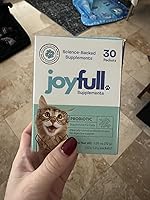
They also tend to be the cleanest place to browse a curated line of dog treats without wading through unrelated options. If you're a multi-pet household, you may also notice adjacent wellness products. For example, Probiotic Supplement for Cats - 30 Single-Serving Packets is a cat supplement made with real beef bone broth, veterinarian-formulated with clinically-tested probiotic strains, and third-party tested for potency and purity. It's not a dog treat, but it's the kind of clearly described product snapshot that makes direct shopping easier to evaluate.
Pet specialty stores and boutiques
These shops often win on curation. You'll usually find fewer random low-quality fillers and more staff guidance if you need help matching texture or formula to your dog.
They're especially good when your dog has a specific need and generic sale pages aren't helping. You might not get the broadest selection, but the selection is often sharper.
Specialty stores are where I'd look first for a dog with sensitivities, chewing quirks, or age-related needs.
If you shop across markets and like cashback tools, Cashback Australia Petbarn deals can be worth checking before placing an order. It's one more layer to compare when you're already buying from a retailer you trust.
Big box and grocery stores
These stores are convenient and often strong on impulse savings. If you need treats today, a practical, well-labeled choice available in these stores can beat waiting for a “better” deal online.
Their downside is inconsistency. Premium options may come and go, and clearance sections can be a mixed bag. Great for quick wins. Less reliable for highly specific needs.
Timing Your Purchase With Deal Stacking and Seasonal Sales
The best dog-treat bargain hunters don't just wait for luck. They build a routine.
A smart routine looks like this: you decide which products are worth buying, then you watch for the right moment to combine a sale with another savings layer. That might be a digital coupon, loyalty reward, cashback offer, free shipping threshold, or an auto-ship discount you can control.
Build your own stacking routine
Deal stacking works best when you keep your list short. Don't track every treat on the internet. Track the few you'd happily buy at full price if needed.
Use a simple approach:
- Pick your core treats: One training treat, one everyday reward, maybe one chew.
- Watch multiple channels: Marketplace, brand site, local store, and one backup source.
- Set a buy threshold: Decide what counts as “good enough” so you don't overthink every offer.
- Buy in sensible quantities: Stock up on winners, not experiments.
- Pair discounts carefully: Sale plus coupon or cashback is great. Sale plus a giant quantity you can't use is not.
Many people waste money. They stack savings on the wrong item and feel clever anyway. Don't do that. The right stack starts with a product you already trust.
When clearance is smart and when it isn't
Clearance can be excellent for familiar products your dog already does well on. It's much less smart for novelty buys, giant chews you haven't tested, or huge bags you can't finish while fresh.
Use clearance for:
- Known winners your dog already tolerates and enjoys
- Training treats you burn through quickly
- Seasonal packaging where the product inside is still exactly what you want
Be careful with:
- Near-expiry bulk buys
- Hard chews for dogs with dental or chewing concerns
- Novel proteins or formulas you haven't trialed before
- Oversized packs bought only because the markdown looks dramatic
A boring, repeatable discount on the right treat beats a flashy one-time steal on the wrong one. Every time.
The Subscription Secret for Long-Term Savings
If your dog has a treat you trust, subscription can beat sale-chasing. Not because subscriptions are magical, but because they remove two expensive habits: impulse buying and running out.
Independent safety-focused shopping behavior shows people are actively filtering for attributes like rawhide-free, bite-sized, and training-friendly. That kind of intentional buying makes subscriptions a strong fit once you've narrowed down the right product family for your dog. When you know what works, consistency starts to matter more than novelty.

When subscriptions make sense
Subscriptions are best for treats that hit three marks:
- Your dog already does well on them
- You use them steadily
- You don't want to risk paying full price because you forgot to reorder
They're less useful if your dog gets bored easily, your use changes wildly month to month, or you're still experimenting.
Subscribe to staples, not to guesses.
How to decide if auto-ship is actually cheaper
Ignore the headline promise and ask better questions.
- Can you skip or delay easily?
- Can you change flavors or formats without hassle?
- Will the shipment frequency match actual use?
- Are you subscribing to something your dog finishes reliably?
The simplest formula is practical, not fancy. Compare what you spend when you buy reactively versus what you'd spend when your most-used treat arrives on a schedule you can manage. If the subscription leads to extra unopened bags, it's not saving you money. If it keeps a staple in stock at a consistent discount and prevents emergency full-price purchases, it probably is.
I like subscriptions for training treats and daily-use rewards. I don't like them for “maybe” products. Commit after the trial phase, not before.
Smart Storage and Becoming a Pro Treat Shopper
Buying dog treats on sale only works if you protect what you bought. Air, heat, and moisture ruin good intentions fast.
If you stock up, move treats into airtight storage when appropriate, keep them somewhere cool and dry, and avoid buying more than your dog can reasonably finish while the product stays fresh. That's especially important for softer treats and anything you open often for training sessions.
A few habits make a real difference:
- Use sealed storage: Open bags left clipped shut in a warm pantry lose freshness faster.
- Label your backups: If you buy multiples, keep track of what should be opened first.
- Buy for your dog, not your fantasy self: If you don't train daily, don't buy like you do.
- Check storage guidance from the manufacturer: Some formats need more care than others.
If you want a solid primer on protecting pet food from spoilage, that's worth a read before your next bulk buy.
The bigger shift is this. You're not just chasing dog treats on sale anymore. You're screening for value, fit, safety, and usefulness. That's what smart pet shopping looks like. Less hype, better choices, fewer regrets, and a treat drawer that supports your dog instead of just draining your budget.
Joyfull makes pet wellness products with a straightforward philosophy: clean ingredients, high-quality proteins, and formulas reviewed by an in-house veterinary advisor. If you want to browse with that lens in mind, take a look at Joyfull and compare products the same way you'd compare any other purchase for your dog or cat: by ingredients, intended use, and whether it fits your real routine.