


You're walking along peacefully when your dog suddenly flops onto their back, twists from shoulder to shoulder, and scrubs their face into the lawn. Their tail may wag, their paws may bicycle through the air, and they may look delighted. Then you notice the grass stains and wonder whether this is harmless fun or a sign that something is bothering their skin.
Dog rolling on grass is usually normal, but the reason behind it matters. Dogs may roll to explore scent, transfer odor, relieve a small itch, cool themselves, groom hard-to-reach areas, or enjoy a stimulating outdoor surface. The useful question isn't, “Why does my dog do this?” It's, “What does this particular roll look like, and what happens around it?”
Table of Contents
- Understanding Why Dogs Roll on Grass
- The Ancestral Instincts Behind Scent Masking and Marking
- Physical Relief and Environmental Comfort
- When Rolling Signals Skin Allergies or Parasites
- Supporting Skin and Gut Health from the Inside Out
- Practical Tips to Manage and Redirect the Behavior
Understanding Why Dogs Roll on Grass
A dog named Milo pauses halfway through a walk and drops onto a patch of grass. He wriggles loosely, pauses to sniff, rolls onto his side, then stands up and continues down the path as if nothing happened. His owner sees a strange interruption. Milo may be experiencing a rich sensory moment that combines smell, touch, movement, and physical relief.
Veterinary and pet-behavior sources widely describe grass rolling as a normal, instinctive canine behavior. Explanations include scent masking, scent marking, itch relief, cooling, and play, as summarized by PetMD's veterinary behavior guide. The same behavior can serve more than one purpose, so a single roll rarely provides enough information on its own.
A normal behavior with several possible jobs
Domestic dogs still carry behavioral patterns connected to wild canids. Their ancestors interacted with the world through scent, movement, and close contact with the ground. Rolling in a strong outdoor smell may have helped disguise an animal's own odor, while rubbing against a surface could also have transferred personal scent to the environment or picked up a new one.
Grass also gives dogs something humans often overlook: a textured surface that feels interesting against the coat. A relaxed dog may roll after sniffing a compelling patch, following a burst of play, or encountering cool ground. The behavior can be enrichment, not misbehavior.
Practical rule: Judge the whole moment, not just the roll. A relaxed body and an easy return to normal activity usually point toward ordinary behavior.
Concern grows when rolling becomes frantic, repetitive, or focused on one uncomfortable area. Redness, persistent scratching, hair loss, or other skin changes shift the interpretation from harmless enrichment toward possible irritation. Context turns a funny walk-time habit into useful health information.
The Ancestral Instincts Behind Scent Masking and Marking
Dogs experience the outdoors through a rich olfactory environment. A lawn carries traces left by animals, plants, soil, moisture, people, and other dogs. Rolling lets a dog place their body directly into that environment, rather than merely passing through it.
The scent-based explanation has two sides. A dog may pick up environmental odor on the coat, a process often described as scent transfer or scent masking. In ancestral settings, layering outside smells over an individual odor may have helped camouflage a wild canid from prey. The behavior may also have carried information back to other animals through the dog's changed scent profile.
Rolling as a canine message
Dogs also have scent glands around the neck, shoulders, and back. Rubbing these areas against grass can deposit some of the dog's own odor onto the environment. It's not the same as a urine mark, but the principle is similar: the dog interacts with a place through scent.
Think of the lawn as a community noticeboard and your dog's coat as a scented collection surface. Your dog may leave a biological calling card, collect information from the grass, or do both during the same rolling session. BBC Bitesize's explanation of canine scent behavior describes this rolling as part communication and part instinctive odor management.
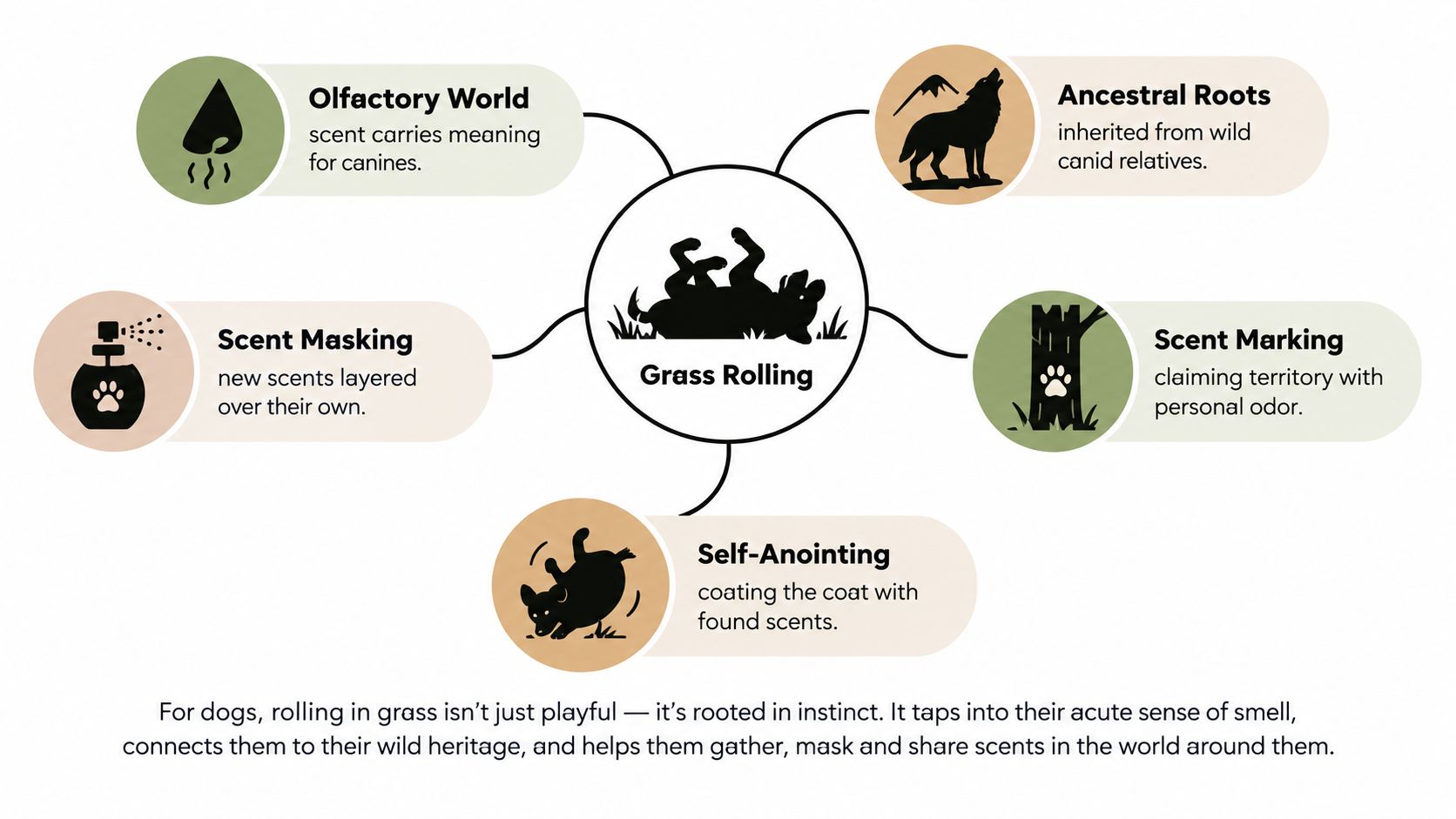
The ancestral connection doesn't mean a pet dog is preparing to hunt. It means old behavioral systems can remain useful in modern life, even when their original survival context has changed. Your dog may be responding to an appealing smell because the behavior itself is rewarding and familiar.
Why owners should avoid overinterpreting scent rolling
Scent rolling doesn't prove that a dog is claiming territory, trying to hide from prey, or communicating one specific message. Canine behavior rarely translates into a single human sentence. The safest interpretation is that the dog is engaging with scent and the environment through an instinctive body behavior.
Some owners explore scent-related products as part of broader canine enrichment. If you're considering an item marketed for odor or pheromone use, buy Instinct Pheromone Cologne only after checking that it's appropriate for your dog and following its directions. It shouldn't replace veterinary assessment when rolling appears linked to discomfort.
A separate wellness routine, such as Joyfull Probiotic Supplement for Dogs - 30 Single-Serving Packets, belongs to digestive support rather than scent behavior. Its listed formula includes real beef bone broth, veterinarian-formulated probiotic strains, two prebiotics, and individually sealed servings. It isn't a treatment for compulsive rolling or a substitute for diagnosing skin disease.
Physical Relief and Environmental Comfort
Sometimes the grass is a convenient scratching tool. A dog's hind leg can't effectively reach every part of the back, shoulders, or area near the tail. Rolling spreads pressure across those difficult-to-reach places, while the grass provides low-friction contact that may help dislodge dirt, sap, debris, or another temporary irritant.
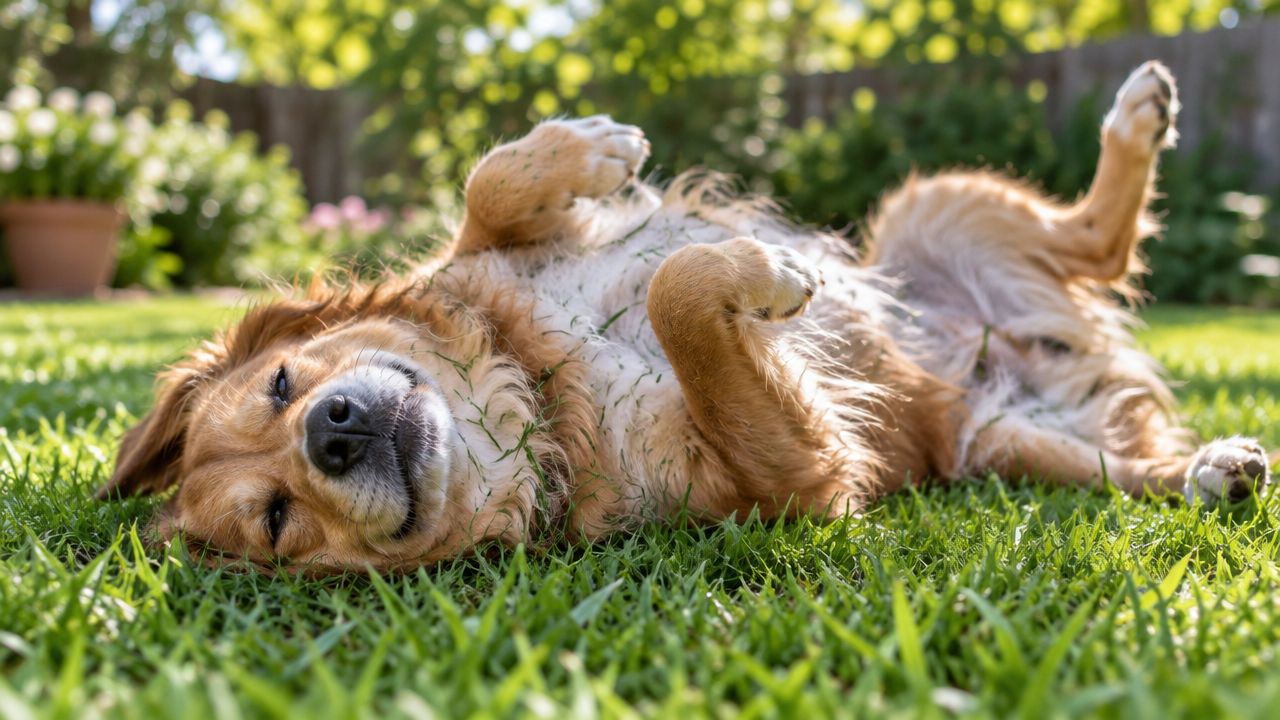
The key is to watch how your dog uses the surface. A loose roll often includes relaxed muscles, an open mouth, a soft expression, and a natural pause before the dog gets up. A dog seeking brief relief may scratch, roll, stand, sniff the area, and then settle once the sensation passes. Chewy's veterinary behavior overview notes that grass can help dogs reach areas they can't scratch effectively with a hind leg.
Cooling can change the appeal
Grass may also feel cooler than surrounding surfaces, particularly when it's shaded or damp. Pressing the body against cool ground can offer short-term comfort during outdoor activity. That doesn't mean every roll on a warm day indicates overheating, but the surrounding signs matter.
A dog that's cooling down should recover with access to shade and water. Heavy or unusual panting, weakness, confusion, vomiting, or difficulty standing requires urgent veterinary attention rather than permission to keep rolling.
Read the body language
Look at the sequence before and after the behavior:
- Relaxed movement: The dog rolls loosely, changes position easily, and returns to walking or sniffing.
- Focused rubbing: The dog repeatedly targets one area, scratches hard, or seems unable to stop.
- Normal recovery: The dog resumes ordinary activity after the roll.
- Ongoing discomfort: The dog continues scratching, licking, chewing, or rubbing indoors.
You can gently inspect the coat after the walk for burrs, plant material, visible insects, or a patch of redness. Don't dig through painful skin or apply human creams without veterinary guidance. A brief roll followed by normal behavior is usually easy to monitor. A roll that seems driven by persistent discomfort deserves closer attention.
When Rolling Signals Skin Allergies or Parasites
The most useful distinction is not “rolling versus no rolling.” It's playful, flexible behavior versus repetitive behavior that appears to relieve distress. A dog can roll normally and still develop a skin problem later, so owners should watch for changes in frequency, intensity, location, and accompanying signs.
A dog who rolls once on different walks, looks comfortable, and moves on is showing a different pattern from a dog who repeatedly returns to the same patch, scratches frantically, or immediately starts licking their paws and chewing their coat. Environmental triggers may also matter. If the behavior appears after time in a particular yard, park, or seasonally active area, make a note of that pattern.
Normal rolling versus a medical concern
| Behavioral Sign | Normal Enrichment | Potential Health Issue |
|---|---|---|
| Intensity | Loose, playful wriggling with relaxed pauses | Frantic rubbing, hard scratching, or visible distress |
| Frequency | Occasional and consistent with the dog's usual routine | A sudden increase or repeated attempts that interrupt normal activity |
| Body focus | The dog rolls across the back and changes position | The dog repeatedly targets one spot, such as the tail base or shoulder |
| Skin appearance | Coat and skin look typical after inspection | Redness, sores, hot spots, scaling, swelling, or hair loss |
| Other behaviors | The dog returns to sniffing, walking, or playing | Persistent licking, chewing, scratching, head shaking, or restlessness |
| Location pattern | Different clean, familiar outdoor surfaces | A clear connection with a particular area, plant exposure, or outdoor irritant |
Fleas, parasites, allergies, and infections can all produce itch-related behavior, but rolling alone can't identify the cause. New or worsening skin signs warrant a veterinary examination, especially if your dog seems uncomfortable or the problem keeps returning. Vetstreet's discussion of excessive rolling and skin irritation emphasizes the importance of frequency and accompanying symptoms rather than treating every roll as a warning.
A healthy-looking roll is an observation. A repeated roll plus skin changes is a reason to investigate.
Before an appointment, record where the rolling happens, what the grass or ground looked like, and whether your dog had been exposed to pollen, plants, moisture, grooming products, or possible parasites. Photos of visible skin changes can help show how the issue developed. If you're budgeting for professional care, this guide to cost of dog skin treatments near me can help you research local treatment costs, but price information shouldn't delay care for a painful or rapidly worsening condition.
For broader background on possible causes, read why is my dog itching so much. Don't use a supplement, shampoo, or home remedy to mask symptoms before a veterinarian has assessed persistent irritation.
Supporting Skin and Gut Health from the Inside Out
A dog may roll on clean grass for enrichment and still develop an itchy coat later. Outdoor behavior and internal health belong in the same picture, but neither one explains every symptom. Skin comfort depends on the skin barrier, nutrition, immune activity, and exposure to irritants. Digestive problems can coexist with skin discomfort, yet gut support cannot cure allergies or stop rolling by itself.
The gut and skin are connected through nutrient use and microbial communities. Digestion helps determine how a dog uses nutrients that support skin and coat tissue. This works like maintaining a house: a sound foundation supports the structure, while it does not prevent every problem caused by weather outside.
Put environmental clues beside wellness clues
Track patterns rather than guessing from one episode:
- Outdoor clues: Note heat, damp grass, pollen-heavy areas, recent mowing, and surfaces that lead to more rubbing. Great Pet Care's discussion of environmental conditions and rolling explains why heat, pollen, and outdoor exposure deserve attention.
- Skin clues: Look for redness, persistent licking, coat changes, or repeated scratching.
- Digestive clues: Record changes in appetite, stool quality, or tolerance of a new food.
- Routine clues: Include grooming products, diet changes, parasite prevention, and recent outdoor activities.
The pattern helps separate ordinary enrichment from a possible health concern. A relaxed roll followed by normal skin, appetite, and stool often reflects outdoor interest. Repeated rubbing alongside skin or digestive changes deserves a veterinary discussion.
If your veterinarian agrees that digestive support suits your dog, dog gut health may be supported with a product formulated for that purpose. Joyfull's listed dog supplement contains real beef bone broth, veterinarian-formulated probiotic strains, two complementary prebiotics, and individually sealed servings. According to the product page, each batch is third-party tested for potency and purity. These product details do not make it a treatment for dermatitis, fleas, or environmental allergy.
A cat in the same household needs a species-specific product rather than the dog formula. Ask your veterinarian which supplement fits each pet, particularly if an animal has ongoing symptoms, takes medication, or has a diagnosed condition.
Practical Tips to Manage and Redirect the Behavior
You don't have to interrupt every roll. First, scan the area for treated grass, sharp debris, animal waste, irritating plants, or anything your dog might ingest. If the location looks clean and your dog is relaxed, allowing a short sniff and roll can be a reasonable part of outdoor enrichment.
When you need to move on, use a cue your dog already understands. Say “let's go,” take a few steps away, and reward your dog for following. Practice “leave it” in easy settings before using it near an exciting scent. A high-value food reward can make disengaging worthwhile, especially when the alternative is a fascinating patch of grass.
- Reward early: Reinforce your dog when they look toward you before dropping to the ground.
- Change direction calmly: Avoid dragging or scolding, which can add tension to an otherwise ordinary behavior.
- Offer a safe outlet: Give your dog clean grass, sniffing time, play, or a food puzzle elsewhere.
- Inspect afterward: Brush away loose debris and check the coat if the roll happened in an unfamiliar area.
A positive routine works better than treating the behavior as defiance. These science-backed dog training steps can help you build reliable redirection through rewards and repetition. If your yard is difficult to keep free from mud or irritants, a Modern Yard Landscapes pet turf guide offers one option to research, though any surface still needs appropriate cleaning and maintenance.
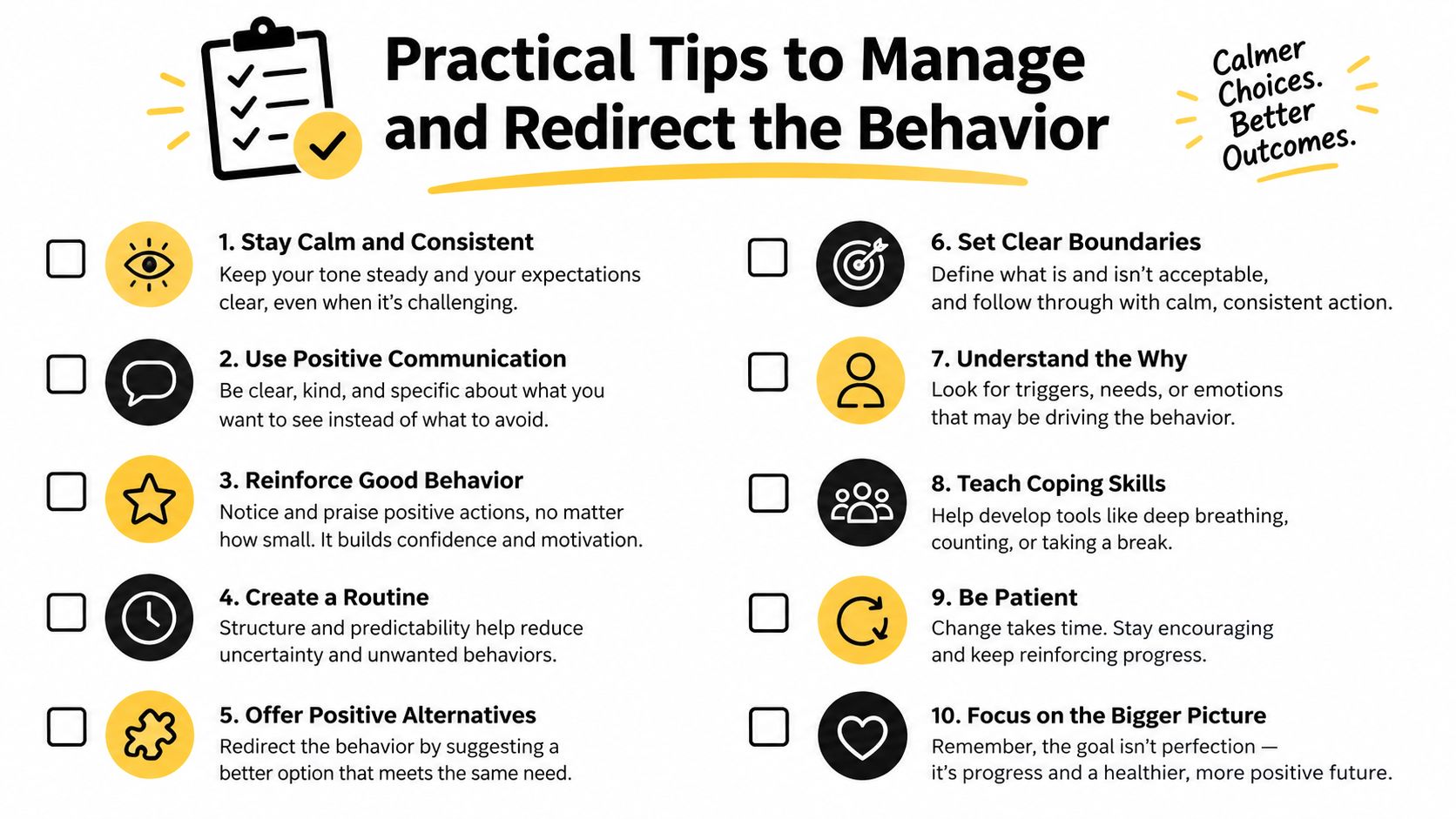
This video can provide another visual reminder to keep redirection calm and reward-based:
Most dog rolling on grass is a normal expression of scent exploration, physical comfort, or play. Watch for the meaningful change: frantic repetition, a fixed location, persistent itching, or visible skin irritation. If those signs appear, schedule veterinary advice rather than assuming your dog is merely enjoying a quirky habit.
Joyfull offers dog wellness products that include a probiotic supplement with real beef bone broth, probiotic strains, and prebiotics, along with prebiotic chicken squeeze treats that can support reward-based redirection. Visit Joyfull to explore options for making everyday pet care more convenient while you keep an eye on your dog's skin, digestion, and outdoor behavior.
0 comments