8 Effective Dog Paw Licking Remedies to Try in 2026
The constant sound of your dog licking their paws can be more than just a minor annoyance; it's often a signal that something is wrong. While occasional grooming is normal, incessant licking can lead to painful inflammation, secondary infections, and a cycle of discomfort for your furry friend. This behavior, sometimes leading to acral lick dermatitis, can stem from a wide range of issues. Common culprits include environmental or food allergies, underlying pain from arthritis, parasites like fleas or mites, or even behavioral triggers such as anxiety, stress, or boredom.
Ignoring the issue allows minor irritations to escalate into significant medical problems, including raw hot spots and stubborn yeast or bacterial infections. The key to providing effective relief is moving beyond surface-level fixes and identifying the true underlying cause. Finding the right dog paw licking remedies requires a thorough approach that considers every possibility, from what's in their food bowl to what's in their environment.
In this guide, we'll explore eight comprehensive and actionable strategies that address everything from nutrition and hygiene to behavioral and medical interventions. Our goal is to empower you with a holistic wellness plan that brings lasting comfort and puts a stop to obsessive paw licking for good. We'll provide specific, practical steps you can take today, grounded in a direct, scientifically-backed approach. Because a healthy, comfortable life is what every pet deserves, let's dive into the solutions that work.
1. Hypoallergenic Diet with Limited Ingredients and Novel Proteins
One of the most effective, yet often overlooked, dog paw licking remedies addresses the problem from the inside out: a carefully selected diet. Chronic paw licking is frequently a symptom of an underlying food allergy or sensitivity. When a dog consumes an ingredient their body identifies as an allergen, it triggers an inflammatory immune response that often manifests as itchy skin, particularly on the paws, ears, and belly.
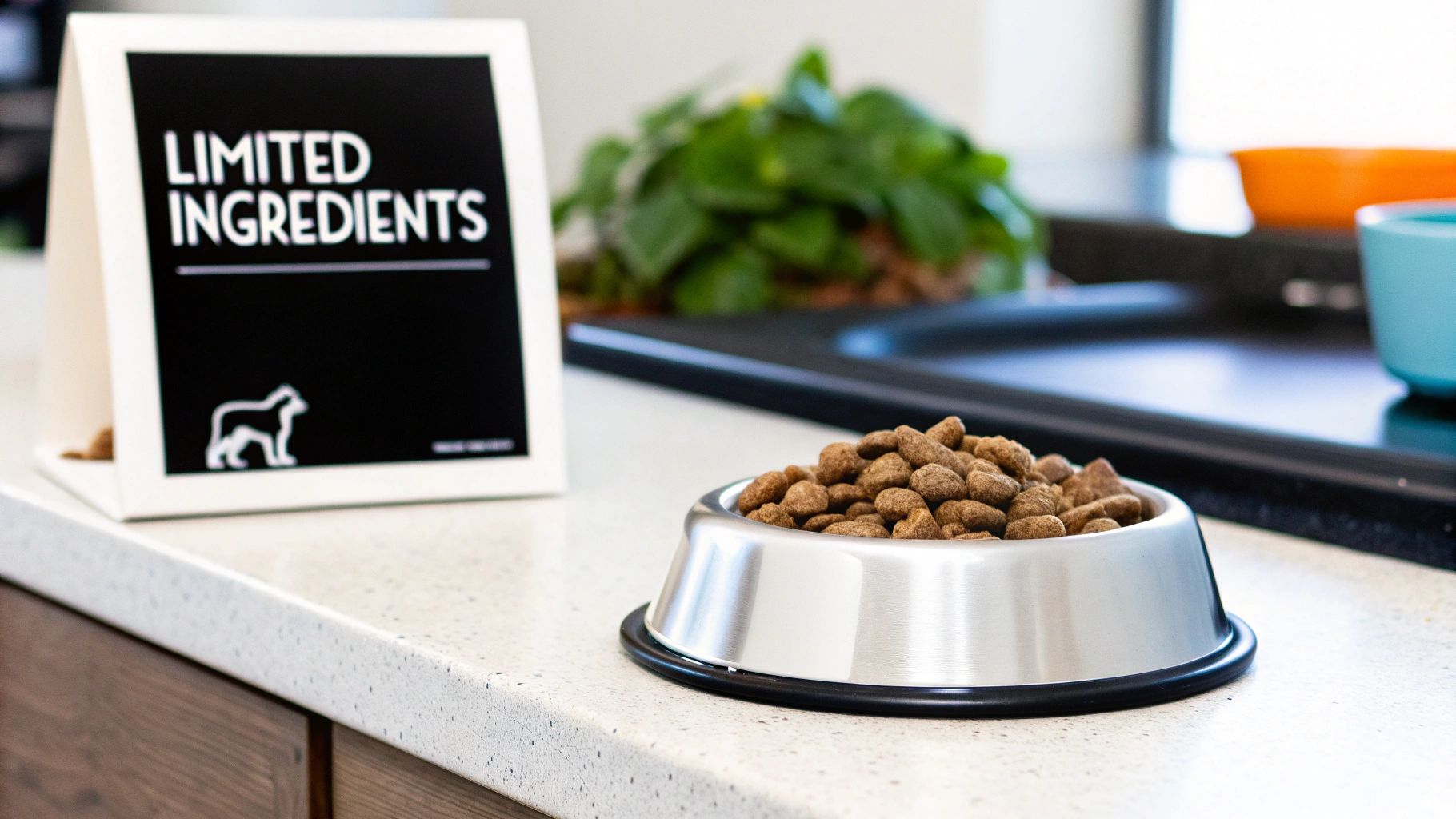
A hypoallergenic diet with limited ingredients and novel proteins is designed to combat this reaction at its source. "Limited ingredient" means the food contains a minimal number of components, making it easier to pinpoint and eliminate potential triggers. "Novel proteins" are protein sources your dog has likely never eaten before, such as venison, duck, kangaroo, or even alligator. Since allergies develop through repeated exposure, these new proteins are less likely to cause an adverse reaction.
Why It's a Foundational Remedy
This approach is more than just a temporary fix; it’s a foundational strategy for long-term relief. By removing common allergens like chicken, beef, dairy, and wheat, you reduce systemic inflammation. This not only soothes itchy paws but also supports overall skin health, leading to a stronger skin barrier that is less susceptible to secondary infections from yeast and bacteria. For many dogs, a dietary change is the key that unlocks a life free from chronic discomfort and obsessive licking.
How to Implement This Strategy
Successfully transitioning your dog to a new diet requires a methodical approach.
- Consult Your Vet: Before making any significant dietary changes, discuss an elimination trial or a switch to a hypoallergenic diet with your veterinarian. They can help rule out other medical causes for the licking and guide you toward an appropriate food choice.
- Transition Slowly: Mix the new food with the old, gradually increasing the proportion of the new food over 7 to 14 days. This helps prevent gastrointestinal upset.
- Be Patient: It can take 8 to 12 weeks for your dog's system to fully clear the old allergens. Don't be discouraged if you don't see immediate results.
- Eliminate All Other Food Sources: During the trial period, it's crucial to be strict. This means no treats, table scraps, or flavored supplements that contain potential allergens. Stick exclusively to the new food and water.
- Track Everything: Keep a detailed log of your dog’s food intake and their licking behavior. This data is invaluable for identifying patterns and confirming whether the diet is working.
2. Veterinary Allergy Testing and Elimination Diets
When dietary changes alone don't solve the puzzle, a more scientific approach is one of the most definitive dog paw licking remedies available. Veterinary allergy testing, combined with a structured elimination diet, moves beyond educated guesses to pinpoint the specific food or environmental allergens causing your dog's distress. This diagnostic process allows for a targeted treatment plan that addresses the root cause of the itching, not just the symptoms.
This method involves two key components. First, your veterinarian may recommend allergy testing, such as a serum blood test or an intradermal skin test, to identify antibodies to common environmental triggers like pollen, dust mites, or mold. Second, a strict elimination diet is implemented to systematically identify food sensitivities. By removing guesswork, you can create a precise management plan that provides lasting relief from the cycle of obsessive paw licking.
Why It's a Foundational Remedy
This strategy is foundational because it provides a clear diagnosis, forming the bedrock of a successful long-term management plan. Instead of trying an endless rotation of foods or topical treatments, you gain specific knowledge about what your dog's body reacts to. For instance, a dog with a confirmed chicken allergy can achieve complete symptom resolution by switching to a novel protein diet. Similarly, knowing a dog is allergic to certain pollens allows for proactive management during high-pollen seasons. This targeted approach prevents chronic inflammation, reduces the risk of secondary infections, and ultimately restores your dog's quality of life.
How to Implement This Strategy
Partnering with your veterinarian is essential for navigating this diagnostic process effectively.
- Schedule a Consultation: Work with your vet or a veterinary dermatologist to determine the best testing strategy. They can perform serum tests or refer you for intradermal testing, which is often considered the gold standard for environmental allergies.
- Commit to the Elimination Diet: This is the most critical part of identifying food allergies. Under your vet's guidance, you will feed your dog a diet with a single novel protein and carbohydrate source for 8-12 weeks, with absolutely no other treats, supplements, or table scraps.
- Keep a Detailed Log: Track your dog’s food intake, treats (if any are approved), and licking severity daily. This journal is crucial for identifying patterns and confirming which ingredients trigger a reaction when they are reintroduced. You can learn more about the underlying causes of food allergies in dogs to better understand this process.
- Reintroduce Ingredients Systematically: After the elimination period, if symptoms have improved, you will reintroduce one old ingredient at a time and monitor for a reaction over several days. This "challenge" phase is what confirms a specific allergy.
- Be Patient and Consistent: This process requires strict adherence and patience. It can take several months to get a clear answer, but the result is a definitive solution to your dog's chronic discomfort.
3. Paw Soaks and Topical Antifungal/Antibacterial Treatments
When your dog's paws are already irritated, they become a prime breeding ground for secondary infections. Constant licking introduces moisture and bacteria, creating a vicious cycle: the dog licks because it's itchy, the licking causes a yeast or bacterial infection, and the infection makes the paws even itchier, leading to more licking. Paw soaks and topical treatments are powerful dog paw licking remedies that directly break this cycle by cleaning the paws and treating these opportunistic infections on the surface.
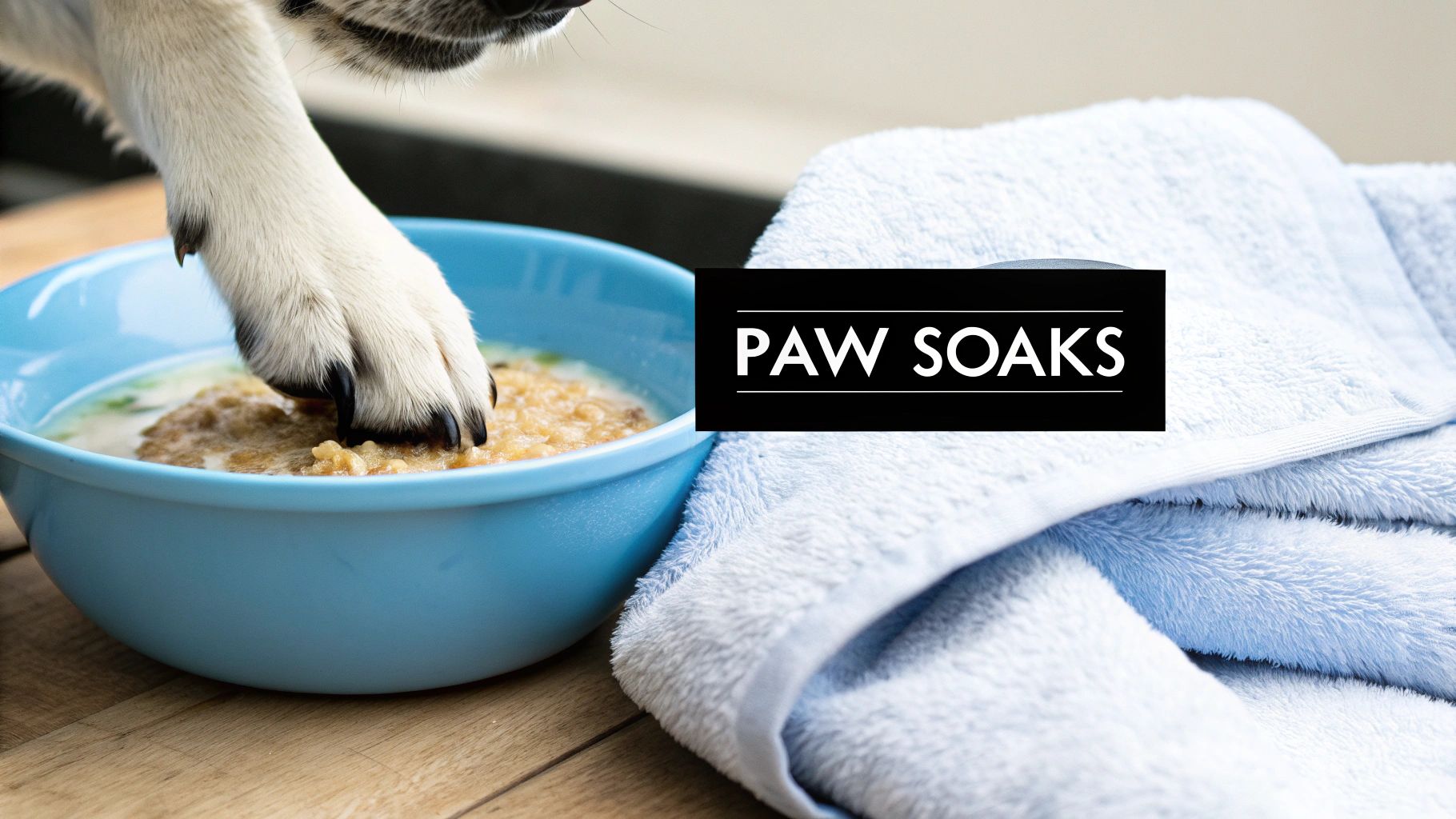
These soaks often use medicated solutions like chlorhexidine, which has potent antiseptic properties, or gentler options like Epsom salt or a diluted apple cider vinegar solution. By directly targeting the microbial overgrowth, these treatments provide immediate relief from the intense itchiness that drives the obsessive licking behavior, allowing the inflamed skin to finally heal.
Why It's a Foundational Remedy
This approach is essential because it manages the immediate symptoms and prevents the problem from escalating. While you investigate underlying causes like allergies, paw soaks provide crucial, on-the-spot relief. For many dogs, especially those prone to yeast infections, a simple daily soak can reduce recurring flare-ups from several times a year to just one, or even none. It’s a proactive hygiene practice that directly maintains the health of the paw's delicate skin barrier, making it more resilient to irritants and pathogens. To minimize exposure to environmental irritants that can be tracked indoors, consider integrating pet-safe cleaning products into your home routine.
How to Implement This Strategy
Implementing a soaking routine is straightforward but requires consistency to be effective.
- Consult Your Vet: Always check with your veterinarian before starting any treatment. They can confirm if an infection is present and recommend the appropriate solution, such as a prescription-strength chlorhexidine wash or a safe over-the-counter option.
- Use Lukewarm Water: Fill a small tub, basin, or even your bathtub with just enough lukewarm water to cover your dog's paws. Hot water can worsen inflammation.
- Soak and Pat Dry: Let your dog stand in the solution for 5 to 10 minutes per paw. Afterward, it is critical to pat the paws completely dry with a clean towel, paying special attention to the areas between the paw pads to prevent moisture buildup.
- Establish a Routine: Consistency is key. Make the paw soak a calm, predictable part of your dog's daily schedule, such as after their last walk of the evening. Use positive reinforcement to create a good association.
- Start Gently: If you are new to soaks, begin with a simple Epsom salt solution before moving to more potent medicated options, allowing your dog to get accustomed to the process.
4. Probiotics and Gut Health Optimization
Another powerful, systemic approach to finding dog paw licking remedies lies within your dog's digestive system. An imbalanced gut microbiome can lead to a condition known as "leaky gut," where the intestinal lining becomes permeable. This allows undigested food particles and pathogens to enter the bloodstream, triggering a widespread inflammatory and allergic response that frequently presents as itchy, irritated skin on the paws.
Probiotics introduce beneficial bacteria to the gut, helping to restore balance, strengthen the intestinal barrier, and regulate the immune system. A healthy gut is less reactive to potential allergens and can more effectively manage inflammation throughout the body. This addresses obsessive paw licking not just at the surface but at a foundational, cellular level, making it a critical component of holistic care for dogs with chronic skin issues.
Why It's a Foundational Remedy
Optimizing gut health is a proactive strategy that enhances your dog's overall resilience. By restoring the gut microbiota, you are not just soothing an immediate symptom; you are helping to modulate the immune system's overreactions that cause the licking in the first place. For many dogs, especially those with food sensitivities or environmental allergies, combining probiotics with other treatments like dietary changes or fatty acid supplementation creates a synergistic effect, leading to more profound and lasting relief from the cycle of itching and licking.
How to Implement This Strategy
Introducing probiotics effectively requires more than just picking a random supplement off the shelf. Follow these steps for the best results.
- Choose a High-Quality, Canine-Specific Probiotic: Look for a veterinary-approved formula with multiple strains (at least 5-8) and a guaranteed CFU (colony-forming unit) count. Brands that provide third-party testing for purity and potency offer greater peace of mind.
- Pair with Prebiotics: Probiotics need fuel to thrive. Incorporate prebiotic fibers like pumpkin, sweet potato, or chicory root into your dog's diet. These fibers feed the beneficial bacteria, enhancing the supplement's effectiveness.
- Be Consistent and Patient: Administer the probiotic daily as directed. It typically takes at least 4 to 8 weeks to re-establish a healthy gut microbiome and see a noticeable reduction in licking and skin inflammation.
- Combine with Other Anti-Inflammatory Nutrients: For comprehensive skin support, consider pairing probiotics with other powerful nutrients. To delve deeper into how these essential nutrients can support overall well-being, including their anti-inflammatory properties that can help reduce paw licking caused by allergies, explore the benefits of omega-3 fatty acids.
- Learn More About Gut Health: Understanding the connection between digestion and skin is key. You can discover more about how to improve dog gut health for a comprehensive approach.
5. E-Collar and Behavioral Management
While many dog paw licking remedies focus on treating the underlying medical cause, it's equally important to address the behavior itself. An Elizabethan collar, or E-collar, serves as a crucial tool to physically prevent your dog from licking, chewing, or biting their paws. This simple barrier breaks the obsessive licking cycle, giving inflamed skin a chance to heal and allowing topical treatments to work effectively without being licked off.
However, the E-collar is just one part of a two-pronged approach. True long-term success involves combining this physical intervention with behavioral management. This means redirecting the licking behavior, which may have become a habit or a coping mechanism for stress, anxiety, or boredom. By managing the behavior alongside the medical treatment, you address both the symptom and the cause.
Why It's a Foundational Remedy
This combined strategy is foundational because it provides immediate relief and prevents further damage while you work on a permanent solution. Constant licking introduces bacteria, creating a moist environment perfect for secondary infections and delaying healing. The E-collar stops this damage instantly. Simultaneously, behavioral management techniques like enrichment and positive reinforcement training help reduce the anxiety or boredom that may be driving the licking, creating a calmer, more well-adjusted dog who is less likely to resort to self-soothing behaviors.
How to Implement This Strategy
A successful implementation requires patience and a positive approach to ensure the E-collar is a helpful tool, not a source of stress.
- Choose the Right Collar: Modern E-collars come in various forms, including soft fabric cones, padded styles, and inflatable "donut" collars. These are often more comfortable and less intimidating than the traditional hard plastic cones.
- Introduce It Positively: Don't just force the collar on your dog. Introduce it gradually with treats and praise, allowing them to investigate it. Place it on for short periods, offering a high-value reward, then remove it. This helps build a positive association.
- Combine with Enrichment: An E-collar can be frustrating for a dog. Counteract this by increasing mental stimulation. Use puzzle feeders, snuffle mats, and short, positive training sessions to engage their mind and tire them out, reducing the focus on their paws.
- Redirect the Behavior: When you catch your dog attempting to lick, calmly interrupt them and redirect their attention to an appropriate chew toy or a quick training game. Reward them when they engage in the new activity.
- Use It as a Temporary Tool: The E-collar is not a permanent fix. It is a management tool to be used while you and your vet identify and treat the root cause, whether it's allergies, pain, or anxiety.
6. Prescription Medications (Apoquel, Cerenia, or Antibiotics)
When home remedies and dietary changes aren't enough to stop persistent paw licking, prescription medications from your veterinarian offer a powerful and targeted line of defense. This approach is necessary when the underlying cause is a severe allergic reaction, a deep-seated secondary infection, or a significant behavioral issue like anxiety. These medications work by interrupting the biological processes that cause itching, inflammation, or compulsive behaviors.
Medications like Apoquel directly target the itch signals in the nervous system, providing rapid relief for dogs suffering from environmental or food allergies. For licking driven by anxiety or stress, veterinarians may prescribe medications like Trazodone or even Cerenia (off-label) to help calm the dog. If a bacterial or fungal infection has taken hold in the irritated skin, a course of antibiotics or antifungals is essential to clear the infection and allow the paws to heal.
Why It's a Foundational Remedy
For dogs with moderate-to-severe conditions, prescription medication is a foundational remedy because it provides immediate relief, breaking the vicious cycle of licking, inflammation, and infection. This intervention is crucial for managing intense discomfort and preventing further self-trauma while you and your vet investigate the root cause. A dog with severe environmental allergies, for example, can find relief within hours of a dose of Apoquel, allowing their paws to finally begin healing. These medications act as a vital bridge, improving your dog’s quality of life while longer-term strategies, like allergy testing or behavior modification, are put into place.
How to Implement This Strategy
Using prescription medications safely and effectively requires a collaborative partnership with your veterinarian.
- Consult Your Vet: These medications are available by prescription only. Your vet will perform a thorough examination, which may include skin scrapings or cytology, to diagnose the cause of the licking and determine the most appropriate drug and dosage.
- Use as a Bridge, Not a Crutch: View medication as a tool to manage symptoms while you address the core problem. Combine it with allergy testing, dietary trials, or behavioral training for a comprehensive, long-term solution.
- Monitor for Side Effects: All medications have potential side effects. Discuss what to watch for with your vet and report any unusual changes in your dog's behavior, appetite, or energy levels immediately.
- Follow Dosing Instructions Exactly: Administer the medication precisely as prescribed. Do not stop or alter the dosage without veterinary guidance, as this can lead to a relapse or other complications.
- Plan for Gradual Weaning: The ultimate goal is often to resolve the underlying issue so the medication is no longer needed. Work with your vet to create a clear plan for tapering off the drug once the licking is under control and other management strategies are proving effective.
7. Environmental and Stress Management (Enrichment and Behavioral Modification)
Not all dog paw licking remedies involve a medical or dietary solution; sometimes, the cause is psychological. Excessive paw licking can be a compulsive, self-soothing behavior triggered by boredom, anxiety, or stress. Just like humans might bite their nails when nervous, dogs can turn to licking their paws as an outlet for pent-up energy or emotional distress. This is known as psychogenic licking.
Addressing this behavior involves shifting focus from the paws to the dog's mind and environment. By providing adequate mental and physical stimulation, you can redirect their focus and reduce the underlying anxiety that fuels the obsessive licking. This approach tackles the root emotional cause rather than just managing the physical symptom, offering a powerful, long-term solution for many dogs.

Why It's a Foundational Remedy
This behavioral approach is foundational because it improves your dog’s overall quality of life. A mentally stimulated and physically tired dog is a happy and well-behaved dog, far less likely to develop compulsive behaviors like paw licking. By building confidence, reducing stress, and strengthening your bond through training and play, you create a resilient canine companion who doesn't need to resort to self-harm to cope with their feelings. This strategy is essential for any dog showing signs of anxiety-driven licking.
How to Implement This Strategy
Implementing environmental and behavioral changes requires consistency and an understanding of your dog’s needs.
- Boost Physical Exercise: Ensure your dog gets adequate physical activity every day. This could be 30-60 minutes of brisk walking, running, or playing fetch, tailored to their breed, age, and health. A tired dog has less excess energy for anxious behaviors.
- Introduce Mental Enrichment: Challenge your dog's brain. Use puzzle toys, snuffle mats, or "find it" games to engage their natural scenting abilities. Feeding meals from a food-dispensing toy instead of a bowl can turn mealtime into a stimulating activity.
- Establish a Predictable Routine: Dogs thrive on routine. Consistent times for feeding, walking, and potty breaks help reduce anxiety by making their world feel safe and predictable.
- Practice Positive Reinforcement Training: Engage in short, fun training sessions to build confidence and provide mental work. When you see your dog start to lick their paws, calmly redirect them to a more appropriate activity, like a chew toy or a simple command, and reward them for it.
- Create a "Safe Space": Designate a quiet, comfortable area like a crate or a specific dog bed where your dog can retreat and relax when they feel overwhelmed.
8. Hypoallergenic Diet with Limited Ingredients and Novel Proteins
One of the most effective, yet often overlooked, dog paw licking remedies addresses the problem from the inside out: a carefully selected diet. Chronic paw licking is frequently a symptom of an underlying food allergy or sensitivity. When a dog consumes an ingredient their body identifies as an allergen, it triggers an inflammatory immune response that often manifests as itchy skin, particularly on the paws, ears, and belly.
A hypoallergenic diet with limited ingredients and novel proteins is designed to combat this reaction at its source. "Limited ingredient" means the food contains a minimal number of components, making it easier to pinpoint and eliminate potential triggers. "Novel proteins" are protein sources your dog has likely never eaten before, such as venison, duck, kangaroo, or turkey. Since allergies develop through repeated exposure, these new proteins are less likely to cause an adverse reaction.
Why It's a Foundational Remedy
This approach is more than just a temporary fix; it’s a foundational strategy for long-term relief. By removing common allergens like chicken, beef, dairy, and wheat, you reduce systemic inflammation. This not only soothes itchy paws but also supports overall skin health, leading to a stronger skin barrier that is less susceptible to secondary infections from yeast and bacteria. For many dogs, a dietary change is the key that unlocks a life free from chronic discomfort and obsessive licking.
How to Implement This Strategy
Successfully transitioning your dog to a new diet requires a methodical approach, often recommended by veterinary dermatologists and nutritionists.
- Consult Your Vet: Before making any significant dietary changes, discuss an elimination trial or a switch to a hypoallergenic diet with your veterinarian. They can help rule out other medical causes for the licking and guide you toward an appropriate food choice.
- Transition Slowly: Mix the new food with the old, gradually increasing the proportion of the new food over 7 to 14 days. This helps prevent gastrointestinal upset and allows your dog to adjust to the new flavors.
- Be Patient and Strict: It can take 8 to 12 weeks for your dog's system to fully clear the old allergens. During this trial period, it's crucial to eliminate all other food sources, including treats, table scraps, or flavored supplements that contain potential allergens.
- Track Everything: Keep a detailed log of your dog’s food intake and their licking behavior. This data is invaluable for identifying patterns and confirming whether the diet is one of the working dog paw licking remedies for your pet.
- Look for Quality: Select foods with a high-quality, named protein source (like "venison" instead of "meat meal") as the first ingredient and look for AAFCO nutritional adequacy statements.
8-Point Comparison: Dog Paw Licking Remedies
| Approach | Implementation Complexity (🔄) | Resource Requirements (⚡) | Expected Outcomes (⭐ / 📊) | Ideal Use Cases (💡) | Key Advantages (⭐) |
|---|---|---|---|---|---|
| Omega-3 Fatty Acid Supplementation | Low 🔄 — easy daily dosing | Low–moderate ⚡ — supplements, storage (some refrigerated) | ⭐⭐ — noticeable improvement in 4–8 weeks; 📊 reduces inflammation and licking frequency | Dogs with inflammatory or dry-skin causes; adjunct to diet | Addresses inflammation long-term; safe; supports coat/joints |
| Veterinary Allergy Testing & Elimination Diets | High 🔄🔄🔄 — coordinated vet protocols | High ⚡ — testing costs, vet visits, strict diet adherence (8–12 weeks) | ⭐⭐⭐ — can identify root causes; 📊 potential permanent resolution after triggers removed | Suspected food/environmental allergies, recurrent severe cases | Pinpoints allergens; enables targeted, personalized treatment |
| Paw Soaks & Topical Antifungal/Antibacterial Treatments | Low–Moderate 🔄🔄 — daily routine | Low ⚡ — solutions and time (5–10 min/day); may be messy | ⭐⭐ — rapid symptom relief within days; 📊 prevents secondary infections | Active yeast/bacterial infections or moisture‑related licking | Immediate local relief; non‑systemic; affordable |
| Probiotics & Gut Health Optimization | Low 🔄 — simple administration | Low–moderate ⚡ — probiotic product (some need refrigeration) | ⭐⭐ — benefits in 2–4 weeks; 📊 improves gut barrier and reduces systemic inflammation | Dogs with GI issues, chronic inflammation, or food sensitivities | Targets immune/gut root causes; safe long‑term; supports nutrient absorption |
| E‑Collar & Behavioral Management | Low (collar) / Moderate (behavior) 🔄🔄 | Low ⚡ — collar cost + owner time for training/enrichment | ⭐ — immediate symptom control; 📊 prevents self‑trauma but not cure | Short‑term protection post‑surgery or while treating underlying causes | Instant prevention of licking; allows treatments to work |
| Prescription Medications (Apoquel, antibiotics, etc.) | Moderate 🔄🔄 — vet prescriptions and monitoring | High ⚡ — medication cost, vet follow‑up, potential side effects | ⭐⭐⭐ — rapid relief in 24–72 hrs; 📊 controls severe allergic or infectious cases | Moderate‑to‑severe allergies, infections, anxiety‑driven licking | Fast, effective symptom control under veterinary supervision |
| Environmental & Stress Management (Enrichment & Behavior) | Moderate–High 🔄🔄🔄 — consistent behavior change | Low–moderate ⚡ — time investment; possible trainer fees | ⭐⭐–⭐⭐⭐ — improves over weeks–months; 📊 reduces psychogenic licking long‑term | Licking caused by boredom, anxiety, routine change | Addresses psychological root causes; improves quality of life |
| Hypoallergenic Diet (Limited Ingredients & Novel Proteins) | Moderate 🔄🔄 — diet transition and monitoring | Moderate–high ⚡ — premium food cost, consistent feeding | ⭐⭐⭐ — results in 4–8 weeks; 📊 reduces dietary‑driven inflammation and licking | Dogs with suspected food sensitivities or confirmed dietary allergies | Targets nutritional cause; improves skin barrier; durable solution |
Creating Your Path to Paw-sitive Wellness
Navigating the world of dog paw licking remedies can feel overwhelming, but as we've explored, the solution often lies in a thoughtful, multi-layered approach rather than a single quick fix. Constant paw licking is more than just a minor annoyance; it’s a clear signal from your dog that something is amiss. By understanding the potential root causes, from environmental allergens and dietary sensitivities to behavioral triggers, you can begin to piece together a comprehensive wellness plan that provides genuine, lasting relief.
The journey to healthy paws requires patience and diligent observation. The most effective strategies are built on a foundation of partnership between you and your veterinarian, combining professional diagnostics with consistent at-home care. Remember, you are your dog’s primary advocate and observer, and the notes you take on their progress are invaluable.
Synthesizing Your Strategy: Key Takeaways
Instead of trying everything at once, think of the remedies we've discussed as building blocks for a customized plan. Your path forward will likely involve a combination of internal support, external care, and environmental management.
Here are the core principles to guide you:
- Inside-Out Approach: True wellness starts from within. Addressing potential internal triggers is paramount. This involves exploring hypoallergenic diets with novel proteins, optimizing gut health with probiotics, and using targeted supplements like Omega-3 fatty acids to reduce systemic inflammation. A clean, limited-ingredient diet is often the most impactful first step.
- Topical Triage and Relief: While you work on the internal causes, providing immediate, external relief is crucial for your dog’s comfort. Medicated or soothing paw soaks, antifungal or antibacterial treatments, and keeping the paws clean and dry help manage symptoms and prevent secondary infections from taking hold.
- Behavioral and Environmental Harmony: Never underestimate the impact of stress, boredom, or anxiety. A dog’s environment and mental state are directly linked to their physical health. Implementing enrichment activities, managing environmental allergens, and using tools like an E-collar for short-term interruption can be critical components of a successful dog paw licking remedies plan.
Key Insight: The most successful outcomes arise when pet owners combine dietary investigation (what's fueling the body) with topical management (what's soothing the immediate issue) and behavioral support (what's calming the mind).
Your Actionable Next Steps
Feeling empowered with this information is the first step; taking action is the next. Here’s a simple, structured way to begin your journey toward resolving your dog's paw licking.
- Start a Paw Health Journal: Before making any changes, document the current situation. Note the frequency of licking, the appearance of the paws (redness, swelling), and any potential triggers you observe. Continue this journal as you introduce new remedies to track what works.
- Consult Your Veterinarian: Schedule an appointment to discuss your observations. Be prepared to talk about veterinary allergy testing, potential elimination diets, and the possibility of prescription medications if needed. This professional guidance is non-negotiable for a safe and effective plan.
- Implement One Foundational Change: Based on your vet's advice, start with the most likely culprit. This is often diet. Transitioning to a high-quality, hypoallergenic diet can resolve a surprising number of inflammatory issues that manifest as paw licking.
- Layer in Supportive Care: While the dietary changes take effect (which can take several weeks), introduce supportive therapies like weekly paw soaks or an Omega-3 supplement to manage discomfort and support skin health.
By systematically addressing the issue from multiple angles, you move beyond simply masking symptoms. You begin to build a holistic framework that supports your dog’s overall well-being, leading to happier, healthier paws and a more comfortable life. Your commitment to uncovering the root cause is the greatest gift you can give your loyal companion.
At Joyfull, we believe that premium nutrition is the cornerstone of a healthy, joyful life, free from the discomfort of chronic issues like paw licking. Our limited-ingredient, hypoallergenic formulas are crafted to reduce inflammation and support optimal health from the inside out. Give your dog the foundation for wellness they deserve at Joyfull.