Dog Mites Home Treatment: A Vet-Approved Action Plan
Your dog is scratching like something's crawling under the skin, and you're trying to figure out what you can safely do tonight without making things worse. That's exactly the right instinct. With dog mites home treatment, the safest approach is usually a calm triage plan, comfort the dog, contain the spread, clean the environment, and watch closely for signs that home care isn't enough.
The hard part is that “mites” isn't one problem. Different mites behave differently, and the best next step depends on where the itching is happening, how bad the skin looks, and whether other pets are involved. A good home plan can reduce discomfort and reinfestation pressure, but it doesn't replace diagnosis when the signs are muddy or severe.
Table of Contents
- First Things First - Identifying Dog Mites and Symptoms
- Providing Immediate Comfort and Preventing Spread
- Your Guide to Safe At-Home and OTC Treatments
- A Deep Clean Plan for Your Home Environment
- Monitoring Progress and Knowing When to Call the Vet
- Your Long-Term Plan for a Mite-Free Pet
First Things First - Identifying Dog Mites and Symptoms
The first decision is simple, even if the answer isn't. Before you treat anything, look at where the itch is, what the skin looks like, and whether the problem seems contagious. That helps separate a likely mite issue from allergies, fleas, or an ear problem, and it keeps you from pouring the wrong thing on irritated skin. If you want a broader starting point for causes of itchiness, this guide to identifying itchy dog causes can help you compare the patterns.
Common Dog Mites at a Glance
| Mite Type | Key Symptoms | Common Body Areas | Contagion Risk |
|---|---|---|---|
| Sarcoptic mange | Intense itching, redness, crusts, self-trauma from scratching | Ears, elbows, belly, chest | High, can spread to other pets and may cause temporary itch in people |
| Demodectic mange | Patchy hair loss, mild to severe skin irritation, possible sores if secondary infection develops | Face, muzzle, front legs, localized patches or more widespread areas | Lower between pets, but still needs a vet's diagnosis |
| Ear mites | Head shaking, ear scratching, dark debris, irritated ears | Ear canals and surrounding skin | Contagious to other pets, especially in multi-pet homes |
Sarcoptic mange often looks dramatic because the dog can't stop scratching. Demodectic mange can be trickier, since it may start as patchy hair loss with less obvious itch, then worsen if the skin gets infected. Ear mites usually announce themselves through the ears, with head shaking or repeated pawing at one or both ears.
Practical rule: if the itch is paired with crusts, sores, or hair loss in more than one spot, think “vet evaluation soon,” not “let me try three more home remedies.”
The location matters. Belly, elbows, ears, and chest fit sarcoptic mange more often, while the face and muzzle are common trouble spots for demodectic mange. If the ears are the main issue, especially with dark debris or strong odor, ear mites or another ear condition rises higher on the list. If you're unsure, don't guess based on appearance alone, because the wrong assumption leads to the wrong treatment.
Providing Immediate Comfort and Preventing Spread
The first few hours are about reducing damage, not curing the problem. Keep the dog from turning itching into wounds, and keep the problem from moving through the house. Veterinary-facing guidance supports a stepwise home-management plan that starts with isolation from other animals and a designated clean room, rather than letting the dog roam the home while you decide what to do next. For a related soothing checklist, Joyfull's it itchy dog solutions is a useful companion resource.
If the dog will tolerate it, a gentle oatmeal bath can take the edge off inflamed skin. Use lukewarm water, keep the wash brief, and rinse well. Over-bathing backfires, because it dries the skin and can make the scratching worse.
Keep it simple tonight. A calmer dog usually scratches less, and less scratching means less skin damage.
An e-collar is worth using if your dog is chewing, rubbing, or clawing at the skin hard enough to create open spots. That single barrier can stop a small irritation from becoming a self-inflicted wound. If your dog hates the cone, pair it with close supervision instead of removing it too soon.
If there are other pets in the house, separate them now. That's especially important if sarcoptic mange is on your list of possibilities. Clean bedding, a quiet room, and controlled contact do more for containment than a half-dozen random topical mixes.

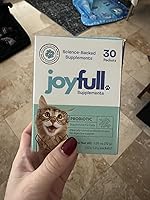
If you're also managing a sensitive stomach after stress or medication changes, one product in the home-care category is Probiotic Supplement for Cats - 30 Single-Serving Packets, which is described as veterinarian-formulated, third-party tested, and individually sealed for regular use. That kind of product belongs in supportive care, not as a mite treatment.
Your Guide to Safe At-Home and OTC Treatments
“Home treatment” works only when it means consistent, vet-aligned care. It does not mean mixing kitchen ingredients and hoping for the best. ESCCAP guidance for amitraz wash, for example, calls for a 0.05% solution repeated at weekly intervals until skin scrapings are negative, or for 3 weeks after clinical signs resolve, which shows why the schedule matters more than the one-time application ESCCAP guidance.
What Can Help
Medicated shampoos and dips can be useful when a veterinarian recommends them. Benzoyl peroxide shampoos are often used to help open follicles and clear debris, while sulfur and lime dips have a long history in mange care. Those products need careful handling, though, because the wrong concentration, too-frequent use, or poor rinsing can irritate already inflamed skin.
Some pet-safe pest control resources are helpful for thinking through the home environment too. If you're trying to sort what belongs in the house plan versus what belongs on the dog, the Pestless guide to pet-safe pest control is a practical reference point for separating safe containment from guesswork.
What Not to Use
Skip the viral DIY fixes. Borax, garlic oil, undiluted essential oils, and homeopathic add-ons are poor choices for a dog already dealing with irritated skin. They can cause more inflammation, and in some cases they can be toxic. The issue isn't that “natural” equals bad. The issue is that untested home mixtures often ignore the parasite's life cycle and the fragility of already damaged skin.
If a remedy sounds like it was designed for a countertop instead of a patient, it probably doesn't belong on an itchy dog.
Successful treatment relies on repetition. Treated dogs need the right product, on the right schedule, long enough to break the cycle. That's the same reason one quick rinse won't solve a mite infestation. It may make the dog feel cleaner for a moment, but it won't do the job by itself.
A Deep Clean Plan for Your Home Environment
For contagious mites, cleaning the home isn't cosmetic, it's part of treatment. Wash all dog bedding, blankets, toys, and other washable fabrics in hot water, then dry them on high heat if the fabric allows it. After that, vacuum carpets, rugs, baseboards, and upholstered furniture thoroughly, and empty the vacuum outdoors right away so you don't scatter debris back into the house Bond Vet.
The point is to cut off reinfestation. If mites or contaminated debris stay in bedding, couch cushions, or grooming tools, the dog can keep getting re-exposed even while the skin starts to improve.

Room by Room Priorities
Start where the dog spends the most time. The crate, dog bed, living room blankets, car seat covers, and any shared throws should be first on the laundry list. If the dog sleeps with people, wash the human bedding too.
Hard floors are easier. Sweep or vacuum first, then mop with a pet-safe cleaner. Grooming tools matter as well, because brushes and combs can carry debris back to the coat. If something is heavily infested and can't be cleaned well, throw it out.
For some households, outside control matters too. A clean kennel, deck, or porch bed can become a loop for re-exposure if it's not handled with the same discipline as indoor spaces. That's why some owners also look at expert flea removal services when the home environment has become difficult to manage, even though fleas and mites aren't the same problem.
A few practical filters
- Wash first: bedding, blankets, and washable toys that touch the dog daily.
- Vacuum often: carpets, rugs, sofas, and corners where hair collects.
- Clean tools: brushes, collars, and harnesses that sit close to the skin.
- Contain clutter: the fewer soft surfaces the dog uses, the fewer places mites can linger.
If you need a parallel example for another parasite problem, the same logic shows up in safe methods to remove dog fleas. The species differs, but the home principle is similar, remove the source, then prevent re-exposure.
Monitoring Progress and Knowing When to Call the Vet

Persistent itching is the biggest sign that home care has reached its limit. Reliable guidance warns that mites can look like other conditions, and different mite types need different treatment, so a dog that's still miserable after a stretch of careful home management needs a veterinary exam Country Living UK.
Signs that home care is working
Look for less scratching, calmer sleep, fading redness, and the start of fur regrowth. Energy usually improves too, because a dog that isn't fighting the itch all day can finally settle down. Small improvements matter more than dramatic overnight change.
Red flags that need a vet visit
- Open sores or pus: that can mean a secondary infection.
- Foul odor from skin or ears: often a sign the problem is more than simple irritation.
- Spreading lesions or severe hair loss: home care isn't controlling the cause.
- Marked lethargy or appetite loss: that's no longer a skin-only issue.
- No real improvement after several days of consistent care: the plan needs a professional reset.
A veterinarian can perform a skin scrape or ear exam, then choose prescription treatment when it's needed. That matters because some of the most effective mite medications aren't sitting on a store shelf. Getting a diagnosis is not a setback, it's the point where the care plan becomes precise.
If you're asking yourself whether to wait one more day, the answer depends on the dog's comfort and skin condition. Open skin, lethargy, or worsening itch means don't wait.
The embedded video below is useful if you want a quick visual refresher on what to watch for while you're monitoring at home.
Your Long-Term Plan for a Mite-Free Pet
The easiest way to remember dog mites home treatment is a five-part loop. Identify, soothe, treat, clean, and monitor. That sequence keeps you from jumping straight to random products, and it also keeps you from stopping too early when the skin starts to look better.
Long term, prevention is calmer than rescue care. Regular grooming helps you spot skin changes early, a clean resting area reduces repeated exposure, and routine parasite prevention gives you a stronger baseline when your dog is around other animals or outside environments. If your dog has a history of skin trouble, write down what the first symptoms looked like, because the earliest clues are usually the most useful ones.
The biggest mistake owners make is treating every itch the same way. A dog with ear debris, a dog with patchy hair loss, and a dog with crusting on the belly are not telling you the same story. The safest home plan is the one that stays humble, uses only evidence-based steps, and gets veterinary help before the skin gets wrecked.
Joyfull's approach to pet wellness fits that mindset, practical, preventative, and focused on what supports the animal instead of what just sounds natural. That's the right lens for mite care too. Use home treatment to stabilize, not to delay a diagnosis that your dog may need.
A CTA for Joyfull.