Dog Food Brand Crossword: 8 Answers to Fill the Gaps
That Four-Letter Word for “Dog Chow”...
You're midway through a crossword, pencil paused over 4 Down. The clue says “Classic kibble brand,” and the letters you already have seem to point in two directions at once. That moment is why dog food clues trip up even experienced solvers. A familiar brand, a generic food term, and a pet-related word can all fit the same corner of the grid.
A useful dog food brand crossword guide works like a tackle box for tricky clues. You need the right tool for the right situation. Letter count helps narrow the field. Clue wording tells you whether the puzzle wants a brand name like ALPO or IAMS, a descriptive word like MEATY, or a broader dog-world term such as KENNEL or CANINE. Crossword databases also show that identical clue wording can lead to different answers in different puzzles, which explains why this category feels less predictable than it should.
There is a second layer that makes these entries interesting.
Many of the answers that appear in crosswords are also names shoppers recognize from the pet food aisle. That overlap gives you two ways to learn them. As a solver, you start spotting patterns in short, vowel-friendly brand names. As a pet parent, you notice which names have stayed visible for years and why they remain familiar enough for constructors to use. This guide treats both sides of the question seriously, helping you fill the grid and make sense of the actual labels behind those squares.
Table of Contents
- 1. ALPO (4 Letters)
- 2. IAMS (4 Letters)
- 3. MEATY (5 Letters)
- 4. CANINE (6 Letters)
- 5. KIBBLE (6 Letters)
- 6. KENNEL (6 Letters)
- 7. PURINA (6 Letters)
- 8. PEDIGREE (8 Letters)
- Dog Food Brand Crossword: 8-Item Comparison
- Solving the Puzzle of Your Dog's Diet
1. ALPO (4 Letters)

ALPO is one of those answers that feels almost built for crosswords. It's short, vowel-friendly, and familiar enough that puzzle editors can count on solvers recognizing it. If your clue says “dog food brand” and you need four letters, ALPO is often one of the first names worth testing.
Its puzzle life also comes from pop-culture memory. ALPO is tied to the historical fact that Ed McMahon once marketed the brand, and crossword databases also connect it with clue angles like “Kal Kan rival” and other classic pet-food references (ALPO and related crossword clue references). That older advertising identity keeps it alive in grids long after many slogans have faded.
Why ALPO shows up so often
ALPO tends to appear when the constructor wants a recognizable, old-line answer rather than a trendy pet-store label. It fits especially well if the crossing letters give you A or O early, since there aren't many common dog-food entries with that exact compact pattern.
Try these clue styles in your head:
- Brand-first clue: “Dog food brand”
- History nudge: “Ed McMahon-advertised dog food”
- Rival framing: “Kal Kan competitor”
Practical rule: If the clue feels old-school, ALPO jumps up the list.
From a pet parent angle, ALPO signals mass-market familiarity more than boutique positioning. That doesn't tell you everything about a food's quality, but it does explain why the name survives in puzzle culture. Crosswords love household recognition. Grocery aisle longevity matters more to a constructor than ingredient trends.
2. IAMS (4 Letters)
If ALPO is the old standby, IAMS is the other four-letter powerhouse you should keep ready. In fact, the most frequent crossword answer for the clue “dog food brand” is IAMS, identified with 98% confidence across multiple puzzle databases, including Word.Tips and USA Today, and noted in clue appearances such as the Eugene Sheffer Crossword on April 6, 2026, and the USA Today Crossword on May 8, 2026 (crossword frequency data for IAMS).
That's a big reason solvers get tripped up. You see four squares and a pet-food clue, and both ALPO and IAMS feel plausible. The crossings usually decide it. An initial I or a final S is enough to swing the answer fast.
When IAMS is the better fit
IAMS often works when the clue is plain and modern, with no wink toward a spokesperson or vintage ad campaign. It's also a strong candidate when the puzzle has a more contemporary feel overall. Constructors like answers that many solvers have seen in stores for years and can recall instantly.
A quick way to compare the two four-letter giants:
- ALPO often feels nostalgic or ad-history flavored.
- IAMS often feels neutral, current, and broadly recognizable.
- Crossings matter most when the clue gives no extra context.
If you have _ A M _, don't overthink it. IAMS is doing exactly what a good crossword answer should do.
Outside the puzzle, IAMS is one of those brands many pet owners recognize from life-stage formulas and broad retail presence. That real-world familiarity is precisely what makes it useful fill. Crossword editors want answers people know, not names that require niche shopping habits or deep pet-food hobby knowledge.
3. MEATY (5 Letters)
You fill in M-E-A-T-_, glance at the clue again, and realize the puzzle is not asking for a brand at all. It is asking for a descriptor. That is where MEATY earns its spot in your toolkit.
Crossword constructors use words like MEATY because they sound specific without tying the answer to one company. If a clue points to texture, richness, or a protein-heavy impression, this five-letter adjective can fit better than any label from the pet-food aisle. The useful habit here is simple. Sort clues into two buckets first: brand names and descriptive terms.
How MEATY gets clued
MEATY often appears when the clue signals feel rather than trademark. A phrase such as “like a hearty dog food,” “rich in flavor,” or “protein-forward, in plain language” is usually steering you toward an adjective. Crossword logic works a lot like reading the front of a dog-food bag. The big bold words catch your eye first, but the exact meaning depends on context.
That context matters because “meaty” is marketing language in real life, not a strict nutrition standard. A product can sound meat-focused on the front label while the full ingredient panel tells a more detailed story. For solvers and pet parents, the same skill helps in both places. Read past the headline word.
A quick real-world check helps:
- Named proteins usually give clearer information than vague meat terms.
- Front-of-pack wording can suggest a theme, but it does not replace the ingredient list.
- Descriptor clues in crosswords often reward plain-language answers over brand recall.

That label-reading mindset becomes even more useful in multi-pet homes, where dog products and cat products can look similar at a glance. Digestive support is a good example. Dog owners may compare dog probiotics, while cat supplements sit in a different category entirely and should not be confused with dog food or dog-specific formulas.
If the clue says “dog food descriptor,” MEATY deserves an early look. It is a strong reminder that solving a dog food brand crossword is not just about memorizing brands by length. It is also about recognizing when the puzzle wants the language around pet food, not the logo on the bag.
4. CANINE (6 Letters)
CANINE is a classic crossword pivot word. It belongs to dog language, pet-food language, veterinary language, and brand language all at once. That flexibility makes it a frequent trap. A clue that feels like it should produce a brand name may want the broader animal term.
You'll see this when the clue mentions dog-specific nutrition, veterinary formulations, or a species distinction rather than a brand itself. Constructors love words like CANINE because they sound specialized while staying familiar.
Why generic animal terms matter
Think about how pet products are named. “Canine” appears in product lines, clinic materials, and diet descriptions because it sounds formal and species-specific. In crossword logic, that gives editors several clueing options without forcing a single brand answer.
These clue types often point toward CANINE:
- Species angle: “Dog-related”
- Nutrition angle: “Dog, on a vet label”
- Formal wording: “Of dogs”
Some puzzles disguise simple answers by dressing them in formal language. “Canine” is one of the most common examples.
For pet parents, this is also a reminder that category words and brand words aren't interchangeable. A veterinary-style label may sound more technical, but what matters most is still the formula itself, your dog's needs, and how they respond. If digestive support is part of that conversation, some owners also look at dog probiotics alongside diet changes, especially when they're trying to support routine digestion under veterinary guidance.
In the grid, though, keep it simpler. If the clue sounds clinical and the crossings don't support a known brand, CANINE deserves a serious look.
5. KIBBLE (6 Letters)
You're halfway through a dog-food crossword, six boxes are open, and the clue says “Dry dog food.” This is the moment to stop hunting for a brand name and reach for KIBBLE. In puzzle terms, KIBBLE is a format word. It names the kind of food, not the company on the bag.
That distinction matters more than newer solvers expect. Crossword clues often work like grocery shelf labels. Some point to a brand, some point to a category, and some point to texture or form. KIBBLE belongs in that last group. If the clue mentions crunchy pieces, pellets, nuggets, or dry chow, KIBBLE is often the cleanest fit.
It is also a very solver-friendly six-letter answer. The letters are common, the pattern is memorable, and the double B tends to stand out once a few crossings are in place.
How to spot KIBBLE before you overthink it
A good rule is simple. If the clue describes what the food is like in the bowl, KIBBLE should move near the top of your shortlist. If it describes who makes it, keep looking for a brand.
Here are common clue angles that point toward KIBBLE:
- Texture clue: “Crunchy dog food”
- Form clue: “Dry pet-food pellets”
- Bowl clue: “Bits poured from a bag”
- Everyday wording: “Dog chow, often”
Crossword solving offers a useful overlap with real pet care. Pet parents make the same distinction all the time. “Kibble” tells you the format. It does not tell you ingredient quality, protein source, digestibility, or whether a formula suits your individual dog.
That is why label reading still matters. Some owners keep a dry-food routine for convenience and storage, then adjust around it with water, toppers, or prebiotics for dogs if that fits their veterinarian's guidance and their dog's needs.
A few practical habits can make kibble work better at home:
- Store it in a sealed container to help maintain freshness.
- Change foods gradually so your dog has time to adjust.
- Add a little moisture if your dog prefers a softer texture.
Routine matters outside the bowl too. Dogs often do better when feeding, rest, and cleanup all feel predictable, which is one reason details like washable dog beds for pet owners can be part of the same care system.
For the crossword, keep the test straightforward. Brand clue, look for a brand. Form clue, look for KIBBLE. That small shift in thinking saves a lot of erased letters.
6. KENNEL (6 Letters)
KENNEL belongs on this list because dog-food clues sometimes orbit the broader world around feeding, not the food itself. If the clue points to where dogs are housed, boarded, bred, or grouped, KENNEL can sneak in and derail your brand hunt.
This is one of those answers that becomes obvious only after you stop forcing a pet-food label into every square. A puzzle might mention bulk feeding, dog housing, or a place associated with multiple dogs. That's when KENNEL starts to make sense.
When a clue points to place, not product
In everyday pet care, kennel settings often prioritize practical routines. Food storage, easy cleanup, and dependable feeding schedules matter a lot when several dogs are involved. That context can make words like KENNEL feel adjacent to food clues, even when they're technically about place or management.
Here are a few clue moods that can pull you toward KENNEL:
- Housing clue: “Dog run, perhaps”
- Boarding clue: “Place for boarded pups”
- Facility clue: “Shelter area for dogs”
A useful real-world connection is that care choices around food don't exist in isolation. Sleep setup, cleanliness, and stress levels also affect how dogs do day to day. For pet owners refining the whole routine, details like washable dog beds for pet owners often matter just as much as the brand name on the bag.
A crossword clue can live in the ecosystem around dog food without naming food at all.
That's the key with KENNEL. It reminds you to widen the frame. If the clue's world is dogs but the wording doesn't sound edible, shift from pantry thinking to place thinking.
7. PURINA (6 Letters)
You're halfway through a dog-themed crossword, the clue says “dog food brand,” and the grid gives you six boxes. PURINA is one of the first answers to test because it fits the slot and shows up often enough that many solvers recognize it on sight.
That matters in crosswords. Constructors usually favor brand names that are widely known, easy to spell, and friendly to crossing letters. PURINA checks all three boxes.
How to spot a PURINA clue
PURINA often appears in clues that are broader than a single product line. The brand name works a bit like a familiar road sign. You may not know every item under the label, but you recognize it quickly, and that recognition helps you move through the grid with less guessing.
Common clue styles include:
- Direct brand clue: “Dog food brand”
- Rival-style clue: “IAMS competitor”
- Pet-food clue: “Pet chow maker” or similar wording

Letter pattern helps too. PURINA has three vowels, common consonants, and no awkward letter combinations, so it's easier to confirm from crossings than a less familiar brand. If you already have a P, R, or final A in place, this answer becomes much easier to see.
There's also a useful real-world angle here. Big, established pet-food names stay in puzzle rotation because many solvers have seen them in stores, ads, or feeding discussions. That same everyday familiarity shapes how pet parents compare products, from main meals to dog treats.
A good solving habit is to sort likely answers by length first, then by clue tone. For a six-letter brand clue, PURINA belongs near the top of your shortlist. If the wording feels broad rather than fancy or playful, it's often the practical fill.
8. PEDIGREE (8 Letters)
PEDIGREE is longer, but it's still a very plausible dog food crossword answer when the puzzle has room. The name is memorable, distinctly dog-associated for many solvers, and packed with letters that are easy to cross. If you've got an eight-letter slot and a mainstream dog-food clue, this one deserves early consideration.
It also has a different feel from ALPO, IAMS, or PURINA. PEDIGREE sounds slightly more descriptive because the word itself already exists outside branding. That gives crossword editors extra room to be playful.
The giveaway in pedigree-style clues
The most reliable signal is clue tone. If the clue sounds like it could be either a brand or a word about lineage, stop and check the crossings carefully. Constructors enjoy that ambiguity.
A few likely clue routes:
- Direct brand clue: “Dog food brand”
- Lineage wordplay: “Good breeding, or a pet food brand”
- Dog-show flavor: “Well-bred background, maybe”
When a brand is also a common word, crossings matter more than intuition.
Real-world recognition helps, too. PEDIGREE is the sort of brand many people know even if they haven't bought it themselves, and broad familiarity is gold in mainstream puzzles. If you're the kind of pet owner who likes to compare what's in the bowl with what's in the treat jar, that same label-reading instinct applies across categories, including dog treats.
For solving purposes, PEDIGREE is your reminder not to fear longer fills. Dog food clues aren't always short, and some of the best answers come from names that carry enough cultural weight to stretch across a bigger section of the grid.
Dog Food Brand Crossword: 8-Item Comparison
| Item | 🔄 Implementation complexity | ⚡ Resource requirements | ⭐ Expected outcomes | 📊 Ideal use cases | 💡 Key advantages / tips |
|---|---|---|---|---|---|
| ALPO (4 Letters) | Low, simple, mass-produced formulas | Low, inexpensive ingredients, high fillers | ⭐ Low–Moderate, basic complete nutrition | Budget households, discount retail shoppers, short-term feeding | Very affordable and widely available; expect lower ingredient quality |
| IAMS (4 Letters) | Moderate, life-stage formulations and quality control | Moderate, mixed protein sources, standard processing | ⭐ Moderate, balanced for life stages when label followed | Consumers wanting life-stage specific, everyday feeding | Consistent, accessible; verify specific formula for by‑products or preservatives |
| MEATY (5 Letters) | Moderate–High, meat-forward sourcing and formulation | High, quality named meats, possible refrigeration for fresh | ⭐ High, better protein profile, improved coat/energy for many dogs | Premium diets, active dogs, owners prioritizing protein | Look for named meat as first ingredient; verify sourcing and protein percentages |
| CANINE (6 Letters) | High, veterinary/science-driven diet design | High, research, specialized supplements, vet oversight | ⭐ High, targeted to canine physiology and conditions | Medical or condition-specific nutrition, vet-recommended plans | Strong for health needs; may include synthetic supplements, check ingredient transparency |
| KIBBLE (6 Letters) | Low, standardized dry-pellet manufacturing | Moderate, large-scale processing, packaging for shelf life | ⭐ Variable, outcome depends on formula quality | Convenience-focused households, long-term storage, dental maintenance | Most affordable format; store airtight and transition slowly between brands |
| KENNEL (6 Letters) | Low, bulk, no-frills formulations | Low, cheapest ingredients for high-volume feeding | ⭐ Low, meets basic nutritional requirements only | Shelters, multi-dog facilities, kennels prioritizing budget | Extremely cost-effective for large groups; not ideal for individualized health needs |
| PURINA (6 Letters) | High, broad product development across tiers | Variable, from low-cost fillers to premium proteins | ⭐ Variable, ranges from basic to veterinary-grade (line dependent) | Wide consumer base; options from entry-level to prescription | Highly accessible with many sub-brands; evaluate specific line for ingredient quality |
| PEDIGREE (8 Letters) | Moderate, size/age-specific mainstream formulas | Low–Moderate, mass-market ingredient sourcing | ⭐ Moderate, complete but often grain/by-product based | Budget-conscious families seeking recognizable brand | Affordable and consistent; review labels for artificial additives and meat meals |
Solving the Puzzle of Your Dog's Diet
You've now got a much better grip on how a dog food brand crossword clue works. Sometimes the answer is a true brand name like ALPO, IAMS, or PURINA. Sometimes it's a category word like KIBBLE or CANINE. And sometimes the clue sits just outside the bowl itself, pulling in a word like KENNEL instead.
That's the habit good solvers build. First, check the letter count. Then ask what kind of clue you're looking at. Is it asking for a company, a descriptor, a food format, or a general dog term? That small pause saves a lot of erasing.
It's also worth noticing what these crossword answers have in common outside the puzzle. The brands that recur are usually the ones with lasting public recognition. That doesn't automatically make them the right fit for every dog, but it does explain why they keep resurfacing in grids from different publications. Familiarity travels well, both in supermarkets and in crosswords.
For pet owners, that leads to a useful parallel. The most common answer isn't always the most thoughtful choice. A brand may be famous. A package may sound appealing. A clue may make a name feel inevitable. But your dog doesn't eat crossword popularity. Your dog eats what you put in the bowl every day.
So use the same mindset in the aisle that you use at the puzzle table. Read carefully. Look at the exact wording. Pay attention to what the label is saying, not just what the brand name suggests. If your dog has specific needs, discuss those with your veterinarian and evaluate foods, treats, and supplements in that fuller context.
That approach fits the larger world of pet care, too. Travel, environment, and daily routine can shape feeding choices in practical ways. Even trip planning can affect what you pack and how you feed, which is why some owners think ahead about things like pet friendly accommodation Tasmania when they're traveling with animals.
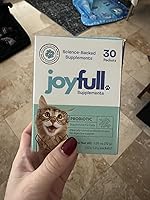
Joyfull belongs in that broader conversation as one option for pet parents who want to pay attention to ingredients and formulation rather than relying on recognition alone. The company's stated approach centers on clean ingredients, high-quality proteins, and scientific review by its in-house veterinary advisor. Whether you're filling a grid or filling a bowl, that habit of looking past the surface is the part worth keeping.
If you like pet advice that treats labels, ingredients, and everyday care with the same curiosity you bring to a tricky puzzle, take a look at Joyfull. It's a useful starting point for pet parents who want straightforward wellness products and a more thoughtful approach to what their pets eat.