Dog Food Allergies Symptoms: A Complete Owner Guide
Your dog has been scratching for weeks, maybe months. The ears are red again, the paws get licked raw after dinner, and you're starting to wonder if the kibble is the problem or if you're chasing the wrong thing entirely.
That uncertainty is common, because dog food allergies symptoms often look like other itch problems. A true food allergy usually shows up as persistent, nonseasonal itching, not just a stomach upset, and it often targets the feet, face, ears, belly, and anal area while secondary skin or ear infections creep in from all the scratching and licking (nutritionrvn.com). The most useful way to think about it is simple, a food allergy is like an immune system alarm that keeps ringing, while food intolerance is more like a digestive system that can't handle a certain ingredient.

Table of Contents
- What Dog Food Allergies Actually Look Like
- The Most Common Symptoms Owners Notice First
- Food Allergy vs Environmental and Flea Allergies
- The Usual Suspects in the Ingredient List
- How Vets Actually Diagnose a Food Allergy
- Keeping an Elimination Diet Realistic
- Long-Term Management and Prevention Habits
- When to See a Vet and What to Bring
What Dog Food Allergies Actually Look Like
A worried owner usually notices the same scene over and over. The dog eats, then scratches. The ears get messy again. The belly turns pink. Nothing seems dramatic at first, but the pattern keeps coming back.
That pattern matters more than the food bowl label. A food allergy is an immune reaction to a specific ingredient, while food intolerance is a digestive problem that can cause vomiting or diarrhea without the immune-driven skin signs. In plain terms, one acts like a security alarm that won't stop, the other acts like a stomach that's unhappy with what was served.
Food allergies in dogs usually don't behave like seasonal pollen problems. They tend to stay around all year, which is why owners often feel stuck between changing foods and changing shampoos without ever getting a clear answer. The major clue is not just “itchy,” it's itchy in a repeatable, year-round way.
Practical rule: if the itching keeps showing up in the same places and doesn't line up with pollen season, food deserves a closer look.
The usual roadmap is straightforward even if the process takes patience. First, recognize the symptom pattern. Second, rule out other common causes of itch. Third, run a strict elimination diet so the dog's reaction can be tested instead of guessed at.
A dog named Cooper makes this easy to picture. Cooper isn't having random one-off flares, he's rubbing his face after meals, licking his paws every evening, and scratching his ears until they smell yeasty. That's the kind of story that raises suspicion, not a single loose stool after scavenging in the yard.
The Most Common Symptoms Owners Notice First

A dog with a food allergy often sends the first signal through the skin, not the stomach. The usual places are the feet, face, ears, belly, and rear end, because those are the spots a dog can reach with teeth, tongue, or paws. Once the skin barrier gets irritated and broken, yeast and bacteria can move in and make the itch feel louder and harder to ignore (vetslovepets.com.au).
Skin clues that should make you pause
Paw chewing, face rubbing, head shaking, and constant licking around the groin or belly are the patterns that stand out first. A dog may still eat, play, and wag normally, which is why owners sometimes miss the connection until the behavior becomes routine. Recurrent ear infections deserve extra attention too, since food-allergic dogs often keep having ear trouble that gets treated as a separate issue for too long (webmd.com).
Red skin, darker skin from repeated irritation, and hot spots can fit the same picture. These changes do not prove a food allergy by themselves, but they show the skin is being bothered over and over instead of settling down.
Digestive signs can join in, but they don't lead the show
Vomiting, diarrhea, and softer stools can appear alongside the itching. Veterinary summaries have reported ear infections and digestive upset in dogs with food allergies, but the pattern still usually starts with skin, not with a dramatic stomach crisis (avmajournals.avma.org). That is why a dog can seem “allergic” without having obvious belly symptoms every day.
The practical job for an owner is to describe the pattern clearly. Say where the itching happens, how often it happens, whether the ears are involved, and whether stool changes showed up at the same time. That kind of detail helps a vet sort out whether the problem looks like food, fleas, or something in the environment.
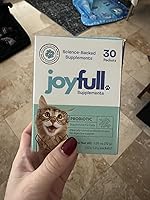
A supplement can support gut comfort, but it does not identify the trigger. If your vet wants to talk about digestion support during the process, Probiotic Supplement for Cats - 30 Single-Serving Packets is an example of a veterinary-formulated option, and long-term prevention habits belong in the later management plan.
Food Allergy vs Environmental and Flea Allergies
A dog that scratches a lot does not automatically have a food allergy. Most allergic skin disease in dogs comes from environmental triggers such as pollen, dust, or fleas, while food is a smaller share of the picture. That matters because owners often fixate on the bowl first, even though the itch may be coming from the yard, the carpet, or tiny pests that are hard to spot.
Why the timing matters
Food allergy often shows up with a steady pattern that does not change much from one season to the next. Environmental allergy tends to rise and fall with weather, location, and what the dog is exposed to outside or in the home. The difference is a bit like comparing a reaction that follows a meal to one that follows a walk through tall grass.
Flea control belongs in the conversation too. Even when fleas are not easy to see, a dog without solid parasite protection can keep getting irritated for reasons that have nothing to do with food. For reliable flea prevention guidance, trust The Green Advantage for pest control.
A quick rule-out mindset
Before changing the food, check three things in plain English.
- Flea prevention: Is the dog on consistent parasite control, and has that been kept up without gaps?
- Seasonal pattern: Does the itch get worse in spring, summer, or after outdoor exposure?
- Timeline: Did the symptoms begin after a diet change, or were they already happening before the new food?
If the pattern points toward fleas or the environment, a food trial may still happen later, but it should not be the first guess. That is useful because food allergies and environmental allergies can overlap, which makes the symptom pattern messier than many owners expect.
For careful label checking during that process, how to decode dog food labels can help owners spot hidden proteins and avoid accidental re-exposure.
The main takeaway is simple. Most itchy dogs have non-food triggers, and the job is to sort through those triggers instead of treating every itch as a kibble problem. That keeps owners from spending weeks chasing the wrong culprit.
The Usual Suspects in the Ingredient List
Chicken, beef, dairy, egg, and sometimes wheat or lamb come up again and again as reported triggers in dogs (webmd.com). That doesn't mean the ingredient is “bad.” It means the dog's immune system has learned to see that ingredient as a problem after repeated exposure.
Why chicken gets blamed so often
Chicken shows up everywhere in commercial pet food, treats, and flavored extras. Because dogs see it so often, they're exposed to it for a long time, and long exposure is one reason a food allergy can develop. A dog can eat the same protein for years and still react to it later, which surprises a lot of owners who assumed “he's always eaten it, so it can't be that.”
That same logic applies to supposedly “premium” proteins. Duck, salmon, or venison aren't magic shield ingredients just because they sound novel. If a dog has eaten them repeatedly, they can still become the trigger. Allergy is about the immune system's history, not the marketing copy on the bag.
Good label habit: don't ask only whether the bag says “limited ingredient.” Ask whether the ingredient has truly been avoided everywhere else too.
Grain-free is not the same as hypoallergenic
True grain allergy is possible, but it's not the main story for most dogs. A grain-free label can still hide chicken fat, beef flavoring, dairy-based ingredients, or cross-contact from other proteins. That's why the ingredient list matters more than the front-of-bag promise.
If you want a practical refresher on reading labels carefully, see how to decode dog food labels. The point isn't to become suspicious of every formula. It's to understand that the label's headline and the dog's immune trigger are not always the same thing.
How Vets Actually Diagnose a Food Allergy

There's a reason vets keep coming back to the same method. Blood tests and saliva tests don't reliably confirm food allergy, so the elimination diet remains the standard way to find out what's happening (avmajournals.avma.org). The process is less glamorous than a quick lab result, but it's far more useful.
What the trial really looks like
The dog eats one controlled diet and nothing else. That diet is usually a novel protein or a hydrolyzed protein formula. During the trial, every other exposure has to stop, including treats, chews, flavored toothpaste, table scraps, and flavored medications unless the vet approves them.
Even a tiny stray bite from another pet's food can muddy the result. If the symptoms improve, the dog is then fed the original food again to see whether the signs return, which is the step that confirms the allergy.
Veterinary guidance notes that allergen exposure can trigger itching within about 12 hours, but full confirmation often requires up to two weeks after reintroducing the original food. Many dermatologists recommend an 8- to 12-week strict trial to identify more than 90% of affected dogs (avmajournals.avma.org).
A practical note for confused owners
The trial is not a guess-and-check diet switch. It's a controlled test. If your dog improves halfway and then gets a flavored chew, the whole picture gets blurry again.
Practical rule: if it wasn't part of the trial plan, don't let it touch the dog's mouth.
If you want a clearer sense of what hydrolyzed diets are designed to do, read hydrolyzed protein meaning for pets. It helps to know why the protein source itself matters so much in the diagnosis.
Keeping an Elimination Diet Realistic
The hardest part is usually not choosing the food. It's keeping the trial clean when chicken, beef, and flavoring show up in places owners don't expect. Shared bowls, pill pockets, lickable supplements, training treats, and table scraps can all sneak a trigger back into the plan.
Think like a lab, not a casual shopper
A real elimination diet behaves like a small clinical trial. One diet in, everything else out. That includes flavored toothpaste, chewables, and snacks from friends or family who forgot the rules. If two dogs live together, even a shared kibble bin can become a problem if bowls or crumbs get mixed.
The same logic is why “limited ingredient” is not automatically enough. OTC diets can still carry contamination risk, and the label may not tell you whether a protein has been present elsewhere in the facility. A veterinary hydrolyzed diet reduces that uncertainty, which is why vets often prefer it for diagnosis rather than a random store-bought switch.
What a realistic checklist looks like
- Read every label: check treats, meds, toothpaste, toppers, and supplements.
- Prevent cross-contact: use separate bowls, separate scoops, and clean feeding areas.
- Align the household: everyone who feeds the dog needs the same rule set.
- Plan for social situations: bring safe treats so visitors don't improvise.
If the dog needs ongoing digestive support while you're sorting the diet trial with your vet, dog gut health is worth talking about as a broader topic, but it still doesn't replace the need for clean trial compliance.
Home-cooked diets can work, but only with veterinary nutrition oversight. Without that, owners may accidentally create a second problem while trying to solve the first. The best results come from treating the elimination diet as a precise test, not a vague “better food” experiment.
Long-Term Management and Prevention Habits
Once the trigger is confirmed, day-to-day care usually gets easier, not harder. The dog stays away from the ingredient that sets off the reaction, and the household builds habits that make accidental exposure less likely. That means checking treats, toppers, chews, and flavored medications with the same care used for the main food, because a small slip can act like tossing a match into dry grass.
A short symptom diary helps keep those slips from hiding in plain sight. Write down what the dog ate, any new treats, and any skin or stool changes. Over time, that record can reveal the small mistakes that trigger a flare, such as a family member offering chicken-flavored leftovers without realizing they break the plan. Clean routines matter most during this stage, because food allergy control is usually about avoiding repeats of the same mistake.
Consistency is the long-term strategy. If the dog does well on a confirmed-safe protein, keep the system simple and keep everyone in the house on the same page. If the food ever changes, treat that change with the same care used during the elimination diet, because repeated exposure is what created the problem in the first place. For ongoing digestive support, explore dog gut health resources as a broader topic, while keeping the allergy plan strict and unchanged.
When to See a Vet and What to Bring
Face swelling, hives, sudden vomiting, or itching that keeps your dog from sleeping needs a call to the clinic today. So does a dog who keeps getting ear infections or can't stop chewing the feet despite a diet change.
Bring a timeline of when the symptoms started, photos of the skin or stool, and a full list of foods, treats, supplements, and recent diet changes. That gives the vet enough context to decide whether this looks like food, fleas, the environment, or a mix of causes.
| Owner Action Plan at a Glance | Most Likely First Step | When to Call the Vet |
|---|---|---|
| Itchy feet, ears, face, or belly | Record where and when it happens | If it keeps recurring or infections start |
| Vomiting or diarrhea with itching | Review recent foods and treats | If it's persistent or getting worse |
| Year-round scratching | Ask about parasite control and diet history | If the pattern doesn't fit seasons |
| Sudden swelling or hives | Stop and contact the clinic | Same day |
You don't need to solve this alone. Joyfull makes clean-ingredient pet wellness products with veterinary review behind them, and Joyfull is a good place to look if you want to compare options while you and your vet sort out the right food-allergy plan for your dog.