Dog Arthritis Medicine: Effective Pain Relief Guide
You notice it in small moments first.
Your dog pauses at the bottom of the stairs. He used to hop onto the couch without thinking, and now he looks at it, then at you, then decides the floor is fine. After a nap, he stands up stiffly for a few steps, then seems to loosen up. Nothing dramatic. Just different.
That’s often how arthritis enters the picture. Not with one big crisis, but with a slow change in how a dog moves, plays, rests, and asks for help.
If that's where you are right now, take a breath. Arthritis is frustrating, but it isn't the end of your dog's comfort or joy. Modern dog arthritis medicine gives veterinarians more options than ever, and the best results usually come from a thoughtful mix of medication, movement, weight support, and home adjustments. The goal isn't to chase a miracle. It's to build a plan your dog can live well with.
Recognizing the Signs of Your Dog's Joint Pain
Milo, a senior Lab I once cared for, didn't come in because he was crying or refusing to walk. He came in because his owner said, "He's just acting old." What she meant was this: he no longer rushed to greet her at the door, he hesitated before getting into the car, and he seemed grumpy when the kids brushed against his hips.
Those are the kinds of changes owners often notice first. Arthritis pain is usually quieter than people expect. Dogs don't always limp dramatically. Many adjust their behavior.
Common early clues include:
- Stiff starts: your dog looks especially tight after resting, then improves after moving around
- Changed habits: he stops jumping on furniture, avoids stairs, or takes a different route through the house
- Less enthusiasm: walks get shorter, play ends sooner, or he lags behind
- Touch sensitivity: petting over the hips, knees, shoulders, or back causes flinching or irritability
- Subtle limping: not every step, not every day, but enough that you wonder
Sometimes owners aren't sure whether they're seeing arthritis, a paw injury, a torn nail, or something else entirely. If your dog is limping and you want a practical overview of what else can cause that change, this guide to limping dog causes is a useful starting point.
Aging does change how dogs move, but pain should never be brushed off as "just getting older." Many of the signs owners call aging are signs that deserve treatment. If you're also trying to sort out what changes are normal and what changes need attention, this article on aging signs in dogs can help you frame the conversation before your vet visit.
Dogs rarely tell you with drama. They tell you with hesitation.
The encouraging part is simple. Once you recognize the pattern, you can act on it. And that first step often makes the biggest difference.
Why Arthritis Hurts A Simple Explanation
A healthy joint works like a well-oiled door hinge. It opens smoothly, closes smoothly, and doesn’t make itself known.
An arthritic joint is more like a rusty hinge with worn padding. It still moves, but every motion takes more effort, and the parts that should glide start to grind.

What a normal joint is supposed to do
Inside a normal joint, the ends of the bones are covered with cartilage. Think of cartilage as a smooth, slippery cushion. Around that joint is a capsule containing synovial fluid, which acts like lubricant.
When all of that is working properly, movement is quiet and efficient.
When arthritis develops, that smooth system starts to break down. The cartilage becomes damaged and thinner. The joint lining gets irritated. The body responds with inflammation, which is meant to protect tissue but often makes the joint more painful and swollen.
Why pain builds over time
Owners sometimes get confused because their dog can seem fine on one walk and sore on the next. That happens because arthritis pain isn't only about structural wear. It's also about the body's pain response.
Here’s the cycle in plain language:
- Cartilage wears down
- The joint gets irritated
- Inflammation increases
- Movement becomes painful
- The dog moves less
- Muscles weaken and the joint loses support
- The joint becomes even easier to irritate
That’s why rest alone usually doesn't solve the problem. Too little movement can leave the joint stiffer and less supported.
Why different treatments work in different ways
This is also why there isn't one perfect arthritis medicine for every dog. Some drugs mainly reduce inflammation. Some mainly change how pain signals are transmitted. Some aim to support the joint environment itself.
If you lean toward lower-inflammatory habits overall, broad lifestyle ideas like reducing inflammation naturally can help you think about the bigger picture, though your dog's treatment plan still needs veterinary guidance.
Practical rule: If you understand whether a treatment targets inflammation, pain signaling, or joint support, your medication choices start to make much more sense.
Once that clicks, the medicine categories stop feeling like random names on a handout and start feeling like tools with distinct jobs.
The Main Classes of Prescription Arthritis Medicine
Most owners ask one basic question first. "What medicine will help my dog feel better?"
That’s the right question, but it helps to sharpen it. Better questions are: What is this medicine trying to do? How fast does it work? What problem does it target? What tradeoffs come with it?
Globally, the canine arthritis treatment market was valued at around USD 1.45 to 4.17 billion in 2025 to 2026, and NSAIDs hold 43 to 47.3% market share because they're effective, cost-conscious, and widely used as first-line therapy, according to Coherent Market Insights.

NSAIDs
NSAIDs stands for non-steroidal anti-inflammatory drugs. In day-to-day practice, these are often the backbone of dog arthritis medicine.
They work by reducing inflammation and pain together. That matters because arthritis pain isn't just a signal problem. The joint itself is inflamed.
Common veterinary examples include carprofen, meloxicam, grapiprant, and mavacoxib. These drugs aren't interchangeable in every dog, but they sit in the same broad decision space.
A simple way to think about NSAIDs is this. If the arthritic joint is a house fire, NSAIDs try to turn down the flames. They don't rebuild the house, but they can make the environment less damaging and less painful.
Where NSAIDs shine
- Fast practical relief: many dogs move more comfortably once inflammation is controlled
- Familiarity: veterinarians use them often and know how to monitor them
- Function: when pain drops, dogs are often more willing to walk, use stairs, and rebuild muscle
What owners need to respect
NSAIDs are useful, but they aren't casual medications. Your veterinarian may recommend bloodwork and follow-up monitoring, especially for older dogs or dogs with other health issues.
Potential concerns can include digestive upset and problems in dogs with certain kidney, liver, or gastrointestinal risks. That doesn't mean they're unsafe across the board. It means they need proper selection and supervision.
Other pain medicines
Some dogs need additional pain control beyond what an anti-inflammatory drug can do. These medications are often used when pain has a nerve-related component, when an NSAID alone isn't enough, or when a dog can't tolerate standard anti-inflammatory options.
This category can include drugs that affect how the nervous system processes pain. In plain terms, instead of calming the inflamed joint directly, they turn down the volume on pain messaging.
That distinction matters:
| Medicine class | Main job | Best thought of as |
|---|---|---|
| NSAIDs | Reduce inflammation and pain | Joint-calming medicine |
| Other pain medicines | Alter pain perception | Signal-calming medicine |
| Combination approach | Address more than one pathway | Teamwork |
These drugs can be very helpful in a multimodal plan, especially for dogs with more advanced discomfort, sleep disruption, or ongoing pain despite treatment.
Some dogs don’t need a stronger single drug. They need a smarter combination of smaller tools.
Corticosteroids
Owners often hear about steroids and wonder whether they're "stronger." They are potent anti-inflammatory drugs, but they aren't routine long-term arthritis solutions in the same way NSAIDs often are.
Steroids can be valuable in certain situations, especially for short-term control of severe inflammation when a veterinarian thinks they're appropriate. But they come with their own risk profile, and they generally aren't combined casually with NSAIDs because that can increase complications.
Think of corticosteroids as a powerful emergency lever, not usually the everyday setting.
Disease-modifying options
Some treatments don't fit neatly into the "painkiller" box. These are often described as disease-modifying osteoarthritis drugs, or DMOADs.
Their role is different. Instead of mainly lowering inflammation today, they aim to support the joint environment more directly. One well-known example is Adequan, an injectable polysulfated glycosaminoglycan.
This category appeals to many owners because it shifts the conversation from "How do I blunt pain?" to "How do I support the joint itself while I manage pain?"
That said, these medicines usually work best as part of a plan, not as a stand-alone cure.
How I help owners compare the options
When families feel overwhelmed, I simplify the discussion into four questions:
- What is the immediate goal: quick comfort, better mobility, less stiffness, or all three?
- What is the dog's medical backdrop: kidney concerns, liver disease, stomach sensitivity, or other medications?
- What form is realistic: daily pills, flavored chewables, periodic injections, or a mix?
- What can the household stick with: the best plan is the one people can carry out
A dog who hates pills may do better with an injectable option. A dog with several medical issues may need a more cautious medication pathway. A highly active dog may benefit from one combination, while a sleepy senior with frailty may need another.
Prescription choices get better when they're built around the dog in front of you, not around a list of products on the internet.
Navigating Joint Supplements and Nutraceuticals
Many smart, careful owners get stuck here.
They want something gentler. They want cleaner ingredients. They’d prefer not to jump straight to a heavy medication plan if they can avoid it. That instinct is understandable, and sometimes supplements do belong in the picture. But the supplement aisle is also full of vague promises.

The honest answer on glucosamine and chondroitin
The hardest truth here is that popular doesn't always mean proven.
As explained in TopDog Health’s discussion of arthritis questions for owners, evidence for glucosamine and chondroitin in dog arthritis is inconsistent, and some studies suggest they work best only when paired with NSAIDs rather than as a full replacement, which leaves a real evidence gap for owners seeking natural alternatives. The same source notes that a trial is generally low-risk, but vet guidance matters because context matters in early arthritis cases. You can read that overview in TopDog Health’s piece on arthritis questions dog owners ask.
That doesn't mean these products are worthless. It means you should treat them as supportive tools, not automatic stand-alone solutions.
Why one supplement may "work" and another may not
Two products can both say "joint support" on the label and be completely different in quality.
When I talk to owners who value cleaner products, I suggest looking beyond buzzwords and asking practical questions:
- What ingredients are listed: not just blend names, but specific actives
- Is the sourcing transparent: can you tell where the ingredients come from
- Is there third-party quality oversight: outside verification matters
- Does the label avoid mystery fillers: simpler labels are easier to judge
- Can your veterinarian evaluate the full formula: especially if your dog takes other medications
If you’re trying to compare options with that kind of lens, this guide to natural dog joint supplements is a helpful companion resource.
Supplements fit best in a larger plan
A supplement usually does best when paired with the basics your dog also needs. That may include weight control, measured exercise, rehab work, and prescription medicine when appropriate.
Consider this framing:
| Question | Better framing |
|---|---|
| "Can a supplement cure arthritis?" | Arthritis is managed, not cured |
| "Can a supplement replace all medicine?" | Sometimes no, sometimes partly, sometimes it supports the main plan |
| "Is trying one reasonable?" | Often yes, if your vet thinks the product and timing make sense |
For a quick visual overview of movement support strategies, this short video is useful:
A clean-ingredient mindset that helps
A clean-ingredient approach is helpful when it pushes you toward better questions, not magical thinking.
A good supplement label should make evaluation easier, not harder.
If a product asks you to trust vague language, oversized promises, or a proprietary blend you can't examine, pause. If a product gives you transparent ingredients and fits logically into your dog's veterinary plan, that's a stronger place to start.
Exploring Modern and Emerging Arthritis Treatments
Some of the biggest changes in dog arthritis medicine aren’t about making old drugs slightly better. They’re about targeting pain in a completely different way.
The clearest example is monoclonal antibody therapy.

What Librela does in plain English
Librela is the brand name for bedinvetmab. It targets nerve growth factor, often shortened to NGF. NGF is involved in amplifying pain signaling in arthritic joints.
If inflammation is the fire alarm, NGF is part of the wiring that keeps the alarm blaring. Librela works by binding to that target so the pain pathway is less active.
According to Today’s Veterinary Practice, Librela is given as a once-monthly injection, and in clinical trials up to 70% of dogs showed clinically meaningful improvement in pain scores by week 8, making it especially important for dogs that don't tolerate daily oral NSAIDs well. That summary appears in their article on canine osteoarthritis drugs and compounds.
Why owners are interested in it
Librela changes the practical side of treatment in a few ways.
- No daily pill battle: this matters for dogs that hate oral medication
- Different mechanism: it doesn't work like a classic NSAID
- Steady routine: monthly vet-administered treatment can be easier for some households
That doesn't mean it's the answer for every dog. It does mean it's a meaningful option to discuss if your dog has ongoing pain, trouble with oral meds, or a history that makes standard anti-inflammatory choices harder.
Regenerative and newer options
Owners also hear about stem cells, platelet-rich plasma, and other regenerative approaches. These are part of a growing area of veterinary medicine aimed at improving joint function or changing the joint environment more directly.
Some of these therapies are promising. Some are still uneven in availability, cost, and case selection. They may be more appropriate in specialty settings or for dogs who haven’t responded well to standard care.
A practical mindset helps here:
- Ask what the treatment targets: pain, inflammation, cartilage support, or all three
- Ask who performs it: general practice, rehab center, or specialty service
- Ask what success looks like: better stairs, longer walks, improved comfort at rest
Newer doesn’t always mean better for your specific dog. It means there may be another tool available when the usual path isn’t enough.
That is the value of modern arthritis care. Not hype. More options, chosen carefully.
How to Build Your Dog’s Personalized Care Plan
The best arthritis plan usually doesn’t start with a product. It starts with a decision framework.
Two dogs can both have arthritis and need very different treatment plans. A lean middle-aged border collie with early stiffness is not the same patient as a senior bulldog with kidney concerns, weak rear legs, and trouble swallowing pills.
Start with the medical reality
Your veterinarian is looking at more than sore joints.
They’re also weighing your dog’s age, body condition, activity level, other diseases, current medications, and how the pain shows up in daily life. If your dog has stomach sensitivity, liver concerns, kidney disease, or multiple prescriptions already on board, those details shape which dog arthritis medicine is safest.
Bring concrete observations to the appointment. "He seems off" is understandable, but this is more useful:
- Timing: stiff after rest, sore after walks, worse at night
- Tasks: struggles with stairs, slipping, rising, getting into the car
- Behavior: grumpy, clingy, less playful, restless, sleeping poorly
- Response: did rest help, did any prior medicine help, did anything make it worse
Ask your vet to build a layered plan
Arthritis care tends to work best when it’s multimodal. That means using more than one strategy so no single therapy has to do all the work.
As described by Vets Love Pets, Adequan and other PSGAG approaches are often paired with controlled exercise and weight loss, and weight loss can reduce joint stress by 20 to 30% per kilogram lost in that framework. Their article discussing arthritis management in dogs highlights why these combinations often outperform one-dimensional plans.
That matters because arthritis has more than one problem built into it:
- pain
- inflammation
- muscle loss
- joint instability
- reduced confidence with movement
A layered plan might include a prescription medication, a rehab program, a supplement your vet approves, and home changes that reduce strain.
A simple planning worksheet for your next visit
Use these questions before your appointment:
- What is my biggest goal for my dog right now? More comfortable sleep, easier walks, getting up without help, better stairs, or all of the above.
- What administration style is realistic? Daily pill, flavored chew, monthly injection, periodic injectable support, or mixed plan.
- What does my dog’s full health picture look like? Include every medication, supplement, and major diagnosis.
- How will we measure success? Pick a few real-life markers, such as willingness to jump in the car, pace on walks, or ease of rising.
Checklist for the exam room: Bring videos. A short clip of your dog rising, walking, turning, or using stairs often tells your vet more than a description alone.
Keep the plan adjustable
Arthritis care is rarely "set it and forget it."
Some dogs need a medication adjustment after a few weeks. Some improve enough with weight loss and rehab that the original plan can be simplified. Others need additional help as the disease changes.
That isn't failure. It's normal chronic-care medicine. A strong plan is one you can revisit, refine, and keep aligned with your dog’s day-to-day life.
Supportive At-Home Care and Adjunct Therapies
Medication matters. It often changes a dog’s day.
But home care determines how many painful little obstacles your dog has to face between doses.
That’s one reason non-drug care has become so important. In the U.S. companion animal osteoarthritis market, the sector is projected to reach USD 4,197.40 million by 2033, with physical therapy and other non-drug interventions playing an increasingly vital role, according to Grand View Research’s companion animal osteoarthritis market report.
Make the house easier to move through
Most arthritic dogs struggle more with slipping and recovering than owners realize.
A few changes can lower the physical effort of everyday life:
- Add traction: rugs or runners on slick floors help dogs trust their footing
- Use ramps: helpful for cars, couches, beds, and porch steps
- Choose supportive bedding: thick, stable beds cushion pressure points
- Keep essentials close: food, water, and resting spots should be easy to reach
These changes don't treat inflammation directly, but they reduce repeated strain.
Move your dog, but change how you move your dog
Owners often swing between two extremes. Too much weekend activity, or too much rest.
Neither usually works well.
Better exercise is controlled, regular, and low-impact:
- Leash walks: shorter, steadier outings are often better than one big adventure
- Swimming or underwater treadmill work: useful when available and appropriate
- Gentle consistency: daily movement helps keep joints from stiffening up
- Avoid boom-and-bust weekends: overdoing it on Saturday often creates a rough Sunday and Monday
Consider rehab and other adjunct therapies
Physical rehabilitation can be one of the most underused tools in arthritis care. It helps dogs rebuild strength, improve joint use, and move with better confidence.
Depending on your veterinary team and local resources, adjunct support may include:
- Physical therapy: guided exercises, balance work, mobility routines
- Acupuncture: some dogs seem to relax and move better with it
- Laser therapy: often used as part of a broader pain-support plan
- Massage and assisted stretching: best when taught safely by a professional
Weight control changes everything
If there’s one home-care area I’d urge owners not to underestimate, it’s weight.
Extra body weight asks sore joints to do more work every hour of the day. Even when owners feel hesitant to "put an older dog on a diet," reducing excess load often improves comfort in a very practical way.
If you're thinking more broadly about comfort strategies at home, this guide to dog pain relief can help you organize supportive changes around your vet’s treatment plan.
Home care is where arthritis management becomes real. The floor, the bed, the walk, the car ride. Those details shape your dog’s comfort every single day.
The good news is that many of the most helpful changes are simple. Not glamorous. Just effective.
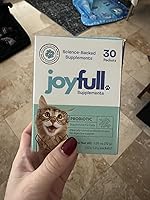
If you're trying to build a cleaner, more thoughtful wellness routine for your dog, Joyfull is worth a look. Their approach is built around convenient, no-BS pet wellness with clean ingredients and veterinary review, which fits well with the kind of informed, collaborative care plan that helps dogs with arthritis live more comfortably.