


Yes, long-haired Chihuahuas do shed, and the shedding is usually seasonal rather than constant. The surprise for most owners is that the bigger issue isn't how much hair comes off, it's how much of that dead hair stays tucked in the coat until you brush it out.
That's why the question do long hair chihuahuas shed gets answered too quickly in a lot of breed content. Long coat length can make the shedding look more dramatic, but it doesn't automatically mean a heavier shedding dog. The work is managing a fine, small coat that can hide loose hair, form tangles, and turn grooming into a more regular habit than people expect.
Table of Contents
- The Shedding Myth Behind Long Coats
- Understanding Chihuahua Coat Biology
- Long-Haired vs Short-Haired Chihuahua Shedding Patterns
- Building a Practical Grooming Routine
- Hidden Causes of Excessive Shedding
- Managing Pet Hair and Allergies at Home
- When Shedding Signals a Health Problem
The Shedding Myth Behind Long Coats
A lot of owners assume long-haired Chihuahuas must shed more than smooth-coated ones because the hair is easier to see on the couch, the floor, and black clothing. That is a visibility issue, not a coat-loss issue. Coat length changes how noticeable loose hair is, while shedding volume is driven more by coat structure, genetics, and seasonal coat replacement than by length alone, as breed references note in their discussion of long coats as a recessive trait and shedding as a coat-type issue rather than a length issue. Pet Chi Dog
What owners actually notice
Long hairs can come out in clumps, especially during seasonal coat changes, so the mess looks bigger than it really is. Short-coated Chihuahuas often shed smaller amounts more continuously, which can be easier to miss until the hair starts weaving into fabric.
Practical rule: if the hair is longer, it usually looks more dramatic, but that does not mean the dog is losing more total coat.
That difference is easy to miss because people judge shedding by what lands on the floor, not by what stays trapped in the coat. A long-haired Chihuahua can look tidy around the house right up until brushing day, then seem like a bigger shedder than a smooth-coated dog. The coat did not change, the visibility did.
The hidden burden is grooming time. Longer coats hold on to dead hair until a brush pulls it free, so the home can look cleaner while the dog carries more loose coat in its feathering, ruff, and fine body hair. That also raises the chance of tangles and small mats, which means the job is not just cleaning up shed hair, it is preventing that hair from packing into the coat.
For small-breed owners, the total amount of hair is still limited by the dog's size, even during a seasonal blowout. That is one reason the breed usually feels more manageable than heavy-shedding large dogs, even when the grooming table, your lap, or the vacuum says otherwise.
Understanding Chihuahua Coat Biology
Chihuahua coats are often described as single coats, which means they do not have the dense undercoat seen in many double-coated breeds. That matters because coat length changes how noticeable the hair is, while shedding volume depends on coat structure, genetics, and seasonal coat replacement. A dog with a lighter coat structure can still shed, but the pattern tends to be more manageable and less voluminous than in a breed with a thick insulating undercoat.
Why the hair cycle matters
Dog hair grows in phases. The growth phase keeps hair active, the transition phase slows it down, and the resting phase is when old hairs are ready to fall away as new hair pushes through. You do not need the Latin terms to understand the pattern, just the result, which is that some dogs shed a little all the time, and others shed more in bursts when the coat resets.
Long-haired Chihuahuas can show both patterns. Some shed lightly year-round, then lose more visible hair in spring and fall. That is why the breed can feel inconsistent from one household to the next. One dog may seem almost maintenance-free, while another needs regular brushing to keep dead hair from collecting in the feathering and ruff.
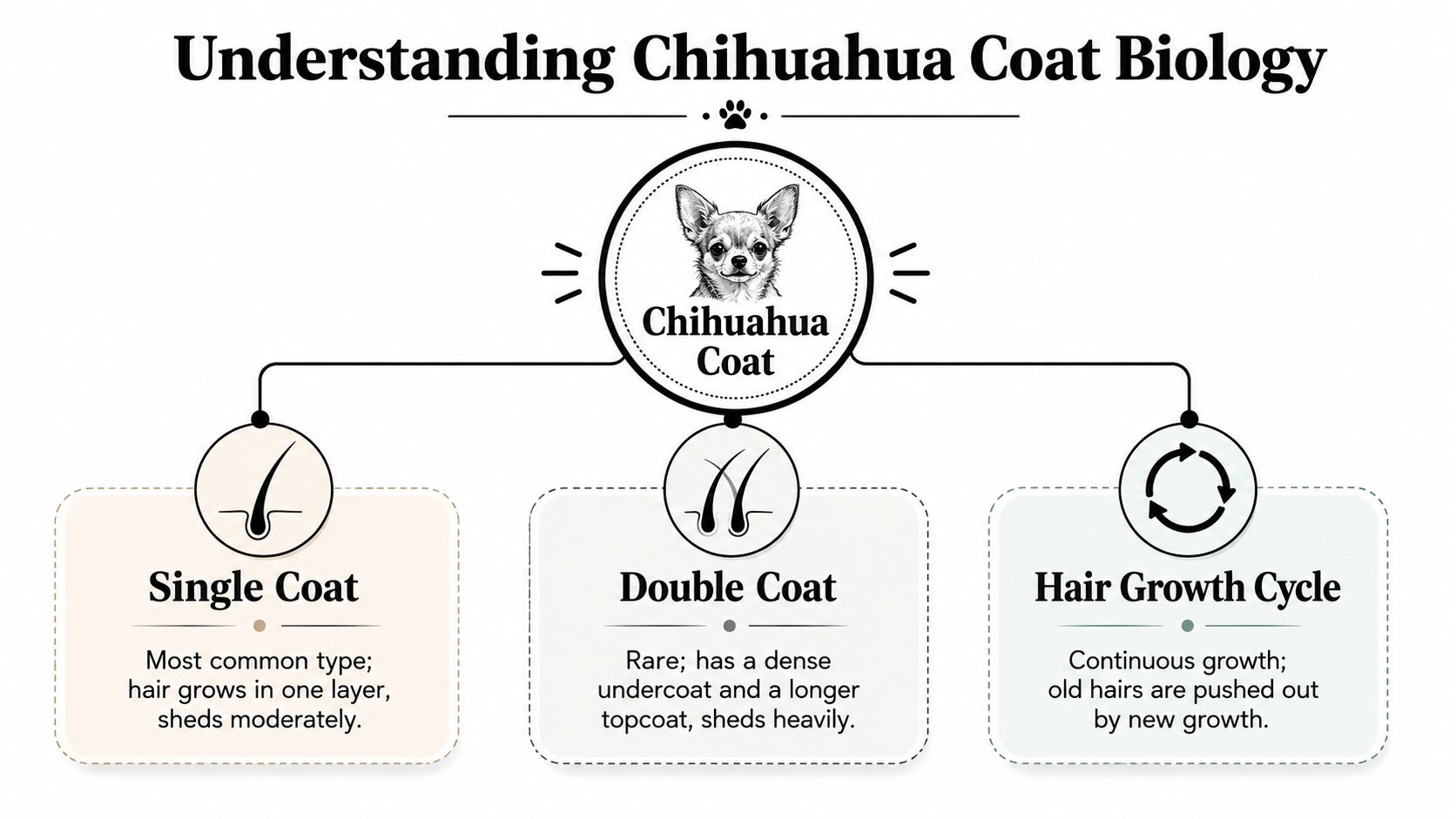
The coat structure also explains why people get conflicting advice online. Some general pet articles treat all “long-haired” dogs as if they shed the same way, but Chihuahua coats do not work that way. For example, a grooming guide from a professional salon notes that long coats and smooth coats need different routines because the breed is about maintenance, not haircuts. That is useful context even if the exact care routine differs by home and dog. Designer Paws Salon
A skin coat for dogs is a simple reminder that coat health is shaped by more than hair length. Skin condition, coat texture, and the growth cycle all affect how much loose hair stays trapped until brushing releases it.
If you compare small-pet wellness products, even a product like Probiotic Supplement for Cats - 30 Single-Serving Packets shows how much pet care today focuses on structure and routine, not just the label on the package. The same logic applies to coats, because consistency beats guesswork.
Long-Haired vs Short-Haired Chihuahua Shedding Patterns
The difference between long-haired and short-haired Chihuahuas isn't “more” versus “less” shedding. It's visibility, texture, and grooming burden. Long-haired dogs often shed in more noticeable bursts, while smooth-coated dogs shed in smaller amounts that can spread through the year and cling to upholstery in their own quiet way. Canine Journal
Long-Haired vs Short-Haired Chihuahua Shedding Comparison
| Characteristic | Long-Haired Chihuahua | Short-Haired Chihuahua |
|---|---|---|
| Shedding pattern | Usually seasonal, with heavier loss in spring and fall | Smaller amounts more continuously across the year |
| Visibility in the home | Hair is easier to see and may appear to come off in clumps | Hair is shorter and can be less obvious at first glance |
| Grooming burden | Higher brushing need because dead hair can stay trapped in the coat | Simpler coat care, but still regular upkeep is needed |
| Matting risk | Higher, especially in feathering, behind ears, and along legs | Lower, because the coat is shorter and lies flatter |
| Owner perception | Can seem like a heavier shedder because loose hair is more visible | Can seem low-shed until the hair shows up on clothes and furniture |
A smooth-coated Chihuahua is not a “no shed” dog. A long-haired Chihuahua is not automatically a worse shedder. The practical difference is that long hair can hide loose fur until brushing time, while short hair tends to leave evidence sooner on fabric and furniture.
That's why home cleanliness can feel different even when the actual coat loss is similar. A long-haired dog may leave fewer obvious stray hairs day to day, then release a lot more when brushed. A short-coated dog may sprinkle the house more evenly, so owners stop noticing the buildup until it's everywhere.
If you're deciding between coat types, the question isn't just which one sheds more. It's which pattern fits your tolerance for grooming, cleanup, and the way hair shows up in your home.
Building a Practical Grooming Routine
The easiest way to stay ahead of shedding is to stop treating brushing like a cleanup job after the fact. Long-haired Chihuahuas usually do well with regular brushing for everyday upkeep, then a little more attention during heavier shedding periods, because the longer coat can hold on to loose hair until it is removed by hand. Denver Dog grooming guide for parents
What to use and where to start
A soft slicker brush works well on the longer coat, and a metal comb helps you check whether you have reached through the top layer instead of just smoothing the surface. Start in the spots where small tangles usually form first, behind the ears, under the collar, in the armpits, around the tail feathering, and along the legs.
Never brush a dry, tangled coat aggressively. On a small dog with fine skin, short gentle strokes beat force every time.
Bathing matters too, but more is not better. Too-frequent bathing can dry the skin and leave the coat feeling rough, which adds a different kind of upkeep. Use a gentle dog shampoo, rinse it out fully, and make sure the coat is completely dry before your dog goes back to the couch or bed.
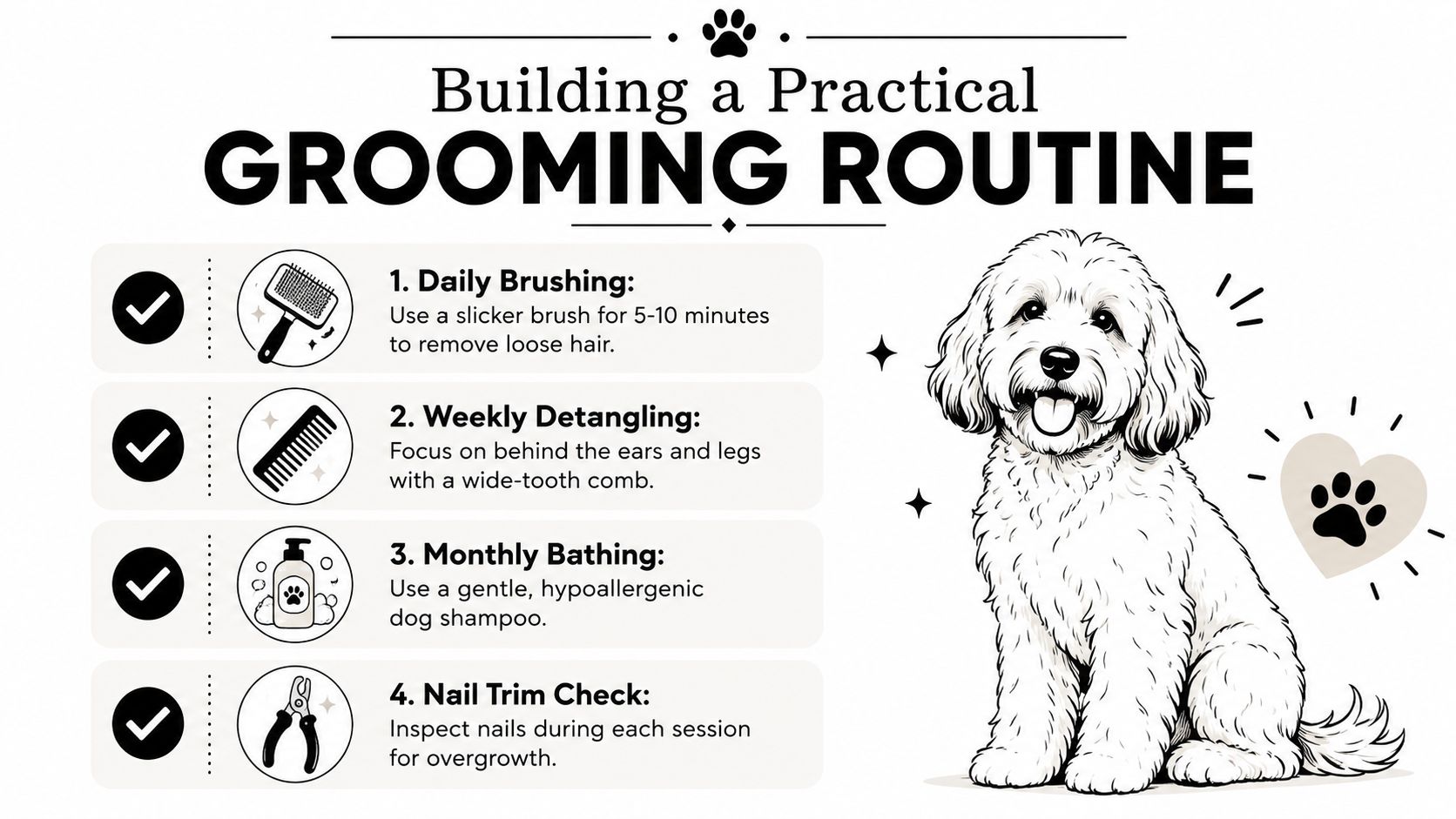
A good groomer looks at the whole small-dog package, not just the coat. A guide to Denver Dog grooming guide for parents treats grooming as part of routine care, which matches what many Chihuahua owners notice once nails, ears, skin, and coat all need attention at the same time.
For owners who want a home-care supplement approach, de-shedding tips for dogs can help you think through brushing habits and cleanup tools. The best routine is maintenance-focused rather than haircut-dependent. Five careful minutes done regularly will usually do more than one rushed grooming session after the coat has already tangled.
Hidden Causes of Excessive Shedding
Seasonal shedding explains a lot, but it does not explain everything. A long-haired Chihuahua that suddenly seems to shed more may be reacting to stress, diet, hormones, allergies, or an environmental change rather than “being a shedding breed.” Sources on Chihuahua shedding also note that some dogs shed differently from others, and females may shed more during heat cycles. NAHF
What to look at first
Start with the coat itself, then work inward. Food quality matters because hair grows from whatever the body can build, so a diet that falls short can show up in the coat before it shows up anywhere else. Stress can do the same thing. A move, a new pet, a change in schedule, or a disrupted routine may leave the coat looking less stable for a while.
Timing gives you another clue. If the extra shedding lines up with spring, fall, or a known hormonal cycle, it may fit the dog's normal pattern. If it begins suddenly outside those windows, or if the coat turns dull, brittle, or patchy, look past normal shedding and consider a deeper cause.
Owner shortcut: normal shedding changes the amount of loose hair. Health problems change the coat itself.
Diet can also point to the body's bigger picture. That is why dog gut health sometimes comes up in coat care conversations, especially for owners who want to support overall wellness instead of chasing hair alone. Digestion, nutrition, and coat quality are closely linked, so changes in the belly can show up on the back and tail, too. dog gut health
A practical way to sort through the cause is to compare the shedding pattern with the dog's behavior. If the Chihuahua is itchy, restless, losing hair in odd spots, or rubbing against furniture, brushing alone will not fix the root problem. If the coat looks fuller with loose hair during a known seasonal shed, a steady grooming routine may be enough. Long hair can hold onto dead coat until it is brushed out, so the home may look cleaner between grooming sessions while the coat gathers tangles and matting risk at the skin level.
Managing Pet Hair and Allergies at Home
One Chihuahua owner I worked with kept saying her long-haired dog “didn't really shed,” because the fur didn't pile up in obvious drifts. Then she started brushing over the laundry basket and realized the hair had just been hiding in the coat and releasing slowly onto fabrics, blankets, and couch seams. That's the hidden burden with long coats, less visible mess at first, more cleanup once the dead hair loosens.
What helps in real homes
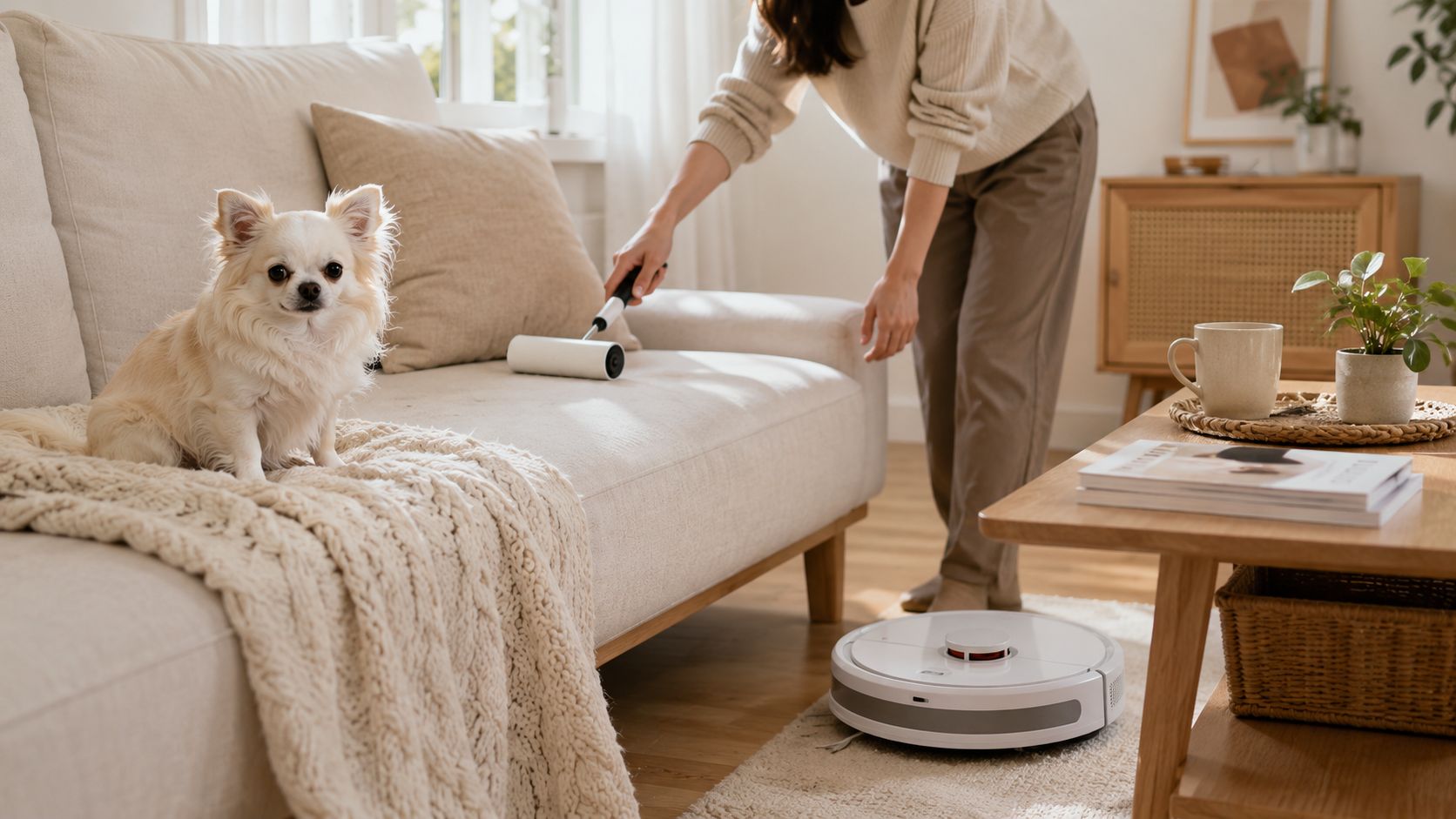
A vacuum with strong pickup on upholstery, a washable throw blanket, and a lint roller near the couch make a bigger difference than people expect. For families dealing with sensitivity, it also helps to remember that dander, not hair itself, is usually the bigger allergy issue. Regular brushing reduces the loose material that can circulate around the house.
If air quality matters in your home, resources like top air purifiers for Canadian homes can help you compare features that matter for pet owners, like filtration and room coverage. That doesn't replace grooming, but it can support a cleaner environment when a dog sheds lightly but regularly.
Small habits matter most. Brush before the dog jumps onto the bed. Shake blankets outside. Keep one grooming towel just for coat sessions. And don't wait until shedding becomes obvious on dark pants, because by then the hair has already spread.
A long-haired Chihuahua doesn't have to turn the house into a fur zone, but it does reward owners who stay ahead of the coat instead of reacting to it.
When Shedding Signals a Health Problem
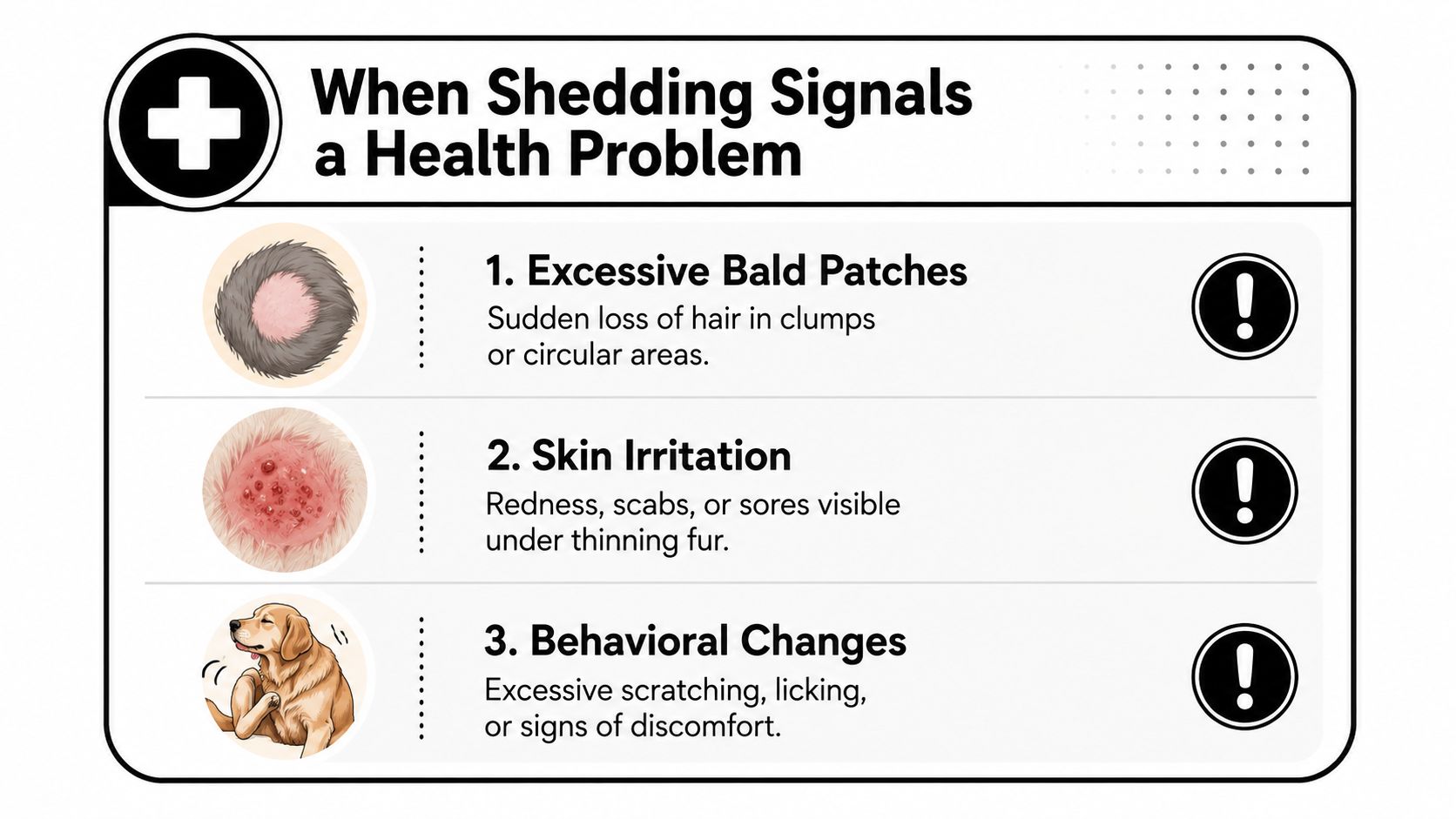
Normal shedding is predictable. Health-related hair loss often looks messy, uneven, and uncomfortable. If you see bald patches, redness, scabs, sores, excessive scratching, licking, or a sudden change in shedding outside the dog's usual pattern, that's the point to call the vet rather than assume it's just a seasonal coat issue.
Questions worth asking your vet
Ask whether the pattern looks more like a skin problem, parasites, allergies, hormonal imbalance, or a nutrition issue. In a small dog, the visible signs can appear quickly, so don't wait for the coat to “self-correct” if the skin looks irritated or the hair loss is patchy.
A vet may check the skin closely, ask about diet and lifestyle changes, and decide whether testing is needed based on what they see. If the shedding is paired with brittle hair, discomfort, or a sudden change in behavior, that combination deserves more attention than routine grooming can give.
If brushing makes the dog flinch, or if the coat keeps thinning in the same spots, stop treating it like ordinary shedding.
Owners who know their dog's normal pattern usually catch problems early. That familiarity is a strength. It means you'll notice when the coat suddenly stops behaving like itself, and that's often the first clue that something else is going on.
If you want a calmer coat routine and better day-to-day pet wellness support, explore Joyfull for clean, practical products made with real ingredients and in-house veterinary review. For small-dog owners trying to keep shedding, grooming, and comfort in balance, that kind of simple support can make the whole routine easier to live with.
0 comments