Can Dogs Have Buttermilk? 2026 Safe Feeding Guide
Yes, in moderation, many dogs can have buttermilk. But it isn’t a simple yes for every dog, because it depends on your dog’s individual lactose tolerance and the specific type of buttermilk you’re offering.
You’re probably here because you’re in the kitchen, a carton is open, and your dog has locked onto you with that hopeful stare that makes every snack feel negotiable. That moment matters more than people think. A small taste of the wrong food can mean a quiet afternoon for one dog and a night of gas, vomiting, or diarrhea for another.
When people ask me can dogs have buttermilk, my answer is practical. Some can. Some absolutely shouldn’t. Buttermilk sits in an interesting middle ground. It’s a dairy food, so it carries the usual lactose concern. At the same time, cultured buttermilk has a lower lactose content than regular milk and contains beneficial bacteria, which is why some owners think of it as a gentler, more functional treat.
That idea has merit, but it also gets oversimplified. “It has good bacteria” is not the same as “it’s the best gut health choice for your dog.” If your goal is digestive support, the details matter. If your goal is just sharing a little treat safely, the details still matter.
That Hopeful Look What to Do When Your Dog Wants Buttermilk
A common scene plays out in real kitchens every day. You’re mixing pancake batter, stirring biscuit dough, or pouring a splash of buttermilk into a bowl. Your dog hears the fridge, trots over, sits down, and watches you like this is now a joint decision.
In that moment, most owners aren’t trying to overhaul a feeding plan. They just want to know if a lick is harmless. Often, the honest answer is yes, a tiny amount may be fine for many dogs. But “may be fine” is different from “good for all dogs.”
That distinction matters even more in homes with puppies, senior dogs, sensitive stomachs, or dogs from breeding lines where nutrition gets close attention. If you’re raising puppies or trying to manage dog breeding on Creatures, it helps to think beyond a single treat and consider how any extra food fits into the bigger picture of digestion, growth, and consistency.
Dogs don’t react to foods by category alone. They react as individuals.
The safest mindset is simple. Don’t treat buttermilk like a universal health food, and don’t panic over the ingredient itself. Treat it as a possible occasional extra that has both upside and limits.
Understanding Buttermilk and Why It's Not Just 'Buttery Milk'
Hearing “buttermilk” might lead one to assume it’s rich, buttery, and automatically too heavy for dogs. This assumption isn't entirely accurate.
Modern cultured buttermilk, the kind sold in most grocery stores, is made by adding live cultures to milk. Those cultures ferment the milk, giving it the tangy smell and thicker texture people recognize from baking. In plain language, it’s closer to yogurt’s liquid cousin than to melted butter.

Cultured buttermilk versus traditional buttermilk
There are really two ideas people lump together:
- Cultured buttermilk: The refrigerated product typically purchased for pancakes, biscuits, and baking.
- Traditional buttermilk: The liquid left after churning butter. Some discussions note this version can be higher in fat because of the cream-related context.
That difference matters because not all buttermilk products behave the same way in a dog’s digestive system.
Why fermentation changes the conversation
Fermentation is the reason buttermilk keeps coming up in pet nutrition conversations. The process changes the food from plain milk into something with beneficial bacteria and less lactose than standard milk. That’s why owners who’ve already learned that regular milk can cause trouble often wonder whether buttermilk is the gentler option.
If you want a broader primer on dairy before deciding, Joyfull’s guide to milk for dogs is a useful companion read.
A good mental model is this: regular milk is just milk. Cultured buttermilk is milk that’s been altered by bacteria. That doesn’t make it automatically ideal for dogs, but it does explain why it isn’t fair to treat all dairy as exactly the same.
The Potential Health Perks of a Buttermilk Treat
A small spoonful of buttermilk can look promising if you are trying to add something “healthy” to your dog’s bowl. In some cases, that instinct is reasonable. Buttermilk can offer a few practical upsides. They are just more modest than many pet articles suggest.

What buttermilk may offer
Compared with regular milk, cultured buttermilk usually has less lactose, which may make a very small amount easier for some dogs to handle. It also contains nutrients you would expect from a fermented dairy product, including calcium, phosphorus, protein, and B vitamins.
There is also the practical side. Many dogs enjoy the tangy flavor, so a teaspoon can work well as an occasional topper or frozen lick treat for a dog that already tolerates dairy.
The potential benefits are fairly straightforward:
- Lower lactose than regular milk: That may reduce the chance of digestive upset in some dogs, though it does not remove the risk.
- Naturally occurring live cultures: Fermentation changes the food and may provide some gut support, at least in theory.
- Useful nutrients: Calcium and phosphorus contribute to bone health, and B12 supports normal nerve and blood cell function.
- Strong palatability: A tiny serving can make medication, bland food, or enrichment treats more appealing.
The probiotic angle deserves a closer look
This is the part I encourage owners to examine carefully.
“Buttermilk has probiotics” is true in a broad sense, but that statement skips the questions that matter in practice. Which strains are present? Are they alive in meaningful amounts by the time the carton reaches your refrigerator? Have they been studied in dogs at a dose that produces a measurable benefit? Most articles do not answer those questions because the evidence is thin.
That is why I classify buttermilk as a functional food, not a targeted gut-health tool. It may add some live cultures. It does not offer the precision you get from a product made for canine digestive support.
One older discussion of buttermilk use in dogs describes anecdotal breeder observations, including possible bone and hip benefits in Standard Poodles. Interesting stories can generate ideas, but they are not the same as controlled feeding data. I would not use that kind of anecdote to justify routine supplementation.
Functional food versus functional supplement
This distinction helps owners make better decisions.
A food like buttermilk can have some health value while still being inconsistent. A vet-formulated probiotic supplement is designed to deliver specific strains, a stated dose, and clearer guidance on when to use it. If your goal is to share a small treat your dog enjoys, buttermilk can fit. If your goal is to address loose stool after antibiotics, support a sensitive gut, or troubleshoot recurring digestive issues, I would choose a dog-specific product instead.
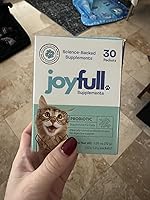
If you want help comparing those options, Joyfull’s guide to finding the best probiotics for dogs gives a more useful framework than relying on the vague “good bacteria” label alone. For a simple visual on what probiotic response can look like over time, see Healthy Gut Review on probiotic results.
So yes, buttermilk has some appeal. The main benefit is that it may be a more tolerable dairy treat than plain milk for certain dogs. The probiotic reputation is the weaker part of the case, especially when better-tested canine options are available.
The Risks and Side Effects to Consider
A dog can seem fine after a few licks of buttermilk and still pay for it later with gas, loose stool, or a restless evening. That delayed reaction is what catches many owners off guard.

Lactose tolerance is individual, not guaranteed
Fermentation lowers lactose compared with regular milk, but it does not remove it. Some dogs handle a small amount without trouble. Others develop clear digestive upset from even a modest taste.
The signs are usually gastrointestinal:
- Diarrhea
- Gas
- Vomiting
- Abdominal discomfort
- Lip licking or nausea-like behavior
- Restlessness after eating
In practice, I worry less about whether buttermilk sounds wholesome and more about whether the dog in front of me has a history of reacting badly to dairy. A food with possible functional benefits is still a poor choice if it predictably causes symptoms.
Fat content changes the risk
Owners often focus on the probiotic angle and miss the calorie and fat load. That matters, especially in dogs with a sensitive pancreas, a tendency to gain weight, or a diet plan that needs tighter control.
Some forms of buttermilk are leaner than others, but "buttermilk" on the label does not tell you enough by itself. Check the nutrition panel. If the product is richer than you expected, the downside can outweigh any small digestive perk you hoped to get from it.
Dogs that deserve extra caution include those with:
- A history of pancreatitis
- Chronic sensitive stomach issues
- Obesity or easy weight gain
- A veterinarian-recommended low-fat diet
Natural foods can still be the wrong food for an individual dog.
The first problem may be subtle
Not every dog has immediate diarrhea. Some get softer stool later that day. Some become gassy, look mildly uncomfortable, or seem less interested in food at the next meal. If you are trying to sort out whether dairy is contributing to bloating or flatulence, Joyfull's guide to what causes gas in dogs is a useful place to start.
This is also where buttermilk falls short as a functional food. If the "benefit" is inconsistent and the side effects are easy to trigger, it is not a reliable gut-support tool. For dogs with a true digestive goal, such as recovering from antibiotics or managing recurrent loose stool, a vet-formulated probiotic is usually easier to dose, easier to monitor, and less likely to create collateral problems from lactose or fat.
My advice is simple. If your dog has any history of dairy intolerance, pancreatitis, unexplained GI flare-ups, or diet-related stomach trouble, skip buttermilk. There are safer ways to support the gut.
How to Safely Offer Buttermilk A Practical Guide
Your dog catches a drop while you are cooking and now stands by the fridge asking for more. If you decide to offer buttermilk on purpose, treat it like a food trial, not a health hack.

A careful trial matters because buttermilk is often treated as a functional food without much practical proof behind that label in dogs. Fermented dairy may contain live cultures, but that does not make every carton a reliable probiotic tool. The number and type of bacteria can vary by product, and owners usually have no practical way to judge whether a serving will help, do nothing, or irritate the gut.
Who should sit this one out
Skip buttermilk entirely for dogs with a higher chance of reacting poorly or dogs whose diet needs to stay tightly controlled:
- Puppies with unsettled digestion
- Dogs with known dairy intolerance
- Dogs with prior pancreatitis
- Dogs currently dealing with vomiting, diarrhea, or appetite changes
- Dogs on a prescription diet unless your veterinarian approves it
For these dogs, the trade-off is poor. A tiny possible digestive upside is not worth triggering a setback.
A safe way to test it
Keep the first trial plain and very small.
- Start with a lick or a small spoon-tip amount. The goal is to test tolerance.
- Offer it by itself. Do not mix it into a rich meal, biscuit batter, or table scraps.
- Use plain cultured buttermilk. Avoid flavored products, sweeteners, added salt, or spice blends.
- Serve it cold or at room temperature. Heating may reduce whatever live-culture value the product has.
- Watch for delayed signs. Check stool, gas, appetite, belly comfort, and energy over the rest of the day and into the next morning.
- Stop after one exposure if you see any change. Do not keep offering more to see whether your dog "adjusts."
I prefer this approach over chasing exact serving math from the start. With buttermilk, the bigger question is tolerance, not precision dosing.
How much and how often
If your dog handles that first taste well, keep future servings small and infrequent. A teaspoon-sized amount works better as a ceiling for many dogs than a casual pour into the bowl. Large amounts create more room for lactose, fat, and calories to become the main issue.
That is also the practical limit of buttermilk as a functional food. It can be an occasional extra. It is not a dependable substitute for a veterinary probiotic supplement that lists specific strains, dose strength, and intended use.
Food labels can sound more meaningful than they are. The same label-reading mindset that helps owners compare the real differences in pasture-raised eggs also helps here. "Cultured" sounds promising, but it does not tell you whether a product is a good gut-support choice for your individual dog.
Easy ways to offer a tiny amount
| Use | Why it works | Caution |
|---|---|---|
| Small lick from a spoon | Simple tolerance check | Stop at the first digestive change |
| Light drizzle over food | May tempt a picky eater once in a while | Do not use it to cover up an ongoing appetite problem |
| Thin frozen smear on a lick mat | Slows intake and adds enrichment | Keep the portion very small |
Use buttermilk with intention. If your dog has a medical history, a sensitive stomach, or you are hoping for a real digestive benefit after antibiotics or recurrent loose stool, ask your veterinarian whether a targeted supplement makes more sense. In many cases, it does.
Healthy Alternatives for a Happy Gut
Sometimes the smartest answer to can dogs have buttermilk is “they can, but I’d still choose something else.” That’s especially true when your real goal is digestive support.
Better options when gut health is the priority
Here’s how I compare common alternatives:
- Plain kefir: Often discussed as a fermented dairy option with a strong probiotic reputation. For some owners, it feels more purpose-built than buttermilk.
- Plain unsweetened yogurt: Familiar and easy to portion, though dairy sensitivity can still be an issue.
- Goat milk: Some owners find it gentler than cow dairy, but it still isn’t a free pass for every sensitive dog.
- Veterinary-approved probiotic supplements: These are the most targeted choice when you want consistency rather than guesswork.
If your dog does poorly with dairy, skip the whole category. Gut support doesn’t have to come from fermented milk at all.
Food first, but with some limits
Ingredient-conscious owners often like to support digestion with whole foods, and that can be sensible. But “natural” foods vary a lot in digestibility, nutrient profile, and reliability. The same way food quality matters when comparing protein sources, farming methods, or freshness, it also matters when you evaluate pet extras. This explainer on the real differences in pasture-raised eggs is a good reminder that food labels can hide meaningful differences.
For many dogs, the best happy-gut plan is simpler than owners expect: stable meals, appropriate treats, and fewer random add-ins. Buttermilk can fit for some dogs. It just isn’t the only, or usually the best, route.
Frequently Asked Questions About Dogs and Buttermilk
Can dogs eat buttermilk biscuits or pancakes
A plain bite is usually less risky than a baked treat made with buttermilk. If you want to share, keep it tiny and check the full ingredient list first.
Is powdered buttermilk safe for dogs
Usually not worth using. If your goal is digestive support, powdered buttermilk is less convincing as a functional food and far less predictable than a dog-specific probiotic.
Can puppies have buttermilk
I’m cautious here. Puppies have less room for digestive upset, and even small extras can throw off a well-balanced growth diet. Ask your veterinarian before offering it.
Is buttermilk better than regular milk for dogs
Some dogs tolerate it more easily. That still does not make it a better choice than skipping dairy altogether if your dog has a sensitive stomach.
Can buttermilk help a dog’s stomach
I would not use it as a stomach remedy. For mild curiosity, a tiny taste is one thing. For vomiting, diarrhea, or repeated stomach trouble, use your veterinarian’s plan, not buttermilk.
Can I give buttermilk regularly
Regular use needs a reason, and buttermilk rarely earns that spot. If you want ongoing gut support, a product made and tested for dogs is the cleaner, more reliable option.
If you want dog wellness advice that skips the fluff and focuses on clean ingredients, practical nutrition, and products reviewed with real care, take a look at Joyfull. It’s a smart next stop for pet parents who want better options without the usual marketing noise.