By Products in Dog Food
You're standing in the pet food aisle, holding a bag that looked promising from the front. Then you flip it over.
The ingredient list starts well enough. Maybe you see chicken, rice, or salmon. Then your eyes land on a phrase that instantly raises your guard: animal by-products.
That's usually the moment the second-guessing starts. Are by products in dog food something normal and nutritious, or a red flag? Is this label describing organ meats your dog could benefit from, or a vague catch-all term that hides lower-quality ingredients? And why do some brands avoid the phrase entirely while others use it openly?
Those are fair questions. Pet food labels can make caring owners feel like they need a degree in decoding fine print. The confusion gets worse because people often talk about by-products as if they're all the same. They aren't.
The most useful way to think about this topic isn't “by-products good” or “by-products bad.” It's specific and transparent versus vague and hard to evaluate. Once you understand that difference, the label gets much easier to read.
Table of Contents
- The Aisle of Anxiety Understanding Pet Food Labels
- What Exactly Are Animal By-Products
- The Great Debate Nutritional Quality and Variability
- Debunking Common Myths About By-Products
- How to Read the Label A Pet Owner's Guide
- Choosing a Better Bowl Beyond the By-Product Debate
The Aisle of Anxiety Understanding Pet Food Labels
A client once brought two bags of dog food into an appointment and set them on the exam room floor. She pointed to one and said, “This one says no by-products, so it must be better.” Then she pointed to the other and asked, “But this one looks more complete. What am I missing?”
That moment sums up what many owners deal with. You're not trying to become a pet nutrition expert. You just want to buy food without feeling tricked by marketing or intimidated by ingredient lists.
Why this term causes so much worry
The phrase by products in dog food sounds unpleasant because it's vague in everyday language. The word “by-product” often calls to mind “leftover,” suggesting scraps with little value.
That reaction makes sense. Food labels for humans rarely ask you to make peace with unfamiliar terms. Pet food labels often do.
Practical rule: When a label creates anxiety, slow down and ask a simpler question. Is this ingredient clearly identified, or is it hiding behind a broad category name?
The goal isn't blind trust
You don't need to accept every ingredient because a package says it's fine. You also don't need to reject every ingredient with the word “by-product” in it. A better approach is to learn what the term covers, then decide how much transparency you want from the brand.
That shift changes everything. Instead of reacting to one loaded phrase, you start reading the whole label with a calmer, more critical eye.
Here's the key distinction to keep in mind as you read: named ingredients help you judge quality. Generic ingredients make that much harder.
What Exactly Are Animal By-Products
The term sounds technical, but the core idea is simple. In pet food, animal by-products are parts of an animal other than the skeletal muscle meat people usually picture first.
The official definition in plain English
According to the AAFCO explanation of by-products, animal by-products are “secondary products produced in addition to the principal product,” and they specifically exclude hair, horns, teeth, and hooves. That means the category includes nutrient-dense parts such as liver, spleen, kidneys, and heart.

That's a very different picture from the one many owners fear. The official definition does not describe random waste. It describes edible animal parts that aren't sold as the main human meat cuts.
Think of a dog's ancestral eating pattern. If a wild canid caught prey, it wouldn't trim off the organs and eat only the boneless muscle. It would consume many parts of the animal. In that sense, some by-products are less strange than the label makes them sound.
Why these parts can be valuable
Organs are often dense sources of nutrition. Liver, heart, kidney, and similar tissues supply nutrients that plain muscle meat doesn't always provide as well.
The same AAFCO resource notes that raw, unprocessed by-products are not allowed in finished feed unless they are heat-treated to eliminate microbial contamination, which helps address a common safety concern. So the discussion isn't just about what the ingredient is. It's also about how it is handled.
A useful comparison is a butcher shop versus a trash can. A butcher who uses more of the animal is reducing waste and making practical use of nutritious parts. That's much closer to what responsible by-product use is supposed to represent.
Here are examples of what that can look like on a label:
- More transparent: chicken liver, turkey heart, beef kidney
- Less transparent: meat by-products, animal by-product meal
- Somewhere in the middle: poultry by-product meal
If you've been told that avoiding all by-products is the only path to a healthier dog diet for pet owners, it helps to pause and separate emotion from definition. The term itself doesn't tell you enough. The ingredient name around it matters more.
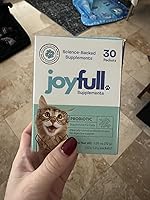
A similar principle applies outside dog food too. For example, Probiotic Supplement for Cats - 30 Single-Serving Packets is described with concrete details such as real beef bone broth, veterinarian-formulated clinically-tested probiotic strains, and third-party testing for potency and purity. Clear labeling makes evaluation easier. Pet owners deserve that same kind of clarity when they read a dog food panel.
The word “by-product” tells you the ingredient category. It does not, by itself, tell you whether the ingredient is nutritious, consistent, or easy to evaluate.
The Great Debate Nutritional Quality and Variability
The discussion becomes more interesting. Two foods can both contain by-products and still be very different in quality.
Why some by-products are nutritionally useful
Some named by-products are concentrated protein sources. According to Purina's discussion of animal by-products, poultry by-product meal can contain 60% to 70% protein by weight.
That matters because dried dog foods need concentrated ingredients that can deliver protein efficiently. On paper, that makes certain by-product meals a practical part of a formula, not automatically a compromise.

A named organ ingredient also gives you clues about what your dog is eating. “Chicken liver” is specific. “Turkey heart” is specific. Those names allow a veterinarian, nutritionist, or owner to reason through likely nutrient contributions more confidently.
Where the real concern begins
The problem is variability. The same Purina resource notes that the composition of generic meat byproducts can vary batch to batch, and studies show its organic matter digestibility averages ~75% in extruded diets. That doesn't make all generic by-products harmful. It does mean they are less predictable.
Predictability matters because dogs don't eat ingredients in isolation. They eat finished diets over time. If an ingredient category can swing in composition, consistency becomes harder to judge.
Here's a simple way to frame it:
| Label term | What you know | What you don't know |
|---|---|---|
| Chicken liver | Species and organ | Exact sourcing and processing details |
| Poultry by-product meal | General species group and ingredient class | Which tissues dominate the mix |
| Meat by-products | Very little | Species, organ makeup, and consistency |
That's why I rarely tell owners to focus on the word “by-product” alone. I tell them to focus on how much the label is willing to reveal.
- Named organs are easier to assess. You can identify the species and body part.
- Grouped but broad terms are less helpful. “Poultry” narrows things somewhat, but not completely.
- Generic terms create uncertainty. If the label won't tell you what animal or what organ, you can't meaningfully judge quality.
This is also where digestibility enters the conversation. A food can look protein-rich on the label and still vary in how reliably a dog uses that protein. The more specific the ingredient, the easier it is to make informed comparisons.
Debunking Common Myths About By-Products
Fear around by products in dog food usually comes from a few repeating myths. Let's handle them directly.
Myth one by-products are just garbage
That idea doesn't match what research and regulation show. In a peer-reviewed review on animal-derived ingredients in dog food, researcher Andrew Knight reported that 47.4% of animal-derived ingredients in U.S. dog food are suitable for human consumption.

That finding doesn't mean every by-product ingredient is premium. It does dismantle the claim that pet food is built entirely from unusable slaughterhouse refuse.
Myth two they are filler with no nutritional value
That same review found that diets containing up to 24% poultry by-products had protein digestibility comparable to higher-cost meat sources. In other words, dogs were able to use that protein effectively in controlled trials.
The Pet Nutrition Alliance, as quoted in the review, supports by-products because they are used as “excellent sources of protein and other nutrients.” That's not the language anyone would use for an empty filler.
Some by-products are better described as organ-based nutrient sources than as cheap padding.
Myth three any food with by-products is low quality
This myth survives because it contains a grain of truth wrapped in too much certainty. A vague ingredient like “meat by-products” can make me cautious. But a transparent formula that lists specific organs or clearly identified poultry by-product meal is a different situation.
Quality depends on more than one word on the bag. It depends on ingredient specificity, formulation, processing, quality control, and whether the final diet suits the individual dog.
A more accurate summary looks like this:
-
False claim: all by-products are poor quality
Better view: some are useful and nutritious, some are vague and harder to trust -
False claim: by-products have no role in healthy diets
Better view: well-formulated diets can use certain by-products effectively -
False claim: any by-product label means the brand is hiding something
Better view: the primary concern is often how specific or non-specific the label is
If a company names the source and the tissue clearly, the ingredient becomes much easier to evaluate. If it stays broad, your skepticism is reasonable.
How to Read the Label A Pet Owner's Guide
This is the practical part. When you're comparing bags or scrolling online, your job isn't to memorize every ingredient definition. Your job is to spot transparency.

Look for names not mysteries
A good label tells you what the ingredient is. A frustrating label makes you guess.
Here's how I'd rank common examples:
| Ingredient example | Transparency level | My take |
|---|---|---|
| Chicken liver | High | Easy to identify and evaluate |
| Turkey heart | High | Clear source and organ |
| Poultry by-product meal | Moderate | Better than generic, still broad |
| Meat by-product meal | Low | Too vague for confident assessment |
| Animal digest | Low | Hard to judge from label alone |
The critical issue is specificity. According to Dog Food Advisor's discussion of animal by-products, finely ground poultry carcasses as a specific by-product do not negatively affect digestibility, but the quality of generic, unidentifiable by-products is uncertain. That same discussion notes that high-quality ingredients should have a Protein Digestibility Coefficient over 80%, but vague labeling makes that impossible for a consumer to verify.
That's why “named” beats “generic” almost every time.
A quick label checklist
When you read the ingredient panel, ask these questions:
- Is the animal named? Chicken, turkey, beef, and salmon tell you more than “meat” or “animal.”
- Is the tissue named? Liver, heart, and kidney are more informative than a catch-all category.
- Are several top ingredients clearly identified? Transparent formulas make that obvious.
- Would I be able to explain this ingredient list to my veterinarian without guessing? If not, the label may be too vague.
If you want extra practice with this skill, a general guide to understanding nutrition labels can sharpen your eye for specificity, ingredient order, and wording tricks. For a pet-focused version, Joyfull also has a helpful article on understanding dog food labels.
Here's a visual walkthrough that can help as you compare ingredient panels:
What to do when the label stays vague
Sometimes the easiest answer is the right one. If the label won't tell you enough, move on.
You don't need to prove a food is bad before deciding not to buy it. If one brand says “chicken liver” and another says “meat by-products,” the first brand has given you more usable information.
Choose the label that lets you know what's in the bowl without needing a detective board and red string.
That doesn't mean every vague formula is unsafe. It means vague labels ask for more trust than many owners are comfortable giving. That's a reasonable line to draw.
Choosing a Better Bowl Beyond the By-Product Debate
The cleanest takeaway is this: the biggest issue with by products in dog food isn't the category itself. It's how clearly the label identifies what's present.
Clarity is the real standard
A named ingredient gives you something to evaluate. A generic ingredient gives you a question mark.
That's why many thoughtful pet owners stop arguing about whether all by-products are good or bad and start asking better questions. What species is it from? What tissue is it? Does the company write labels in plain language, or hide behind broad terms?
Those questions lead to better decisions than any blanket rule.
Why some pet owners want simpler labels
Some owners are comfortable with clearly identified organ ingredients. Others would rather avoid by-product terminology entirely and choose formulas built around straightforward, named ingredients from top to bottom. Both approaches can be reasonable if they're grounded in transparency.
That preference for clarity is part of the thinking behind Joyfull pet wellness through diet. The philosophy is simple: use clean, named ingredients that a person can recognize without decoding vague category terms.
For many families, that's what reduces the stress. Not clever marketing. Not fear-based claims. Just a label that answers the obvious question: What, exactly, am I feeding my dog?
If you want pet products built around straightforward ingredient choices and a no-BS approach to wellness, take a look at Joyfull.