The 7 Best Vegetables for Cats: A Vet-Approved Guide for 2026
Cats are obligate carnivores, meaning their diets must consist primarily of meat to thrive. So, the idea of feeding them vegetables might seem counterintuitive. While veggies should never replace their core protein-based meals, certain plants can offer surprising health benefits when prepared correctly and given in moderation. Think of them not as a meal, but as a purposeful, health-boosting treat.
From providing essential fiber for digestive regularity to delivering a boost of vitamins and hydration, incorporating the right greens can be a powerful supplement to your cat's wellness routine. This guide cuts through the confusion, offering a clear, vet-backed look at the best vegetables for cats and how to serve them safely. We'll explore exactly which options are beneficial and how to prepare them to maximize their nutritional value.
It's also crucial to understand what to avoid. While many vegetables can be beneficial in moderation, it's equally important to be aware of certain vegetables to avoid for cats, like garlic, which is highly toxic to them. This article provides a definitive list of safe options, ensuring you can confidently add a touch of plant-based goodness to your feline's diet.
1. Cooked Pumpkin
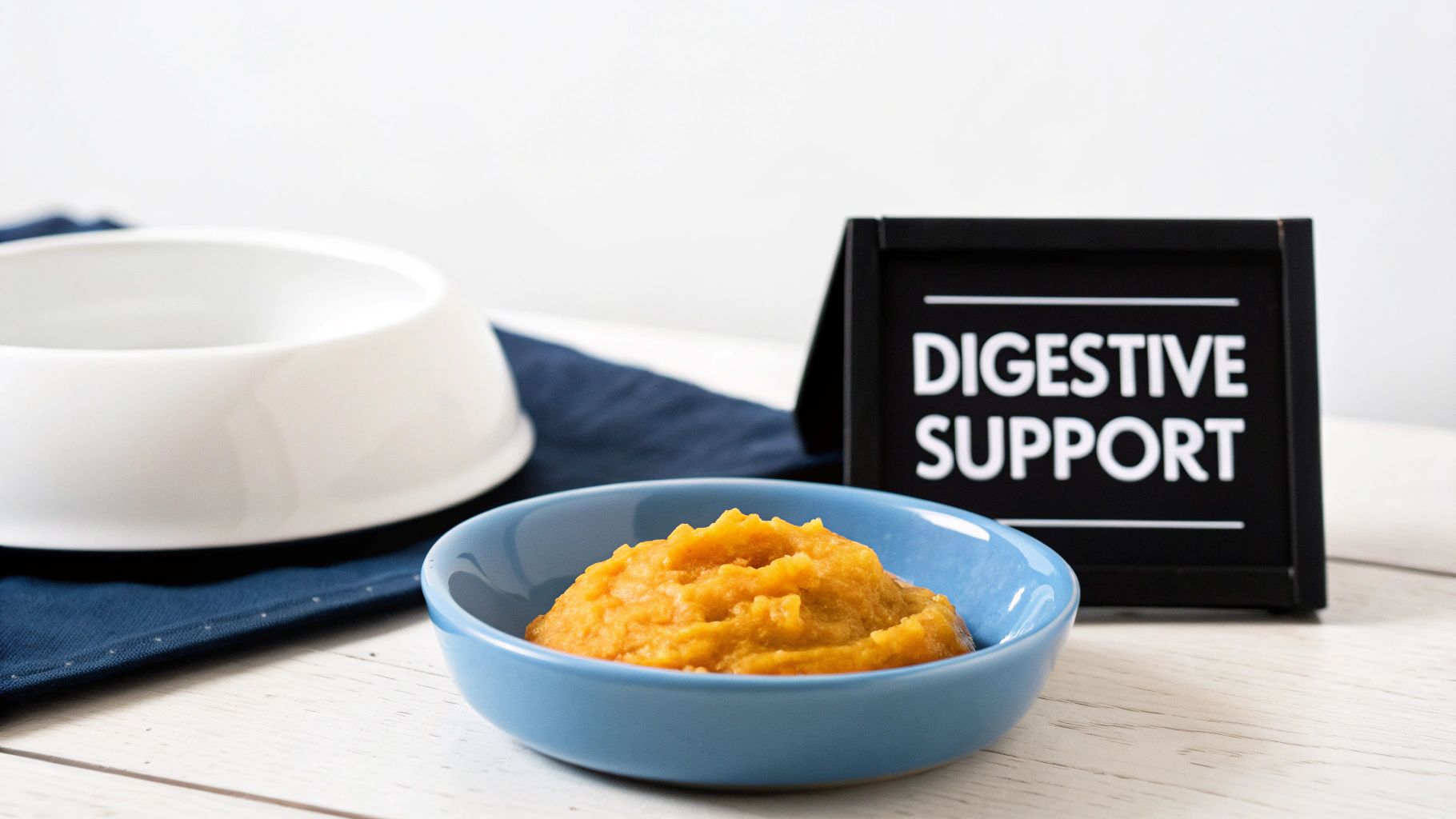
When it comes to the best vegetables for cats, cooked pumpkin is a true superstar, often recommended by veterinarians for its powerful digestive support. Its high soluble fiber content works wonders for regulating a cat's bowel movements, making it an effective remedy for both constipation and mild diarrhea. The fiber absorbs excess water in the digestive tract to firm up loose stools and adds bulk to help pass hard stools more easily.
Additionally, pumpkin is rich in moisture, which helps keep your cat hydrated. This simple vegetable is packed with essential nutrients like Vitamin A, C, and E, as well as minerals such as potassium and iron, all while being gentle on the feline stomach.
Why It Works So Well
Pumpkin's effectiveness lies in its dual-action fiber. For cats with sensitive stomachs or those experiencing occasional digestive upset, a small amount of pumpkin can restore balance without harsh ingredients. This is why many animal rescue organizations incorporate it into recovery diets for shelter cats, helping them adjust to new food and environments. Similarly, if your feline friend struggles with occasional hairballs, the fiber in pumpkin can help them pass through the digestive system more smoothly.
How to Serve Pumpkin Safely
Proper preparation is key to unlocking pumpkin's benefits. Always use 100% plain, cooked pumpkin puree, not pumpkin pie filling, which contains sugar, spices, and other additives that are harmful to cats.
- Serving Size: Start small with just half a teaspoon mixed into their regular wet or dry food. You can gradually increase the amount to one full teaspoon per 10 pounds of body weight, once or twice daily.
- Preparation: You can use canned pumpkin for convenience or prepare it fresh by roasting and pureeing it yourself. If you're interested in providing fresh ingredients for your cat, understanding the best five pumpkin varieties to grow can be a great first step.
- Storage: Store any leftover pumpkin in an airtight container in the refrigerator for up to five days. You can also freeze small portions in an ice cube tray for longer-lasting, single-serving treats.
While pumpkin is a fantastic supplement, it's not a complete meal. For cats with chronic digestive issues, it’s also important to explore the best cat food for digestion to ensure their core nutritional needs are met. Always consult your vet before adding new foods to your cat's diet, especially if they have pre-existing conditions like diabetes or kidney disease.
2. Steamed Carrots
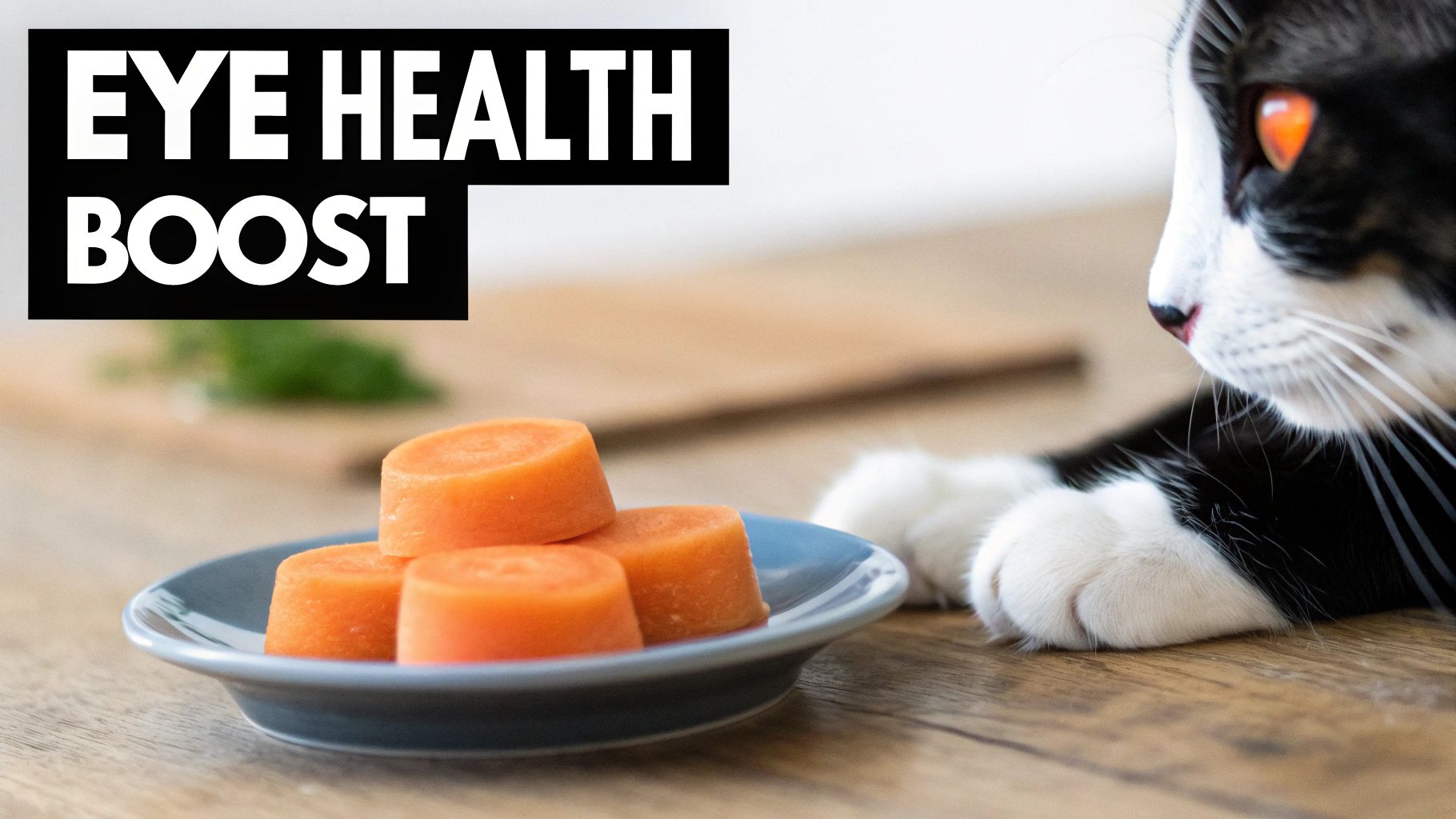
Often overlooked in feline nutrition, steamed carrots are a nutrient-dense, low-calorie treat that can be a healthy addition to your cat’s diet. Rich in beta-carotene, which the body converts to Vitamin A, carrots support good vision, immune function, and skin health. They also provide a gentle source of fiber to aid in digestion and a satisfyingly soft, chewy texture that many cats find appealing.
As obligate carnivores, cats get most of their essential nutrients from meat, but incorporating small amounts of safe vegetables like carrots can offer supplemental benefits. Their natural sweetness and vibrant color can also entice picky eaters, making them a versatile choice for pet owners looking to add a bit of variety.
Why It Works So Well
Steamed carrots are excellent because they are easily digestible and safe. The steaming process breaks down the tough cellular walls, making the nutrients more accessible and the vegetable soft enough to prevent any choking hazards. This makes them one of the best vegetables for cats, particularly for those needing low-calorie options. For example, steamed carrot pieces can serve as a healthy treat for senior cats or those in a weight management program, helping them feel full without adding excess calories.
Additionally, the slightly firm texture of well-steamed carrots can provide a mild dental benefit by gently scraping plaque as the cat chews. This makes them a dual-purpose snack that supports both nutritional and dental wellness.
How to Serve Carrots Safely
Proper preparation is non-negotiable when offering carrots to your cat. Raw carrots are a serious choking risk and are too hard for cats to digest properly. Always cook them until they are tender.
- Serving Size: Start with a very small amount, such as a quarter of a teaspoon, mixed into their food. You can gradually increase to one teaspoon for a 10-pound cat, served as an occasional treat.
- Preparation: Wash and peel the carrots, then steam or boil them until they are soft enough to be easily pierced with a fork. Chop them into tiny, bite-sized pieces that are smaller than a piece of kibble.
- Storage: You can store leftover steamed carrots in an airtight container in the refrigerator for up to three days. Ensure they have cooled completely before serving.
Remember that carrots should be a treat, not a meal replacement. Too much can lead to an excess of Vitamin A or cause digestive upset. Always consult your veterinarian before introducing new foods into your cat's diet, especially if they have underlying health conditions.
3. Cooked Green Beans
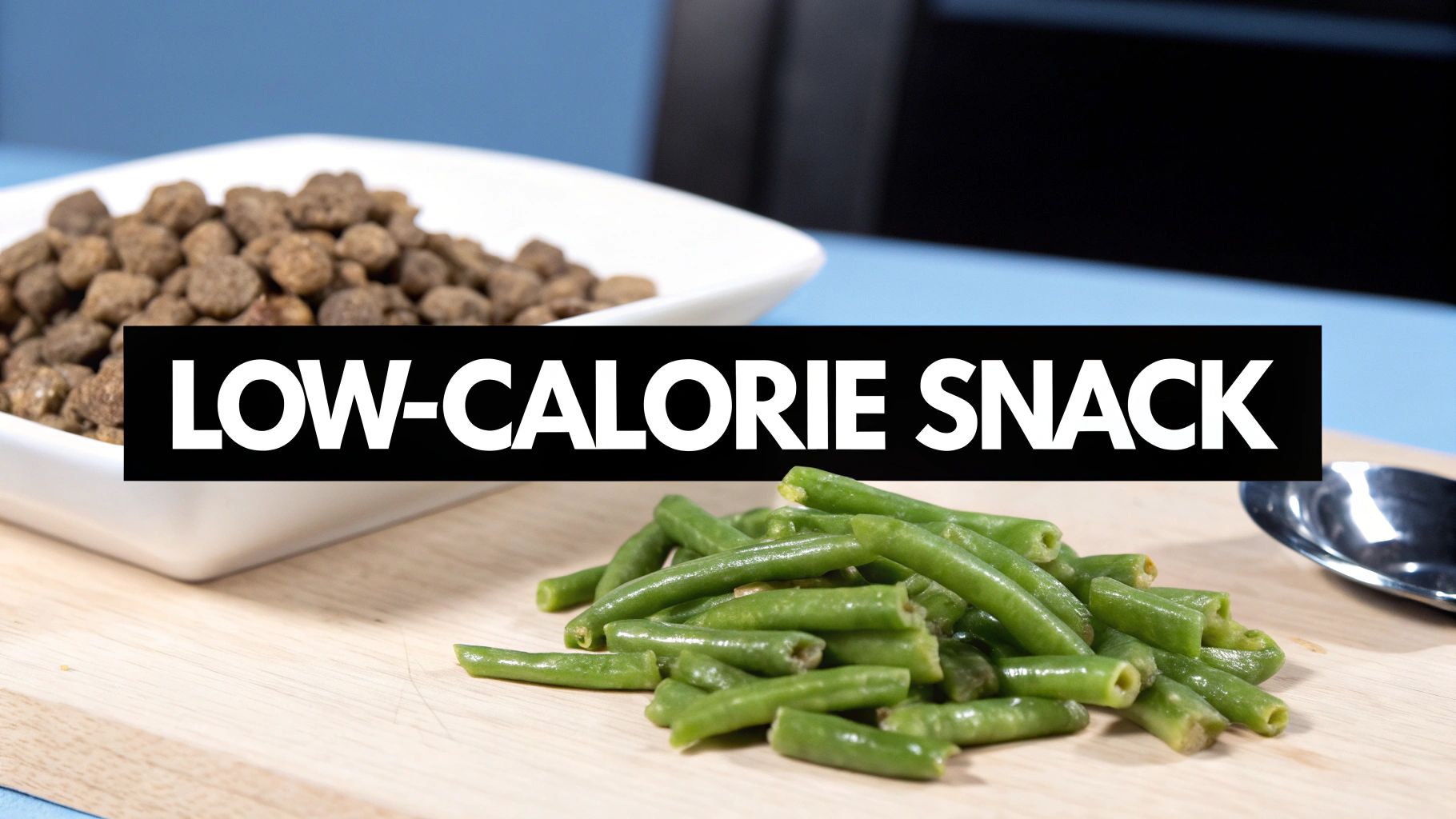
For cat owners seeking a low-calorie, hydrating treat, cooked green beans are an excellent choice. This simple vegetable is a safe and crunchy snack that many felines enjoy. Rich in fiber, green beans can aid in digestion and add satisfying bulk to meals, which is especially beneficial for cats on a weight management plan.
Because of their high water and low caloric content, green beans allow you to increase the volume of your cat's meal without adding extra calories. They also provide a good source of vitamins K and C, as well as plant-based protein and iron, making them one of the best vegetables for cats needing a nutritious, low-impact supplement.
Why It Works So Well
The primary advantage of green beans is their ability to promote satiety, helping overweight cats feel full while consuming fewer calories. Veterinarians often recommend them as a meal "filler" to support healthy weight loss. For households with both cats and dogs, green beans are a safe snack to share, simplifying treat time for multi-pet families. Their gentle fiber content also makes them suitable for cats recovering from surgery who may need easily digestible foods.
How to Serve Green Beans Safely
Proper preparation is crucial to ensure green beans are safe and digestible for your cat. Always serve them plain and cooked, without any salt, seasonings, or oils.
- Serving Size: Offer one or two small, chopped pieces (about 1/4 inch long) as a treat. If mixing into food for weight management, start with a teaspoon and consult your vet for guidance.
- Preparation: Steam or boil fresh or frozen green beans until they are tender. Avoid canned green beans unless they are the "no salt added" variety, and be sure to rinse them thoroughly to remove excess sodium.
- Safety: Always chop green beans into small, bite-sized pieces to prevent a choking hazard. Never serve them with onions or garlic, which are toxic to cats.
While green beans are a great supplement, they don't replace the need for a balanced diet. To explore more vet-approved snack options, you can find a variety of healthy treats for cats that complement their nutritional needs. As with any dietary change, speak with your veterinarian before introducing green beans to ensure they are appropriate for your cat's specific health profile.
4. Cooked Broccoli
Cooked broccoli is a nutrient-dense cruciferous vegetable that can be a healthy addition to a cat's diet when offered in small, controlled amounts. It is packed with beneficial antioxidants, like sulforaphane, which support cellular health and immune function. As one of the best vegetables for cats seeking a nutritional boost, it offers a good source of fiber, vitamin C, and vitamin K.
This green veggie provides a satisfying crunch and a boost of phytonutrients that are not typically found in a carnivore's diet. While not an essential part of their meals, it can serve as a low-calorie, hydrating treat that supports overall wellness, especially for felines who show curiosity in plant-based foods.
Why It Works So Well
Broccoli's value lies in its high concentration of antioxidants and anti-inflammatory compounds. For senior cats, these properties can help combat oxidative stress, while the fiber content aids in maintaining digestive regularity. Many wellness-focused pet owners incorporate tiny amounts of steamed broccoli into their cat's diet as a preventative measure to bolster their immune system. Its high water content also contributes to a cat's daily hydration needs, which is particularly beneficial for felines who don't drink enough water on their own.
How to Serve Broccoli Safely
Proper preparation is non-negotiable to ensure broccoli is safe and digestible for your cat. Never serve it raw, as it can be difficult to digest and may cause gastrointestinal upset.
- Serving Size: A very small amount is sufficient. Start with just one or two tiny, pea-sized pieces to see how your cat tolerates it. It should be an occasional treat, not a daily staple.
- Preparation: Always steam or boil plain broccoli until it is very tender, with no added salt, oil, or seasonings. Focus on using only the soft floret portions and discard the tough, fibrous stalks, which can be a choking hazard.
- Serving Method: Chop the cooked florets into minuscule pieces and mix them into your cat's regular wet food. This makes it easier to eat and prevents them from gobbling up a large piece.
Broccoli should only be a supplemental treat and never replace a nutritionally complete meal. It’s a great way to add variety, but always consult your veterinarian before introducing new foods, especially if your cat has a history of digestive sensitivity or other health conditions.
5. Cooked Asparagus
While less common than pumpkin, cooked asparagus is a nutrient-dense vegetable that cats can safely enjoy as an occasional treat. This slender green stalk provides a healthy dose of vitamins A, C, E, and K, as well as essential minerals like folate and potassium. Notably, asparagus is a source of glutathione, a powerful antioxidant that supports cellular health and liver detoxification processes.
When prepared correctly, this vegetable offers a unique and beneficial addition to a cat's diet. Its antioxidant properties can be particularly helpful for senior cats or those needing extra support for their immune system and overall wellness. The gentle fiber content can also contribute to healthy digestion without being overly harsh on a cat’s stomach.
Why It Works So Well
The main appeal of cooked asparagus lies in its rich profile of vitamins and antioxidants that support vital bodily functions. For instance, Vitamin K is crucial for blood clotting, while the antioxidants help combat oxidative stress on a cellular level. This makes it a great choice for pet owners interested in holistic wellness and providing a varied, nutrient-rich diet. The supplemental nutrition from asparagus can be beneficial for cats in post-treatment wellness programs or as part of a proactive health regimen.
How to Serve Asparagus Safely
Raw asparagus is too tough for cats to digest and can pose a choking hazard. Proper cooking and preparation are non-negotiable to make this one of the best vegetables for cats.
- Serving Size: Start with a very small amount, such as a quarter of a teaspoon of finely chopped pieces, mixed into their food to see how they tolerate it.
- Preparation: Always serve asparagus cooked and unseasoned. Steam or boil the green spears for 10-12 minutes until they are very tender. Be sure to remove and discard the tough, woody white base of the stalk.
- Serving Method: After cooking, let the asparagus cool completely. Cut the soft green portions into tiny, bite-sized pieces (about 1/4-inch) to prevent choking and make it easy for your cat to eat.
Never feed your cat the fern-like leaves of the asparagus plant, as they are toxic. Stick to the cooked stalk only. Always consult your veterinarian before introducing new foods like asparagus, especially if your cat has a history of urinary or kidney issues, as it can sometimes affect urine pH.
6. Boiled Zucchini
Boiled zucchini is one of the mildest and safest vegetables for cats, offering significant hydration benefits with minimal risk of digestive upset. Its impressive water content, around 95%, makes it an excellent tool for increasing a cat's overall fluid intake. This is particularly beneficial for cats prone to dehydration or urinary tract issues, as proper hydration is key to flushing their system.
The neutral flavor and soft, mashable texture of boiled zucchini also make it highly acceptable to even the most finicky felines. Unlike more pungent vegetables, its gentle taste rarely offends a cat's sensitive palate, making it a simple yet effective addition to their diet.
Why It Works So Well
Zucchini's value lies in its simplicity and high water content. For cats recovering from surgery or those with dental problems, its soft consistency is easy to eat without causing discomfort. Senior cats with chewing difficulties can also benefit greatly from this gentle vegetable. Vets may recommend it as part of a diet for cats with conditions like interstitial cystitis, where increasing water consumption is a primary goal. Its low-calorie nature means it adds moisture and a small amount of fiber without contributing to weight gain.
How to Serve Zucchini Safely
Proper preparation is essential to ensure zucchini is both safe and appealing for your cat. Never serve it raw, as it can be difficult for them to digest.
- Serving Size: A small amount is all that’s needed. Start with about one teaspoon of finely chopped or mashed boiled zucchini mixed into their food.
- Preparation: Wash the zucchini thoroughly and cut it into 1-2 inch chunks. Boil for 8-10 minutes until it is very soft and easily pierced with a fork. There's no need to add salt or oil.
- Serving: Cut the cooked pieces into a size appropriate for your cat's mouth or mash it into a puree. Always ensure it has cooled completely to room temperature before serving. You can mix it directly into their wet or dry food to boost hydration.
Boiled zucchini can be a great, simple ingredient to incorporate into your cat’s meals. For those interested in expanding their culinary skills for their feline, exploring various homemade cat treat recipes can provide more fun and healthy options. As always, introduce any new food slowly and consult your veterinarian before making changes to your cat's diet.
7. Steamed Spinach (Limited Quantities)
Steamed spinach is a leafy green that can be offered to cats as an occasional nutritional supplement, but only in very small, controlled quantities. When prepared correctly, it provides a valuable boost of vitamins A, C, and K, along with minerals like iron and calcium. These nutrients support immune function, vision health, and strong bones.
However, spinach contains calcium oxalates, which can contribute to the formation of urinary tract crystals and stones, particularly in susceptible cats. For this reason, it is a vegetable that must be given with caution and is not suitable for all felines. It should be considered a very occasional treat for healthy adult cats without any history of urinary or kidney problems.
Why It Works So Well
For a healthy adult cat, a tiny amount of spinach can add beneficial antioxidants and vitamins to their diet. The iron content supports healthy red blood cells, while Vitamin K plays a role in blood clotting. Its high water content also contributes a small amount to your cat's overall hydration. Think of it as a supplemental green for a wellness boost, not a dietary staple. Healthy cats in preventative wellness programs may benefit from the occasional antioxidant properties of this vegetable.
How to Serve Spinach Safely
Proper preparation and strict portion control are non-negotiable when offering spinach. Never serve raw spinach, as cooking helps reduce the oxalic acid content. It is absolutely crucial to avoid giving spinach to cats with a history of kidney disease, urinary crystals, or thyroid conditions.
- Serving Size: Start with a minuscule amount, just 1/8 of a teaspoon, mixed into their food. Do not offer it more than once or twice a month at most.
- Preparation: Thoroughly wash fresh spinach leaves and steam them for 3-5 minutes until they are fully wilted. Let them cool completely, then chop the leaves into very fine pieces to prevent any choking hazard and make them easy to digest.
- Contraindications: Always consult your veterinarian before introducing spinach, especially if your cat has any pre-existing health issues. This is one of the vegetables for cats where professional guidance is paramount due to the potential risks associated with its oxalate content.
Top 7 Vegetables for Cats: Comparison
| Item | 🔄 Preparation complexity | ⚡ Resource requirements | 📊 Expected outcomes | 💡 Ideal use cases | ⭐ Key advantages |
|---|---|---|---|---|---|
| Cooked Pumpkin | 🔄 Low — plain canned or roast & puree; no seasoning | ⚡ Low — canned or fresh; minimal prep; refrigerate up to 5 days | 📊 Regulates digestion; relieves constipation/diarrhea; moderate calories | 💡 Digestive support, constipation/diarrhea, recovery diets | ⭐ Vet‑recommended; high soluble fiber; hydrating; low calorie |
| Steamed Carrots | 🔄 Medium — steam 10–15 min; cut into bite‑size pieces | ⚡ Low — fresh carrots and steamer; store ~3 days | 📊 Eye health (beta‑carotene), dental cleaning, fiber; watch sugar | 💡 Low‑calorie treats, weight programs, senior cats | ⭐ Beta‑carotene antioxidant; crunchy for teeth; fiber for satiety |
| Cooked Green Beans | 🔄 Low — boil/steam 5–10 min; chop small; unsalted | ⚡ Low — fresh or frozen year‑round; minimal prep | 📊 Very low calories; increases meal volume and satiety; gentle digestion | 💡 Weight management, post‑surgical fiber, low‑calorie filler | ⭐ Very low calorie; high water content; safe filler to reduce calories |
| Cooked Broccoli | 🔄 Medium — steam 8–10 min until very tender; chop finely | ⚡ Low–Medium — fresh broccoli; some chopping prep | 📊 Antioxidant and immune support (sulforaphane); possible digestive upset if overfed | 💡 Preventative wellness, senior antioxidant support (small amounts) | ⭐ High antioxidant profile; vitamins C & K; fiber |
| Cooked Asparagus | 🔄 Medium — trim woody bases, steam 10–12 min, chop small | ⚡ Low–Medium — fresh asparagus; more trimming required | 📊 Supports liver/detox pathways; diuretic effect—monitor intake | 💡 Liver support or post‑treatment wellness under supervision | ⭐ Rich in glutathione and vitamins A/C/E/K |
| Boiled Zucchini | 🔄 Low — boil 8–10 min until very soft; chop to size | ⚡ Very low — minimal prep; widely available | 📊 Excellent hydration boost; negligible calories; gentle on digestion | 💡 Hydration support, urinary health, seniors or dental issues | ⭐ Extremely high water content; very low calories; easy to digest |
| Steamed Spinach (Limited) | 🔄 Medium — steam 3–5 min until wilted; chop very fine | ⚡ Low — fresh spinach but use sparingly; vet consult recommended | 📊 High nutrient density (iron, calcium, vitamins) but oxalates risk; not for kidney/urinary issues | 💡 Occasional antioxidant/nutrient boost for healthy adults only | ⭐ Dense in iron and vitamins A/C/K; powerful antioxidants when used in tiny amounts |
A JoyFull Approach to Feline Nutrition
Navigating the world of feline nutrition can feel complex, but incorporating the best vegetables for cats into their diet is a straightforward way to enhance their well-being. As we've explored, vegetables are not a dietary necessity for our carnivorous companions, but when chosen and prepared correctly, they can serve as excellent, low-calorie treats that offer supplemental hydration and valuable micronutrients.
The key to success lies in remembering that cats are obligate carnivores. Their primary nutritional needs must always be met by a high-quality, meat-based diet. Vegetables like cooked pumpkin, steamed carrots, and boiled green beans should be viewed as healthful supplements or occasional treats, never as a meal replacement. The "10% rule" is your most important guideline: treats, including vegetables, should never make up more than 10% of your cat's total daily caloric intake to prevent nutritional imbalances.
Key Takeaways for Safe Veggie Snacking
To ensure you're offering these plant-based snacks safely and effectively, let's recap the most critical principles:
- Preparation is Paramount: Always cook vegetables thoroughly by steaming or boiling. Never serve them raw, as this can cause digestive upset. Crucially, all vegetables must be served plain, without any salt, butter, oil, or seasonings that could be harmful to your cat.
- Size Matters: To prevent choking hazards and aid digestion, always chop vegetables into small, bite-sized pieces appropriate for your cat's size. For smoother textures, like pumpkin or zucchini, mashing them into a puree is an excellent option.
- Moderation is Mandatory: A teaspoon or two is often a sufficient serving size. Overfeeding vegetables can lead to gastrointestinal issues like diarrhea or interfere with the absorption of essential nutrients from their primary diet.
- Veterinarian First: Before introducing any new food, including the vegetables on this list, a conversation with your veterinarian is non-negotiable. They can provide personalized advice based on your cat's specific health profile, age, and dietary needs.
By following these guidelines, you transform a simple vegetable from a potential risk into a purposeful, health-boosting treat. You're not just adding variety to their snack time; you are actively contributing to their hydration, digestive health, and overall vitality. Mastering this balanced approach demonstrates a deep commitment to providing a truly holistic and joyful life for your feline friend, proving that even the smallest additions to their bowl can have a significant and positive impact.
At Joyfull, we believe that premium nutrition is the foundation of a happy pet. If you're looking for a perfectly balanced, meat-first diet that takes the guesswork out of feeding, explore our range of clean-ingredient cat foods at Joyfull to complement your cat's healthy lifestyle.