Best Food For Dogs With IBD: Effective Diet Strategies
You're probably here because feeding your dog has stopped feeling simple.
Maybe you've scrubbed the carpet before breakfast, carried a stool sample into the vet with one hand and your coffee with the other, and stood in the pet food aisle reading labels that all promise “gentle digestion” while none of them tell you what to do next. Maybe one food seemed to help for a few days, then the vomiting or diarrhea came back. That cycle can make any owner feel helpless.
IBD changes the way you think about food. It's no longer just fuel or a flavor preference. It becomes part of a medical plan. The good news is that there usually isn't one magical ingredient you were supposed to guess. The best food for dogs with ibd is often the result of a careful process, done with your vet, to find what your dog's gut can handle consistently.
Table of Contents
- The Frustrating Search for the Right IBD Dog Food
- First Understand What Canine IBD Actually Is
- The Core Goals of an IBD Diet Plan
- Exploring the Main Therapeutic Diet Categories
- Should You Consider a Homemade Diet for IBD
- Helpful Supplements and Adjunctive Care
- How to Transition Foods and Track Your Dog's Progress
- Frequently Asked Questions About IBD Diets
The Frustrating Search for the Right IBD Dog Food
A lot of owners start in the same place. Their dog has loose stools on one food, seems better on chicken and rice, then flares again. They try a “sensitive stomach” formula, then a limited ingredient bag, then maybe a topper because the dog seems tired of eating. Every change is made with love, but the results feel random.
That's one reason IBD is so frustrating. The symptoms can look like ordinary digestive upset, but the pattern is different. It keeps returning. Your dog may have good days that make you think you've solved it, followed by a bad night that proves you haven't.
Practical rule: With IBD, the answer usually isn't “keep rotating foods until something sticks.” It's “slow down and make one clear dietary decision at a time.”
Owners also get tripped up by the phrase best food for dogs with ibd because it sounds like there should be one right bag, one ideal ingredient list, or one universal answer. In practice, the better question is: Which therapeutic diet path gives this individual dog the best chance of calming the gut?
That shift matters. It turns the problem from a shopping problem into a medical nutrition problem. Once you see it that way, the chaos starts to shrink. You stop hunting for miracle ingredients and start working through a plan.
First Understand What Canine IBD Actually Is
A dog with IBD often looks like a dog with an ordinary stomach problem at first. Then the pattern keeps coming back. One week the stool improves, the next week the vomiting returns, and you are left wondering why a food that seemed fine suddenly is not fine anymore.
IBD means the digestive tract stays inflamed over time. That inflammation changes how the gut handles food, bacteria, and normal day-to-day digestion. The result is not just an upset stomach. It is a gut that has become too reactive and less reliable at doing its regular jobs.
Your dog's intestinal lining works a lot like a sensitive security system. In a healthy gut, it screens what comes in, allows nutrients through, keeps harmful material out, and stays calm around harmless food. In IBD, that system starts overreacting. Normal ingredients, digestive byproducts, and even the usual bacterial traffic in the intestines can trigger more inflammation.

Why food becomes such a big deal
Once the gut lining is inflamed, digestion is less predictable. Nutrients may not be broken down or absorbed as smoothly. Material that would normally pass through the intestines uneventfully can leave behind more irritation. That is why IBD can show up as diarrhea, mucus in stool, vomiting, gas, appetite changes, weight loss, or a dog that seems hungry but never quite feels settled.
This also explains why diet choices for IBD are not just about finding a "gentle" food. The key question is which dietary path gives that overreactive gut the best chance to calm down. For one dog, the problem may be exposure to intact proteins, which points a vet toward a hydrolyzed diet. For another, the issue may be intolerance to a common ingredient, which makes a novel protein trial more useful. A third dog may do best on a limited ingredient plan with careful control of fat or fiber.
That is why random food switching usually muddies the picture. If you change the protein, fat level, fiber type, treats, and toppers all at once, it becomes hard to tell what your dog is responding to.
Some owners also ask whether supportive gut products have a place here. They can, but they are secondary to choosing the right main food. A product such as prebiotics for dogs may be part of a broader vet-directed plan after the base diet is clear.
Why your vet talks about trials instead of guesses
The word "trial" can sound frustrating when your dog is already uncomfortable. But a diet trial is a controlled test. It helps your vet answer a practical question: does your dog improve when the gut sees fewer triggers and a more predictable nutrient profile?
That process matters because IBD is not one single nutrition problem. Some dogs are more sensitive to certain proteins. Some struggle with higher fat levels and get looser stool or more vomiting when meals are too rich. Some improve with a different fiber balance. Even well-meant home remedies, including foods people often discuss for sweet potato for dogs' upset stomach, may help one dog temporarily but tell you very little about which long-term therapeutic path is right.
The best food for dogs with ibd is usually the one that proves itself during a careful, veterinary-guided trial. That is a slower process than buying the most promising bag on the shelf. It is also how you turn confusion into a plan.
The Core Goals of an IBD Diet Plan
An IBD diet isn't trying to do one thing. It's trying to do several jobs at once, while the gut is irritated and less forgiving than usual.

Goal one is reducing the gut's workload
The first goal is digestibility. Think of an inflamed gut like a sprained ankle. You don't ask it to do extra work if you want it to calm down. You remove unnecessary strain.
That's why many vets lean toward highly digestible foods. These formulas are designed to be easier for the digestive tract to break down and absorb, which may help stool quality and reduce gut irritation.
A simple owner takeaway is this:
- Less digestive effort: Easier-to-process ingredients may leave less residue behind.
- More predictable responses: Simpler formulas make it easier to judge what's helping.
- Better tolerance during flares: Some dogs handle bland, moisture-rich diets more comfortably when the gut is irritated.
Goal two is lowering exposure to likely triggers
The second goal is reducing ingredients that may provoke the immune system. Protein choice gets a lot of attention in this regard, but protein isn't the only variable.
Fat and fiber can also matter. Greensboro NC Vet's discussion of diet for dogs with inflammatory bowel disease notes that fat and fiber can be harder to digest when the GI tract is inflamed, and that moisture content and minimal additives may matter just as much as the protein source.
That's why two dogs with the same diagnosis may need different nutrition strategies. One may do better on a lower-fat canned food with very few extras. Another may improve when a specific fiber level helps regulate stool.
For owners exploring gentle add-ins, broad ingredient guides can be helpful if you keep them in context. This overview of sweet potato for dogs' upset stomach explains why sweet potato is often discussed for digestive support, but with IBD, even “gentle” foods should fit the larger plan your vet is building.
Goal three is supporting absorption and steady nutrition
The third goal is keeping your dog nourished even when the gut isn't working smoothly. A food can be hypoallergenic and still fail if your dog won't eat it, loses condition on it, or can't absorb enough from it.
Here's a quick way to think about the priorities:
| Priority | Why it matters in IBD |
|---|---|
| Digestibility | Reduces strain on an inflamed digestive tract |
| Trigger control | Limits ingredients that may provoke reactions |
| Nutrient delivery | Helps maintain body condition and daily function |
| Practical fit | The food has to be realistic for long-term use |
Owners often focus on ingredient lists alone. Vets usually think more broadly. They're asking whether the food is tolerated, absorbed, nutritionally complete, and sustainable for the household. That's a better standard.
Exploring the Main Therapeutic Diet Categories
A dog with IBD often looks like a mystery until you sort the problem into the right diet path. One dog flares after common proteins. Another reacts to a long ingredient list. A third is less about allergy and more about a gut that cannot handle much fat or the wrong kind of fiber. That is why comparing brand names rarely helps at first. The more useful question is which therapeutic approach matches your dog's pattern.

Your vet is usually choosing among three main paths. Hydrolyzed protein, novel protein, and limited ingredient. Then they fine-tune within that path based on digestibility, fat level, texture, and fiber. The gut works like an overreactive security system here. The goal is to lower false alarms without leaving your dog underfed or miserable.
Hydrolyzed protein diets
A hydrolyzed diet uses proteins that have been broken into tiny fragments. Those fragments are less likely to trigger the same immune recognition as intact proteins.
This path often makes sense when your dog has eaten many proteins over the years and the food history is messy. It can also be the clearest option when your vet suspects a strong food-responsive component and wants a cleaner trial. Owners sometimes hesitate because the ingredient panel can look less familiar than a simple meat-first recipe. For an IBD dog, familiarity on the label matters less than whether the immune system stays quiet.
Hydrolyzed diets are often considered when:
- Your dog has already tried many proteins: There may not be a new one left.
- Reactions seem broad or unpredictable: Several foods have failed, and no single trigger stands out.
- Your vet wants a stricter elimination trial: Fewer variables make the response easier to interpret.
One practical downside is taste. Some dogs eat these diets happily. Some need a gradual transition and patience.
Here's a useful video overview for owners who want a more visual explanation before discussing options with their vet:
Novel protein diets
A novel protein diet uses a protein your dog has likely not eaten before. The reasoning is straightforward. If the immune system has become reactive to familiar ingredients, a new protein may cause less trouble.
This option tends to work best when your dog's diet history is still fairly limited and you can identify proteins that are new. Venison, rabbit, duck, or kangaroo are common examples, but the exact choice matters less than whether it is novel for your dog. A novel protein trial can fail for a simple reason. Hidden exposure. Chicken-flavored medications, beef treats, dental chews, and table scraps can muddy the picture fast.
Keep a written food history. If you are unsure whether your dog has had lamb in treats, salmon in a topper, or duck in a canned food years ago, your vet is making the protein choice with missing information.
Limited ingredient diets
A limited ingredient diet, or LID, reduces the number of ingredients in the formula. That can make reactions easier to track and sometimes lowers the chance of unnecessary triggers.
This category is easy to overestimate. A shorter ingredient list is not the same thing as a therapeutic diet. Some over-the-counter limited ingredient foods are useful for mild cases or for dogs whose main issue is formula complexity. Others are too loose for a proper diet trial, especially if cross-contact, extras, or ingredient changes are concerns. In dogs with persistent vomiting, diarrhea, weight loss, or repeated relapses, vets often prefer a prescription diet because the trial needs tighter control.
LIDs are most helpful when simplifying the diet is the main priority and the food history still gives you room to test ingredients methodically.
How fat, digestibility, and fiber change the choice
This is the part owners often do not hear enough about. The protein strategy is only one layer.
Some dogs with IBD also handle fat poorly. If a food is technically the right protein type but too rich, stool can loosen, nausea can worsen, or appetite can drop. Other dogs need a highly digestible formula because the inflamed intestine is struggling to process food efficiently. Then there is fiber. For one dog, the right fiber blend helps regulate stool and supports the colon. For another, too much fiber adds bulk and worsens discomfort.
So the actual decision often looks like this:
| Diet path | Main idea | Often considered when |
|---|---|---|
| Hydrolyzed | Proteins are broken into fragments that are less likely to trigger immune recognition | Food reactions seem likely or the diet history is complicated |
| Novel protein | Uses a protein your dog has not eaten before | Previous protein exposure is limited enough to identify a true novel option |
| Limited ingredient | Reduces formula complexity to cut down variables | You need a simpler recipe and a more controlled way to spot triggers |
Then your vet asks a second set of questions. Does your dog need lower fat? More soluble fiber, less fiber, or a different fiber balance? Canned or dry for better acceptance? That is why there is no single best food for dogs with ibd. There is a better-matched path for the dog in front of you.
Should You Consider a Homemade Diet for IBD
Your dog finally has a decent week. The stool firms up, appetite comes back, and then a new bag of food or a small ingredient change seems to set everything off again. In that moment, home cooking can feel like the safest option because you can see every ingredient that goes into the bowl.
Sometimes that instinct is reasonable. A homemade diet can help when your dog has failed several commercial diets, needs very tight ingredient control, or has a combination of IBD and other nutrition problems that make off-the-shelf options hard to fit. But homemade food is not a fourth “best food” category that replaces the three main diet paths. It is usually a custom version of one of them. Your veterinarian may still be trying to create a novel-protein plan, a limited-ingredient plan, or a very controlled recipe with specific fat and fiber targets.
That distinction matters.
A dog with IBD often has a gut that reacts like an overprotective security system. If you change too many things at once, you cannot tell whether the problem was the protein, the fat level, the fiber type, the portion size, or an added supplement. A properly designed homemade diet reduces those variables on purpose. A casual home-cooked meal often adds new ones.
When homemade feeding makes sense
Homemade diets are most useful when the goal is precision. For example, your vet may want a very specific protein your dog has not eaten before, a lower-fat recipe because richer meals trigger setbacks, or a narrow ingredient list that makes food trial results easier to read.
That is why a therapeutic homemade diet should be treated like a prescription recipe. Ingredients are weighed. The oil source matters. The carbohydrate source matters. Supplements are chosen for a reason, not sprinkled in because they sound healthy.
Why “chicken and rice” is rarely enough
Many owners start with boiled meat and a starch because it seems gentle. For a day or two, that may be part of a short-term plan during a flare, depending on your veterinarian's advice. As a long-term diet, though, it often falls short.
Dogs with IBD may already struggle to absorb nutrients consistently. If the recipe is missing calcium, trace minerals, key vitamins, or the right fatty acid balance, the bowl can look simple and soothing while still leaving nutritional gaps. The immediate problem is that symptoms may stay messy. The quieter problem is that the diet can become unbalanced over time.
How to decide if homemade is the right path
Ask your vet or veterinary nutritionist four practical questions:
-
What is the main goal of this recipe?
Is it testing a novel protein, reducing ingredients, lowering fat, changing fiber, or improving acceptance? -
Is this recipe complete and balanced for long-term feeding?
A temporary bland diet and a full therapeutic diet are not the same thing. -
What exactly must stay consistent during the trial?
Treats, chews, table food, flavored medications, and supplements can all muddy the picture. -
How will we know if it is working?
You need clear markers such as stool quality, vomiting frequency, appetite, body weight, and comfort after meals.
If you do use supplements as part of the plan, keep the same standard you would use for the food itself. Look for clear strain identification in probiotics, straightforward ingredient lists, and products made with attention to potency and handling. One example owners may review while learning what to look for is dog probiotics. The point is not to add a product casually. The point is to choose add-ons that fit the diet trial instead of complicating it.
Homemade feeding can be a very good option for the right dog. It works best when it gives you more control, fewer variables, and a recipe built to answer a specific clinical question.
Helpful Supplements and Adjunctive Care
Diet does the heavy lifting. Supplements are support staff.
What supplements are trying to do
Three categories come up often:
- Probiotics: These are used to support a healthier balance of gut microbes.
- Prebiotics: These feed beneficial microbes already living in the gut.
- Omega-3 fatty acids: These are often discussed for inflammation support.
That doesn't mean every dog with IBD needs every supplement. It means each one should have a job. If a supplement is being added because it “can't hurt,” pause and ask whether it complicates the diet trial.
Some of the worst confusion I see comes from mixing a new food, three supplements, two treats, and a topper at the same time. When the dog improves or flares, nobody knows why.
How to judge quality
When you and your vet discuss a probiotic, look for practical quality signals. Is it formulated with identified strains? Is there attention to potency and handling? Are the ingredients straightforward, or is the product padded with flavor extras that might complicate a sensitive case?
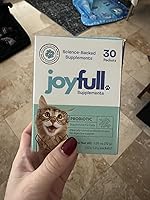
One example owners may review while learning what to look for is Joyfull's dog probiotics. The relevant lesson isn't brand loyalty. It's that products in this category should clearly state what they are designed to support and fit into a larger nutrition plan rather than replace it.
Good adjunctive care is boring in the best way. It supports consistency. And consistency is what the IBD gut responds to.
How to Transition Foods and Track Your Dog's Progress
A new diet can fail for two different reasons. Sometimes it's the wrong diet. Sometimes the switch was too abrupt for an already irritated gut. Those are not the same problem.

A gentle food transition
A gradual transition often helps reduce digestive turbulence. A common pattern is:
- Days 1 to 2: Feed a small portion of the new food with mostly old food.
- Days 3 to 4: Move to an even split.
- Days 5 to 6: Increase the new food further.
- Days 7 to 10: Complete the transition if your dog is tolerating it.
For more practical implementation details, these tips for a smooth food switch can help owners think through portions and pacing.
Once your dog is on the chosen food, the trial has to stay clean. VCA's nutrition guidance for dogs with colitis describes the foundation of modern IBD feeding strategy as a controlled diet trial lasting 2 to 4 weeks, and in some cases 8 to 12 weeks, with nothing but the prescribed food during that period, including no treats.
What to monitor during the trial
Don't rely on memory. Track what you see.
Use a simple daily log with these checkpoints:
- Stool quality: Firmer or more formed is usually encouraging.
- Vomiting or diarrhea episodes: Note frequency and timing.
- Appetite: Is your dog willing to eat the food steadily?
- Energy and comfort: More relaxed body language matters.
- Body condition: Your vet may want regular weight checks.
A few practical red flags deserve a call to your vet, especially if symptoms intensify, appetite drops sharply, or your dog seems painful or weak.
A trial is successful when the pattern improves and stays improved. One good day doesn't count. One bad day doesn't always mean failure. Look for trend, not noise.
Frequently Asked Questions About IBD Diets
Can diet alone fix canine IBD
Sometimes diet makes a dramatic difference. Sometimes it's only one part of care. IBD is usually managed, not “solved forever,” and some dogs need medication or other support in addition to food changes.
How long should I wait before judging a food
Longer than most owners want to. A proper trial takes patience, and it only means something if the diet stays strict. If snacks, flavored medications, or random chews are added along the way, the result becomes much harder to interpret.
Are grain free foods automatically better
No. Grain-free is not the same as gut-friendly. Some dogs react to common proteins, some struggle more with fat or additives, and some need digestibility above all else. “Grain-free” can be relevant for an individual dog, but it isn't a shortcut to the right answer.
Can my dog still have treats
During a true elimination or therapeutic trial, usually the safest answer is no unless your vet gives you a treat that fits the plan. Owners often feel strictness is excessive here, but at this stage, many trials get accidentally ruined. Even small extras can muddy the result.
If there's one message I want worried owners to hold onto, it's this: the best food for dogs with ibd usually isn't discovered by luck. It's identified through a calm, consistent, vet-guided process that respects how sensitive the gut has become.
If you're sorting through GI issues and want science-minded wellness tools without the fluff, Joyfull is worth a look. We focus on clean ingredients, practical formulations, and products designed to fit into real pet care routines, so you can ask better questions and make steadier choices with your vet.