Best Dog Treats for English Bulldogs: Happy & Healthy
You're standing in the treat aisle, holding two bags that both say things like “natural,” “wholesome,” and “made with real meat,” and your Bulldog is snorting beside your cart like every option is excellent. Meanwhile, you're trying to figure out which one won't trigger itchy skin, loose stools, choking, or extra weight your dog doesn't need.
That stress is valid. English Bulldogs are not easy dogs to shop for when food is involved.
If you want the best dog treats for English Bulldogs, ignore the prettiest bag and the loudest marketing. You need a filter that works in real life: safe texture, simple ingredients, low calorie load, and clear allergen awareness. That's what keeps a Bulldog happy, comfortable, and out of trouble.
Table of Contents
- Choosing Treats for a Bulldog Is Complicated
- Why Bulldogs Have Special Dietary Needs
- Decoding Treat Labels What to Look For and Avoid
- The 10 Percent Rule Mastering Portion Control
- Vet-Approved Treat Categories and Brand Checklists
- Answering Your Top Questions and When to See a Vet
Choosing Treats for a Bulldog Is Complicated
A new Bulldog owner usually starts with good intentions. They want a reward for training, something to keep their dog busy, maybe a chew that helps teeth, and a snack that feels a little special. Then they hit the aisle and see biscuits, jerkies, chews, dental sticks, freeze-dried bites, “human-grade” treats, grain-free treats, organic treats, rawhide alternatives, and bags covered in happy claims.
That's where mistakes happen.
A Bulldog doesn't read labels. You do. And with this breed, the wrong choice isn't just “not ideal.” It can mean gas, itchy paws, ear flare-ups, vomiting, loose stool, or a dog that gains weight because the treats looked tiny but carried too many calories.
I've seen owners choose treats based on one word on the front of the package. “Natural” is the big one. It sounds safe. It often isn't useful.
Practical rule: If the front of the bag sounds impressive but the back of the bag won't tell you clearly what's inside and how much to feed, put it back.
Bulldogs need more than a cute package and a flavor your dog likes. They need treats that fit the realities of the breed. They tend to be food-sensitive, easy to overfeed, and not always great at chewing safely. That means your buying process has to be a little stricter than it would be for some other dogs.
Here's the blunt version. The best dog treats for English Bulldogs usually have fewer ingredients, one clear protein source, a texture that matches their mouth shape, and calories you can control.
If a treat fails one of those tests, I don't care how trendy it is. It's not the right pick for your Bulldog.
Why Bulldogs Have Special Dietary Needs
English Bulldogs come with a very lovable set of quirks. They also come with a body that demands smarter food choices. That includes treats.

Their bodies are built in a way that changes treat safety
Start with the head shape. Bulldogs are brachycephalic, which means that short, pushed-in face changes how they grab, chew, and breathe. A treat that's too hard, too slick, too large, or too awkwardly shaped can become a choking problem fast. This is why I'm picky about dense chews, oversized bones, and anything that softens into a gummy lump.
Their build matters too. Bulldogs are sturdy, heavy-fronted dogs. Their joints already carry a lot, so extra body weight hits them harder than owners realize. According to PetMD's Bulldog breed guidance, English Bulldogs are recognized as one of the most food-sensitive dog breeds, with over 65% of diagnosed cases linked to dietary allergies or intolerances, and treats should stay within 10% of daily calories to help prevent obesity, which affects approximately 58% of adult Bulldogs.
That's not a small issue. It means treats aren't just rewards. They're part of health management.
A Bulldog's short muzzle is cute. It also makes careless treat choices a lot less forgiving.
Food reactions show up fast and often
Bulldogs are famous for skin drama. Red paws, itchy faces, recurring ear issues, rubbing, licking, and irritated skin folds can all get worse when food doesn't agree with them. Owners often blame the main diet first, but treats are frequent troublemakers because they get handed out casually and often contain multiple proteins, fillers, sweeteners, and additives in one small piece.
That's why limited-ingredient options matter so much. The simpler the treat, the easier it is to spot what your dog tolerates and what causes problems. If you give five different treat types in one week, you make your own detective work much harder.
Here are the main Bulldog-specific pressures that should shape your choices:
- Airway and chewing concerns: Pick treats your dog can grip and chew without frantic gulping.
- Weight management: Small dogs can hide extra calories. Bulldogs usually can't.
- Digestive sensitivity: Treats with long ingredient panels create more chances for flare-ups.
- Skin and coat impact: Food issues in this breed often show up on the outside first.
A lot of owners want one perfect treat. That's the wrong goal. What you really want is a short list of safe, boring, reliable options that your dog handles well.
Think of treats as controlled inputs, not edible entertainment.
Decoding Treat Labels What to Look For and Avoid
Most treat bags are designed to make you feel good, not to make your decision easier. So stop reading the front first. Flip the bag over and look for the facts that matter.

What a good Bulldog treat label looks like
For this breed, I want the ingredient panel to answer one question immediately: what exactly is my dog eating?
A strong label usually has a short list, a clear protein source, and no guessing games. “Salmon,” “turkey,” or “beef liver” is useful. “Meat meal,” “animal digest,” or vague by-product language is not.
Veterinary nutrition studies cited in this Bulldog treat reference indicate that single-source protein treats free from common allergens like wheat and soy can reduce dermatological and digestive flare-ups by approximately 40% in Bulldogs. That fits what careful owners see at home. Simpler treats are easier on sensitive dogs and easier to troubleshoot.
When you're comparing bags, prioritize these:
- Single-source protein: One identifiable animal protein is easier to trial and track.
- Short ingredient list: Fewer ingredients usually means fewer variables.
- No wheat or soy: These are common ingredients I'd rather skip in a sensitive Bulldog.
- Clear calorie information: If the bag hides calories, it makes portion control harder.
- Useful extras only when needed: Omega-3s can be helpful for some dogs. They're not a magic pass for a poor formula.
If you want more help with label basics beyond treats, this guide to making confident dog food choices is a solid companion read.
What should send the bag back to the shelf
Some ingredients aren't automatic emergencies, but they are red flags. Others are immediate no's for Bulldogs.
The biggest hard stop is rawhide. A Bulldog's mouth shape and chewing style make risky chew materials even riskier. I also avoid treats that are heavily glued, dyed, sticky, or oddly elastic after chewing.
Here's a simple shelf test:
| Label feature | My take for Bulldogs |
|---|---|
| One named protein, short list | Good starting point |
| Multiple proteins in one treat | Harder to identify triggers |
| Wheat, soy, or long filler list | Skip it if your dog is sensitive |
| Artificial colors or heavy flavoring language | Usually unnecessary |
| Rawhide | Don't buy it |
| No calorie disclosure | Bad sign for portion control |
If you can't tell what the treat is made of in ten seconds, your Bulldog probably doesn't need it.
A few more things I tell owners to avoid:
- Overbuilt “health halo” treats: If the package leans on buzzwords but won't clearly state calories or protein source, pass.
- Very hard chews: Bulldogs can be enthusiastic chewers, not careful chewers.
- Mixed-protein training treats: They seem convenient, but they muddy the picture when your dog reacts badly.
- Sugary or syrupy extras: Your dog doesn't need dessert dressed up as wellness.
The best dog treats for English Bulldogs aren't the most glamorous. They're the ones that stay predictable from bag to bag.
The 10 Percent Rule Mastering Portion Control
Most Bulldog treat problems don't start with one terrible snack. They start with too many “small” snacks.
That matters because this breed gains weight easily, and owners rarely get useful serving guidance from treat packaging. According to this review of English Bulldog treat portioning, citing the American Veterinary Medical Association for 2025, 64% of US Bulldogs are obese, and fewer than 15% of treat product pages provide calorie-per-ounce metrics. That's a terrible setup for owners trying to do the right thing.

Use calories not guesses
The rule is simple. Treats should not exceed 10% of your dog's daily caloric intake.
That sounds technical, but it's practical. It protects your dog's weight, leaves room for balanced meals, and stops “just one more” from turning into a daily calorie pileup.
The problem is that owners often count treats by pieces instead of calories. That doesn't work because one tiny soft chew can be much richer than a larger freeze-dried bite.
Quick check: Count treat calories the same way you'd count snacks for a dog on a diet plan. Size can fool you. Numbers won't.
A simple way to portion treats without overfeeding
Use this process:
- Find your dog's daily calorie target. Your veterinarian is the best source for this.
- Take 10% of that total. That's the daily treat budget.
- Check the bag for calories per treat or per ounce.
- Divide the treat budget by the calories in each treat.
- Break treats into smaller pieces for training. The reward is the event, not the size.
We do have one concrete reference point. For an average 25-pound Bulldog consuming 700 calories daily, treats should cap at 70 calories, or roughly 35 grams of food, based on the PetMD-linked guidance in the verified data. Even if your Bulldog weighs more, the math stays the same. Start with daily calories, then keep treats within that 10% budget.
If you want an easier starting point for meal planning, the Joyfull dog food calculator can help you think through portions before you add snacks on top.
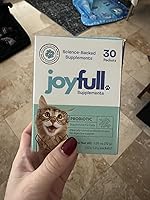
And one side note for multi-pet homes. Products like Probiotic Supplement for Cats - 30 Single-Serving Packets are a reminder that species-specific digestive support matters. That product is made with real beef bone broth, is veterinarian-formulated with clinically-tested probiotic strains, and is third-party tested for potency and purity, but it's for cats, not for filling a Bulldog treat slot.
My opinion is firm here. If a treat company doesn't make calorie control easy, I assume they care more about selling treats than helping your dog stay lean.
Vet-Approved Treat Categories and Brand Checklists
Stop hunting for one magical brand. For Bulldogs, the category matters first, and the brand only matters if it proves it deserves your trust.

According to Chewy's Bulldog treat guidance, veterinary recommendations emphasize that treats should be free from rawhide because choking hazards account for 15% of emergency vet visits for foreign body ingestion in Bulldogs. The same source notes that treats containing omega-3 fatty acids showed a 35% improvement in joint health mobility in clinical trials involving older Bulldogs. That makes two things clear. Safety comes first, and functional ingredients only matter when the base treat is already appropriate.
Treat categories I trust most for Bulldogs
I like to sort Bulldog treats into workable groups, not brand hype.
- Single-ingredient freeze-dried treats: Great for training and elimination-style trials because the ingredient list is obvious.
- Simple jerkies with one protein source: Good if they're easy to tear and don't contain a long list of extras.
- Soft training treats with clear calories: Useful when you need lots of repetitions and tiny rewards.
- Limited-ingredient dental chews: Only if the texture is safe and the chew isn't too hard or too sticky.
- Whole-food treats like dog-safe fruits or vegetables: Fine for some Bulldogs, but introduce them one at a time and keep portions small.
I'm less enthusiastic about giant chew bones, mixed-protein treat bags, and anything marketed more like a candy bar than a dog food item.
If you want a digestive-support option in treat form, dog prebiotic treats can make sense for some dogs because they're designed around gut support. You still need to read the ingredient list and confirm they fit your dog's sensitivities.
Brand checklist before you buy
A good brand doesn't just sell a treat. It answers obvious owner questions without making you dig.
Use this checklist:
- Protein transparency: Does the package name the animal source clearly?
- Allergen clarity: Can you tell whether wheat, soy, or common triggers are included?
- Calorie disclosure: Is feeding guidance realistic and easy to use?
- Texture honesty: Does the treat look and feel safe for a short-muzzled dog?
- Manufacturing transparency: Does the company explain what the treat is, not just why it's fashionable?
Buy from brands that make scrutiny easy. Avoid brands that want blind trust.
Two easy homemade ideas
Homemade treats aren't automatically healthier, but they do give you control.
Option one: bake thin slices of a single tolerated protein until firm but not rock-hard. Keep them small and plain.
Option two: use tiny pieces of a tolerated whole food for training sessions. Plain and consistent beats creative when you're dealing with a sensitive Bulldog.
Homemade treats are especially useful when you're trying to identify a trigger. The fewer moving parts, the better your read on what your dog can handle.
Answering Your Top Questions and When to See a Vet
The biggest mistake Bulldog owners make is assuming every itch, burp, soft stool, or paw-licking episode is “just Bulldogs being Bulldogs.” Sometimes it is. Sometimes it's a treat problem.
Recent data from the Journal of Veterinary Dermatology summary cited here shows that 32% of Bulldogs have food-induced dermatitis, with chicken and beef listed as top triggers. That doesn't mean every Bulldog must avoid those proteins. It means you should stop treating common proteins as automatically safe.
Quick answers to common Bulldog treat questions
Is peanut butter safe?
Sometimes, but I wouldn't treat it like a default Bulldog snack. If your dog already has skin issues or a history of food reactions, choose a simpler single-protein treat first.
Are grain-free treats always better?
No. “Grain-free” is not the same as “Bulldog-safe.” A grain-free treat can still be too fatty, too rich, too crowded with ingredients, or poorly portioned.
How do I spot a treat allergy?
Watch for itching, red skin, ear irritation, licking, vomiting, loose stool, or a sudden return of skin-fold irritation after introducing something new. Stop the new treat and keep a simple log.
Do I need lab-tested allergen profiles?
If your dog has a history of reactions, yes, that level of transparency matters more than pretty packaging or “natural” claims.
If your Bulldog is messy around the feeding station, drools heavily, or tends to track food and water across the house, these expert tips for pet-friendly homes from Flacks Flooring are useful for setting up a cleaner feeding area.
When a vet visit should not wait
Call your vet if your Bulldog has repeated vomiting, persistent diarrhea, hives, facial swelling, trouble breathing, or ongoing skin flare-ups after a new treat. Also call if you're dealing with chronic itchiness and can't identify the trigger.
A vet visit is also the right move before you start rotating lots of “healthy” treats. With Bulldogs, random experimentation usually creates more confusion, not better health.
If you want pet wellness advice that skips the fluff and focuses on ingredients, practical feeding guidance, and products built with veterinary review, take a look at Joyfull. Their approach fits the same standard I'd use in the treat aisle: clean labels, useful formulations, and no-BS decision-making.