


The best diet for your older cat is all about meeting them where they are now. Think higher amounts of easily digestible protein to keep their muscles strong, lower phosphorus to be kind to their aging kidneys, and plenty of moisture to keep them hydrated. Once a cat hits that senior milestone, typically around age 7 to 10, their body starts to play by a new set of rules, and a specialized senior diet becomes a non-negotiable part of their care.
Understanding Your Senior Cat's Changing Needs
As your cat gracefully steps into their golden years, their body undergoes subtle but important changes that a standard adult cat food just isn't built to handle. It's a bit like owning a classic car; it still runs beautifully, but it needs a different kind of fuel and more thoughtful maintenance to stay in prime condition. The same logic applies to your senior cat's dinner bowl.
That whirlwind of a kitten who once ricocheted off the walls has likely mellowed into a professional sunbeam-napper. This natural slowdown in activity means their metabolism isn't burning calories like it used to, making them much more susceptible to weight gain. Feeding them a calorie-dense adult diet at this stage can easily lead to obesity, which puts a dangerous strain on their joints, heart, and other organs.
Why Adult Cat Food Falls Short
The simple truth is that adult cat food is formulated for a completely different stage of life. It’s designed to fuel a high-energy adult in their prime, not to support the unique vulnerabilities of an older cat whose body is starting to show some wear and tear.
The biological shifts happening inside your senior cat call for a much more targeted nutritional approach. A few key areas need special attention:
- Muscle Maintenance: Older cats often start to lose muscle mass, a condition called sarcopenia. A diet packed with high-quality, easy-to-digest protein helps them hold onto that lean muscle, which is crucial for staying strong and mobile.
- Kidney Health: Aging kidneys are one of the first systems to feel the strain of time. Good senior cat foods are often made with controlled phosphorus levels to ease the workload on these vital organs, a cornerstone of the best diet for senior cats.
- Digestive Efficiency: A senior cat's digestive system can become more sensitive with age. Senior formulas often include prebiotics and a bit more fiber to promote a healthy gut and sidestep common issues like constipation.
- Joint and Cognitive Support: You'll often find beneficial additives like omega-3 fatty acids, glucosamine, and antioxidants in senior diets. These ingredients are there to help reduce inflammation, support aging joints, and keep their minds sharp.
A common myth is that senior cats need less protein. In reality, their bodies become less efficient at processing it, meaning they often require more high-quality protein—not less—to prevent muscle wasting and maintain their strength.
Decoding the Needs of an Aging Metabolism
A senior cat's metabolism is a delicate balancing act. On one hand, their reduced activity means they need fewer daily calories to prevent packing on the pounds. But on the other hand, their bodies are working overtime to fight the effects of aging and need a robust supply of specific nutrients to do it effectively.
This is where a carefully chosen diet becomes your most powerful tool. The goal is to find a nutrient-dense food that delivers all the good stuff without the extra calories. High-quality protein from sources like chicken or fish is much easier for their system to break down and use, providing those essential amino acids without overtaxing their organs.
Grasping these core principles is the first step toward making confident choices for your furry companion. It’s not just about grabbing a bag with "senior" on the label; it's about understanding why those ingredients are in there and how they contribute to a longer, healthier, and happier life for the cat who has been by your side for so long.
Of course. Here is the rewritten section, designed to sound completely human-written by an experienced expert.
What Every Senior Cat's Diet Needs: The 5 Essentials
When we start thinking about what to feed our older cats, it's easy to get lost in the details. But it really boils down to five key nutritional adjustments. This isn't about some secret ingredient; it's about shifting the balance of their diet to support an aging body.
Think of it like this: your cat's internal engine is changing. It doesn't run on the same fuel it did as a kitten or even a five-year-old adult. Getting these five things right means you're not just filling their bowl—you're actively tuning that engine for longevity and a better quality of life.
Let's walk through each one.
1. High-Quality, Easy-to-Digest Protein
There's a persistent myth that older cats need less protein. The truth is actually the opposite. As they age, their bodies get less efficient at absorbing and using protein, which can lead to muscle wasting—that frail, skinny look we sometimes see in very old cats. This condition, called sarcopenia, is something we can actively fight with diet.
So, they don't just need protein; they need better protein.
- What to Look For: The first ingredient on the label should be a named animal source, like "chicken," "turkey," or "salmon." These are the most bioavailable proteins for a carnivore.
- What to Avoid: Be wary of vague ingredients like "meat by-products" or heavy reliance on plant proteins like corn gluten meal. A cat's gut simply isn't designed to get what it needs from those.
By focusing on high-quality, easily absorbed protein, you're helping your cat hang on to the muscle mass that's so vital for their mobility and strength.
2. Controlled Phosphorus and Sodium
If protein is for building muscle, phosphorus and sodium are minerals we need to be mindful of. A cat’s kidneys and heart have been working hard for over a decade, and they're often the first organs to show their age.
A diet with controlled mineral levels is one of the kindest things you can do for your cat's aging organs. It lightens the load on their kidneys and heart, which can make a huge difference in their long-term health.
This is a major reason why senior-specific foods exist. They're formulated to reduce the strain on these vital systems. Lowering phosphorus is a well-known strategy for protecting kidney function, while keeping sodium in check helps maintain healthy blood pressure. This single change is often what sets a good senior diet apart from a standard adult one.
3. A Boost of Omega-3 Fatty Acids
Think of Omega-3s, especially EPA and DHA from sources like fish oil, as a natural anti-inflammatory for your cat. So much of what we call "old age" is really just chronic, low-grade inflammation, whether it's stiff joints from arthritis or even a bit of cognitive fogginess.
Adding these healthy fats is like giving their system a bit of soothing lubrication. It can help ease joint discomfort, support brain health to keep them sharp, and even improve the condition of their skin and coat, which can get dry and flaky with age.
4. More (and the Right Kind of) Fiber
A sluggish digestive system is a common complaint in older cats. Just like with people, things can slow down, leading to uncomfortable constipation. This is where fiber becomes your best friend.
Senior cats have unique nutritional needs, and science shows their foods pack higher fiber for better digestion—averaging 7.0 g per 1000 kcal of metabolizable energy, compared to only 2.0 g in adult maintenance formulas. This isn't just filler; as cats hit 7+ years, their systems change, and this tailored nutrition is essential. You can find more insights about feline nutrition on PMC.
Gentle fiber sources, like pumpkin or beet pulp, help keep things moving regularly and support the good bacteria in their gut. It’s all about maintaining comfortable, predictable digestion.
5. Way More Hydration
I've saved the most important for last: water. Chronic dehydration is incredibly hard on a cat's kidneys and is a huge risk factor for urinary tract problems. The challenge is that cats are notoriously poor drinkers—a holdover from their desert-dwelling ancestors who got most of their moisture from prey.
That's why we have to get water into their food. Wet food is the clear winner here, often containing 75% or more moisture. This steady trickle of hydration throughout the day helps flush their kidneys and urinary tract, diluting their urine and making it harder for painful crystals or stones to form.
Nutrient Profile Comparison: Adult vs. Senior Cat Food
So, what does this all look like when you compare a bag of standard adult food to one formulated for a senior? The differences aren't always dramatic on the surface, but they are targeted and incredibly important for an older cat's health.
| Nutrient | Typical Adult Cat Food | Ideal Senior Cat Food | Why It Matters for Seniors |
|---|---|---|---|
| Protein | High quality, but may have more plant-based fillers. | Higher percentage of highly digestible, animal-based protein. | Supports muscle maintenance (fights sarcopenia) without overburdening the kidneys. |
| Fat (Omega-3s) | Standard levels of fat for energy. | Often supplemented with Omega-3s (EPA/DHA) from fish oil. | Reduces inflammation, supports joint health, and promotes cognitive function. |
| Phosphorus | Standard levels appropriate for healthy adult kidneys. | Reduced levels to protect aging kidneys. | Lowers the workload on the kidneys, which are prone to decline with age. |
| Fiber | Lower levels, focused on basic digestive health. | Increased levels of soluble and insoluble fiber. | Aids digestion, prevents constipation, and supports a healthy gut microbiome. |
| Hydration | Very low in dry food (around 10%). | Very high in wet food (75%+), which is strongly recommended. | Crucial for kidney and urinary tract health in cats with a low thirst drive. |
This table shows it's not just about one nutrient, but a complete rebalancing of the diet to meet the specific challenges that come with age. Choosing a food that reflects the "Ideal Senior" column is one of the most proactive steps you can take for your cat's well-being.
Managing Common Health Issues with Nutrition
As our cats head into their golden years, their bodies change, and they often become more prone to certain health conditions. This is where nutrition becomes one of your most powerful tools. Think of it less as just filling a bowl and more as a form of daily, proactive care that works hand-in-hand with your vet to keep your cat comfortable and happy.
By making smart, targeted tweaks to their diet, you can help manage symptoms and sometimes even slow the progression of common age-related problems. It’s not about replacing veterinary medicine, but about complementing it to give your old friend the best all-around support.
This diagram breaks down the three pillars of a healthy senior cat diet: high-quality protein, consistent hydration, and the right amount of fiber.
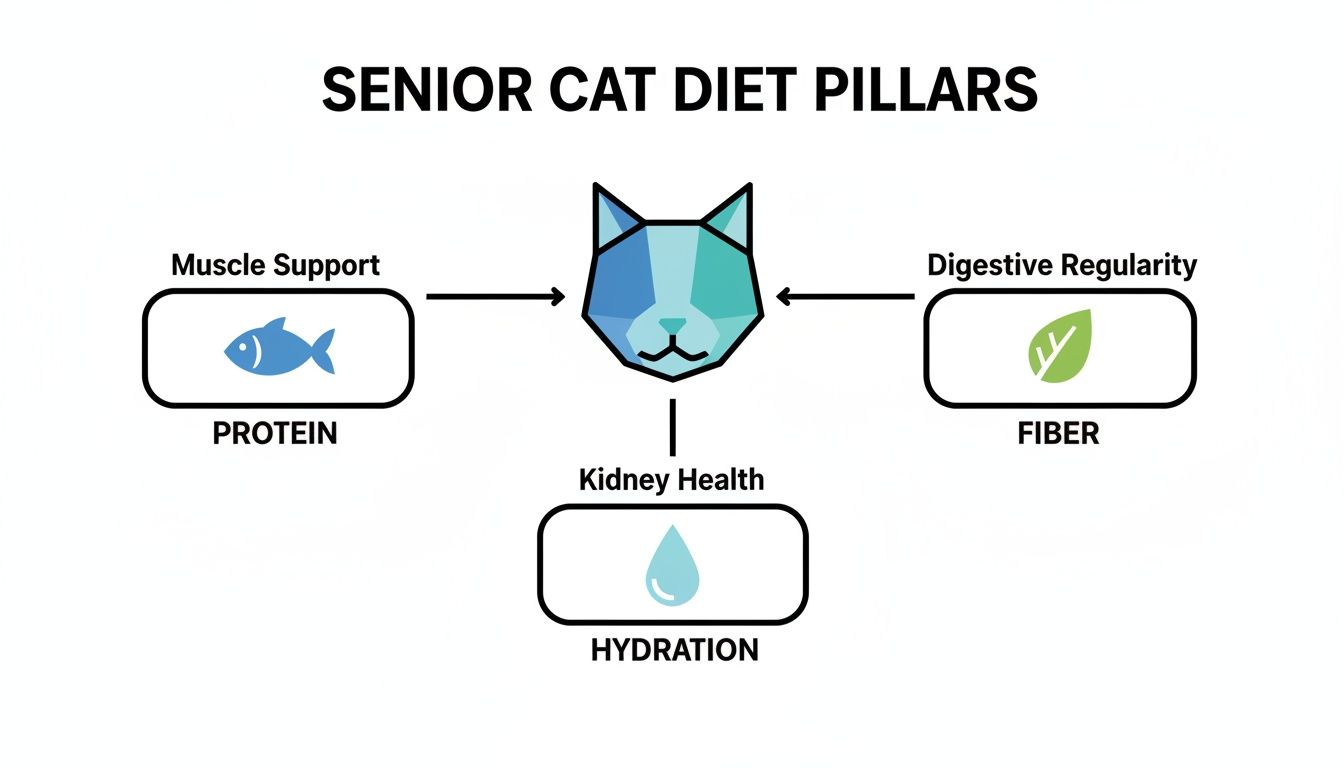
You can see how these three elements work together to support everything from muscle maintenance to organ function—all crucial for a senior cat's well-being.
Supporting Kidneys with a Low-Phosphorus Diet
If there's one diagnosis I see most often in older cats, it's Chronic Kidney Disease (CKD). A cat's kidneys are incredible little filters, but after a decade or more of hard work, their function can start to decline. One of the most effective ways to help them is by dialing back the phosphorus in their diet.
Healthy kidneys have no problem filtering out excess phosphorus. But when they’re compromised, that phosphorus builds up in the blood, making your cat feel sick and causing even more kidney damage.
A therapeutic, low-phosphorus diet isn't just a suggestion—it's the cornerstone of managing feline kidney disease. Research consistently shows that cats with CKD who eat a phosphorus-restricted diet live longer, healthier lives than those on standard food.
This is exactly why veterinary prescription diets for kidney health are so carefully formulated. They’re designed to give the kidneys a break, helping to preserve whatever function is left for as long as possible.
Easing Stiff Joints and Arthritis
Just like us, cats can get creaky in their old age. Arthritis can lead to stiff joints, making it harder for them to get around. You might not see an obvious limp, but you may notice them hesitating before jumping onto the couch or just being less active overall. The right nutrients can make a real difference in soothing that inflammation.
Here are a few ingredients to look for on the label:
- Omega-3 Fatty Acids (EPA & DHA): Usually sourced from fish oil, these are nature's anti-inflammatories. They can genuinely help reduce joint swelling and discomfort.
- Glucosamine and Chondroitin: These are the natural building blocks of cartilage. Adding them to the diet helps support and cushion the joints.
- Green-Lipped Mussel: This is a fantastic all-in-one ingredient, providing a natural source of both omega-3s and chondroitin.
These ingredients work together to lubricate joints and fight the inflammation at its source, helping your cat stay more mobile and comfortable.
Addressing Dental Health and Cognitive Function
Dental issues are incredibly common in senior cats. Years of plaque buildup can lead to painful gums (gingivitis), decay, and even tooth loss. And when a cat's mouth hurts, they often stop eating, which can quickly lead to weight loss and other problems.
For a cat with a sore mouth, food texture is everything. Soft foods are simply easier and less painful to eat.
- Wet Food: Pâté-style foods and those with plenty of gravy are perfect because they require very little chewing.
- Hydrating Purées: For cats with severe dental pain or after tooth extractions, smooth, lickable purées are a lifesaver.
Beyond the physical, some senior cats also experience a mental fogginess, something akin to dementia in people. A diet rich in antioxidants, like Vitamins E and C, helps protect brain cells from damage. Omega-3 fatty acids are also stars here, playing a vital role in supporting brain health and helping to keep your senior cat sharp and engaged.
Finding the best diet for senior cats is about looking past the basics and choosing a food that actively supports their specific health needs. This targeted approach is one of the most meaningful things you can do to boost their comfort and vitality.
Wet Food Versus Dry Food for Senior Cats
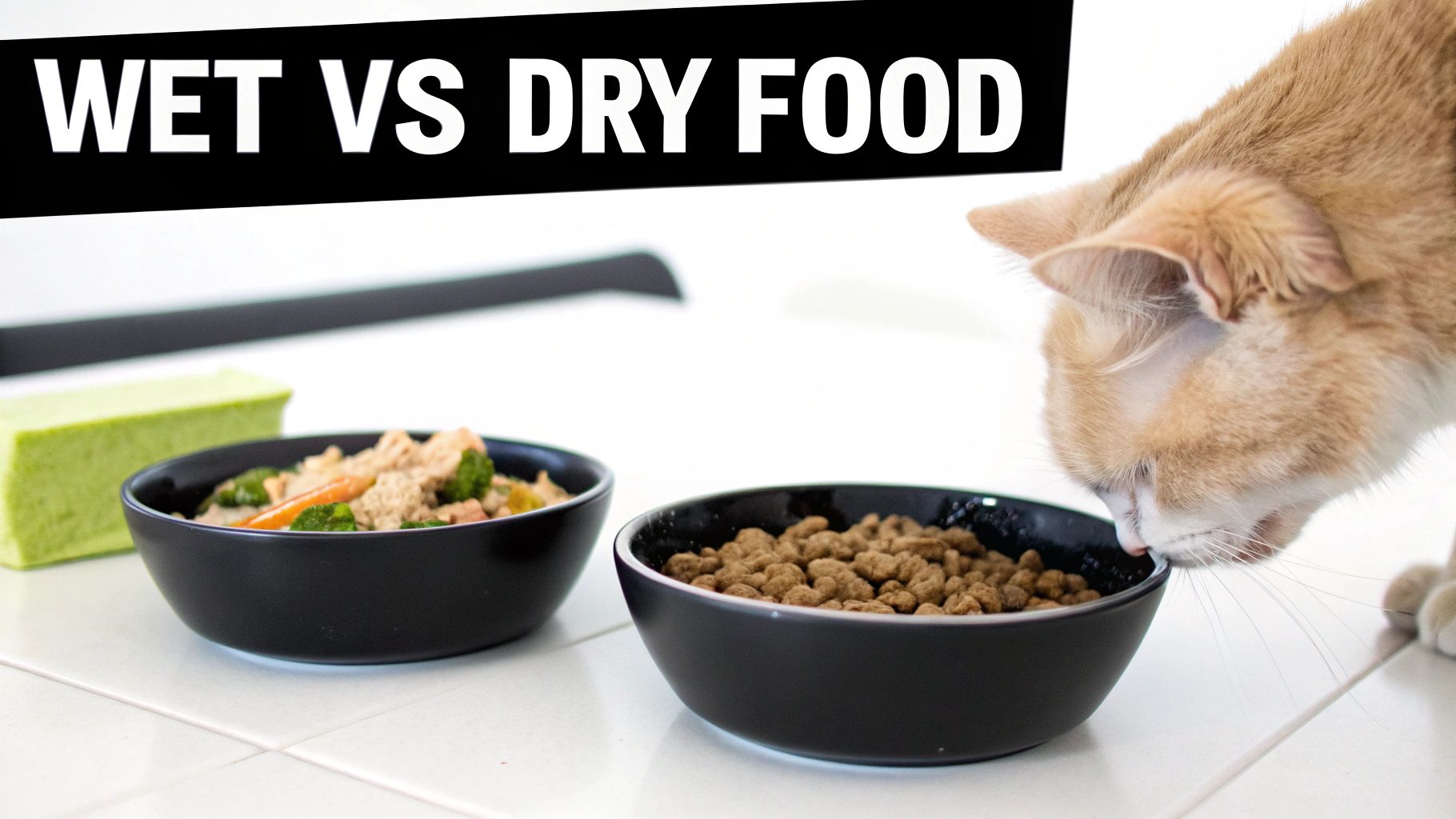
The age-old debate of wet food versus dry food takes on a whole new meaning when you’re feeding a senior cat. What was once a matter of your cat's preference (or your convenience) now becomes a critical decision for their health and comfort.
While both have their pros and cons, one usually comes out as the clear winner for our aging feline friends. Think of it this way: kibble is a convenient pantry staple, but wet food is a hydrating, easy-to-digest soup. For a senior whose body isn't as resilient as it used to be, that difference is huge.
The Overwhelming Case for Wet Food
If there's one thing veterinarians agree on for senior cats, it's the importance of hydration. Cats are desert animals by nature, meaning they're built to get most of their water from the food they eat—not from a water bowl. Their thirst drive is naturally low, and this becomes a bigger problem as they age.
Wet food is a game-changer here. It typically contains 75% or more moisture, which means your cat is getting hydrated with every single bite. This simple fact has a massive ripple effect on their health:
- It’s a lifesaver for kidneys. Good hydration helps flush toxins and keeps the kidneys from working overtime. This is crucial, as kidney disease is one of the most common ailments in older cats.
- It supports urinary health. More water means more diluted urine, which dramatically lowers the risk of developing painful urinary crystals or bladder issues.
- It’s gentle on old teeth. Many senior cats deal with dental disease, sensitive gums, or even missing teeth. The soft texture of a good pâté or shredded food in gravy is easy to eat, ensuring mealtime isn't a painful chore.
So, Is There Still a Place for Dry Food?
Of course, dry food has its perks. It's easy to store, it's convenient to leave out for cats who like to graze, and some people believe the crunchy texture helps scrape a bit of plaque off their teeth.
But here’s the big catch: its low moisture content. Kibble typically contains only around 10% water. For a senior cat with that naturally low thirst drive, relying on kibble can lead to a state of chronic, low-level dehydration. That puts a quiet, constant strain on their entire system.
If you want to dive deeper into this, you can read a more in-depth comparison of wet vs. dry cat food.
When choosing a diet for your senior cat, you're really just prioritizing their new, evolving needs. The superior hydration and soft texture of wet food make it the safest and most beneficial choice for supporting their health as they get older.
Finding a Happy Medium
For picky eaters or for owners who appreciate the convenience, a mixed-feeding approach can be a great compromise. You can offer a small amount of high-quality dry food as a "snack" or for grazing, but make wet food the star of their main meals.
This way, you get a little of the dental benefit and convenience from the kibble while ensuring they still get the critical hydration they need from their wet food. It's a win-win that keeps both you and your cat happy.
How to Choose the Right Senior Cat Food
Walking down the pet food aisle can be overwhelming. The shelves are packed with bags and cans, all promising to be the best for your cat. So, how do you cut through the noise and find the right food for your aging companion?
The good news is that you can narrow it down pretty quickly by understanding the three main options: prescription diets, commercial foods, and homemade meals. Each one has its place, and the best choice depends entirely on your cat’s health, your lifestyle, and, most importantly, your vet’s advice.
When Prescription Diets Are Necessary
Think of a prescription diet as medicine you can serve in a bowl. These aren't just "healthy" foods; they are precisely formulated therapeutic diets designed to manage specific medical problems. You can only get them with a vet's prescription because giving the wrong one to a healthy cat—or a cat with a different illness—could actually cause harm.
For senior cats, these specialized diets are often a game-changer for managing common age-related conditions:
- Chronic Kidney Disease (CKD): These recipes carefully control phosphorus levels and use highly digestible protein to ease the strain on tired kidneys.
- Diabetes: Low-carbohydrate formulas are the go-to here, helping to keep blood sugar levels from spiking and crashing.
- Urinary Issues: Certain formulas can help dissolve painful bladder stones and adjust the urine pH to stop new ones from forming.
If your vet has diagnosed your cat with a serious health condition, a prescription diet is often the most critical part of their treatment plan. It’s not just a suggestion—it’s a necessity.
Decoding High-Quality Commercial Foods
For most healthy senior cats, an excellent commercial food is all they need. The key is learning how to read the label like a pro, so you can spot the nutritional gems and avoid the cleverly disguised junk. We cover this in more detail in our comprehensive guide on choosing cat food.
When you flip that bag or can over, here’s what to look for.
Green Flags (What to Look For):
- Named Animal Protein First: The list should kick off with something you recognize, like "deboned chicken," "salmon," or "turkey." This tells you the protein is coming from a quality, identifiable source.
- Added Functional Ingredients: Look for bonuses that support an aging body, like fish oil (for omega-3s), pumpkin (for fiber), or green-lipped mussel (for joint health).
- High Moisture Content: When choosing wet food, aim for 75% or higher moisture content. It's an effortless way to boost their hydration.
Red Flags (What to Avoid):
- Vague "Meat" Ingredients: Terms like "meat by-products" or "animal digest" are mystery ingredients. You have no idea what animal they came from, which is a sign of lower quality.
- Artificial Additives: Keep an eye out for artificial colors, flavors, and chemical preservatives like BHA, BHT, or ethoxyquin. They're just not necessary.
- Excessive Fillers: If corn, wheat, or soy are at the top of the ingredient list, it means the food is relying heavily on cheap fillers that many cats struggle to digest.
Your goal is to find a food that is rich in high-quality animal protein, low in unnecessary fillers, and packed with moisture. This combination forms the foundation of the best diet for senior cats without specific medical needs.
The Cautions of Homemade Diets
Preparing a fresh, home-cooked meal for your cat sounds wonderful in theory, but it’s a path filled with serious risks. Cats have incredibly complex and specific nutritional needs, and getting the balance right is something even experts find challenging.
Without the direct guidance of a board-certified veterinary nutritionist, a homemade diet can easily lead to dangerous deficiencies or toxic excesses of certain nutrients. Over time, this can cause irreversible health problems. For this reason, a homemade diet is almost never recommended unless it’s the only option for a very specific medical issue and is formulated by a specialist.
For virtually every cat owner, sticking with a high-quality commercial food or a prescribed therapeutic diet is by far the safest and most reliable way to ensure your senior cat gets all the nutrients they need to live a long, happy life.
A Practical Guide to Switching Your Cat's Diet
Alright, you've picked out the perfect new food for your senior cat. Now comes the tricky part: the actual switch. Cats are notorious creatures of habit, and their digestive systems aren't big fans of sudden surprises. Just swapping their food overnight is a recipe for an upset stomach.
The secret is to go slow. Think of it like introducing a new person to your cat—you don't just shove them in their face. You let them get used to the new presence gradually. This same gentle approach gives your cat’s gut the time it needs to adjust, preventing digestive drama and helping them learn to love their new, healthier meals.
The Foolproof 7-to-10-Day Transition Plan
The best way to switch foods is to do it over a week or two. This gradual mix-in method is the gold standard because it minimizes stress on their system and makes the change almost seamless for your cat. If you rush it, you risk vomiting or diarrhea, which could make your cat think the new food is what's making them feel sick.
Here’s a simple schedule that works every time:
- Days 1–2: Start with a mix of 75% old food and 25% new food. Stir it together well so they get a little taste of the new stuff in every bite.
- Days 3–4: Time to up the ante. Go for a 50/50 mix of old and new.
- Days 5–6: Now, we flip the ratio to 75% new food and just 25% old food.
- Day 7 & Beyond: If all is going smoothly, you can now serve 100% new food.
This pacing is everything. For an even more detailed walkthrough, check out our guide on how to properly transition your cat's food.
Getting Portions and Treats Just Right
As cats get older, their metabolism slows down, making portion control absolutely critical. It’s easy to overfeed, and even with the healthiest food, those extra pounds can put a lot of strain on their joints and organs. The feeding guidelines on the bag are a good place to start, but they’re just that—a start.
You’ll need to adjust the amount based on your cat’s unique body condition and how active they are. Your vet is your best resource for nailing down the perfect daily calorie count.
A Quick Note on Treats: Keep them special! Treats should never make up more than 10% of your cat's total daily calories. Look for high-quality, low-calorie options that won't throw their carefully balanced diet out of whack.
With more people treating their cats like family, the demand for specialized senior cat food is booming. The market is expected to hit a staggering $9.1 billion by 2033, driven largely by aging populations and single-person households who dote on their pets. In fact, cat food sales are now outpacing dog food sales, proving that our feline friends are finally getting the spotlight they deserve. You can learn more about the senior cat food market on htfmarketinsights.com.
Putting a little thought into your cat's diet is one of the best things you can do for them. By managing the transition with care, perfecting their portion sizes, and being smart about treats, you’re paving the way for a happy, comfortable, and vibrant life in their golden years.
Of course. Here is the rewritten section, designed to sound like it was written by an experienced human expert.
Common Questions About Feeding Your Senior Cat
As your cat enters their golden years, it's natural to have questions about how to best care for them. Let's tackle some of the most common concerns that pop up when it comes to senior cat nutrition.
When Exactly Is My Cat Considered a "Senior"?
It's a milestone that sneaks up on us! Most vets start using the "senior" label once a cat hits 7 to 10 years old. After age 11, they often move into the "geriatric" category.
Even if your 7-year-old is still chasing laser pointers like a kitten, their internal nutritional needs are starting to change. This is the perfect time to start the conversation with your vet about potentially transitioning to a senior-friendly diet.
My Older Cat Is Losing Weight—Should I Be Worried?
Yes, this is something you should act on right away. If you notice your senior cat is slimming down without you putting them on a diet, it's a clear signal to book a vet appointment immediately. This is often one of the first signs of serious health issues like kidney disease, an overactive thyroid (hyperthyroidism), or diabetes.
Important: If your cat stops eating for more than 24 hours, it's a veterinary emergency. Unlike dogs or humans, a cat's metabolism can't handle fasting, and it can quickly lead to a dangerous liver condition.
Your vet will get to the bottom of the weight loss and can guide you toward the right therapeutic diet or a more calorie-rich food to help them get back to a healthy, stable weight.
Are Treats Still Okay for My Senior Cat?
Absolutely! Treats are a wonderful way to spoil them and strengthen your bond. The trick is to be smart about it.
Think of treats as a small, special part of their day, not a main meal. Stick to high-quality, low-calorie options that add a little nutritional value instead of just empty fillers. As a rule of thumb, make sure treats account for no more than 10% of your cat's total daily calories to keep their diet balanced and prevent unwanted weight gain.
0 comments