Are Yorkies Hypoallergenic Dogs? the Vet-Reviewed Truth
Yorkies are often called hypoallergenic, but no dog breed is completely. Their hair-like coat and low shedding can make them a better fit for some allergy sufferers than many other breeds, but tolerance depends on your own sensitivity and how well you manage allergen exposure.
That's the part most articles skip. They treat this like a yes-or-no label, when the key question is more personal: Can you live comfortably with a Yorkie? For some people, the answer is yes. For others, even a low-shedding dog still triggers enough sneezing, itchy eyes, or wheezing to make ownership hard.
As a veterinarian, I'd encourage you to think less about the word “hypoallergenic” and more about degree of tolerance. A Yorkie isn't allergy-proof. But compared with many heavier-shedding breeds, a Yorkie may spread less loose hair around the home, which can make day-to-day exposure easier for some people to handle.
If you're hoping for a small companion dog and wondering, are Yorkies hypoallergenic dogs, the best answer is nuanced, honest, and still hopeful.
Table of Contents
- The Hypoallergenic Dog Myth
- What Really Causes Pet Allergies
- The Yorkie Coat Advantage Hair vs Fur
- How to Test Your Personal Tolerance to a Yorkie
- A Practical Guide to Managing Allergens at Home
- Conclusion and Other Low-Shedding Dog Breeds
The Hypoallergenic Dog Myth
The most popular advice on this topic is too simple. People hear “Yorkies are hypoallergenic” and assume that means allergies won't be a problem. That isn't how pet allergy works.
The most evidence-based position is that no dog is hypoallergenic. A 2024 peer-reviewed review in Animals states, “To date, there is no scientific evidence for the existence of a hypoallergenic dog,” and notes that homes with dogs marketed as hypoallergenic did not show reduced dog allergen shedding in measurements reported in that review (2024 review in Animals).
That can sound discouraging, but it doesn't mean breed choice is irrelevant. It means the label is misleading.
A better way to think about it
Instead of asking whether a Yorkie is completely safe for allergies, ask two better questions:
- How much allergen does this dog spread into the environment?
- How sensitive am I to dog allergens in daily life?
Those two things together shape your experience much more than the breed label alone.
Practical rule: “Hypoallergenic” is not a guarantee. It's better to think in terms of lower shedding, lower spread, and your own reaction threshold.
For many families, Yorkies fall into the “possibly manageable” category rather than the “problem solved” category. That's a more honest starting point, and it leads to better decisions. It also takes pressure off the dog. If symptoms show up later, it doesn't mean you failed. It means the label oversimplified a very individual issue.
What Really Causes Pet Allergies
Pet allergies are really an exposure problem. What affects symptoms is not a simple breed label, but how much of the dog's allergen ends up in your air, on your furniture, and on your skin.
The main triggers are proteins found in dander, saliva, and skin oils. Hair plays a supporting role. It can carry those proteins from the dog to the couch, bedding, clothing, and carpet.
A useful comparison is pollen on a jacket. The jacket did not create the pollen, but it can bring it indoors and spread it around. Dog hair works the same way. It can transport allergen-containing material, even though the hair strand itself is not usually the part your immune system reacts to.

This distinction matters because it explains why two people can have very different experiences with the same dog. One person may tolerate a lower-allergen environment without much trouble. Another may react to small amounts left behind after petting, licking, or cuddling.
That is also why low-shedding dogs can still cause symptoms. Less shedding may mean fewer allergen-carrying hairs drifting through the house, but the dog still produces saliva and skin debris. For some allergy sufferers, that lower spread is enough to stay below their reaction threshold. For others, it is not.
If you are also reviewing your pet's broader care needs, some owners look at nutrition and skin support along with home cleaning habits. For diet-related questions, Joyfull's hypoallergenic dog food guide is a useful general resource.
Keep these three pieces separate:
- Dander is a direct source of allergen.
- Saliva adds allergen to the coat, toys, hands, and fabrics.
- Hair helps move allergen through the home.
That framework is more useful than asking whether a Yorkie is “hypoallergenic.” The better question is how much allergen this dog is likely to spread, and whether that level stays under your personal tolerance limit.
The Yorkie Coat Advantage Hair vs Fur
A Yorkie's advantage is not that it magically avoids allergens. The advantage is that its coat often spreads less material around the home than a heavy-shedding breed.
Why Yorkies get the hypoallergenic label
The American Kennel Club classifies the Yorkshire Terrier as a long-coated breed with a coat more like human hair than animal fur. That distinction helps explain the breed's reputation. Yorkies usually drop less loose hair into the environment, so there may be fewer hairs carrying dried saliva and skin debris onto furniture, clothing, and floors (Yorkshire Terrier coat background).

A simple way to picture it is to compare how each coat behaves in a room you are trying to keep clean:
| Coat type | What usually happens in the home | Allergy implication |
|---|---|---|
| Yorkie hair-like coat | Less loose hair on surfaces and in the air | May stay below the reaction threshold for some people |
| Heavy-shedding double coat | More hair collects on floors, bedding, and upholstery | Allergens are often harder to contain |
That is why the word “hypoallergenic” can mislead people. A Yorkie may lower the amount of allergen spread, but it does not eliminate the source.
What that means in real life
For some allergy-prone owners, a Yorkie works like a dog that sheds less pollen into the room. The pollen is still there. You are just dealing with a smaller cloud. If your symptoms start only after a certain level of exposure, that lower spread may make daily life much easier.
Personal tolerance is the key idea here.
A Yorkie can be a reasonable fit for someone with mild symptoms who keeps the coat clean and the home well managed. The same dog may still trigger strong symptoms in someone who reacts to very small amounts of dog allergen. So the practical question is not “Is a Yorkie hypoallergenic?” It is “Does a Yorkie's lower-shed coat keep exposure low enough for me?”
Grooming matters more than many people expect. A low-shedding coat is not a low-care coat. Yorkie hair keeps growing, and without regular brushing, bathing, and trimming, it can trap oils, saliva residue, and skin flakes close to the body and then transfer them to hands, laps, and bedding.
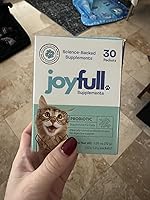
In mixed-pet households, owners often handle each species' needs separately. For example, Probiotic Supplement for Cats - 30 Single-Serving Packets is a cat-focused supplement. It is not part of dog allergy control, but it does reflect a common reality in homes with both cats and dogs. Good pet care is usually species-specific, and allergy management works the same way.
A Yorkie's coat may reduce how widely allergens spread through loose hair. It does not remove allergens from saliva or skin.
How to Test Your Personal Tolerance to a Yorkie
This is the step that matters most. If you have allergies, the smartest question isn't “What do people say about Yorkies?” It's “How does my body react to this individual dog in a real setting?”
PetMD explicitly says there is no such thing as a hypoallergenic dog and recommends spending time with the breed before bringing one home to test your personal response (PetMD on Yorkshire Terriers).
Start with controlled exposure
Don't make your first test the day you bring home a puppy. Build up your exposure in stages.
- Meet a Yorkie in a calm indoor setting. Spend enough time close to the dog that you get meaningful exposure, not just a quick greeting.
- Touch the coat, then notice your symptoms. Some people react more after petting than after being in the room.
- Stay for a longer visit if the first one goes well. A short exposure may miss delayed symptoms like nasal congestion or itchy eyes later in the day.
- If possible, repeat with a different Yorkie. Individual dogs vary in grooming status, saliva contact, and home cleanliness.
- Ask your physician or allergist about formal allergy testing if your history is significant. Breed labels are weaker evidence than your own medical history.
A foster-to-adopt setup, pet sitting arrangement, or repeated visits can be much more informative than reading breed lists online.
When to slow down or walk away
Some reactions are warning signs that you shouldn't ignore.
- Breathing symptoms: Coughing, wheezing, chest tightness, or shortness of breath deserve caution.
- Rapid escalation: If mild irritation becomes stronger with each visit, that matters.
- Medication dependence: If you only tolerate the visit by heavily relying on medication, daily life with a dog may still be difficult.
If you already have moderate to severe dog allergy, a Yorkie may be better tolerated than some breeds, but it isn't a reliable bet.
The goal isn't to prove that you can “push through.” It's to find out whether living with a Yorkie feels sustainable, comfortable, and fair to both you and the dog.
A Practical Guide to Managing Allergens at Home
Living comfortably with a Yorkie usually depends less on the label attached to the breed and more on how well you control the places allergens collect. A useful way to think about it is this: your home has an "allergen budget." Each bit of dander on the couch, saliva on a toy, or residue in bedding adds to that load. Good routines keep the total low enough that your body may tolerate it better.

Yorkies can help on the shedding side of the equation, but they still bring allergen into the home through skin flakes and saliva, as noted earlier. That means your goal is not perfection. It is lowering repeated exposure enough that daily life feels manageable.
Grooming and cleaning habits that matter
Start with the dog, because that is the source you can control most directly.
- Bathe on a regular schedule: Bathing helps rinse away dander and dried saliva sitting on the coat.
- Brush consistently: Brushing removes loose material before it spreads to rugs, clothing, and furniture.
- Wash the dog's bedding often: Fabrics act like sponges for аллерген residue over time.
- Wash your hands after handling your dog: This cuts down on transferring allergens to your eyes, nose, or pillowcase.
For coat-related housekeeping beyond allergy control alone, these dog hair management tips can help you think through furniture, floors, and grooming tools.
Creating a lower-allergen home
Now look at the rooms where exposure keeps happening. People with mild dog allergy often do better when they protect a few key spaces instead of trying to clean every surface constantly.
A few habits tend to make the biggest difference:
- Keep the bedroom pet-free. You spend hours there at a time, so reducing exposure in that one room can have an outsized effect.
- Vacuum with HEPA filtration. Fine particles settle deep into carpets and upholstery, long after visible hair is gone.
- Use washable covers and bedding. If it can go in the wash, it is easier to keep allergen from building up.
- Cut back on fabric clutter. Extra blankets, throw pillows, and soft décor create more places for dander to sit.
If symptoms keep flaring even though your routine is solid, the problem may be buildup rather than the dog alone. Some households use a structured professional allergy deep cleaning checklist to target the places allergen tends to linger.
This video gives a useful visual overview of allergy-conscious home habits:
A sterile house is not the goal. A repeatable system is. If your symptoms stay mild with regular bathing, laundry, and room boundaries, a Yorkie may fall within your tolerance range. If symptoms keep breaking through despite those steps, that is useful information too.
Conclusion and Other Low-Shedding Dog Breeds
So, are Yorkies hypoallergenic dogs? No, not in the strict scientific sense. But they can be a more workable choice for some people because their coat sheds less and may spread less allergen-laden hair around the house.
That distinction matters. If your allergies are mild, a Yorkie may fall within your comfort range. If your allergies are stronger, the label alone won't protect you. Personal testing and home management are what make the decision safer and smarter.

Other breeds to consider
If a Yorkie doesn't feel like the right fit, a few other low-shedding breeds are often on the shortlist:
- Poodle: Their coat tends to shed less, but grooming needs are substantial.
- Bichon Frise: Often chosen by allergy-conscious owners, though coat care is frequent.
- Maltese: Another small companion breed with a low-shedding coat.
- Miniature Schnauzer: A wiry coat can make shedding more manageable in some homes.
If you're comparing small companion breeds, you may also want to read about whether are Shih Tzus hypoallergenic.
Air quality can also make a noticeable difference in shared spaces, especially bedrooms and living rooms. If you're weighing filtration options, this guide to top air purifiers for allergy relief is a helpful starting point.
The best dog for allergies isn't the one with the most appealing label. It's the one your body tolerates, your home setup can support, and your family can care for consistently.
If you're trying to make practical, evidence-aware choices for life with pets, Joyfull is built around that same mindset. The brand focuses on convenient, no-BS pet wellness with clean ingredients, quality proteins, and veterinary review, which fits well with the kind of thoughtful decision-making allergy-sensitive households need.