Are Mushrooms Safe for Dogs to Eat? 2026 Guide
You glance down for one second on a walk, then look back and your dog is chewing something soft from the grass. Or you find a half-bitten mushroom in the yard and your stomach drops. That moment is why this question matters so much.
Are mushrooms safe for dogs to eat? Sometimes, yes. Sometimes, absolutely not. The confusing part is that these two realities sit side by side. A plain cooked supermarket mushroom is very different from an unidentified mushroom growing near a tree stump after rain.
Most owners don't need a botany lesson. They need a calm answer to one practical question: when should you panic, and when is careful monitoring enough? That's the line I'm going to draw here, the same way I would in an exam room with a worried dog owner sitting across from me.
Table of Contents
- Your Dog Ate a Mushroom What Happens Next
- The Mushroom Rule of Thumb Store-Bought vs Wild
- A Rogues' Gallery Common Toxic Mushrooms
- Reading the Signs When to Call the Vet Immediately
- At the Vets Office Diagnosis and Treatment
- Prevention The Best Medicine for Your Dog
Your Dog Ate a Mushroom What Happens Next
If you just saw your dog eat a mushroom, your first job isn't to guess the species. Your first job is to treat the situation seriously and stay organized.
I want you to think of mushrooms as falling into two buckets. One bucket contains known store-bought mushrooms used for human food. The other contains wild or unidentified mushrooms. Those two buckets lead to very different decisions.
A large retrospective study gives useful perspective. In a 2023 study of 421 mushroom ingestions in dogs, 45% of the mushrooms were non-poisonous and 98.6% of all dogs survived. That should reassure you that a good outcome is common when owners act quickly. It should not tempt you to shrug and wait.
What to do in the first few minutes
Start with the simple facts:
- Check what your dog ate: Was it a dropped piece from your cutting board, or something from outside?
- Remove access: Pick up any remaining mushroom so your dog can't go back for more.
- Take photos: Get a clear photo of the mushroom and the spot where it was growing, if it came from outdoors.
- Note the time: Your veterinarian will care a lot about when the exposure happened.
Practical rule: If the mushroom came from the yard, a park, mulch, woods, or any unknown source, treat it like a potential emergency.
If the mushroom was a piece of plain supermarket mushroom that fell while you were cooking, the risk is usually lower. If your dog is the type to inhale scraps and eat too fast, prevention matters too. Tools that slow rapid gulping, like these healthy puppy eating supplies, can help with general scavenging habits around food, though they are not a substitute for supervision around wild mushrooms.
The main question isn't just what
It's also where it came from and how your dog acts next.
A dog who steals one small piece of plain cooked button mushroom from the kitchen is in a different situation from a dog who nibbles an unknown mushroom on a damp morning walk. That distinction drives almost every decision that follows.
The Mushroom Rule of Thumb Store-Bought vs Wild
Here's the easiest way to remember mushroom safety for dogs: store-bought and wild are not the same conversation.

The safer lane
Mushrooms sold in grocery stores for people are generally the lower-risk group. Think of common culinary mushrooms such as button, cremini, portobello, shiitake, and oyster. The key detail is preparation.
That means the mushroom itself may be the least concerning part of the dish. A buttery garlic mushroom side dish is not the same as a plain cooked slice from your pan before seasoning. The same goes for breaded mushrooms, creamy sauces, takeout stir-fries, and pizza toppings.
Here's a quick comparison:
| Situation | Concern level | Why |
|---|---|---|
| Plain cooked supermarket mushroom | Lower | The mushroom is a cultivated edible type |
| Mushroom cooked with onion or garlic | Higher | The added ingredients create the risk |
| Rich restaurant mushroom dish | Higher | Fat, salt, sauces, and seasonings can upset the stomach |
| Unidentified mushroom from outdoors | Highest | Species is unknown and may be toxic |
If you like using occasional food-based rewards, stick to dog-safe options made for dogs, such as simple dog treats, instead of sharing mixed human mushroom dishes.
The danger lane
Wild mushrooms are where owners get into trouble. Some are harmless. Some are not. The problem is that you cannot safely rely on appearance.
A wild mushroom is like an unlabeled pill on the sidewalk. Even if it looks ordinary, you wouldn't assume it's safe. Mushrooms deserve the same caution.
That applies to mushrooms in:
- Backyards
- Dog parks
- Wooded trails
- Mulch beds
- Sidewalk edges after rain
If you're trying to understand what tends to grow around roots, stumps, and damp outdoor areas, this guide to mushroom identification for tree care can help you understand why yard fungi appear where they do. It should not be used as a substitute for veterinary advice after ingestion.
Wild mushrooms should be treated as potentially poisonous until a qualified expert proves otherwise.
The rule worth memorizing
If it came from the grocery store and it was plain and cooked, careful monitoring may be reasonable in some cases.
If it came from outside and you can't verify exactly what it is, call your veterinarian promptly.
A Rogues' Gallery Common Toxic Mushrooms
You do not need to become a mushroom expert to protect your dog. In fact, trying to identify a wild mushroom on the fly is where many owners lose time. Still, it helps to know why veterinarians take these exposures so seriously.

The liver attackers
Some of the most feared mushrooms belong to the Amanita group, including the one commonly called the death cap. These are dangerous because their toxins can target the liver. Early vomiting can fool owners into thinking the body is “getting it out,” but serious internal injury may still follow.
Galerina species are another concern. They can grow on wood and may look small and unremarkable. That's part of the danger. Toxic mushrooms are not always dramatic or brightly colored.
Think of these mushrooms as chemical saboteurs. The outside may look plain. The damage happens where you can't see it.
The brain and nerve disruptors
Other mushrooms affect the nervous system more than the liver. Fly agaric is one of the better-known examples. It's the classic mushroom many people picture from storybooks, though appearance varies and relying on that image is risky.
These mushrooms can cause signs that make a dog look drunk, frightened, or disconnected from their body. You might see stumbling, twitching, tremors, or more severe neurologic signs.
False morels are another group that can cause serious illness. Some owners mistake them for edible mushrooms discussed in human foraging circles. That confusion is one more reason dogs should never be allowed to sample mushrooms found outdoors.
Why visual ID is a trap
Owners often ask me, “It was brown and kind of flat. Does that help?” Usually, not enough.
Color, cap shape, gill pattern, age, weather, and growing conditions can all change how a mushroom looks. One dangerous mushroom can resemble an edible one. A young mushroom can look different from the same species a day later.
A mushroom doesn't need to look sinister to be dangerous. Some of the most toxic ones look boring.
The practical takeaway is simple. Don't try to sort wild mushrooms into “probably okay” and “probably bad” in your head. If your dog ate one, treat the exposure as real until a veterinarian tells you otherwise.
Reading the Signs When to Call the Vet Immediately
This is the part that matters most. Many owners ask the wrong first question. They ask, “What symptoms should I wait for?” A better question is, “Does this exposure require a call right now?”
In many cases, yes.
One of the most important clues in mushroom toxicology is when signs start. According to the Merck Veterinary Manual, cases with signs appearing within 3 hours are usually self-limiting, while symptom onset after more than 6 hours is considered life-threatening because it often reflects hepatotoxic or nephrotoxic compounds such as amatoxins. Merck also notes there is no proven antidote for mushroom toxicosis in animals.
That timing rule is one of the clearest tools owners have.
The timeline that changes urgency
Think of symptom timing like smoke from a fire.
- Fast smoke often points to irritation. A dog may vomit early because the stomach is reacting.
- Delayed smoke can mean damage is happening deeper in the system, especially in the liver or kidneys.
This doesn't mean early vomiting is harmless or that delayed signs always appear. It means timing gives your vet an important clue about which toxins may be involved.

Signs that should trigger an immediate call
Call your veterinarian right away if your dog has eaten a wild or unidentified mushroom, even if your dog still seems normal.
Also call immediately if you see any of these signs after any mushroom exposure:
- Vomiting: Especially repeated vomiting or vomit containing mushroom material
- Diarrhea: Mild stool changes may happen with stomach irritation, but severe or persistent diarrhea raises concern
- Lethargy: A dog who suddenly seems weak, flat, or unwilling to move needs attention
- Tremors or seizures: These are emergency signs
- Unsteady walking: Stumbling, wobbling, or looking disoriented can point to neurologic involvement
- Yellowing of the eyes or gums: This can suggest liver injury
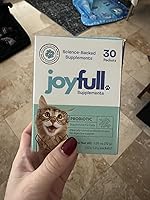
Some owners keep digestive supplements at home for pets with sensitive stomachs. Products such as Probiotic Supplement for Cats - 30 Single-Serving Packets are veterinarian-formulated with clinically-tested probiotic strains, made with real beef bone broth, and third-party tested for potency and purity. But in suspected mushroom poisoning, supplements are not first-line treatment. They do not replace urgent veterinary assessment.
Here's a short video overview that can help you recognize poisoning concerns in real time:
When monitoring may be reasonable
Monitoring at home is the narrower lane.
It may be reasonable only when all of these are true:
- You know it was a store-bought edible mushroom
- It was plain
- It was cooked
- Your dog ate only a small amount
- Your dog is acting completely normal
- Your veterinarian agrees with home monitoring
Don't use “my dog seems fine” as reassurance after wild mushroom exposure. Some of the most dangerous toxins start with a quiet period.
If you're ever deciding between “watch and wait” and “call now,” call now.
At the Vets Office Diagnosis and Treatment
Once you arrive at the clinic, the visit usually moves quickly. Mushroom cases are time-sensitive because there is no proven antidote, so treatment focuses on limiting absorption and supporting the organs most at risk.

What your veterinarian will ask
Expect focused questions. The answers help shape treatment:
- When did your dog eat the mushroom
- Was it indoors or outdoors
- How much was eaten
- Has your dog vomited or shown any neurologic changes
- Do you have a photo or sample
If you can safely bring a sample, do it carefully. Don't spend extra time hunting for one if that delays the trip. A photo of the cap, stem, underside, and growing area can still help.
What treatment may involve
The first phase is often decontamination. If the exposure was recent and your veterinarian decides it's appropriate, they may induce vomiting. They may also use activated charcoal to bind toxins still in the digestive tract.
After that, care shifts to support and monitoring. That can include:
- IV fluids to support circulation and help protect the kidneys
- Bloodwork to look for liver or kidney involvement
- Neurologic monitoring if tremors, wobbling, or seizures are present
- Hospital observation if the mushroom is unknown or the signs are concerning
This is why same-day care matters. A dog may look stable while the problem is still developing internally.
Why aftercare matters too
Some dogs recover with short-term monitoring. Others need ongoing observation because certain toxins don't declare themselves immediately. Your vet may also talk with you about gentle digestive support after the acute crisis has passed. In non-emergency situations involving routine stomach sensitivity, some owners ask about options like dog probiotics, which are designed for digestive support. That's a different conversation from toxic mushroom exposure, where veterinary treatment comes first.
The vet visit is not just about “making them throw up.” It's about getting ahead of injury before bloodwork and symptoms get worse.
If your dog ate a plain supermarket mushroom and only had mild stomach upset, treatment may be simpler. If the mushroom was wild or unidentified, the clinic will approach the case with a much higher level of caution.
Prevention The Best Medicine for Your Dog
The safest mushroom is the one your dog never gets a chance to eat.
Dogs investigate the world with their mouths. That's normal dog behavior, not bad character. Mushrooms add risk because they can appear fast, blend into the background, and disappear before you even realize they were there.
Yard habits that reduce risk
A few practical habits make a real difference:
- Walk your yard often: Check after rain, in shaded corners, around mulch, and near tree roots
- Remove mushrooms promptly: Wear gloves and bag them so your dog can't “help” during cleanup
- Watch high-risk spots: Damp, decaying organic matter is a common place for mushrooms to appear
- Supervise outdoor time: Especially for puppies and dogs who graze or forage
Training matters too. A reliable “leave it” cue can interrupt the quick nose-to-mouth grab that causes many exposures.
Kitchen rules matter too
Owners usually focus on wild mushrooms, but mixed dishes cause confusion in the home.
Keep these rules simple:
- Don't share seasoned mushroom dishes
- Don't assume vegetarian means dog-safe
- Skip rich sides and takeout leftovers
- Offer dog-specific options instead
If you like giving functional treats, products made for canine digestion, including prebiotics for dogs, are easier to use safely than guessing whether a human side dish is okay to share.
A good rule for every unfamiliar food
Mushrooms aren't the only food owners second-guess. Fruit, nuts, sauces, and “healthy” snacks can all have hidden issues for dogs. If you want another example of how a food can sound wholesome but still cause problems depending on the form and amount, this article on are pomegranates toxic to dogs shows the same kind of nuance.
The bottom line is straightforward. Plain cooked store-bought mushrooms may be low risk in small amounts. Wild mushrooms are a different category entirely. If your dog eats one outside, don't wait for proof that it was dangerous. Call your veterinarian and let them help you sort out the level of risk.
Joyfull makes pet wellness products with clean ingredients and veterinary review in mind. If you want simple, food-forward ways to support your dog or cat's everyday wellness, you can browse Joyfull and choose products that fit into a safe, consistent routine rather than relying on questionable table scraps.