Air Dried Dog Treats: A Vet-Reviewed Guide for 2026
You're standing in the pet aisle, reading one bag after another. One says baked. Another says freeze-dried. Another says raw-inspired. Then you spot air dried dog treats, and now you're wondering whether this is a meaningful upgrade or just another clever label.
That confusion makes sense. Most treat categories sound healthier than they are, and many packages skip the part that matters most: what the manufacturing process does to the food. If you understand the process, you can usually predict the likely tradeoffs in nutrition, safety, texture, and storage.
As a veterinarian, I think air-dried treats are worth understanding because they sit in an interesting middle ground. They're not raw. They're not heavily cooked the way many conventional treats are. And for many dogs, that balance is exactly why owners become interested in them.
Table of Contents
- The Rise of Air Dried Dog Treats
- How Air Drying Gently Preserves Nutrition
- The Nutritional Edge of the Air Drying Process
- Air Dried vs Other Treats A Detailed Comparison
- How to Choose High Quality Air Dried Treats
- Feeding and Storing Air Dried Treats Safely
- Are Air Dried Treats Worth It for Your Dog
The Rise of Air Dried Dog Treats
A lot of owners arrive at air-dried treats the same way. Their dog does well with simple foods, they want something less processed, and they're tired of trying to decode ingredient panels on ordinary biscuits. So they start browsing premium dog treats and notice that air-dried products keep showing up.
That isn't just your algorithm or your local pet store changing its shelf layout. A 2024 industry overview reported that alternative formats like air-dried foods grew more than 20% in recent years, while conventional kibble grew only 2% to 4% over the same period, showing a clear shift toward premium, minimally processed options according to Pet Food Industry's market overview.
Why owners are paying attention
Dog owners aren't shopping for novelty. They're trying to solve practical problems:
- Ingredient fatigue: They want fewer fillers and more recognizable foods.
- Convenience needs: They like the idea of something shelf-stable that doesn't handle like raw meat.
- Higher-value rewards: They need treats that smell and taste appealing enough for training or picky eaters.
Air-dried products fit that mindset because they sound less industrial than many standard treats, and often feel closer to real food.
Air-dried treats belong to a larger movement in pet nutrition. Owners increasingly want foods that look less manufactured and more ingredient-driven.
Why that matters for your dog
A growing category isn't automatically a better one. Still, it does tell you something useful. It tells you many owners are looking beyond the old biscuit-versus-jerky choice and asking sharper questions about processing.
That's the right instinct. In veterinary nutrition, the process matters almost as much as the ingredient list. Chicken can look very different nutritionally depending on whether it's raw, baked hard, extruded under intense heat, or dried slowly with moving warm air.
So air-dried treats aren't just another fad label to ignore. They're part of a real change in how pet owners think about treats: less as junk food, more as small pieces of the overall diet.
How Air Drying Gently Preserves Nutrition
If you want a simple mental picture, think of making jerky carefully rather than baking cookies. Air drying uses warm, circulating air to remove moisture slowly over time. The goal isn't to puff, brown, or heavily cook the treat. The goal is to take water out while keeping much of the original food structure intact.
That difference sounds small, but it changes a lot.

What the process looks like
Air-dried dog treats are typically made in a controlled sequence:
- Raw ingredients are prepared. Usually meat, organs, or other whole-food ingredients are portioned into thin pieces or formed shapes.
- Warm air moves around the product. The airflow matters because it removes moisture evenly.
- Moisture leaves gradually. As water evaporates, the treat becomes denser and more shelf-stable.
- Flavor becomes more concentrated. Less water means the smell and taste become more noticeable.
- The final treat stays chewy or jerky-like. That texture is part of why many dogs find these treats highly appealing.
Why “gentle” isn't just a marketing word
The key fact is temperature. Air drying occurs at 140–180°F (60–82°C), which is much lower than the 300°F+ temperatures used in kibble extrusion. At that lower range, the process is still warm enough to reduce pathogens, but it's less likely to damage delicate food components. The verified data for this article notes that this range can preserve up to 95% of native enzymes and heat-sensitive vitamins that are often lost in higher-heat processing.
Here's the practical version. If you scorch a piece of meat, you change it more aggressively. If you warm it carefully and remove moisture slowly, you still change it, but not in the same dramatic way.
Practical rule: “Low and slow” usually protects food structure better than “fast and hot.”
Why moisture removal matters so much
Water is what lets microbes multiply easily. By pulling moisture down to a very low level, air drying helps create a treat that's easier to store and handle than raw meat. That's one reason many owners see it as a convenient compromise. It gives them a meat-focused treat without the same day-to-day mess and handling concerns of raw feeding.
This is also where people get confused. Air drying is not the same thing as leaving food out until it dries. A quality manufacturer uses controlled temperature, airflow, and time. That control is what turns fresh ingredients into a stable treat instead of a spoiled one.
The Nutritional Edge of the Air Drying Process
Once you understand the drying method, the health logic becomes easier to follow. The nutritional value of air-dried treats doesn't come from the phrase on the bag. It comes from what the lower-heat drying process does, and what it avoids doing.

Better fat preservation can support skin and coat
The verified data shows that the air-drying mechanism retains higher levels of essential fatty acids like omega-3 and omega-6, along with bioactive peptides, compared to baked alternatives. That matters because those fats contribute to skin health and help support a normal inflammatory response.
In simpler terms, fats are fragile. Heavy heat can damage them. A gentler process is less likely to push them toward oxidation, which helps preserve the parts of the food that support coat quality and skin comfort.
If your dog has dry skin, a dull coat, or does better on richer animal-based snacks, this is one reason air-dried treats may feel different from a standard crunchy biscuit.
Protein stays closer to its original structure
Protein isn't just a number on the package. It's a physical structure. Strong heat can alter that structure more dramatically. Air drying uses a lower, steadier thermal profile, which helps preserve more of the original integrity of meat proteins.
The verified data for this brief also notes that air-dried products can have digestibility that's comparable to raw diets and higher than conventional kibble. Clinically, that can matter because food that stays closer to its original form is often easier for some dogs to handle.
That doesn't mean every dog will digest every air-dried product perfectly. Ingredient choice still matters. But the process itself tends to be friendlier to nutrient preservation than harsher cooking methods.
Flavor concentration changes behavior at feeding time
As moisture leaves, smell and taste become more concentrated. That's one reason air-dried treats are often useful as high-value rewards. The dog isn't responding to magic. The treat presents a stronger aroma and meatier flavor signal.
A short visual overview can help if you want to see the process in action:
What owners often notice at home
Many owners describe a few practical changes when they switch from conventional treats to well-made air-dried options:
- Stronger interest during training: The aroma tends to help.
- Smaller portions that still feel rewarding: Dense treats can go a long way.
- Cleaner ingredient logic: There's often less distance between the raw ingredient and the finished snack.
The main benefit isn't that air-dried treats are trendy. It's that the process can preserve more of what made the original ingredient valuable in the first place.
Air Dried vs Other Treats A Detailed Comparison
Air-dried treats make the most sense when you compare them to the alternatives you're probably already considering. Owners usually aren't choosing in a vacuum. They're choosing between air-dried, freeze-dried, dehydrated, raw, and conventional baked or heavily processed treats.

A quick side by side view
| Treat type | Processing method | Texture | Main strength | Main tradeoff |
|---|---|---|---|---|
| Air-dried | Warm circulating air | Chewy, pliable, jerky-like | Balanced nutrition, convenience, palatability | Quality varies by brand |
| Freeze-dried | Freezing plus vacuum removal of water | Light, dry, often crunchy | Very high nutrient preservation | Can be fragile or messy |
| Dehydrated | Dried with heat, sometimes more aggressively | Dry, firmer, sometimes hard | Shelf stability | Can involve more nutrient loss depending on heat |
| Raw | Uncooked | Fresh, moist | Minimal processing | More handling and safety concerns |
| Traditional baked | High-heat cooking | Crisp, brittle, biscuit-like | Familiar and convenient | Often more processed |
Air-dried versus freeze-dried
These two get lumped together all the time, but they're not the same. Freeze-dried treats remove water through a vacuum-based process and usually keep a lighter, more airy texture. Air-dried treats use warm airflow and often feel more like jerky.
For some dogs, the deciding factor is usability. Freeze-dried can crumble in your pocket. Air-dried often travels better for training walks and tends to be less dusty in a treat pouch.
For pet owners seeking a broader comparison of minimally processed options, this guide is useful for pet owners seeking quality treats.
Air-dried versus dehydrated
Marketing can often make distinctions muddy. “Air-dried” and “dehydrated” are often treated like twins, but they can involve different heat profiles and lead to different results. In general, air drying emphasizes slower moisture removal with gentler warmth, while some dehydrated products use more heat to speed things along.
That difference matters because more heat usually means more stress on delicate nutrients and fats. If a label doesn't explain the process at all, it's fair to be cautious.
Air-dried versus raw
Raw sits at one end of the spectrum. It appeals to owners who want food in its least altered form. Air-dried treats sit closer to the middle. They try to preserve much of the raw ingredient character while creating a product that's easier to store, carry, and use.
For many households, this middle ground is a major appeal. You get a meat-focused treat with fewer day-to-day hassles than raw feeding.
Some dogs thrive with raw-style rewards. Some owners need something cleaner, safer-feeling, and easier to stash in a pocket. Air-dried treats often fit that real-life compromise.
Air-dried versus traditional treats
Traditional biscuits still work well for many dogs, especially when cost and crunch are the main priorities. But they often rely on a very different manufacturing logic. The result is usually a harder, drier product that may be less meat-forward in taste and less gentle in processing.
That doesn't make every biscuit bad. It just means air-dried treats serve a different purpose.
One useful way to think about this is by asking what the product is trying to preserve. A biscuit aims for shelf stability and structure. An air-dried treat usually aims to preserve more of the ingredient's original identity.
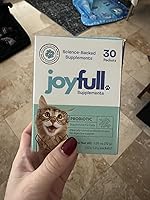
That same process-focused thinking shows up outside dog products too. For example, Probiotic Supplement for Cats - 30 Single-Serving Packets uses individually sealed servings, real beef bone broth, clinically-tested probiotic strains, and third-party potency and purity testing. It's a different category, but the principle is similar: process and packaging shape how useful a product remains by the time it reaches your pet.
How to Choose High Quality Air Dried Treats
The most important shopping tip is simple. Don't trust the phrase “air-dried” by itself. A 2025 AAFCO note said the term can cover a temperature variance across brands exceeding 20°C, which means two products with the same front-of-bag label may be processed quite differently.
That's why label-reading matters.

Start with the ingredient panel
When I look at an air-dried treat, I want the ingredient list to make sense immediately.
- Named animal proteins first: Look for specific ingredients like chicken, beef, lamb, turkey, or liver. “Meat” without detail tells you less.
- Shorter lists: In general, a shorter ingredient panel is easier to evaluate.
- Minimal extras: If you see long strings of colors, flavors, or vague additives, pause.
If your dog has a sensitive stomach or suspected food triggers, single-protein treats can be especially helpful because they reduce guesswork.
Ask what the brand is willing to explain
A trustworthy brand usually gives you more than attractive packaging. It tells you where ingredients come from, what kind of processing it uses, and why each ingredient is there.
Here's a simple checklist I give owners:
- Can you identify the protein source quickly?
- Does the company explain the process clearly?
- Are the non-meat ingredients there for a reason you understand?
- Is the formula compatible with your dog's sensitivities or health goals?
Clinical mindset: If a company is proud of its process, it usually talks about that process in plain language instead of hiding behind buzzwords.
Watch for filler-heavy formulas
A premium-looking bag can still hold a formula built around cheap bulk ingredients. If your goal is a nutrient-dense, meat-led reward, look carefully at how far down the list the core animal ingredients appear.
A good air-dried treat doesn't need to be exotic. It needs to be coherent.
Transparency matters more than trendiness
Because “air-dried” can mean different things from one brand to the next, I'd rather see a company discuss sourcing, ingredient purpose, and review standards than make dramatic wellness promises. This is one reason some owners look for brands that emphasize clean ingredients and veterinary review. Joyfull, for example, describes its approach as convenient, no-BS, and built around high-quality proteins with scientific review by its in-house veterinary advisor. That kind of transparency is more useful than a fashionable label alone.
If you remember one thing while shopping, make it this: the process claim should be supported by an ingredient list and a brand story that hold up under scrutiny.
Feeding and Storing Air Dried Treats Safely
Air-dried treats are still treats. Even when they're meat-rich and minimally processed, they shouldn't come to dominate the diet. I suggest using them with a purpose: training rewards, occasional high-value snacks, or crumbled over meals when you need extra interest.
Feeding them without overdoing it
A few common-sense habits help:
- Break larger treats into small pieces: Dogs care more about frequency than size during training.
- Match the treat to the moment: Save richer, smellier treats for distractions, grooming, nail trims, or recall work.
- Adjust the rest of the diet if needed: If your dog gets a generous amount of treats that day, scale back meal extras.
Storage matters more in humid climates
Here's the issue many articles skip. Industry data from 2025 indicates that 34% of air-dried treat failures in tropical zones are due to moisture reabsorption. So the standard advice to keep treats in a cool, dry place may not be enough if you live somewhere warm and humid.
In those homes, I'd be more proactive:
- Use an airtight container immediately after opening.
- Store small amounts in a daily-use jar and keep the rest sealed.
- Avoid leaving the bag open during training sessions.
- Keep treats away from steamy kitchens, laundry rooms, and sunny cars.
- If texture changes, clumping appears, or the smell shifts, discard them.
If you're setting up a better storage system, these tips for durable food containers are a practical starting point because container choice really does affect how much ambient moisture creeps back in.
In humid weather, opened air-dried treats behave less like pantry crackers and more like moisture-sensitive jerky.
Are Air Dried Treats Worth It for Your Dog
For many dogs, yes. Not because they're automatically perfect, but because they offer a useful balance. Air-dried treats can preserve more of the original ingredient character than heavily processed options, while still being easier to handle than raw food.
That makes them especially appealing for owners who want meat-forward rewards, simpler ingredient logic, and day-to-day convenience. The biggest caveat is quality variation. Two bags can both say air-dried and still differ in transparency, ingredient quality, and likely nutritional value.
So the better question isn't “Are air-dried treats good?” It's “Does this specific product fit my dog's body, my budget, and my household routine?”
If your dog also struggles with stress, routine changes, or environmental triggers, feeding choices are only one piece of the puzzle. This mobile veterinary guide offers useful strategies for calmer Brisbane pets that pair well with thoughtful nutrition and reward planning. And if you want a different functional format for daily support, some owners also use dog prebiotic treats as part of their broader gut-health routine.
The goal isn't to buy the most fashionable bag. It's to choose treats that make sense for the dog standing in front of you.
If you want a cleaner, more practical approach to pet wellness, take a look at Joyfull. The brand focuses on convenient, straightforward products made with clean ingredients, quality proteins, and veterinary review, which is exactly the kind of transparency worth looking for when you're comparing treat and supplement options.