How to Relieve Gas in Dogs Your Vet's Guide for Pet Parents
If you've ever been driven out of a room by your dog's sudden flatulence, you know it's more than just a little embarrassing. It’s also a direct signal from their gut. For quick relief, a gentle belly rub or a short walk can help get things moving. But to stop the gas for good, you'll need to dig into their diet, eating habits, and exercise routine.
Getting to the Bottom of Your Dog's Gas

While an occasional toot is perfectly normal for any dog, excessively frequent or foul-smelling gas often means something’s off in their digestive system.
Think of it this way: most gas is just a natural byproduct of intestinal bacteria breaking down food. The amount and smell, however, tell the real story. Figuring out the cause is the first step to finding a solution.
The usual Suspects Behind a Gassy Dog
One of the most common reasons for gas is simply swallowing too much air, a condition called aerophagia. This is a classic issue with dogs that gobble down their food or water too quickly. We've all seen it—that hungry Golden Retriever who finishes their bowl in ten seconds flat. They aren't just swallowing kibble; they're gulping down mouthfuls of air that has to escape one way or another.
But it’s not just how they eat. What's in their food bowl is just as important.
Certain ingredients are notoriously hard for dogs to digest. Things like soy, beans, or the cheap fillers found in some lower-quality dog foods can ferment in the gut and produce a ton of gas. Even healthy human foods, like broccoli or cauliflower, can turn your pup into a little gas machine. For a closer look at dietary culprits, you can learn more about the specific causes of flatulence in dogs.
It might seem like your dog is the only one, but flatulence is a daily reality for many pets. In fact, some reports show that around 9% of dog owners say their pet passes gas at least once a day. This just goes to show that while some gas is normal, a pattern of excessive gas usually points to a problem you can solve.
Are Some Breeds More Prone to Gas?
Absolutely. Your dog's breed can play a major role in how gassy they are. Brachycephalic, or flat-faced, breeds are famous for their toots.
These breeds include:
- Pugs
- Bulldogs
- Boxers
- Boston Terriers
Their adorable squished faces make it harder for them to eat and breathe without swallowing extra air. This constant air intake is a direct ticket to more gas.
Quick Guide to Identifying Your Dog's Gas
Sometimes it's tough to tell if your dog's gas is just a normal bodily function or a sign of something more. Use this quick reference table to help you decode their symptoms and decide on the next best step.
| Symptom | What It Likely Means | Your Next Step |
|---|---|---|
| Occasional, mild-smelling gas | Normal digestion. This is just a byproduct of food breakdown. | No action needed. This is a normal part of being a dog! |
| Loud or frequent gas, especially after eating | Likely swallowing air (aerophagia), common in fast eaters. | Try a slow-feeder bowl. Break meals into smaller, more frequent portions. |
| Very foul-smelling, persistent gas | Could be a dietary issue. An ingredient in their food isn't agreeing with them. | Review their food label for common culprits like soy, corn, or peas. Consider a diet change. |
| Gas accompanied by bloating, pain, or lethargy | This is a red flag. It could signal a serious issue like bloat (GDV) or a food allergy. | Contact your veterinarian immediately. Do not wait. |
| Gas after eating new foods or treats | A simple case of dietary indiscretion. The new item is likely the cause. | Avoid giving that specific food or treat again and see if the gas subsides. |
By paying attention to when and how often your dog is gassy, you can start connecting the dots. Distinguishing between a harmless toot and a sign of a dietary problem is the key to helping your best friend feel a whole lot better.
Immediate Gas Relief Techniques Vets Recommend
That familiar, uncomfortable look on your dog's face when they're gassy can be tough to watch. As a pet owner, your first instinct is to help them feel better, and fast. The good news is, you don't just have to wait it out. There are a few simple, vet-approved things you can do at home to help move that trapped gas along and soothe their tummy.
One of the best first steps is to get them moving, but gently. A slow, leisurely stroll around the yard or block can do wonders. The light activity gets their gastrointestinal tract going, which helps push gas through their system naturally. This is not the time for a game of fetch or a run at the park—too much activity can actually make the discomfort worse.
Gentle Physical Assistance
If your dog is too bloated and miserable to even consider a walk, a gentle belly massage can bring a lot of relief. Get your dog comfortable lying on their side and, using the flat of your hand, start making slow, clockwise circles on their belly. This motion follows the natural direction of their digestive system, helping to break up gas bubbles and encourage them to move.
Keep the pressure very light. You're not trying to knead dough, just to gently stimulate the area. If your dog whines, tenses up, or shows any sign of pain, stop right away.
A piece of advice I always give pet parents: gentle and soothing is the goal here. Forcing your dog to walk or massaging them too aggressively will just add stress to the situation, which can make digestive problems even worse.
Over-the-Counter Aids for Gas
Now, you might be tempted to reach for something from your own medicine cabinet, but this is where you need to be extremely careful. An over-the-counter product with simethicone (the active ingredient in things like Gas-X) can be safe, but only if your vet gives you the green light.
You absolutely must call your vet before giving your dog any human medication. Here’s why:
- Dosing is Crucial: The correct dose is based on your dog's weight, and it's very different from what a person would take. Guessing is not an option.
- Safety First: Your vet will make sure you're using a product with only simethicone. Many combination products contain other active ingredients, like painkillers, that are toxic to dogs.
- It Might Be Something More: Your vet needs to rule out a more serious problem. What looks like simple gas could be a sign of something that needs immediate medical attention.
Sometimes, a simple natural remedy is all that’s needed. A spoonful of plain, canned pumpkin (never the spiced pie filling!) can help soothe an irritated gut. If you're seeing persistent tummy troubles, a temporary switch to a simple meal can be a great reset. You can learn exactly how to prepare one in our guide on creating a bland diet for dogs.
While these immediate relief tips are great for comfort, remember that frequent gas is often a sign that something in your dog’s diet or lifestyle needs a closer look.
Building a Diet to Minimize Gas

When it comes to your dog's digestion, what goes in must come out. And if what’s coming out is clearing the room, the food bowl is the first place you should look for a long-term solution. While some home remedies can offer quick relief, lasting digestive peace really starts with what your dog eats every single day.
A dog’s diet has a massive impact on the fermentation happening in their gut, which is the direct cause of gas. The problem is that many commercial dog foods, especially the cheaper ones, are packed with low-quality fillers that are tough for a dog's system to handle.
Common culprits like corn, wheat, and soy can lead to some seriously smelly gas. On top of that, artificial additives and preservatives can throw a sensitive digestive system completely out of whack. The best thing you can do is become a label detective—learning to spot and avoid these ingredients is a game-changer for your dog’s gut health.
Choosing Highly Digestible Ingredients
The cornerstone of an anti-gas diet is highly digestible protein. When you're reading a food label, you want to see a specific, named meat like "chicken," "beef," or "salmon" as the very first ingredient. Vague terms like "meat meal" or "animal by-product" are red flags. Quality proteins are easier for your dog to break down and absorb, which means less undigested stuff is left to ferment in their colon and produce gas.
But it’s not just about the protein. The type of carbohydrate matters, too. Complex carbs like sweet potatoes and pumpkin are much gentler on the stomach than cheap, simple fillers. They provide a steady stream of energy without causing digestive chaos.
The Power of Probiotics and Prebiotics
A healthy gut is all about balance. The secret to kicking gas to the curb often lies in the gut microbiome—that tiny universe of bacteria living inside your dog’s intestines. When the "bad" bacteria start to outnumber the "good," you get digestive trouble, and gas is usually the first sign.
This is exactly where probiotics and prebiotics come into play.
- Probiotics: These are the live, beneficial bacteria that help restore order in the gut.
- Prebiotics: This is the food for the good bacteria. Think of them as fertilizer for the healthy garden in your dog’s gut.
Research has shown that probiotics can make a real difference, significantly cutting down on flatulence by rebalancing the specific microflora that produce all that gas. One paper found that while 9% of owners deal with daily gas from their dogs, simple dietary changes and supplements can lead to fewer, less pungent farts in just a few weeks. You can explore the findings on probiotics and canine gut health to see the science behind it.
Adding these to your dog's routine doesn't have to be complicated. Exploring the role of probiotics for gut health is a fantastic step toward maintaining that crucial digestive balance. Many high-quality dog foods are now formulated with both prebiotics and probiotics already mixed in.
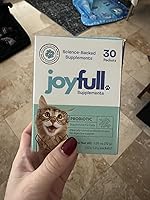
You can also offer them through supplements or by choosing gut-friendly snacks. For instance, veterinarian-approved treats like those from Joyfull are made with clean ingredients and zero junk, making it easy to support your dog’s digestive health. Getting the right mix of good bacteria is key, and you can dive deeper by reading our guide on the best probiotics for dogs.
Ultimately, a balanced diet starves the gas-producing bacteria of their fuel source. The result is a much happier gut for your dog and a far more pleasant-smelling home for you.
Simple Lifestyle Tweaks to Prevent Gas Buildup
Sometimes, the solution to a gassy dog isn't found in the food bag, but in their daily routine. I've seen countless cases where a few simple changes to how a dog eats and moves completely solved their flatulence problem. It’s easy to overlook, but these habits can make all the difference.
Take a look at your dog during mealtime. Do they dive in and finish their entire bowl in under a minute? Many dogs, especially from multi-dog households or rescues, eat like it's a competition. When they do this, they’re not just swallowing kibble; they’re gulping down a huge amount of air. That air has to go somewhere, and it usually finds its way out the back end.
Slow Down Mealtimes
The easiest win here is to simply slow them down. A slow-feeder bowl is a game-changer for these fast eaters. The built-in ridges and mazes turn a 30-second feeding frenzy into a much more engaging five-minute hunt for their food.
The impact is twofold:
- Less Air Gulping: By forcing them to eat around obstacles, they can't take huge, air-filled mouthfuls.
- Better Digestion: Eating more slowly gives their stomach a heads-up that food is on the way, allowing it to start producing digestive acids more efficiently.
No slow-feeder on hand? No problem. You can easily make a DIY version by putting a large, smooth rock or a dog-safe toy (that’s too big to be swallowed!) in the middle of their regular food bowl.
Embrace the Power of Movement
Never underestimate the power of a good walk. Regular, moderate exercise is like a natural digestive aid, helping to keep everything moving through your dog's gastrointestinal tract. A stagnant gut is a gassy gut.
Movement stimulates peristalsis—the natural, wave-like muscle contractions that push food and trapped gas through the intestines. A brisk 20-30 minute walk once or twice a day is often all it takes to keep things flowing and prevent that uncomfortable, gassy buildup.
A Critical Timing Tip: One of the biggest mistakes I see owners make is heading out for a run or intense game of fetch right after a meal. This is a huge no-no. Exercising on a full stomach can cause major digestive upset and is a known risk factor for bloat, a life-threatening emergency, especially for deep-chested breeds like Great Danes or German Shepherds. Always wait at least an hour.
Another simple but powerful strategy is to adjust their meal schedule. Instead of one or two giant meals, try splitting their daily food allotment into three or four smaller ones. This prevents their digestive system from getting overwhelmed and gives it a much better chance to process food properly, without creating a ton of excess gas.
When Gas Signals a Bloat Emergency
Let's be honest, a gassy dog is usually just a smelly nuisance. But every so often, that gas can be a warning sign for something far more serious: Gastric Dilatation-Volvulus (GDV), better known as bloat.
This isn't just a bad case of gas. Bloat is a catastrophic, life-threatening emergency where the stomach fills with gas and then twists on itself, cutting off blood supply. Knowing the difference between a simple tummy rumble and the first signs of GDV can literally save your dog's life.
A dog with normal gas might have a soft, rumbly belly. A dog with bloat is a different story. Their abdomen will often look visibly swollen and feel hard and tight, like a drum.
The most critical sign to watch for is unproductive retching. Your dog will try to vomit, heaving and gagging, but nothing will come out. This is a classic, urgent symptom of GDV.
Simple Gas vs. Emergency Bloat
It can be hard to tell what's happening in the heat of the moment. This quick-glance table helps you distinguish between normal gassiness and the emergency signs of bloat.
| Symptom | Normal Gassiness | Potential Bloat (Emergency) |
|---|---|---|
| Belly Feel | Soft, may be gurgling | Hard, tight, and visibly swollen |
| Behavior | Acts normal, may be a bit restless | Pacing, anxious, can't get comfortable |
| Vomiting | May vomit food or bile | Unproductive retching (dry heaving) |
| Energy Level | Normal energy | Weakness, lethargy, or collapse |
| Breathing | Normal | Rapid, shallow breathing |
| Other Signs | Smelly farts, occasional burps | Excessive drooling, pale gums |
If your dog's symptoms fall into the "Potential Bloat" column, this is a true medical emergency. Do not wait.
Recognizing the Red Flags
When a dog is experiencing bloat, their distress is obvious and goes far beyond a hard stomach. They are in immense pain.
You might see them:
- Pacing endlessly, unable to lie down or settle.
- Drooling far more than usual.
- Taking rapid, shallow breaths.
- Looking panicked or anxious.
- Stretching into a "praying position"—front paws down, rear end up—to try and relieve the pressure.
If you see these signs, especially the unproductive retching, you need to act immediately. In a panic, it can be helpful to have resources on hand; some animal welfare organizations can offer guidance or direct you to emergency services while you're on your way to the vet.
Every single minute counts with bloat. This is never a "wait and see" situation. If you even suspect your dog has GDV, get to an emergency vet immediately.
Breeds at Higher Risk and Critical Statistics
While any dog can suffer from bloat, it's far more common in large, deep-chested breeds. Their anatomy simply makes them more vulnerable.
This flowchart shows how simple, daily habits can play a role in preventing the dangerous gas accumulation that can lead to bloat.

As you can see, things like using slow-feeder bowls, taking post-meal walks, and feeding smaller, more frequent meals are key preventive strategies.
Some of the breeds at the highest risk include:
- Great Danes
- German Shepherds
- Standard Poodles
- Weimaraners
- Saint Bernards
The statistics around bloat are terrifying. Even with immediate and aggressive veterinary surgery, GDV has a mortality rate that can range from 10% to 60%. The prognosis is always guarded, and even with successful surgery, the post-op complication rate is high. This is why prevention and rapid recognition are so critical.
Knowing the stark difference between a toot and a true emergency is one of the most important things you can learn as a dog owner. When in doubt, always play it safe and call your emergency vet. It's a call you'll never regret making.
Common Questions About Dog Gas Relief

When your dog starts clearing a room with their emissions, it’s understandable to have a lot of questions. You want to help them feel better, but you also want to be sure you’re doing it safely. Let’s clear the air and tackle some of the most common questions we get from dog owners dealing with a gassy pup.
Can I Give My Dog Human Gas Medicine?
This is a big one, and the answer is a very cautious maybe—but only with your vet’s direct approval. Some over-the-counter products containing simethicone (like Gas-X) are sometimes recommended by vets to help break up painful gas bubbles.
The danger, however, lies in combination products. Many human gas medications also include pain relievers like ibuprofen or acetaminophen, which are highly toxic to dogs. Never, ever give your dog a multi-symptom medicine. Before you even consider it, you must call your vet to get the green light and the correct dosage for your dog's specific weight and health profile.
What Foods Are Most Likely to Cause Gas?
If your dog has a chronic case of the toots, the first place I always tell people to look is the food bowl. What goes in must come out, after all.
Some of the most notorious gas-producers include:
- High-fiber foods that are tough for a dog's gut to process, like beans, peas, and lentils.
- Cruciferous veggies, such as broccoli, cauliflower, and cabbage. They're healthy, but they can create a lot of gas.
- Low-quality fillers found in some commercial foods, especially corn, wheat, and soy, which tend to ferment.
- Dairy products, because a surprising number of adult dogs are lactose intolerant. A little cube of cheese might be the culprit!
Switching foods too quickly is another classic mistake. A gradual transition over 7-10 days is key to letting your dog’s digestive system adapt without a gassy rebellion.
A key takeaway for pet parents is to become an ingredient detective. If your dog’s gas is persistent and foul-smelling, it’s almost always linked to something they are eating. Checking the label for common offenders is a powerful first step in solving the problem.
How Long Does It Take for Diet Changes to Reduce Gas?
This is where patience really becomes a virtue. While you might notice a little improvement within a week or two, don't be discouraged if the gas doesn't vanish overnight.
Realistically, it can take anywhere from 4 to 8 weeks for your dog's gut microbiome to fully reset and adapt to the new diet. During that time, the good bacteria are repopulating and any underlying inflammation is calming down. You need to stick with the new food for at least two months to truly know if it’s working.
My Dog Farts a Lot but Seems Happy. Should I Be Concerned?
If the gas is the only issue—meaning your dog is still eating well, playing, and acting like their normal goofy self—it’s probably not a five-alarm fire. A happy, energetic dog who just happens to be a bit flatulent isn't likely in immediate danger.
That said, think of excessive or particularly stinky gas as a yellow flag. It’s a sign that their digestive system is working harder than it should be. While it may not be an urgent medical problem, it’s a perfect opportunity to fine-tune their diet for better gut health. Your dog will be more comfortable, and you'll definitely appreciate the improvement in air quality.
At Joyfull, we believe pet wellness should be simple and effective. That's why our veterinarian-advised formulas are made with clean ingredients and high-quality proteins to support your pet's digestive health from the inside out. To give your best friend the gift of a happier gut, check out our products at https://joyfullpet.com.